By Jiangnan Chengxin Refrigeration
Cold Storage for Fruits: Temperature, Humidity and Design Guide for Fresh Produce
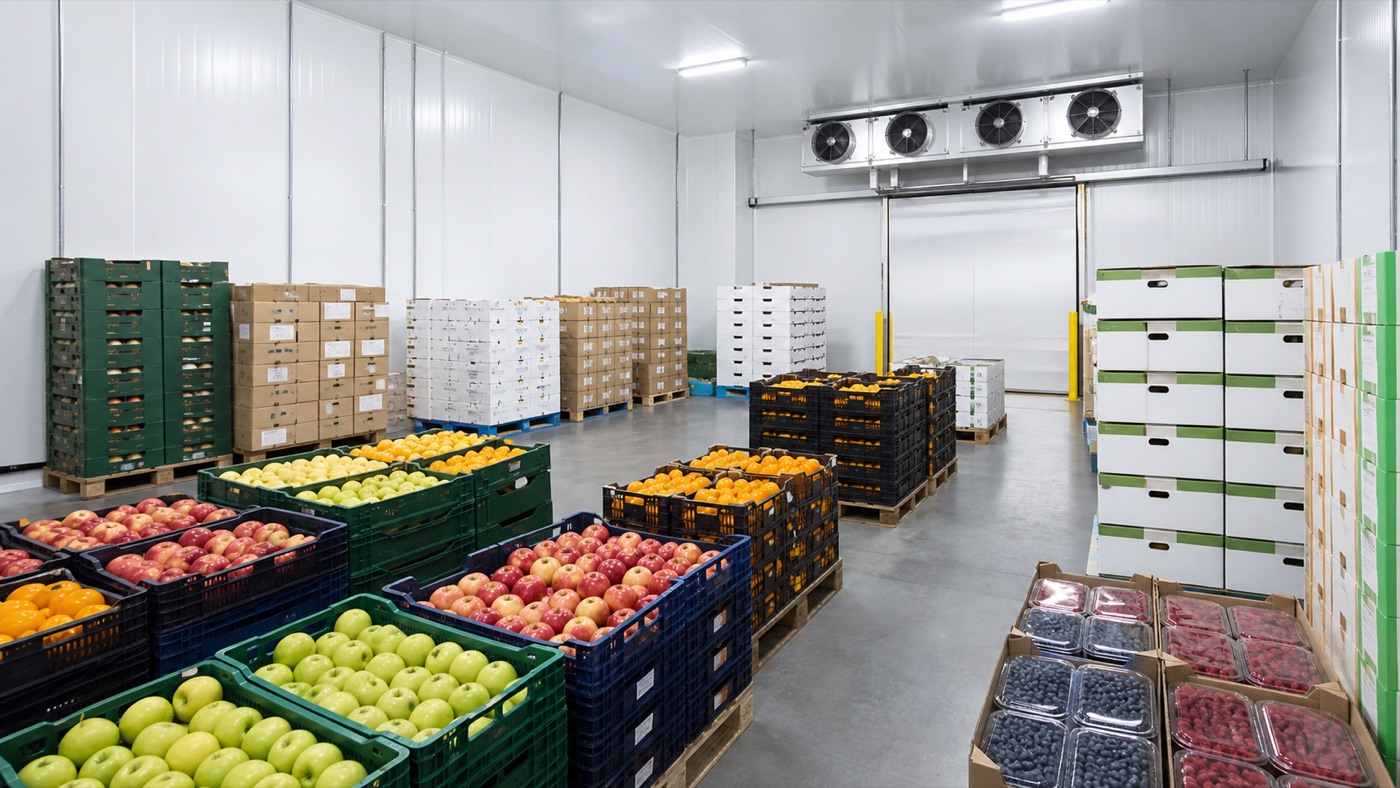
Cold storage for fruits is different from general frozen storage. Fruit is a living product after harvest. It continues to breathe, release moisture, and in many cases produce ethylene. A cold room that works well for meat or packaged drinks may not be suitable for apples, berries, citrus, mangoes, or bananas. For fruit exporters, farms, distributors, and food service suppliers, the cold room must protect product quality while keeping operating cost under control.
A practical fruit cold room is designed around the product, not only the room size. The designer needs to understand the fruit variety, harvest condition, incoming temperature, packaging, daily loading volume, target storage time, humidity requirement, and local climate. If these details are ignored, the room may look correct on paper but still cause dehydration, condensation, uneven ripening, or short shelf life.
JiangNan manufactures insulated cold room panels, doors, and refrigeration systems for food and agricultural cold storage projects. This guide explains the main points buyers should confirm when planning cold storage for fruits.
Why Fruits Need Careful Cold Storage
Most fruits are sensitive to temperature and humidity. Low temperature slows respiration and helps extend storage life, but the correct temperature depends on the fruit. Some fruits tolerate near-zero chilled storage, while others suffer chilling injury if kept too cold. Humidity also matters. If the air is too dry, fruit loses weight and appearance. If airflow and drainage are poor, condensation and mold risk may increase.
The goal is not simply to make the room cold. The goal is to keep the fruit in a stable environment from receiving to dispatch. That includes pre-cooling, storage, sorting, packing, and loading. A good cold room layout reduces temperature swings when doors open and helps the refrigeration system recover quickly after new product enters the room.
Typical Fruit Storage Conditions
The table below gives general reference ranges only. Actual settings should be confirmed according to fruit variety, maturity, packaging, storage duration, and local post-harvest guidance. Do not treat these values as a substitute for a professional crop-specific storage plan.
| Fruit Type | Typical Storage Concern | Design Note |
|---|---|---|
| Apples | Longer storage, ethylene management | Stable temperature, humidity control, and good airflow |
| Berries | Very short shelf life, moisture sensitivity | Fast pre-cooling and gentle airflow are important |
| Citrus | Peel condition and mold risk | Avoid condensation and maintain clean storage conditions |
| Mangoes | Chilling injury risk if too cold | Temperature must match maturity and market timing |
| Bananas | Ripening control | Do not design as a simple low-temperature room |
For broader background, see FAO’s guidance on harvest and post-harvest handling of fresh fruits and vegetables.
Pre-Cooling Before Fruit Storage
One of the most common mistakes is putting warm fruit directly into a storage room and expecting the room to pull down the temperature quickly. A storage room is not always designed as a pre-cooling room. If large volumes of warm fruit enter at once, the refrigeration system may run for long periods, room temperature may rise, and already-cooled fruit can be affected.
For farms and packing houses, pre-cooling should be discussed before equipment selection. Some fruits benefit from forced-air cooling or dedicated pre-cooling areas. Others may be loaded into a chilled room in smaller batches. The correct method depends on the fruit, packaging, harvest temperature, and daily volume.
Humidity and Weight Loss
Fresh fruit can lose water during storage. This reduces saleable weight and can affect appearance. A fruit cold room should maintain suitable relative humidity while still avoiding condensation. The balance is important. Too little humidity causes shrinkage and softness. Too much moisture on surfaces can increase mold and packaging damage.
Panel joints, door sealing, airflow pattern, evaporator selection, and drainage all influence humidity behavior. In a hot climate, door openings can bring in warm humid air quickly. This is why door type, traffic flow, and loading discipline matter as much as the refrigeration unit.
Ethylene Control and Product Separation
Some fruits produce ethylene and some are sensitive to it. Mixing the wrong products in one room can speed ripening or reduce quality. Apples, bananas, and some tropical fruits require careful planning. A buyer should not assume that all fruit can be stored together because the temperature looks similar.
For multi-fruit distributors, separate rooms are often more practical than one large shared room. Where separation is not possible, operators should manage storage time, ventilation, and product rotation carefully. Ethylene control equipment may be considered for certain projects, but the first step is always correct product grouping and room planning.
Fruit Cold Room Design Details
Insulated Panels
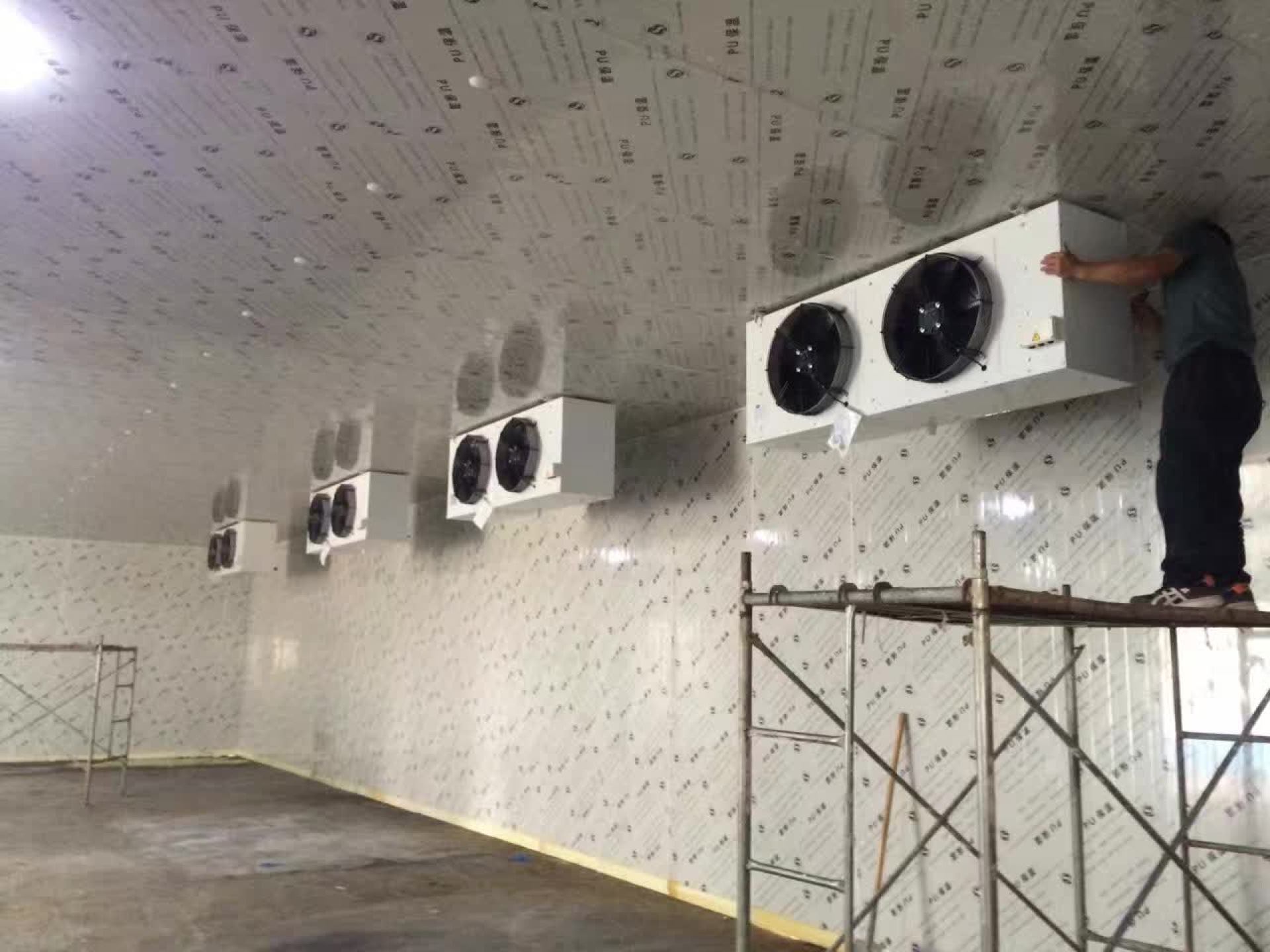
Cold room panels should be selected according to target temperature, ambient temperature, and energy expectations. In tropical regions or hot warehouses, better insulation can reduce heat gain and help the room stay stable. See our cold room panel page for related product information.
Cold Room Doors
Fruit cold rooms often have frequent trolley or pallet movement. The door must match the operation. A small hinged door may work for a small farm room, while a sliding door is often better for distributors using trolleys or forklifts. Good door sealing helps reduce warm air entry and moisture problems. See our cold room sliding door page for examples. For fruit projects that also control oxygen and carbon dioxide, compare a controlled atmosphere door with standard chilled-room access.
Airflow
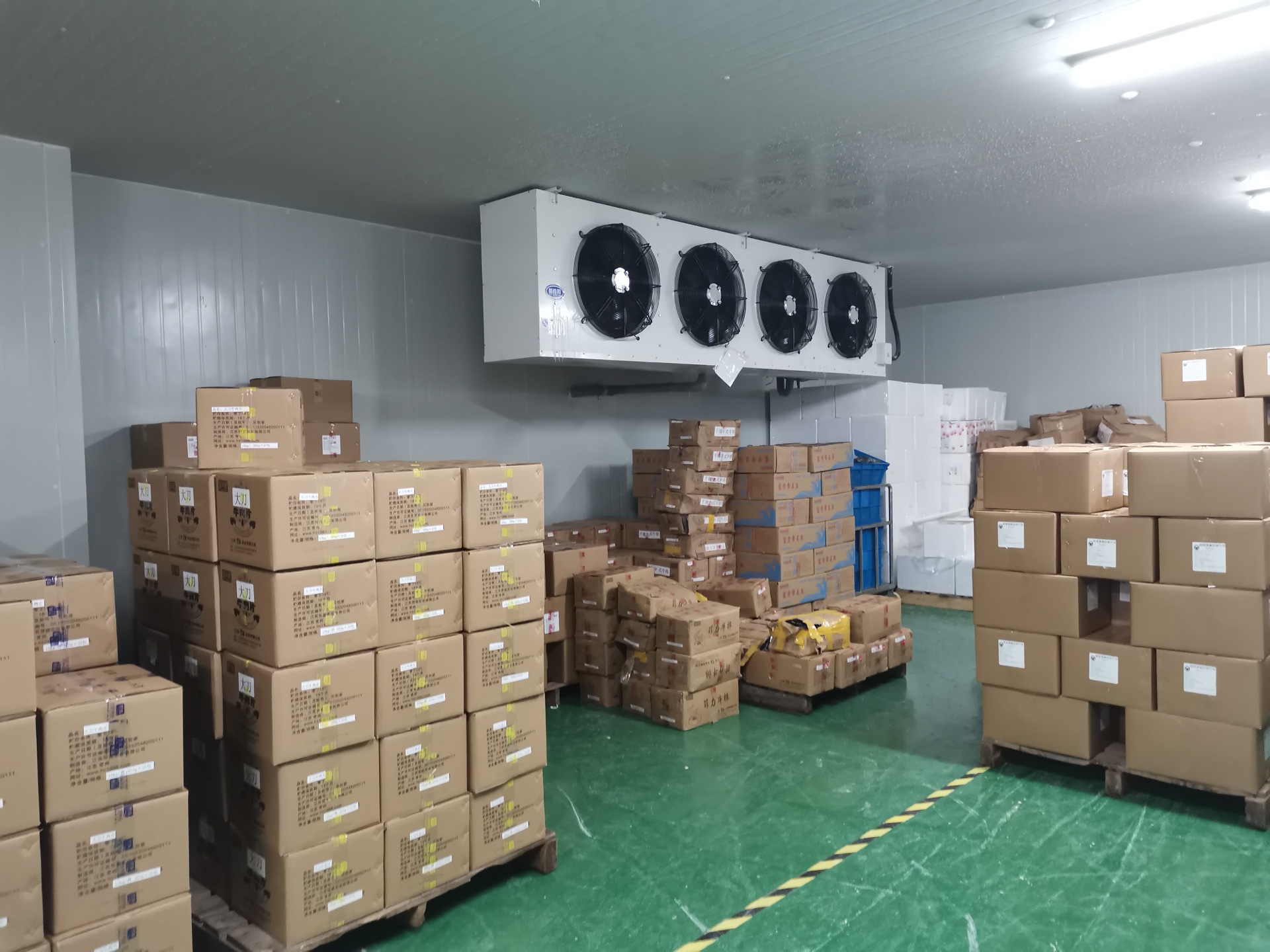
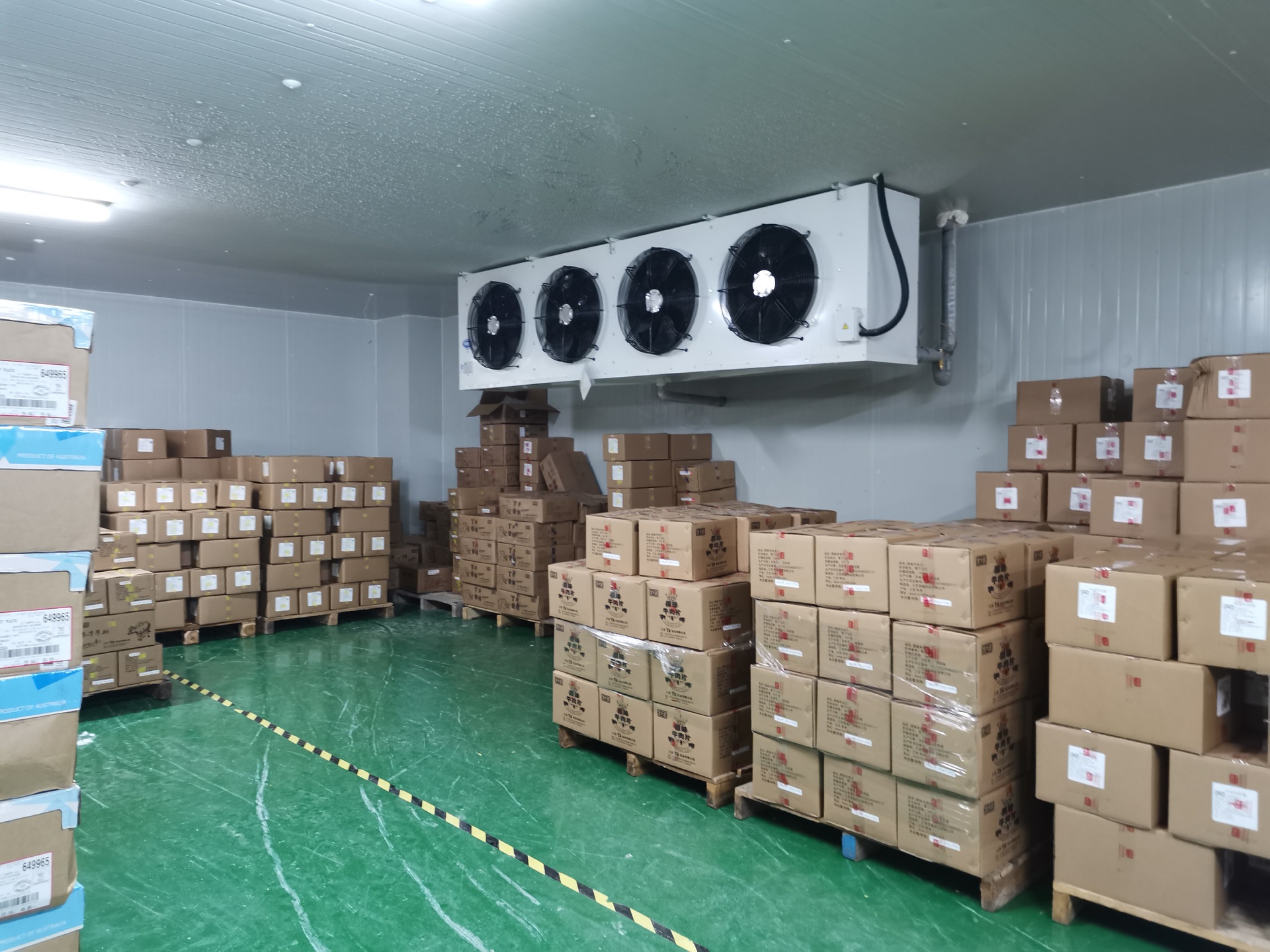
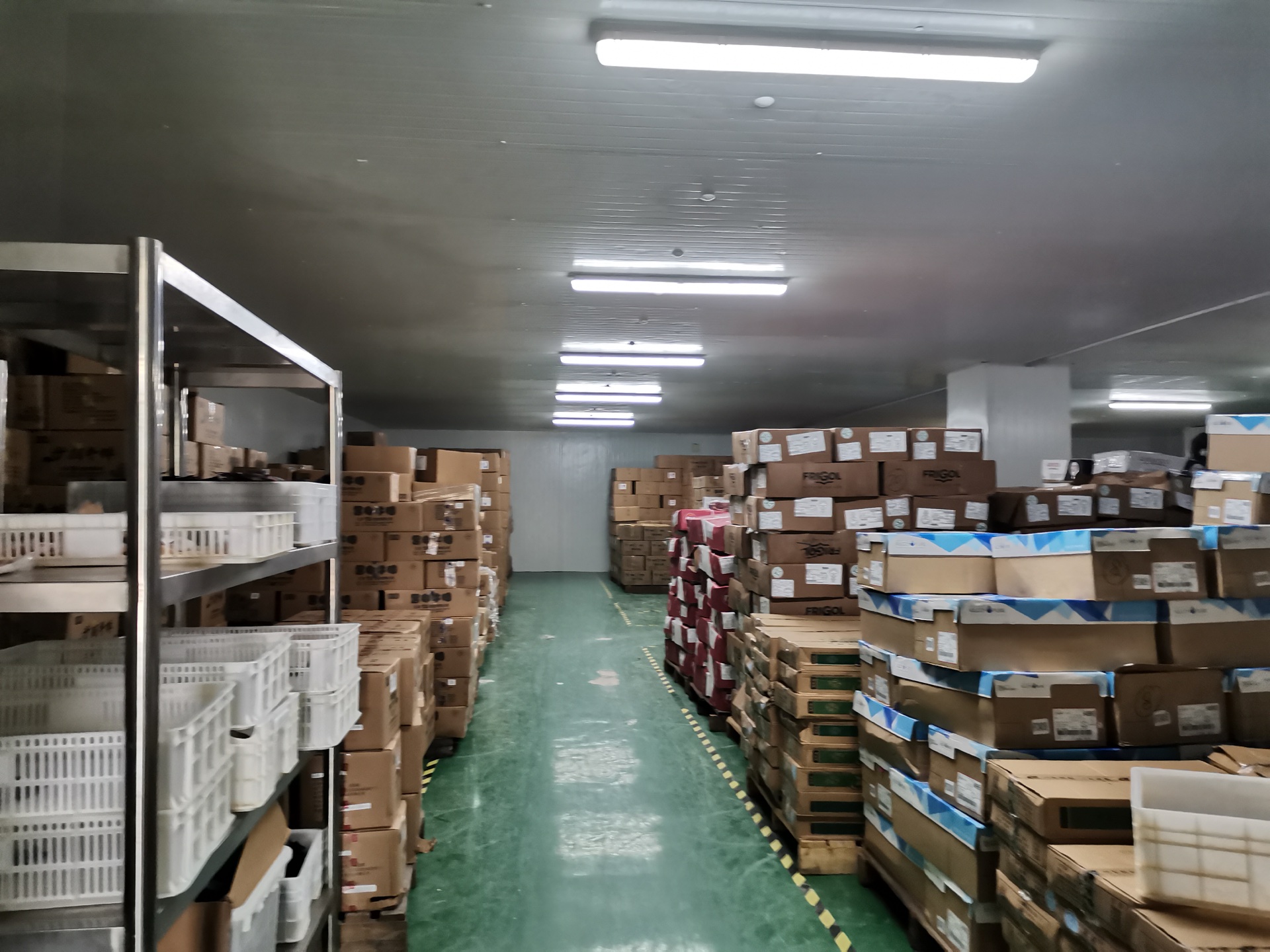
Airflow should be strong enough to maintain temperature but not so aggressive that it dries exposed fruit. Pallet spacing, shelving, evaporator position, and loading height affect air distribution. If products are stacked too close to the ceiling or wall, some areas may stay warmer than others.
Floor and Drainage
Fruit storage areas may involve wet cartons, cleaning water, or condensation. The floor should support the expected traffic and allow cleaning. Drainage should be planned so water does not collect near doors or panel joints. Poor drainage is a small design issue that can become a daily operation problem.
Energy Saving in Fruit Cold Storage
Energy saving starts with correct room design. Good insulation, proper door selection, suitable refrigeration capacity, and stable loading habits all reduce running cost. Buyers sometimes focus only on compressor power, but air leakage and door traffic can waste a large amount of energy over time.
For projects in hot climates, the difference between a carefully sealed room and a loose room is especially noticeable. Door curtains, better traffic planning, and keeping warm product out of the storage room until the right time can help control energy use.
Common Mistakes When Building Fruit Cold Rooms
- Using one room for fruits with different temperature or ethylene requirements.
- Putting warm harvest product into a storage room without a pre-cooling plan.
- Ignoring humidity and focusing only on temperature.
- Choosing a door that is too small for real loading traffic.
- Blocking airflow with over-stacked pallets or cartons.
- Forgetting high ambient temperature when selecting panels and refrigeration equipment.
Export Fruit Projects and Container Logistics
For fruit exporters, the cold room is only one part of the cold chain. The room must support receiving, sorting, pre-cooling, packing, and loading into refrigerated trucks or containers. If the cold room is far from the loading door, fruit may warm up during transfer. If the loading schedule is not organized, doors may stay open too long and humidity can rise quickly.
Export projects also need practical packing and service planning. Panel dimensions should fit container loading, spare accessories should be labeled clearly, and local installers should receive drawings before the cargo arrives. For remote farms or island projects, a simple and serviceable design is often more valuable than a complicated system that is difficult to maintain.
Image Suggestions
| Image File Name | Alt Text | Where to Insert |
|---|---|---|
| fruit-cold-storage-room-pallets.jpg | cold storage for fruits with palletized fresh produce | After introduction |
| apple-cold-room-humidity-control.jpg | apple cold room with humidity control and organized airflow | Humidity section |
| fruit-cold-room-sliding-door.jpg | sliding door for fruit cold room loading area | Door section |
FAQ: Cold Storage for Fruits
Can all fruits be stored in the same cold room?
No. Different fruits have different temperature, humidity, and ethylene requirements. Some fruits should not be stored together, especially when one product produces ethylene and another is sensitive to it.
Is a fruit cold room the same as a freezer room?
No. Fruit cold storage usually requires chilled conditions, humidity attention, and gentle airflow. A freezer room is designed for frozen products and is not suitable for most fresh fruit storage.
Why is pre-cooling important for fruits?
Pre-cooling removes field heat before storage. Without it, warm fruit can raise room temperature, increase refrigeration load, and affect already-cooled products.
What information is needed for a fruit cold room quotation?
Useful details include fruit type, room size, target temperature, humidity requirement, daily loading volume, harvest temperature, storage duration, door traffic, site voltage, and project location.
Need Cold Storage for Fruits?
JiangNan provides insulated cold room panels, cold room doors, and refrigeration systems for fruit farms, packing houses, distributors, and fresh produce cold chain projects.
Send us your fruit type, room size, target temperature, loading volume, and project location. We can recommend a practical fruit cold storage design for your project.