
Cold Room Panel
JiangNan manufactures PU and PIR insulated cold room panels for chiller rooms, freezer rooms, food processing rooms, logistics warehouses, and modular cold storage projects. This page focuses on practical engineering details: panel thickness, steel skin, PU density, cam lock joints, production control, packing, container loading, and the project data needed for an accurate factory quotation.
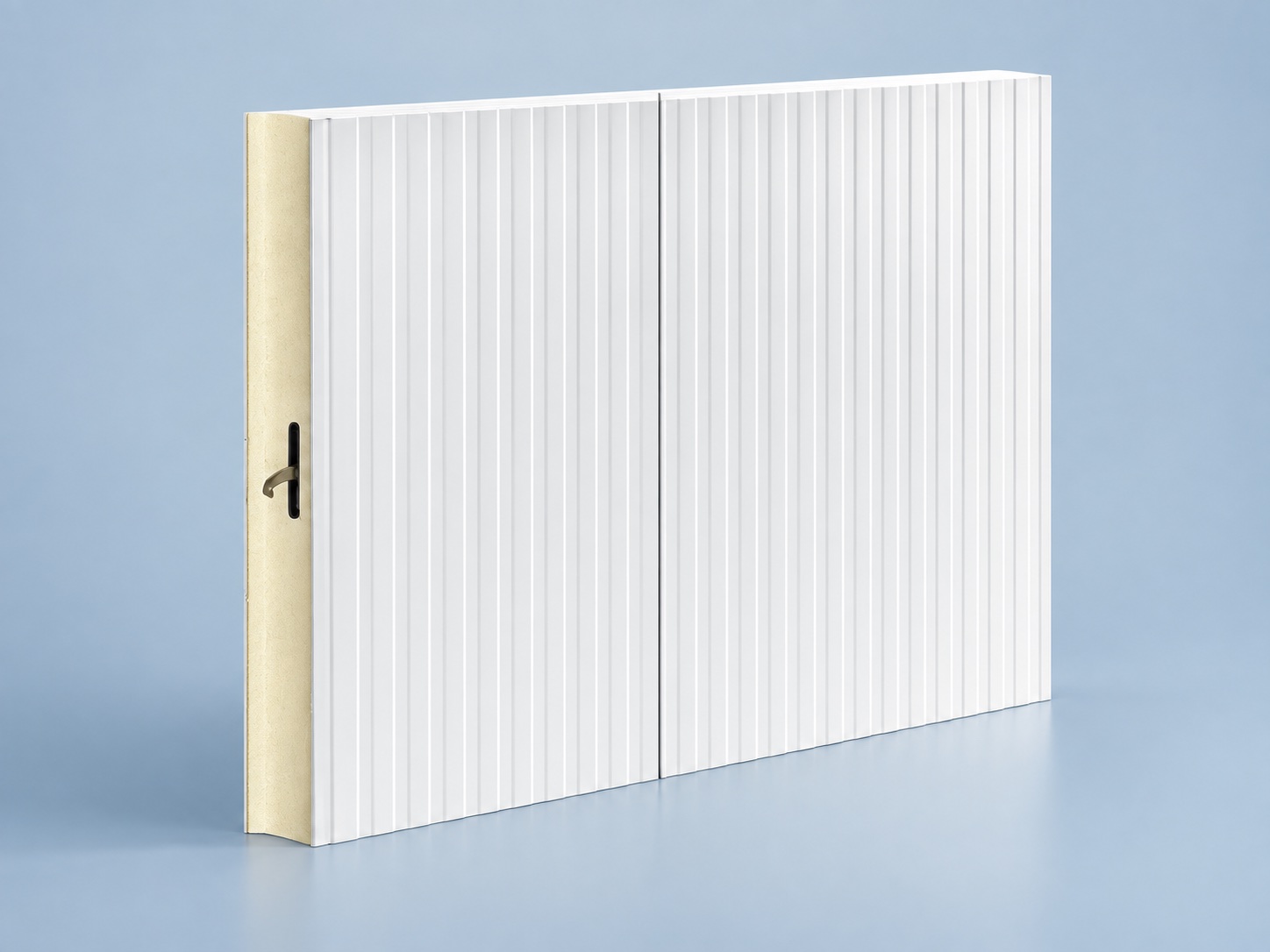
Technical Specifications
Confirm the specification before comparing prices. A quotation should show panel thickness, steel thickness, density, surface material, joint type, and temperature range. If these items are missing, two suppliers may be quoting different products.
| Panel Thickness | 50 mm, 75 mm, 100 mm, 120 mm, 150 mm, 200 mm. Custom thickness can be reviewed according to temperature and project duty. |
|---|---|
| PU Density | Typical rigid polyurethane foam density is 40 ± 2 kg/m³. Density should be written in the quotation and checked by production batch control. |
| Thermal Conductivity | Typical PU core reference value around 0.022 W/(m·K). Actual room performance also depends on joint sealing, floor insulation, door use, and installation quality. |
| Steel Thickness | 0.4-0.8 mm color steel or stainless steel according to application. 0.5 mm is common for many wall and ceiling panels; thicker steel is used for higher impact or frequent cleaning. |
| Surface Material | Color coated steel, stainless steel, embossed aluminum, anti-slip aluminum floor surface, or other project-specified sheet. |
| Joint Type | Cam lock tongue-and-groove joint for modular cold rooms. Non-cam-lock interlocking profiles can be reviewed for larger engineering projects. |
| Effective Width | Common effective width around 960 mm, 1000 mm, or 1120 mm depending on panel line and profile. Confirm before final layout drawings. |
| Maximum Length | Project-based custom length. Practical length depends on container loading, site access, unloading equipment, and panel handling risk. |
| Temperature Range | Typical use from +15°C service rooms to below -35°C low-temperature rooms when panel thickness and floor insulation are correctly selected. |
| Fire Rating | PU or PIR options are available. PIR is recommended where improved fire performance is required. Final rating should follow project standard and local regulation. |
Cold Room Panel Installation References
Explore documented panel enclosures, floor arrangements and installation details. Use these references to explain your project, then confirm the required specification with us.
Insulated Panel Room Installation
Insulated panel partitions being assembled inside an existing building.
View documented project- Visible details
- Panel partitions and on-site assembly
- Reference type
- Installation photographs
Walk-In Cold Room with Insulated Floor Panels
A walk-in enclosure showing insulated wall, ceiling and floor panels.
View documented project- Visible details
- Insulated floor, wall and ceiling panels
- Reference type
- Installation photographs
Multi-Room Cold Storage Facility with Sliding Doors
Panel-lined rooms and corridors with sliding access doors and visible cooling equipment.
View documented project- Visible details
- Room layout, panel joints and sliding doors
- Reference type
- Installation photographs
Request a Cold Room Panel Quotation
Send your cold room size and temperature requirement. JiangNan will provide a panel layout suggestion and quotation within 24 hours.
For faster quotation, include a simple sketch, door size, surface requirement, destination country, and whether you need panels only or a complete cold room solution.
Cold Room Panel Factory Photos
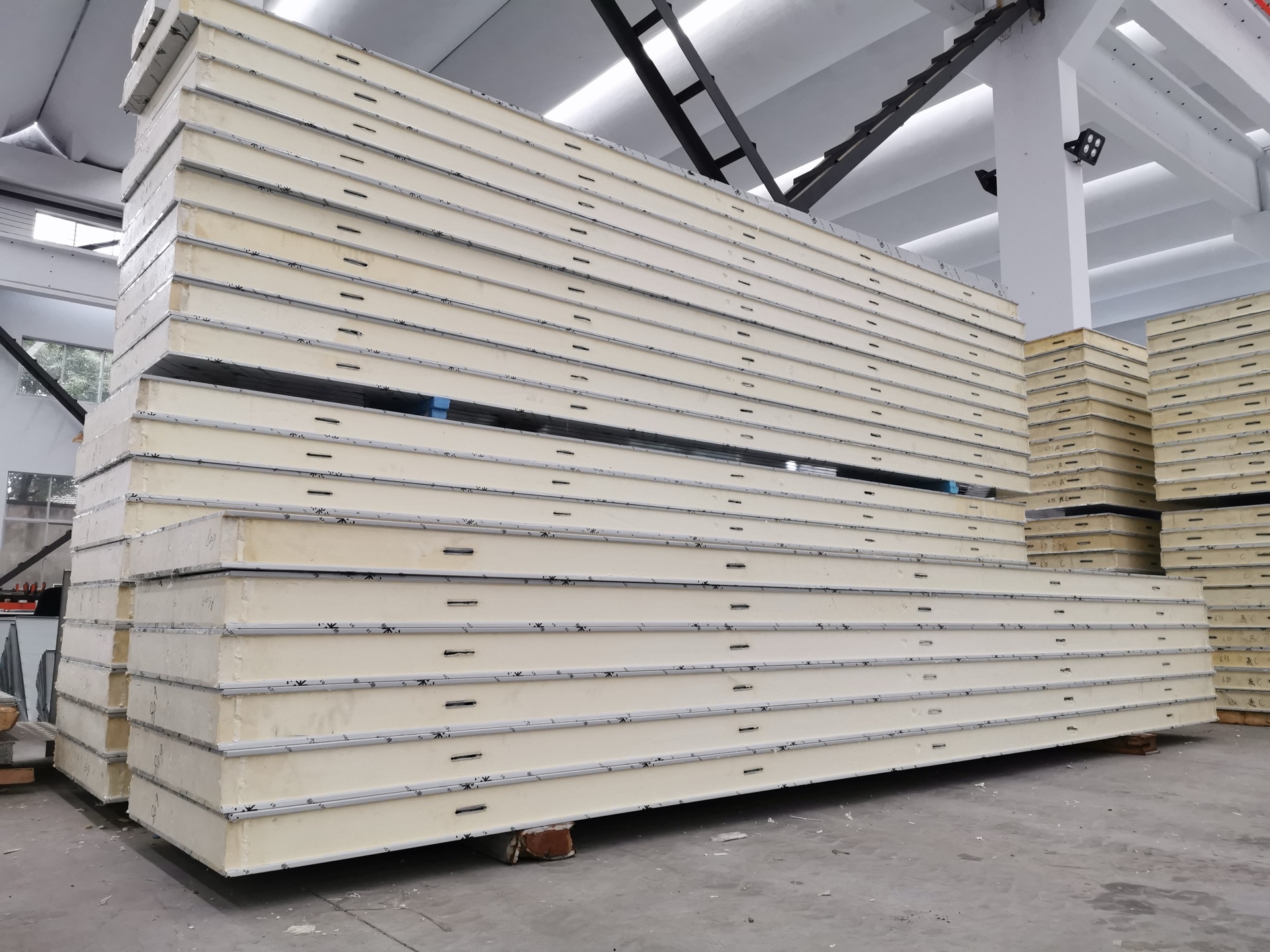
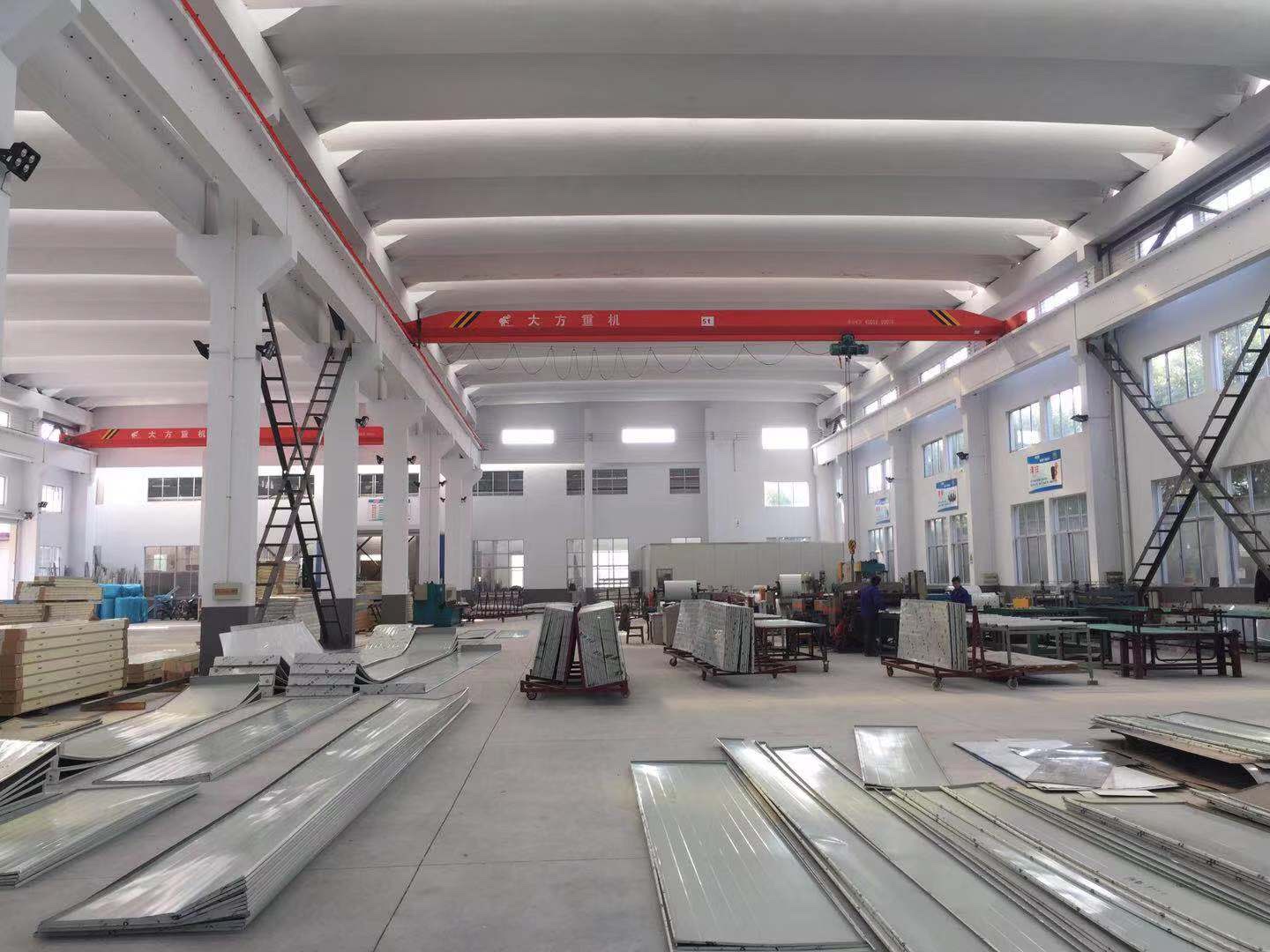
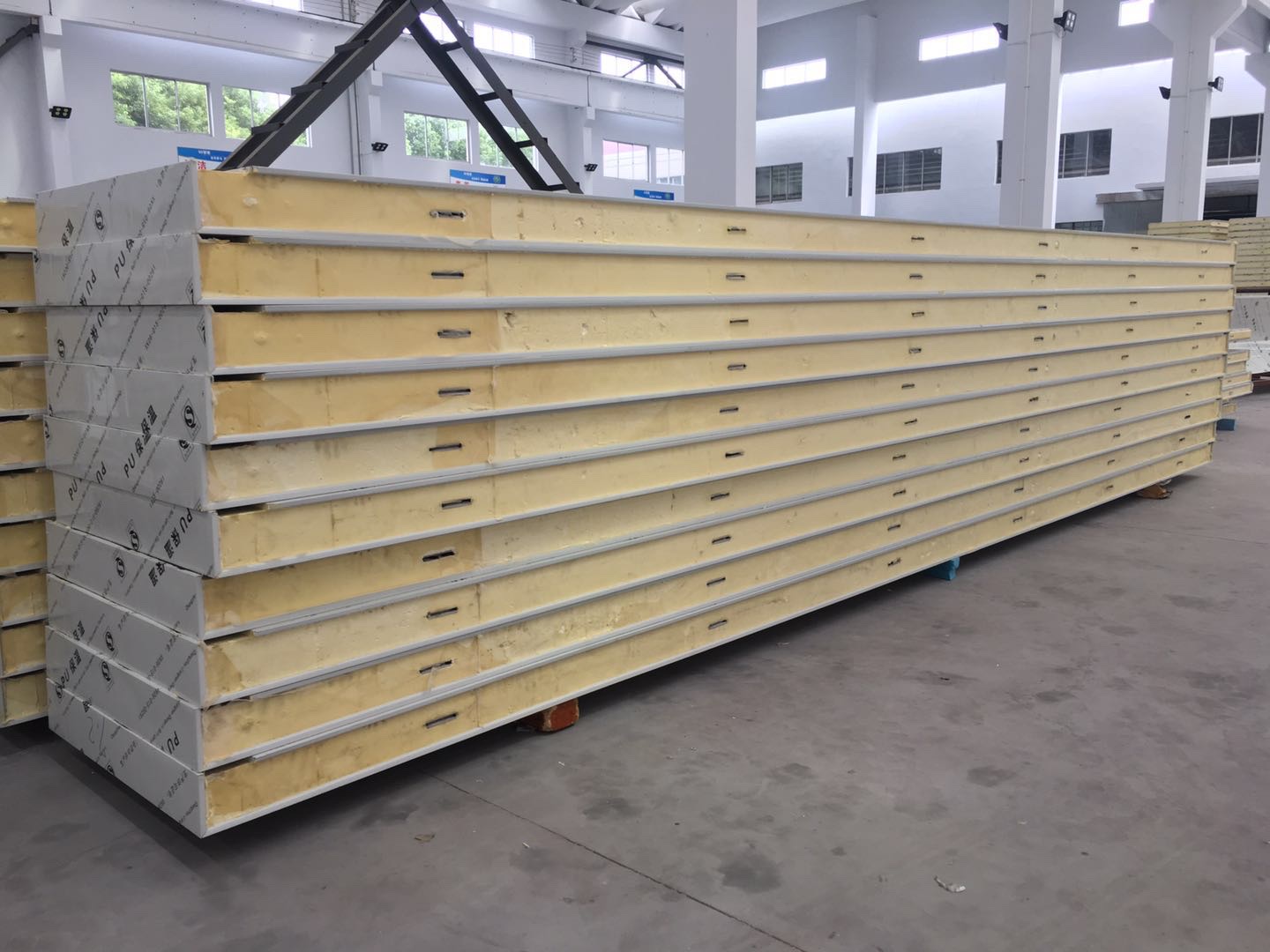
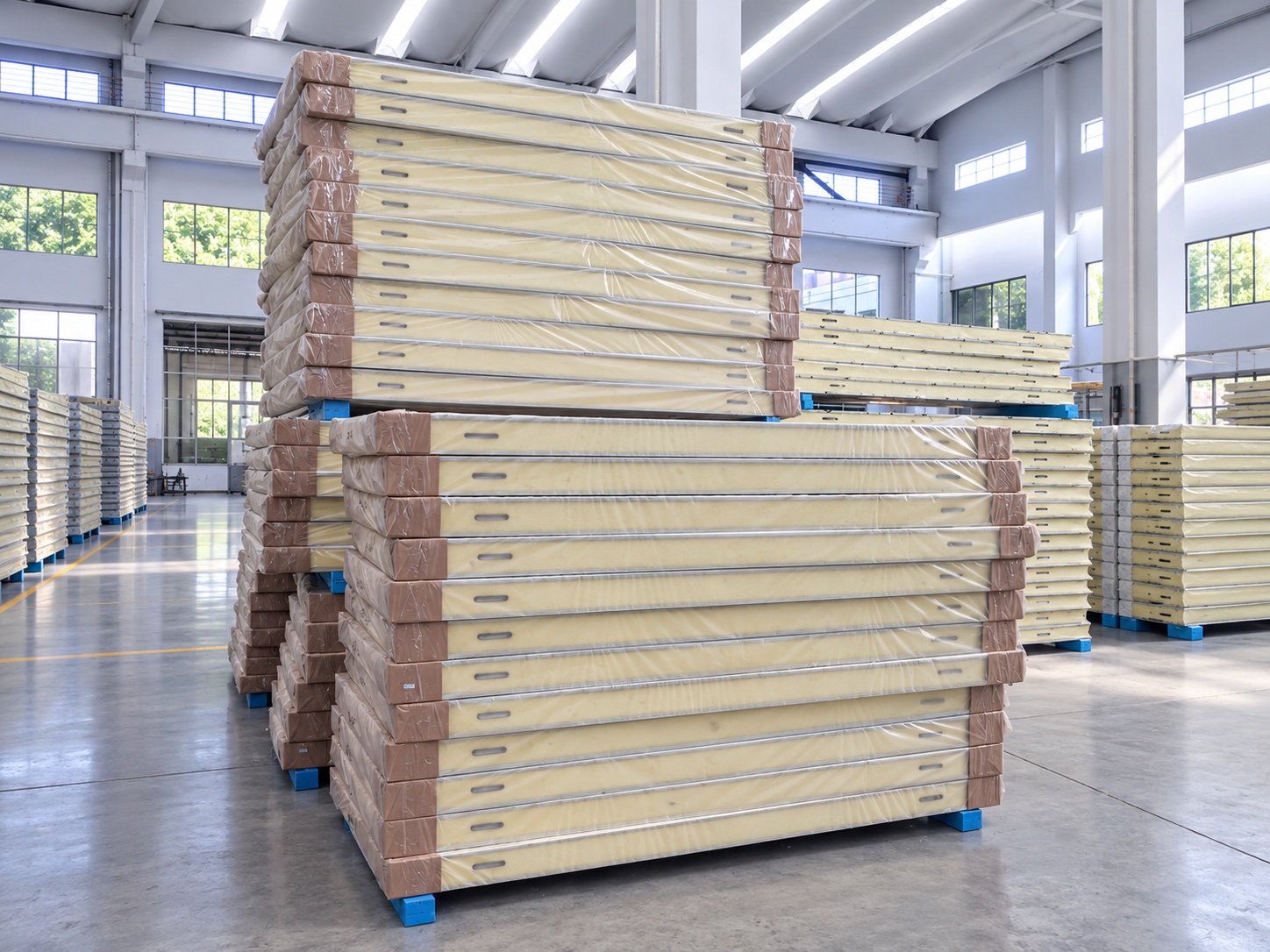
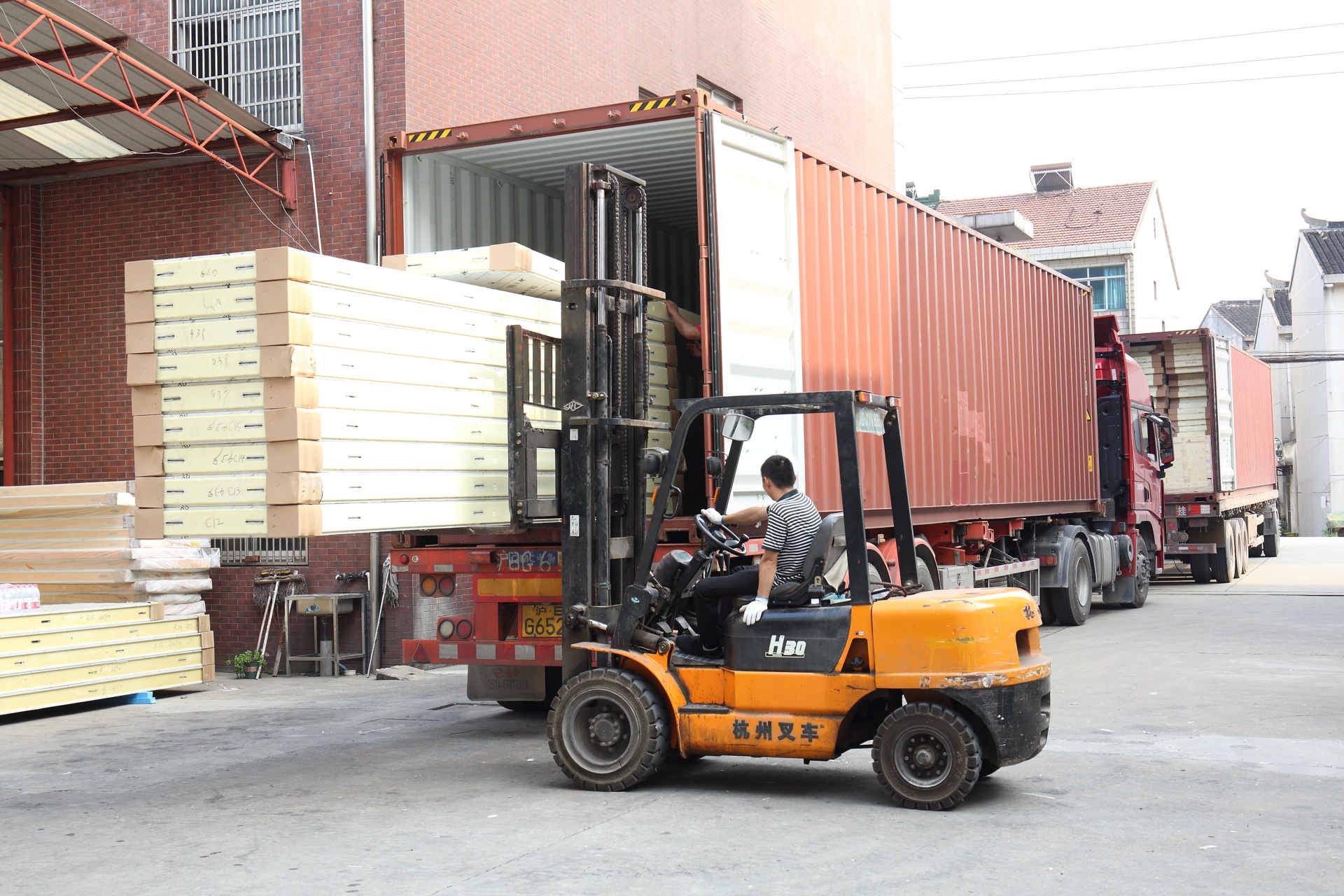
These photos use existing JiangNan media-library images and real factory or shipment scenes. They are included to show how the panel system is produced, checked, packed, and prepared for export, instead of relying on generic catalogue illustrations.
Panel Thickness Selection Guide
The table below is a practical starting point for buyers. Final selection should also check room size, ambient temperature, door opening frequency, stored product, floor insulation, and whether the room is only storage or also processing.
| Panel Thickness | Recommended Temperature | Typical Use | Selection Note |
|---|---|---|---|
| 50 mm | +10°C to +15°C | Processing rooms, packing rooms, air-conditioned storage | Use only when low-temperature insulation is not required. |
| 75 mm | 0°C to +10°C | Fruit, vegetable, dairy, beverage, and supermarket chillers | Common chiller choice when door opening is moderate. |
| 100 mm | -18°C to 0°C | High-duty chillers, light freezer rooms, buffer rooms | Choose when ambient temperature is high or energy cost matters. |
| 150 mm | -35°C to -18°C | Standard freezer rooms and low-temperature storage | Check door heating, floor insulation, and vapor barrier together. |
| 200 mm | Below -35°C | Blast freezer enclosure, ultra-low storage, heavy-duty freezer rooms | Use with engineered refrigeration load calculation and floor frost protection. |
Engineering Selection Notes
Do not select by price only
A thin panel can reduce the first purchase cost but increase compressor running time, door sweating, and frost around joints. Check temperature, usage time, door frequency, and local ambient conditions before confirming thickness.
Match surface material to cleaning
Color steel is suitable for many storage rooms. Stainless steel is recommended for seafood, meat, frequent wash-down, or corrosive areas. Anti-slip aluminum is used for traffic floor panels.
Plan long panels before production
Maximum length is not only a factory issue. Long panels must fit container loading, unloading equipment, site access, and installation sequence. Confirm this before final cutting.
Seal every thermal bridge
Door frames, floor-wall joints, ceiling suspension, pipe openings, corners, and cable penetrations must be sealed. Many cold room problems start from these small details, not from panel thickness alone.
Factory QC and Export Packing Checks
Cold room panels should be checked before packing, because many site problems are expensive to correct after the container arrives. JiangNan normally reviews the panel schedule, thickness, surface material, lock direction, panel quantity, door opening position, and special cutting requirements against the project drawing before final packing. For export projects, this step helps reduce missing panels, wrong corner pieces, and installation delays.
Panel schedule check
The packing list should match the wall, ceiling, corner, and floor-panel layout. If the buyer sends a revised drawing, panel quantity and maximum length must be rechecked before production is closed.
Surface protection check
Color steel, stainless steel, and aluminum surfaces need protective film and edge protection. Forklift handling and long-distance sea freight can damage panel corners if the package is not planned for unloading.
Cam lock and accessory check
Cam lock keys, sealant, trims, corner profiles, door frame parts, and installation accessories should be packed with clear labels. This is especially important when the site team is not the same team that ordered the room.
Container loading check
Panel length, package height, wood crate size, and unloading equipment are checked together. Long panels should not be designed only from room dimensions; they must also be practical for container loading and site handling.
Applications
- Seafood Cold Storage
- Meat Processing
- Dairy Storage
- Vegetable Storage
- Pharmaceutical Cold Room
- Logistics Warehouse
- Supermarket Cold Room
- Restaurant Walk-in Chiller
- Fruit Controlled-Atmosphere Storage
- Frozen Food Distribution Center
Why JiangNan
JiangNan can supply panels, doors, refrigeration equipment, accessories, and engineering support for complete cold room projects. This helps buyers match the insulated envelope with the door system, refrigeration load, and export packing plan.
Related Products
PU Cam Lock Panel
Fast-install modular insulated panel for standard chiller and freezer rooms.
Open productCustomized PU Panel
Custom thickness, surface, length, and project-specific panel configuration.
Open productPIR Panel
Insulated panel option for projects requiring improved fire performance.
Open productXPS Insulation Board
Rigid insulation board often used for cold room floor insulation.
Open productCold Room Sliding Door
Door system matched to panel thickness, temperature, and opening size.
Open productElectric Sliding Door
Automatic door option for large or high-frequency cold room openings.
Open productRelated Articles
Cold Room Temperature Guide
Temperature ranges for chilled, frozen, and special storage applications.
Read articleWalk-in Cold Room Guide
Basic design points for small and medium walk-in cold room projects.
Read articleWalk-in Freezer Guide
Freezer planning notes including insulation, door heating, and frost control.
Read articleLarge Cold Storage Guide
Engineering considerations for warehouse-scale cold storage buildings.
Read articleFAQ
What panel thickness should I use for a chiller room?
For most chiller rooms working around 0°C to +8°C, 75 mm or 100 mm PU panels are common. Choose 100 mm when ambient temperature is high, the room is large, the door opens frequently, or energy cost is a concern.
What panel thickness is recommended for a freezer room?
For -18°C to -25°C freezer rooms, 120 mm or 150 mm panels are normally considered. For lower temperature, long storage time, or hot climates, 150 mm or 200 mm may be more practical.
Can you produce panels according to my cold room drawing?
Yes. Send the room length, width, height, door position, ceiling height, target temperature, and any column or drain position. JiangNan can quote the panel set according to the drawing and suggest adjustments if the layout is difficult to install.
What is the difference between PU and PIR cold room panels?
PU panels are widely used because they provide good insulation and practical cost. PIR panels are selected when the project needs improved fire performance. The final choice should follow local fire requirements and project budget.
Which surface material should I choose?
Color steel is suitable for many standard storage rooms. Stainless steel is better for frequent washing, seafood, meat, or corrosive areas. Anti-slip aluminum is used for floor panels where people, carts, or pallets move inside the room.
Do cam lock panels leak cold air?
A cam lock joint can perform well when panels are produced accurately and installed correctly. Joint sealing, level floor, corner treatment, and door frame sealing are still important. Poor installation can cause leakage even when the panel itself is good.
Can cold room panels be used for both wall and ceiling?
Yes, insulated panels are commonly used for walls and ceilings. Ceiling span, suspension method, lighting, evaporator position, and maintenance access should be checked so the ceiling panel is not overloaded.
How should panels be packed for export?
Panels should be protected against surface scratches, edge damage, and moisture during container loading. Long panels need careful handling. If unloading equipment is limited at the destination, panel length should be planned before production.
Can JiangNan supply doors and refrigeration equipment together with panels?
Yes. JiangNan can supply cold room panels, sliding doors, hinged doors, electric doors, air coolers, condensing units, control boxes, and accessories so the buyer can match the room envelope and refrigeration system from one supplier.
What information is needed for an accurate quotation?
Please send country, room size, target temperature, stored product, panel thickness if known, surface material, door quantity and size, floor requirement, voltage, and drawings if available. With these details, the quotation will be closer to the real project cost.