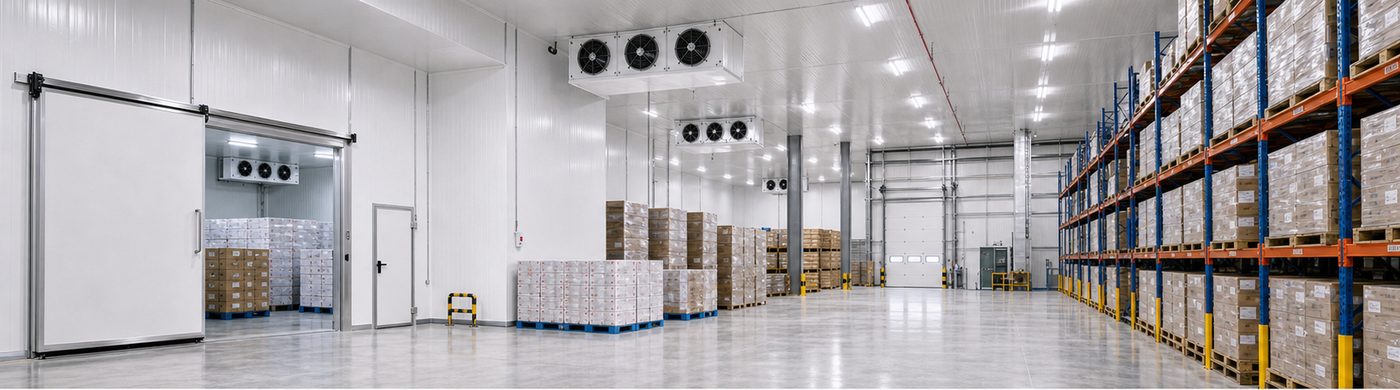
Large-Scale Cold Storage Warehouse System
A cold storage warehouse is a large refrigerated facility designed for inventory turnover, loading docks, pallet storage, multi-room temperature control and long-term operating cost control. JiangNan supports cold storage warehouse projects with insulated panels, doors, refrigeration equipment, air coolers, controls, project packing and engineering selection for frozen, chilled, seafood, meat, fruit, vegetable and pharmaceutical storage.
Multi-RoomChiller, freezer and loading zones
Warehouse ScalePanels, doors and refrigeration matched
Export SupportPacking, layout and equipment matching
Refrigerated Warehouse Engineering Overview
A cold storage warehouse is different from a small walk-in room because the heat load is created by many operating factors: pallet movement, loading dock doors, forklift traffic, product loading temperature, roof and wall exposure, defrost schedule and room zoning. A practical design must coordinate the building envelope, cold room panels, dock doors, insulated cold room doors, air cooler layout and refrigeration plant.For export and industrial projects, the buyer should not compare only panel price or compressor horsepower. Panel thickness, steel surface, door selection, vapor sealing, floor insulation, equipment access and service space all influence the warehouse operating cost. JiangNan reviews the stored product, target temperature, capacity, room division and site conditions before recommending a warehouse system.Multi-Zone Temperature Design
Warehouse projects may include frozen rooms, chiller rooms, pre-cooling rooms, loading docks and packing areas with different temperature targets.Insulated Building Envelope
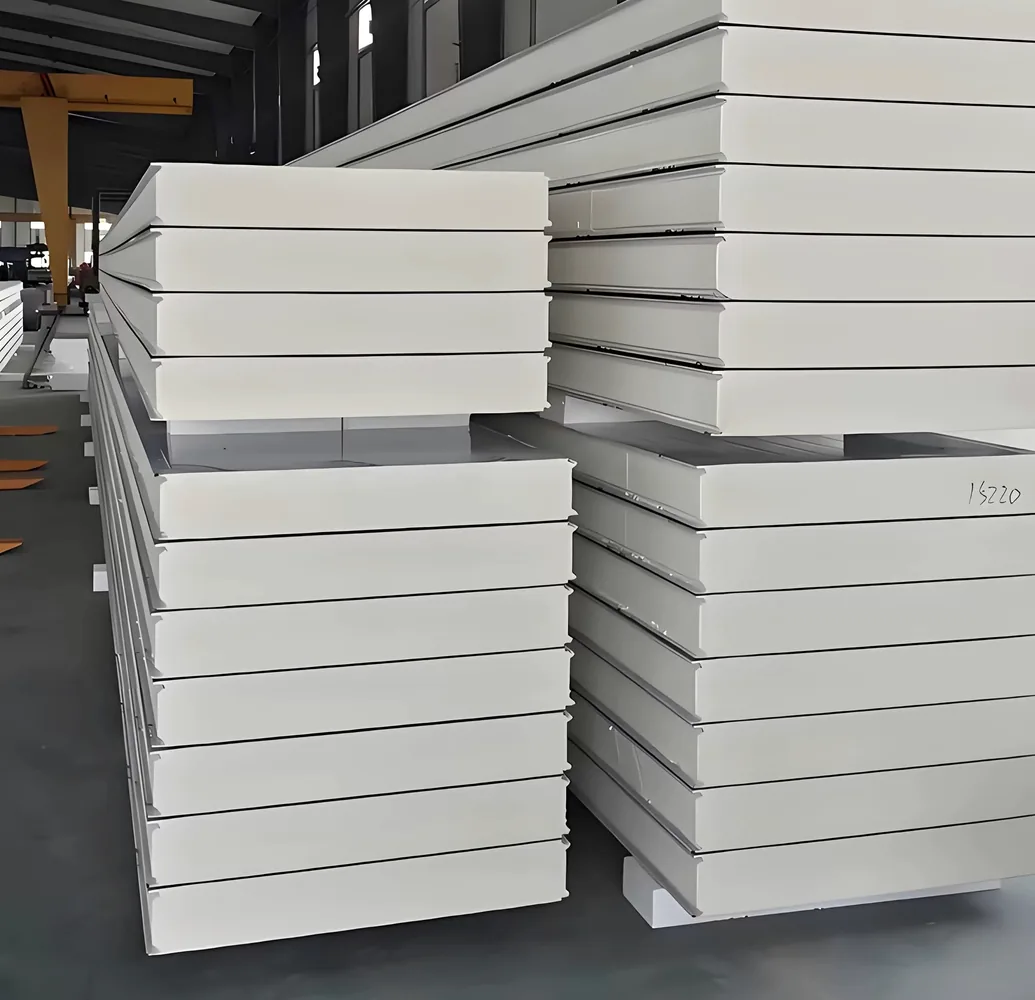
PU or PIR panels, roof/ceiling support, floor insulation and vapor sealing reduce heat gain and protect long-term operation.Door and Dock Control
Sliding doors, electric doors, dock shelters or air curtains can be reviewed according to forklift traffic and loading frequency.System-Level Refrigeration
Air coolers, condensing units, defrost method, control panel and drainage are selected according to room-by-room load.Technical Specifications
Final warehouse design should be confirmed by capacity, room layout, product load, local climate and daily logistics operation. The table below gives the normal engineering reference for quotation.| Panel Thickness | 75 mm, 100 mm, 120 mm, 150 mm or 200 mm according to temperature and warehouse zone |
|---|---|
| Steel Thickness | Commonly 0.4 mm to 0.6 mm; stainless steel or reinforced surface available for hygienic or high-traffic areas |
| PU Density | Typically 40-45 kg/m³ for PU insulated cold room panels |
| Thermal Conductivity | Low thermal conductivity PU/PIR insulation, normally around 0.022 W/(m·K) depending on material |
| Fire Rating | PU or PIR option selected according to local specification and fire documentation requirement |
| Joint Type | Cam-lock or tongue-and-groove panel joint with sealant and vapor sealing detail |
| Available Width | Common modular panel width around 960 mm to 1200 mm depending on production specification |
| Maximum Length | Project-based; long panels should be reviewed for container loading and site handling |
| Surface Materials | Color coated steel, stainless steel, embossed aluminum or project-specified metal finish |
| Operating Temperature | Chiller, freezer and low temperature warehouse zones from +10 °C to below -35 °C by design |
| Door System | Sliding door, electric sliding door, hinged door, dock door or heated freezer door according to traffic |
| Refrigeration System | Condensing unit, central refrigeration plant, air coolers, defrost system and controls selected by load calculation |
Related Cold Storage Warehouse Projects
| Project Reference | Temperature | Room Size | Panel Thickness | Short Description | Internal Link |
|---|---|---|---|---|---|
| Cold Room Project Gallery | 0 °C to -25 °C range | Confirmed by layout | 75 mm to 200 mm | Reference for large storage, multi-room layout and refrigeration engineering. | View Projects |
| Freezer Room Storage | -18 °C to -25 °C | Project dependent | 100 mm / 150 mm | Frozen warehouse room with stronger insulation and door heater review. | Freezer Room |
| Chiller Room Storage | 0 °C to +10 °C | Project dependent | 75 mm / 100 mm | Fresh food and dairy warehouse zones with stable airflow and humidity control. | Chiller Room |
| Modular Cold Room | 0 °C to -25 °C | Small to medium warehouse rooms | 75 mm to 150 mm | Prefabricated storage rooms with marked panels and export packing. | Modular Cold Room |
| Electric Sliding Door | Chiller and freezer access | Warehouse openings | Door thickness by design | Automatic door solution for frequent forklift and pallet traffic. | Electric Sliding Door |
Request a Cold Storage Warehouse Quotation
Send your warehouse layout, room temperature and storage requirement. JiangNan will provide a panel, door, refrigeration and quotation suggestion within 24 hours.CountryWarehouse layoutRoom temperatureStorage capacityProduct typeDoor trafficVoltageQuantity
Cold Storage Warehouse Factory and Component Photos
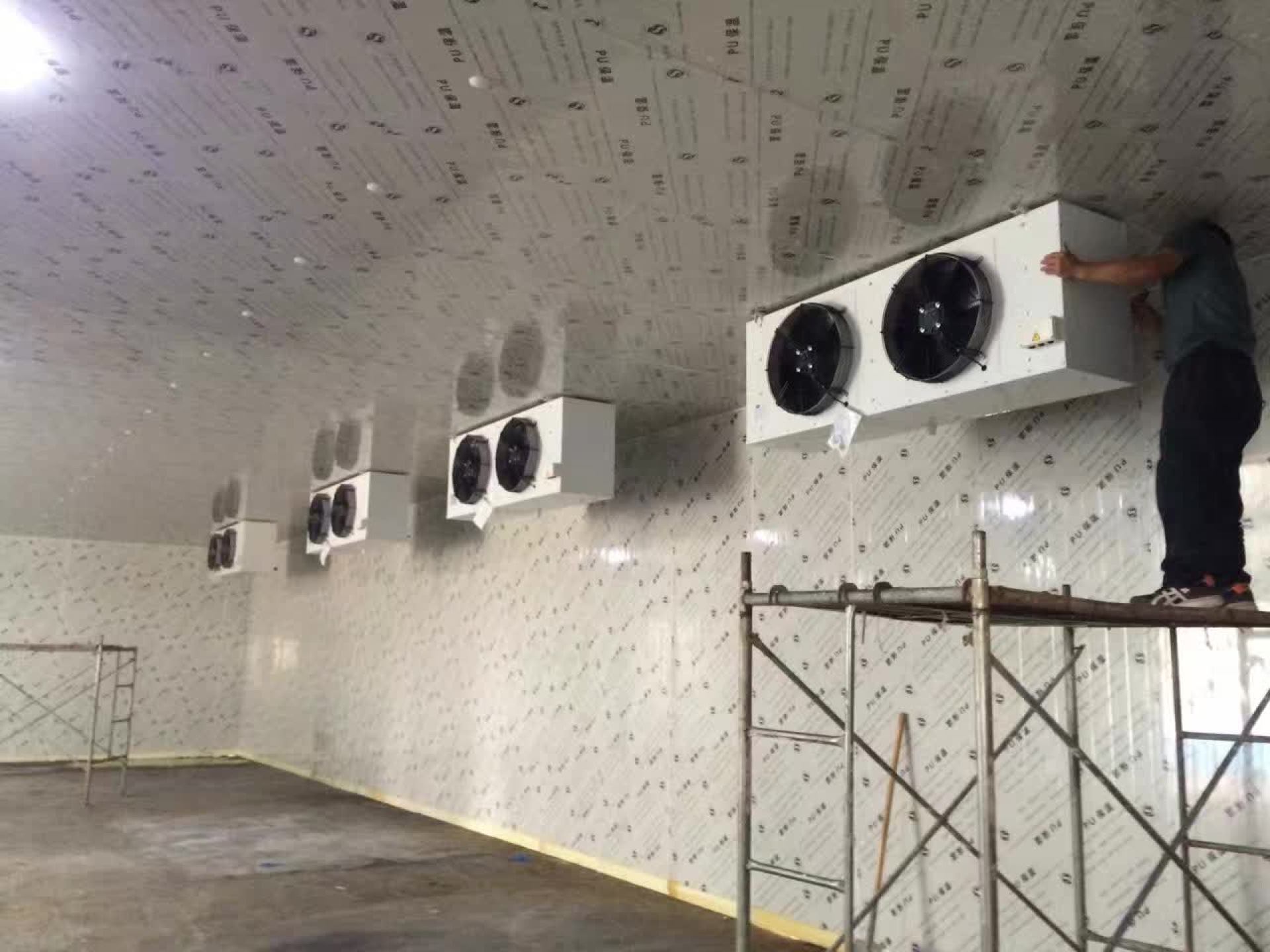
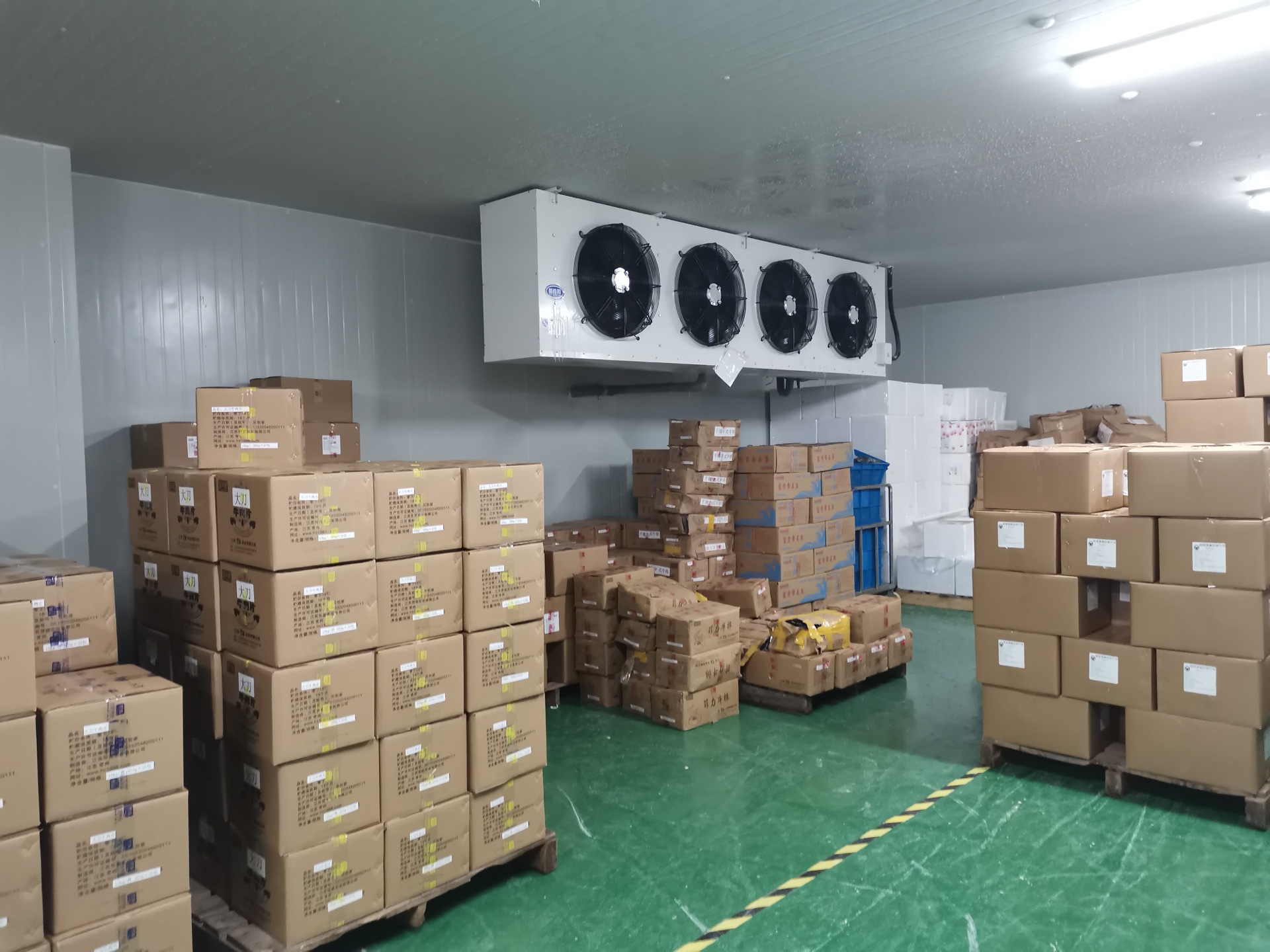
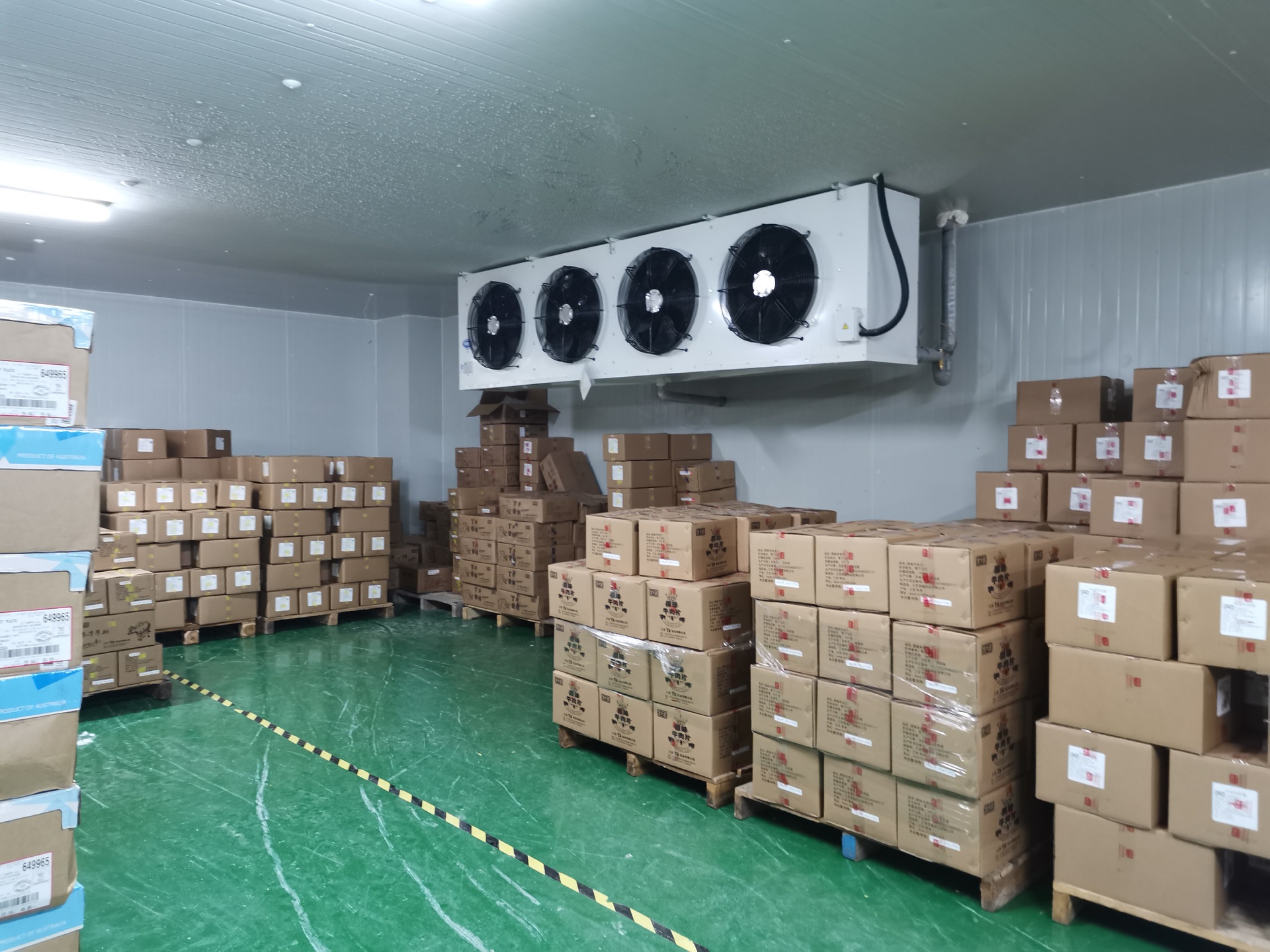
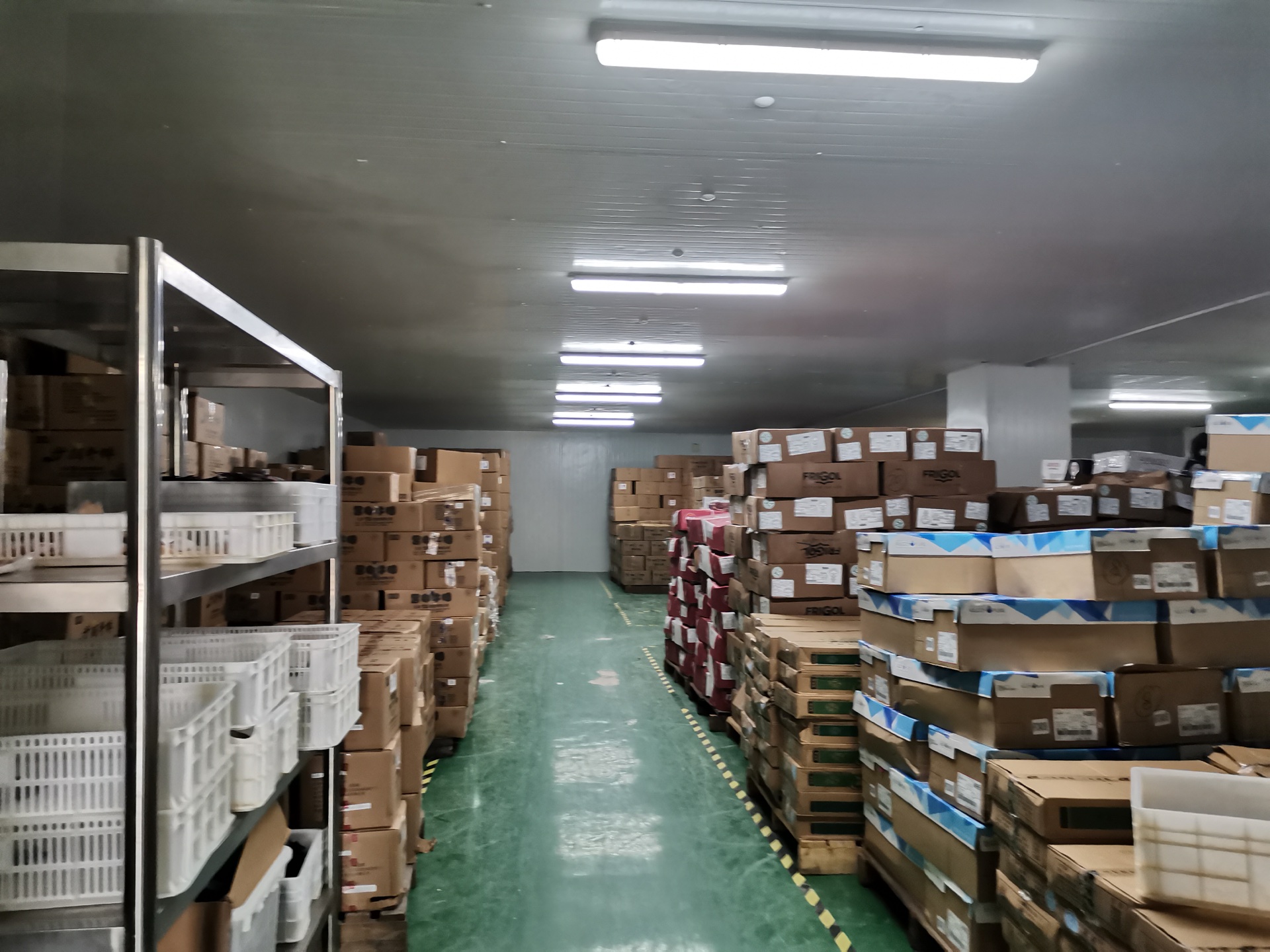
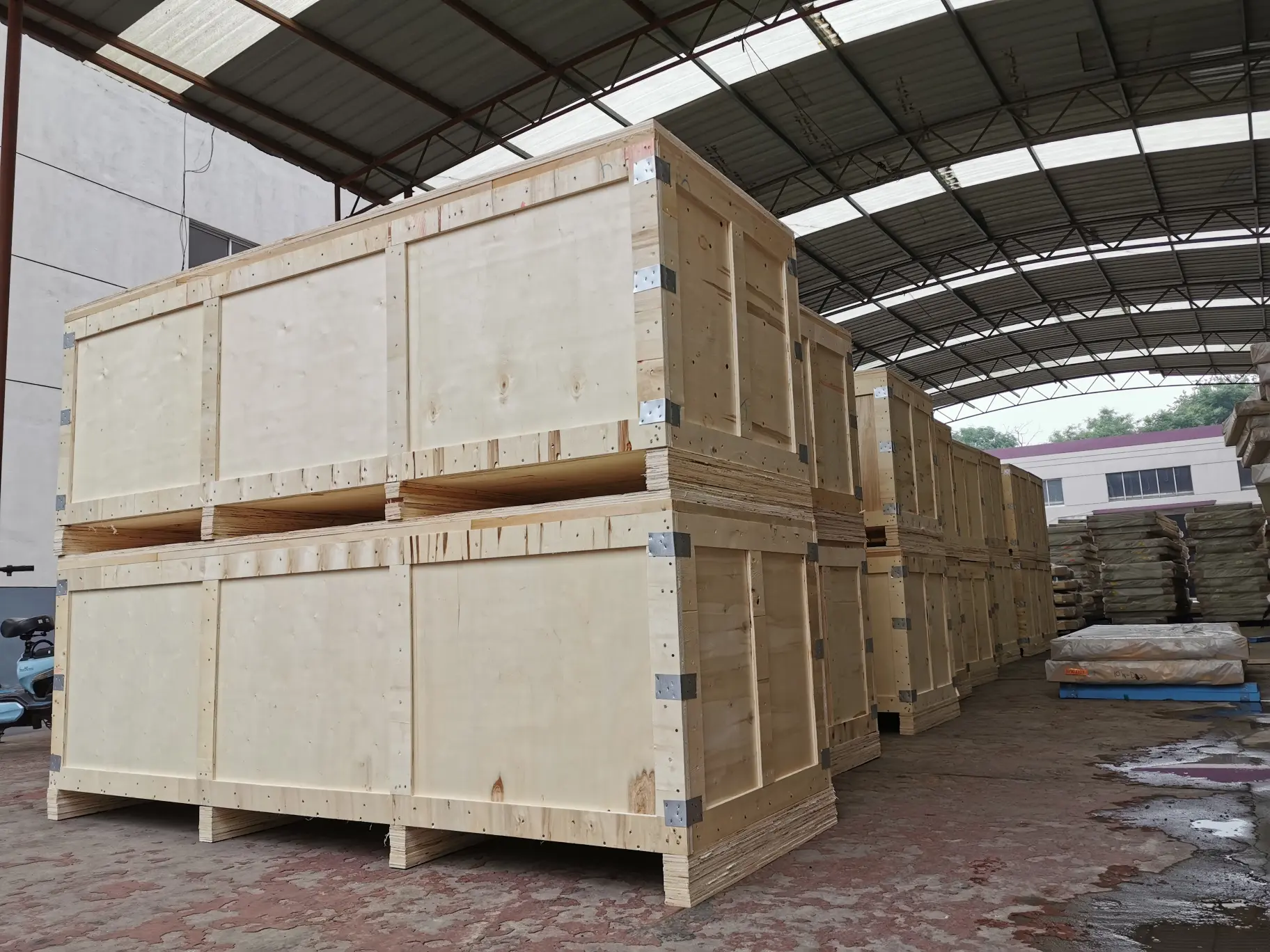
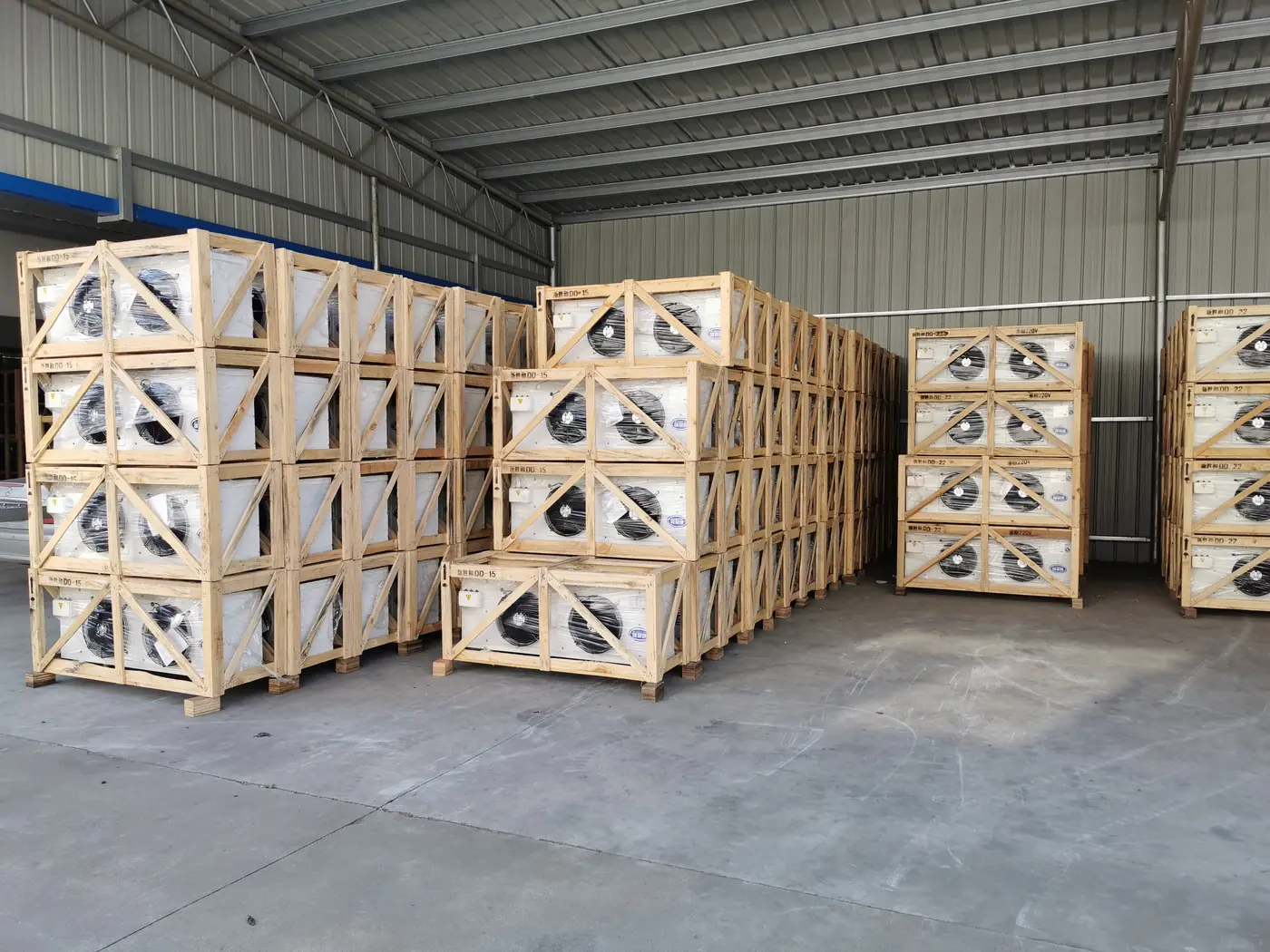
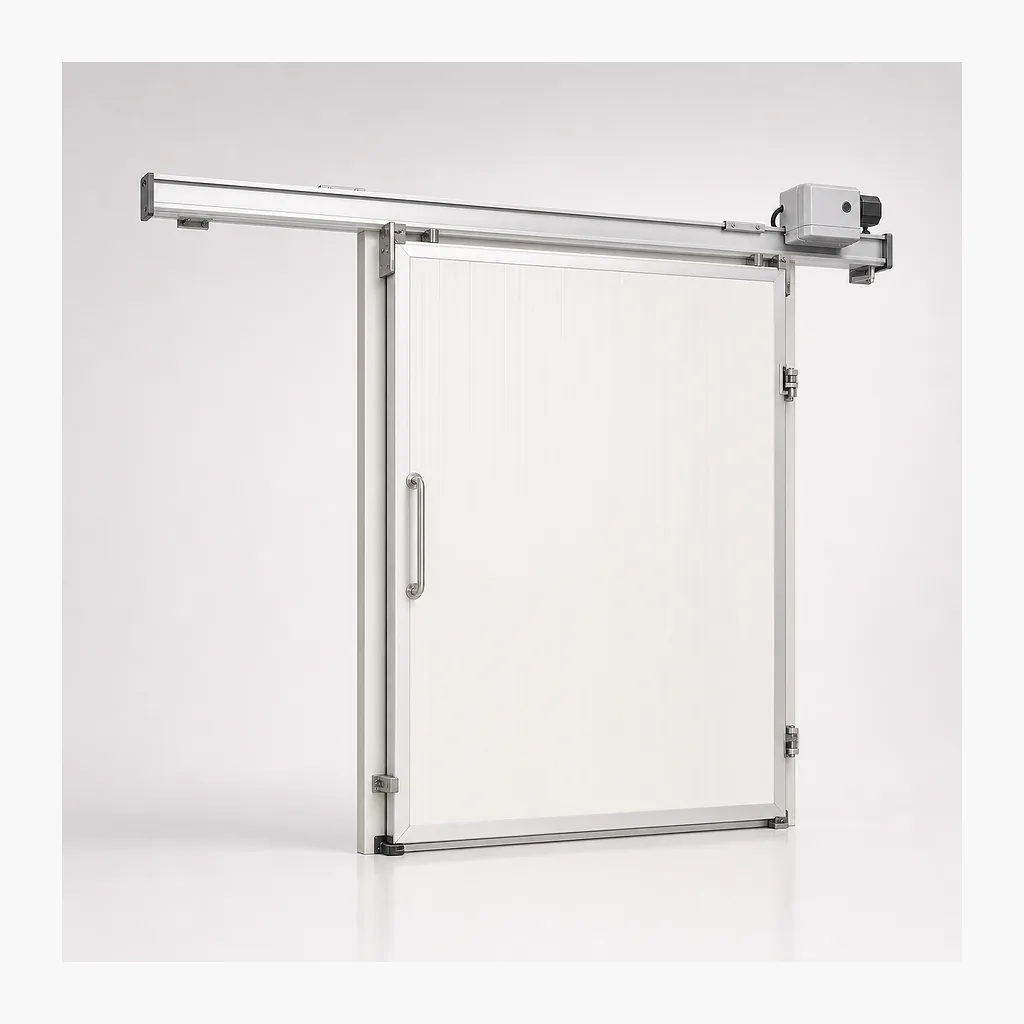
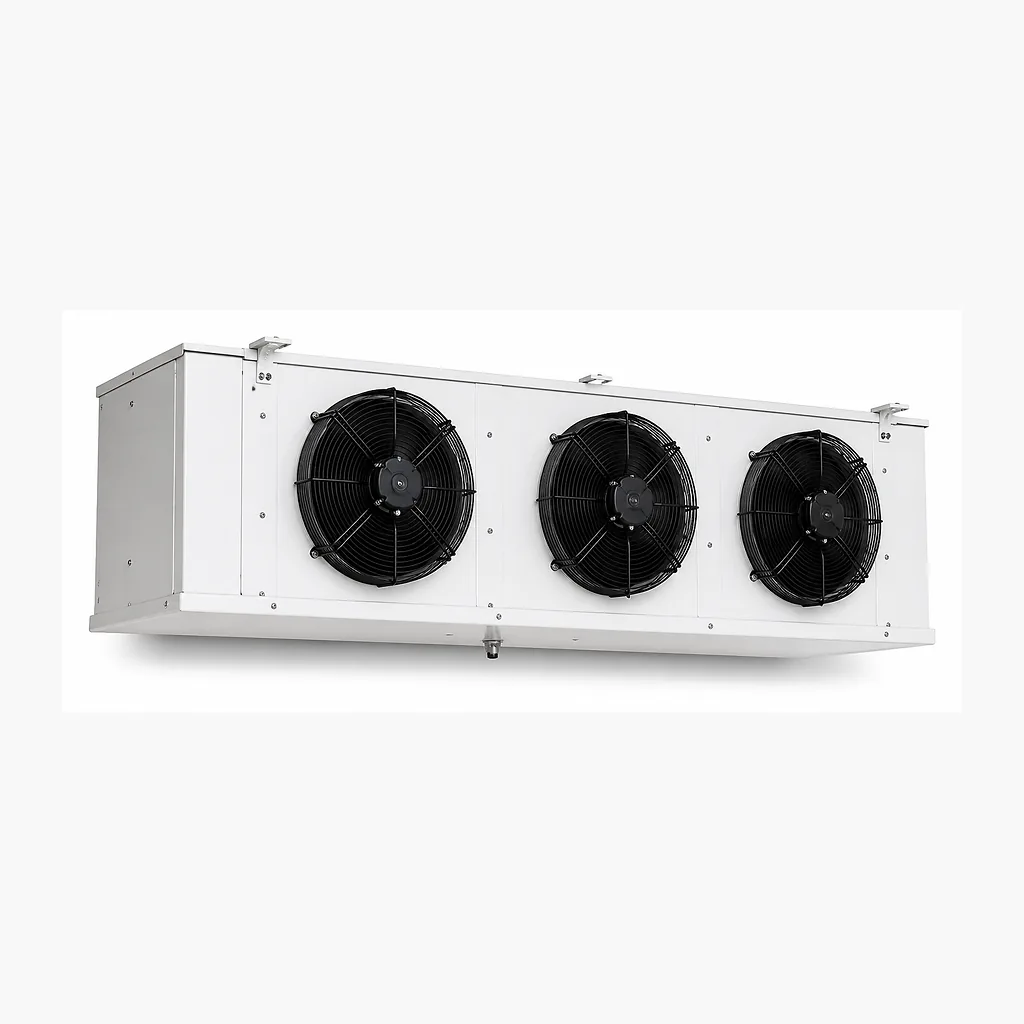
The original article images are JPG, so this upgraded section uses existing WebP media from JiangNan. The images show factory panels, production, shipment, refrigeration and doors used in warehouse-scale cold room systems.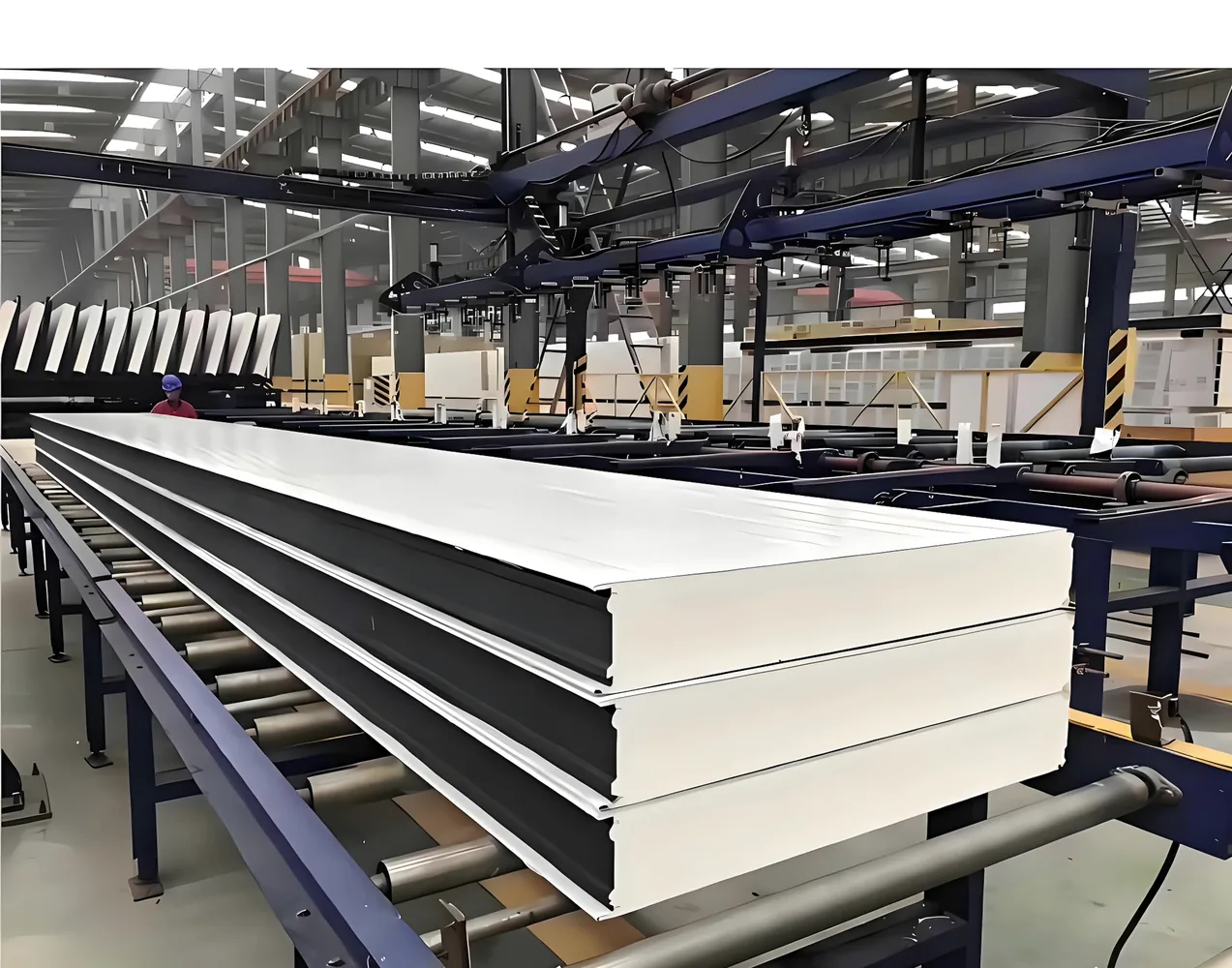
How to Choose a Cold Storage Warehouse System
Warehouse selection starts from storage duty and logistics flow. A fruit warehouse needs humidity and airflow attention. A seafood freezer warehouse needs stronger insulation, defrost control and door heaters. A frozen food distribution warehouse needs fast access, stable dock temperature and practical pallet circulation.1. Define Zones and Temperature
List each room: frozen storage, chilled storage, pre-cooling, packing, loading dock and machine room. Each zone has a different temperature and door traffic. Do not size the refrigeration system from the total building area only.| Warehouse Zone | Common Temperature | Design Focus |
|---|---|---|
| Chiller Storage | 0 °C to +10 °C | Humidity, airflow, door traffic and product turnover. |
| Frozen Storage | -18 °C to -25 °C | Panel thickness, freezer doors, defrost and floor insulation. |
| Loading Dock | 0 °C to +10 °C or controlled ambient | Door opening load, dock shelter, air infiltration and pallet flow. |
| Processing / Packing | 0 °C to +15 °C | Hygiene, drainage, lighting and worker operation. |
| Low Temperature Room | Below -30 °C | Engineering review for insulation, vapor control and refrigeration duty. |
2. Match Panels with Building Conditions
Panel thickness and surface material should match room temperature, building structure and cleaning requirement. For high warehouses, ceiling support and panel length must be checked carefully. Floor insulation is critical for freezer zones to reduce frost heave and heat gain.3. Select Doors Around Traffic
Warehouse doors are often the biggest source of cold loss. Frequent forklift traffic may require electric sliding doors, fast operation, safety protection and good sealing. Low-temperature freezer rooms need heated frames, anti-freezing gaskets and clear emergency release.4. Review Refrigeration and Service Access
Air coolers should not be blocked by pallets. Defrost water needs a reliable drain path. Condensers need ventilation and maintenance space. Control panels should be accessible but protected from impact, water and freezing conditions.For quotation, send warehouse layout, each room size, target temperature, product type, capacity, daily loading, door opening frequency, voltage, ambient temperature and installation country.
Applications
Cold storage warehouse systems are used where large-volume temperature-controlled inventory and daily logistics operation must work together.- Seafood Cold Storage
- Meat and Poultry Frozen Warehouse
- Dairy Storage Warehouse
- Vegetable and Fruit Cold Storage
- Pharmaceutical Cold Room
- Cold Chain Logistics Warehouse
- Supermarket Distribution Center
- Frozen Food Export Warehouse