
Cold Room Door System
Anti-Collision Free Door
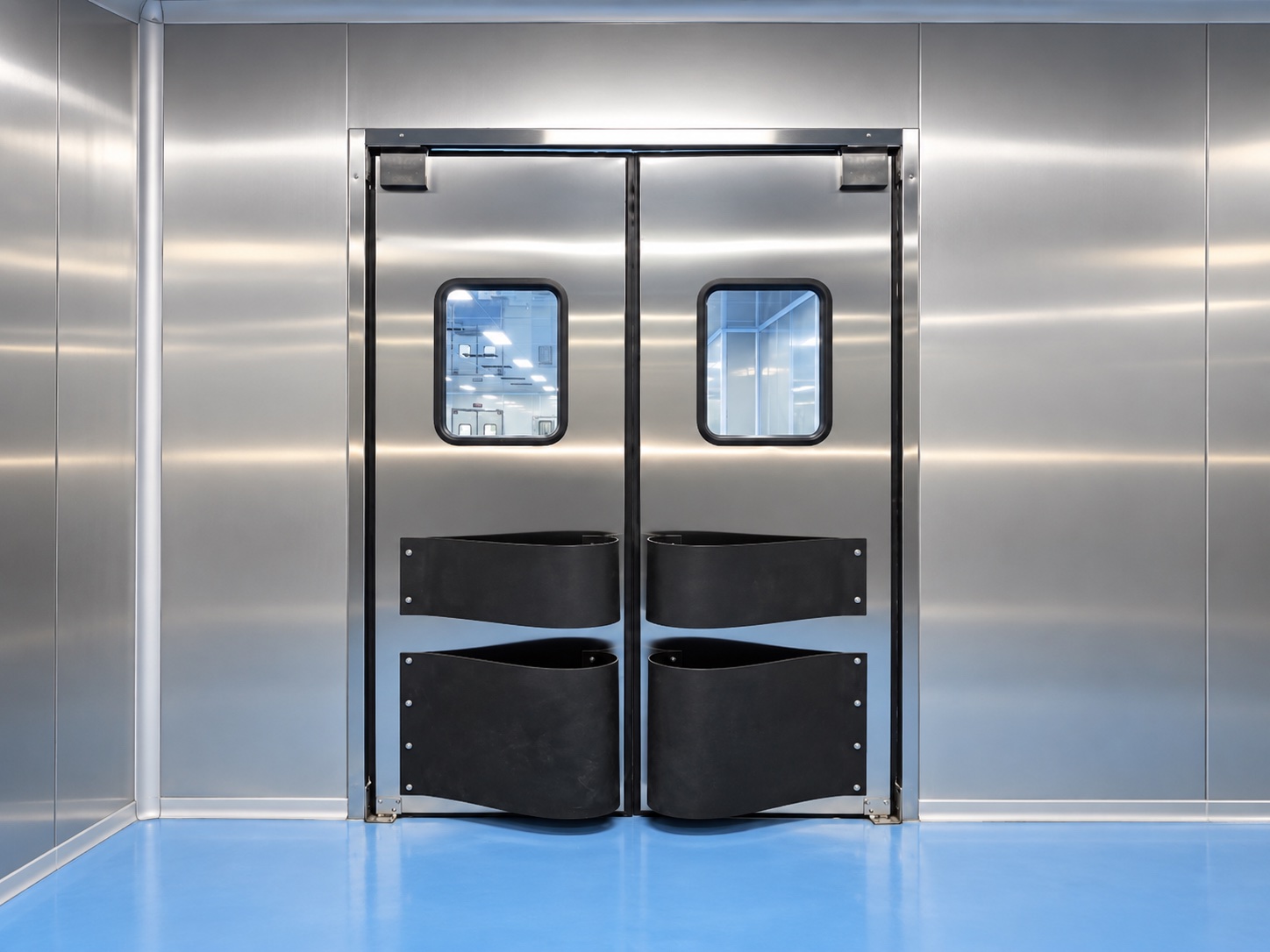
Anti-collision free door for processing rooms, service corridors, supermarket backrooms, and cold-chain traffic areas where workers, carts, or light equipment pass frequently.
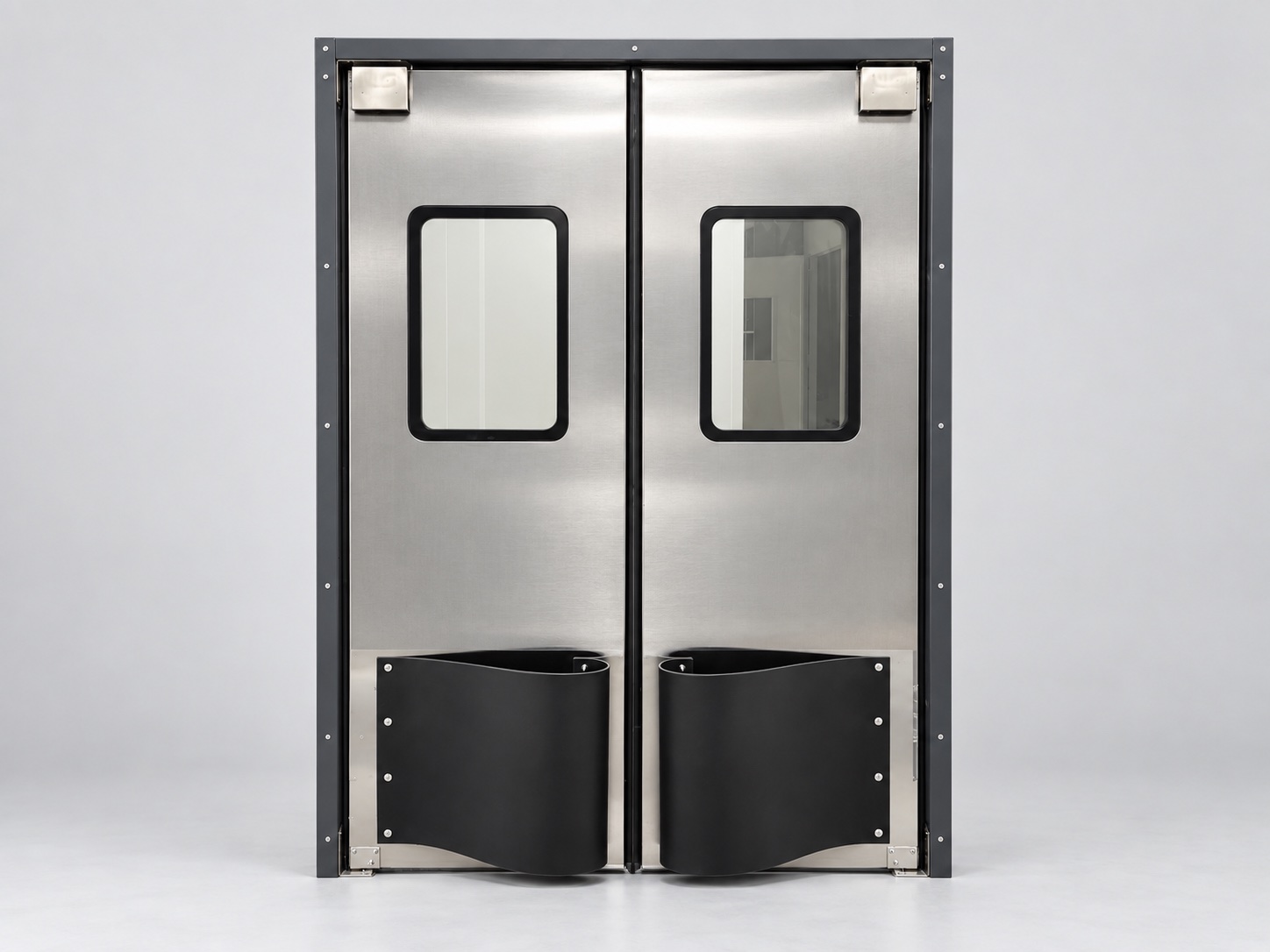
Anti-Collision Free Door Engineering Overview
Anti-collision free door is different from a sealed freezer door. Its main purpose is fast passage, impact resistance, safety, and hygiene in processing rooms, corridors, retail backrooms, and logistics areas.
The door should be selected by traffic type. Workers carrying goods, hand carts, supermarket trolleys, and light pallet movement each create different impact and safety requirements.
JiangNan can supply anti-collision doors together with cold room panels and other doors. The quotation should confirm opening size, wall thickness, traffic direction, window requirement, surface material, and protection plates.
Seal Reliability
Traffic doors are not normally selected for deep-freezer sealing. If temperature separation is important, choose a proper cold room door instead.
Frame and Panel Match
The frame and fixing method should match the wall or panel opening and absorb repeated impact without loosening.
Hardware Durability
Swing hinges, return function, windows, kick plates, and impact plates should be selected for daily traffic.
Low-Temperature Detail
For cold areas, condensation and material flexibility should be reviewed, but this door is mainly for passage rather than freezer sealing.
Technical Specifications
| Door Thickness | customized traffic door leaf thickness by impact and hygiene requirement |
|---|---|
| Heating System | normally not required; special cold area details by project |
| Opening Method | double swing or single swing traffic door |
| Temperature Range | processing area, passage, service corridor, and selected cold room access zones |
| Motor Brand | not applicable for manual swing traffic door |
| Protection Class | not motorized; hardware and impact plate by configuration |
| Panel Thickness Match | installed in wall or panel opening according to project details |
| Surface Material | stainless steel, PE, aluminum, or project-specified impact-resistant surface |
| Frame Material | stainless steel, aluminum, or project-specific frame |
| Gasket | traffic door edge strip or flexible seal according to use |
| Hardware | swing hinge, viewing window, kick plate, impact plate, or bumper options |
| Application | processing workshops, supermarket backrooms, logistics passages, and high-traffic food areas |
Related Anti-Collision Free Door Projects
Czech Republic Frozen Storage
Temperature: -18C
Room size: 6 × 8 × 2.8 m
Panel thickness: 150 mm
Frozen storage using thicker insulation, freezer door sealing, and low-temperature refrigeration equipment.
Argentina Seafood Cold Room
Temperature: -25C
Room size: 8 × 10 × 3 m
Panel thickness: 150 mm
Seafood storage project focused on corrosion-resistant surfaces, stable pull-down, and careful packing for export.
Supermarket Cold Room
Temperature: 0C to 5C
Room size: 4 × 6 × 2.6 m
Panel thickness: 100 mm
Back-of-store chilled room for dairy, beverage, produce, and daily replenishment operation.
Pharmaceutical Cold Storage
Temperature: 2C to 8C
Room size: custom
Panel thickness: 100 mm
Temperature-stable room layout with controlled access, reliable sealing, and clear maintenance space.
Walk-in Freezer Project
Temperature: -18C
Room size: custom
Panel thickness: 120 to 150 mm
Small and medium freezer room reference for restaurants, distributors, and frozen food storage.
Request a Anti-Collision Free Door Quotation
Send your room size, target temperature, stored product, daily loading, voltage, and destination country. JiangNan will provide a practical configuration suggestion and quotation within 24 hours.
Applications
Seafood Cold Storage
Needs corrosion-aware surfaces, reliable gasket sealing, and low-temperature hardware where freezing conditions are used.
Meat Processing
Requires hygienic surfaces, strong hardware, and easy cleaning around frame, gasket, and threshold.
Dairy Storage
Usually needs stable chilled sealing and frequent staff access without condensation around the frame.
Vegetable Storage
Requires good closing performance and airflow control so warm humid air does not enter the room frequently.
Pharmaceutical Cold Room
Needs reliable closing, controlled access, and consistent gasket contact for temperature stability.
Logistics Warehouse
Requires wider openings, stronger protection, possible electric operation, and coordination with pallet or forklift movement.
How to Select a Anti-Collision Free Door
1. Confirm temperature and humidity
Confirm whether the door separates processing areas, corridors, packing rooms, retail backrooms, or cold room passages. Do not use it as the main sealed freezer door unless the design is confirmed.
2. Match door thickness with panel thickness
Door thickness and surface material should follow impact level. A light staff door and a cart impact door need different leaf and hardware strength.
3. Select opening method by traffic
Double swing is convenient for two-way traffic. Single swing can be used where direction is controlled or space is limited.
4. Check heating, gasket, and threshold
Check window height, kick plate height, bumper position, and frame fixing. These details reduce collision risk and extend service life.
5. Confirm installation space and packing
Before shipment, confirm frame size, opening size, wall thickness, window option, surface protection, and hardware packing.
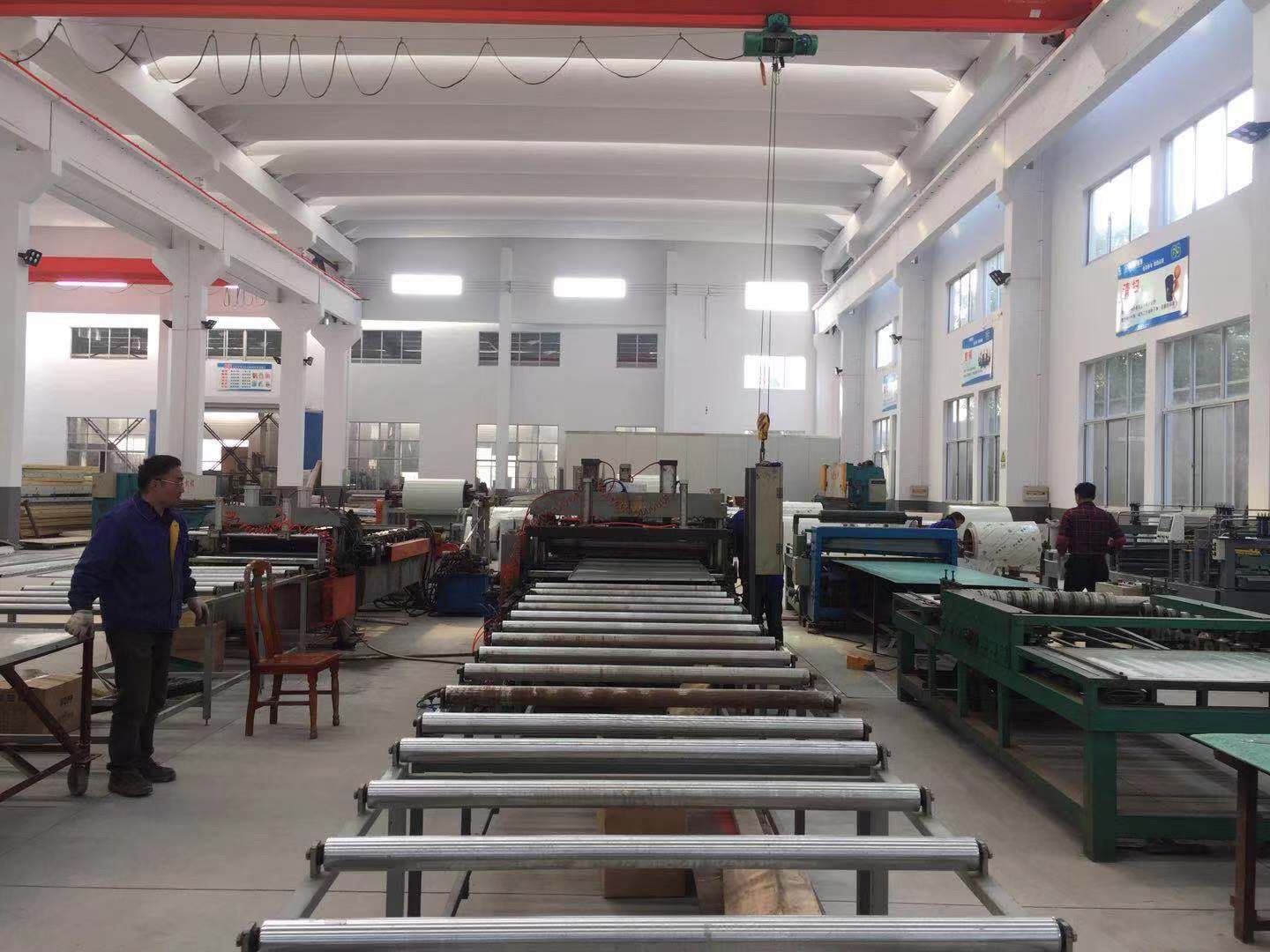
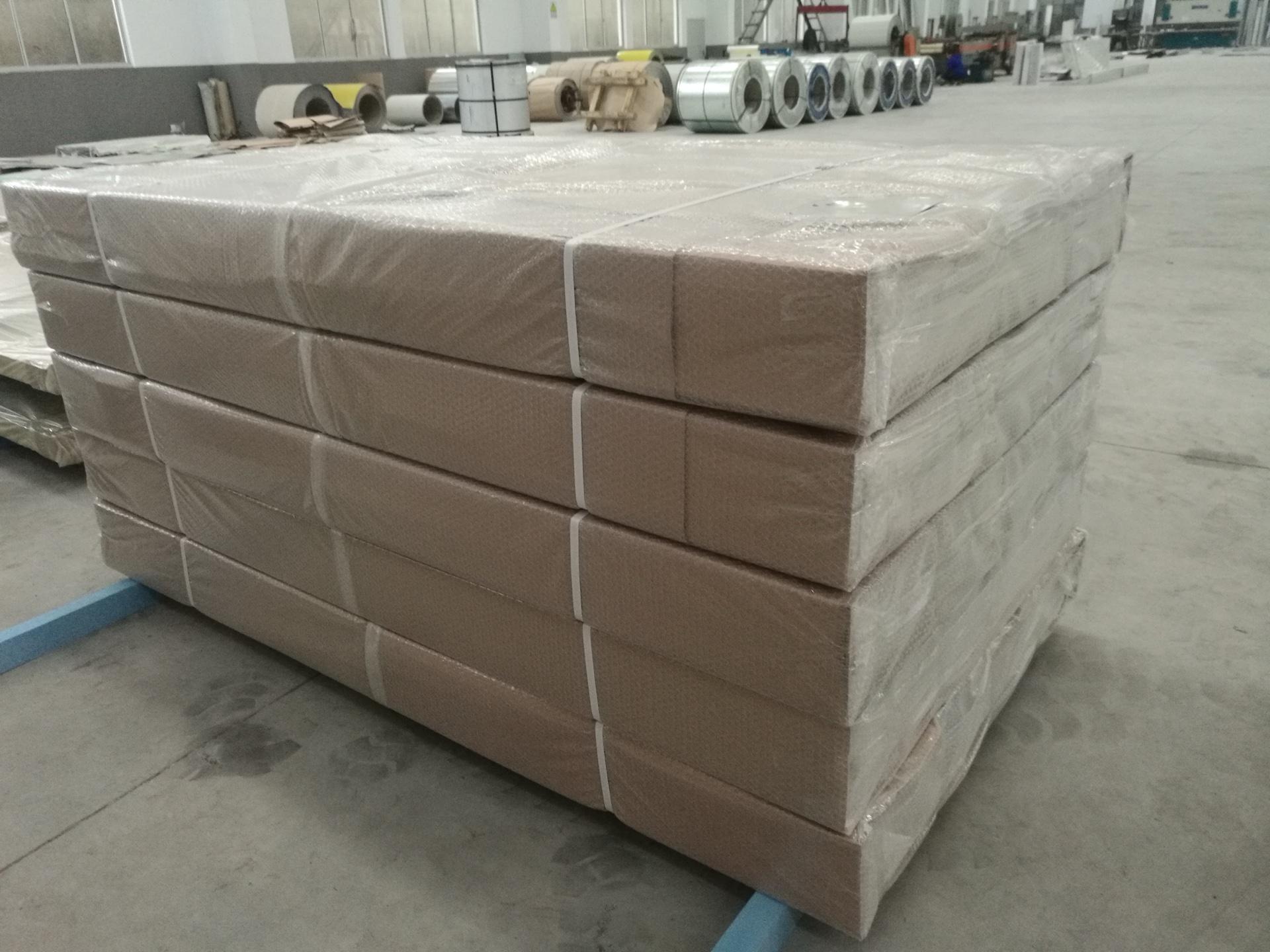
Door Production and Detail Images
Door production should check door leaf insulation, frame connection, gasket contact, hardware position, heating wire route, cable protection, threshold detail, and packing. For export projects, small accessories should be labeled and packed with the door set.
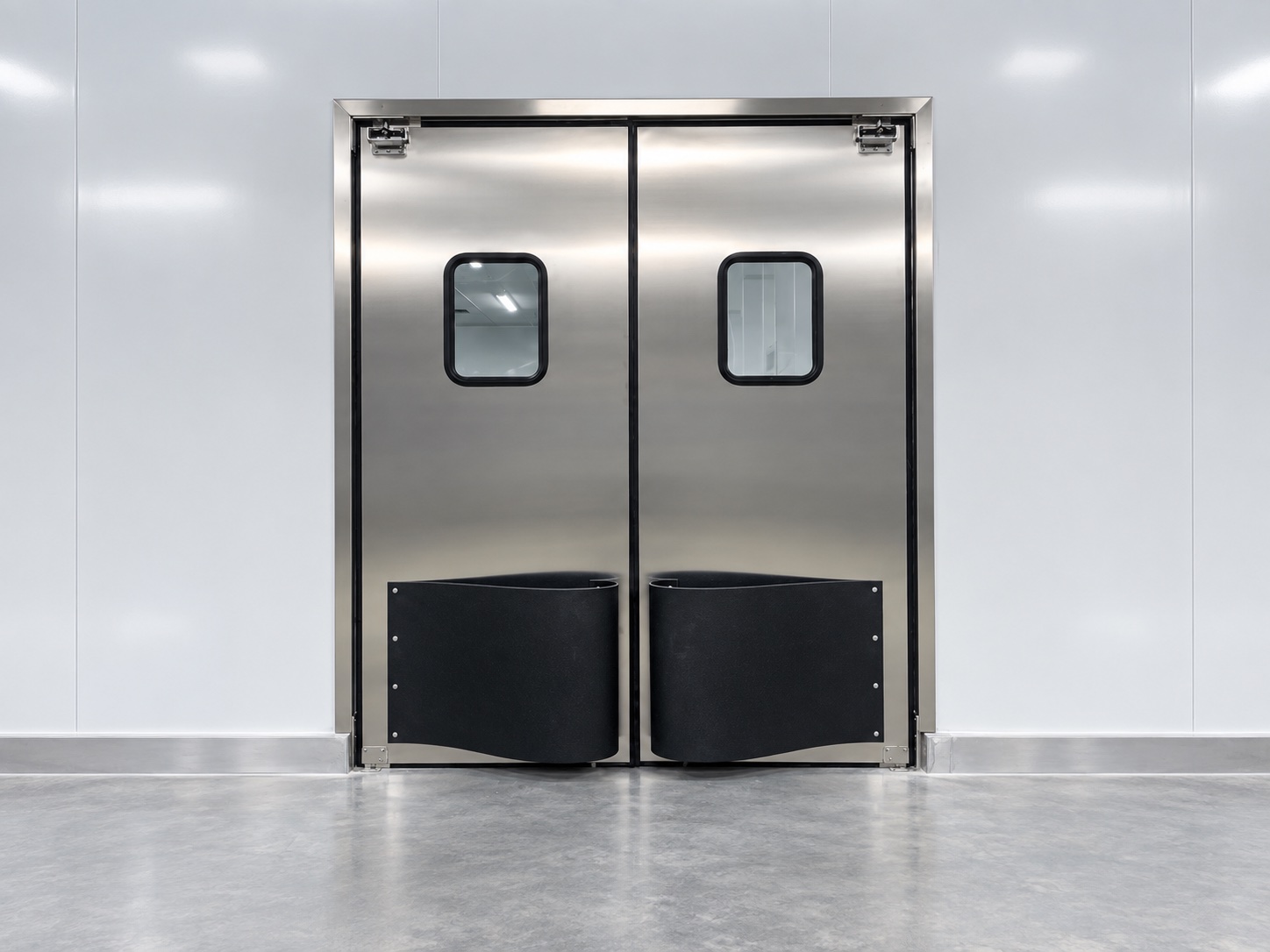
Installation Notes
The frame must be fixed firmly to the wall or panel support. Check swing clearance, return action, window position, and edge protection before putting the door into daily traffic.
Maintenance Notes
Door gaskets, hinges, handles, guide rails, motors, sensors, and heaters should be inspected regularly. A small air leak can become frost, condensation, compressor overload, or safety risk in daily operation.
Engineering Checklist Before Ordering
Before ordering Anti-Collision Free Door, confirm the wall panel thickness, the finished opening size, the floor level, the threshold condition, and whether the room will work as a chiller, freezer, processing room, or traffic passage. These details affect door frame depth, gasket pressure, heater selection, cable route, and the way installers seal the frame to the insulated wall.
Also check the daily operation pattern. A door opened a few times per day has different hardware and sealing requirements from a door used by staff, carts, or pallet traffic every hour. For freezer rooms, the quotation should include heating voltage, frame heating route, gasket replacement method, and protection against frost around the threshold. For food processing rooms, surface material, cleaning method, and corrosion resistance should be reviewed before confirming the door type.
For export projects, ask for a packing list that separates door leaf, frame, hinges, lock, handle, emergency release, heater parts, cable, controller if used, and installation accessories. The installer should be able to identify each part without opening every package at once.
Why JiangNan
Established in 1997
JiangNan has long-term manufacturing experience in insulated panels, cold room doors, refrigeration components, and complete cold room projects. This helps the quotation team check panel thickness, door type, refrigeration capacity, packing volume, and installation details together instead of treating each item separately.
20,000 m² Manufacturing Facility
The factory supports panel production, door assembly, hardware preparation, trial fitting, packing, and container loading. For export orders, drawings, material lists, and packing plans are checked before shipment to reduce missing parts and installation delay at site.
150+ Employees
Production, technical, sales, and after-sales teams work together on room layout, panel cutting, door opening, refrigeration matching, and accessories. Practical factory communication is important when the customer only has room size, product type, target temperature, and destination country at quotation stage.
OEM, ODM, and Export Support
OEM and ODM cooperation is available for distributors and contractors. JiangNan can provide complete cold room solutions, including panels, doors, air coolers, condensing units, accessories, packing lists, and installation guidance for overseas projects.
Related Products and Articles
Cold Room Panel
PU or PIR insulated panels with cam lock joint for chiller, freezer, and warehouse construction.
Cold Room Sliding Door
Manual sliding door selection for low-temperature and high-traffic cold rooms.
Electric Sliding Door
Motorized sliding door for frequent forklift traffic and logistics warehouses.
Ceiling Type Air Cooler
Air cooler selection for compact cold rooms and standard storage areas.
Cold Storage Warehouse Guide
Warehouse layout, insulation, door, dock, refrigeration, and energy design guidance.
Cold Room Temperature Guide
Temperature ranges for food, seafood, meat, vegetables, dairy, and pharmaceutical storage.
FAQ
What information is needed to quote Anti-Collision Free Door?
Please send the country, cold room temperature, wall panel thickness, clear opening size, door leaf size if known, opening direction, traffic frequency, voltage if heating or motor is required, and whether the door is for chilled storage, freezer storage, processing room, or logistics access.
What door thickness should be selected?
Thickness is selected by impact level, door size, surface material, and whether insulation or hygiene is required. Door thickness must match room temperature, panel thickness, sealing requirement, and frame structure.
Does this door need a heating system?
Most anti-collision traffic doors do not need heating, but special low-temperature passages should be reviewed for condensation or frost risk. Heating details should be confirmed for freezer rooms, humid sites, and doors opened frequently.
How should the opening method be selected?
Swing traffic doors are selected when people or carts need to pass without operating a handle. Clear sight windows and protection plates improve safety. The choice should consider aisle width, trolley movement, forklift traffic, hygiene, staff operation, and safety.
Can the door be customized to match panel thickness?
Yes. Door frame depth, opening size, threshold, gasket, and hardware can be matched with the cold room panel thickness. Door details should be confirmed before panel production so the opening is prepared correctly.
What surface material is recommended?
Stainless steel or impact-resistant materials are recommended in food processing and high-traffic areas. Food rooms, seafood rooms, and washing areas may need stainless steel or better corrosion resistance than standard color steel.
How does JiangNan pack cold room doors for export?
Door leaves, frames, hinges, locks, handles, heaters, motors, sensors, and small accessories are protected and packed with labels. For project orders, door packing should be checked against the panel layout and accessory list.
Can this door be supplied with panels and refrigeration equipment?
Yes. JiangNan can supply doors together with insulated panels, air coolers, condensing units, controllers, curtains, lighting, and installation accessories. This helps avoid mismatch between door frame and wall panel thickness.
What causes frost or condensation around cold room doors?
Common causes include insufficient door heating for freezer use, damaged gasket, poor closing adjustment, high humidity, frequent door opening, incorrect threshold details, or warm air leakage around the frame.
Does JiangNan provide installation guidance?
Yes. JiangNan can provide installation notes, frame fixing suggestions, wiring reference for heating or motors, and remote support. Final installation should still be checked by qualified local technicians according to site conditions.