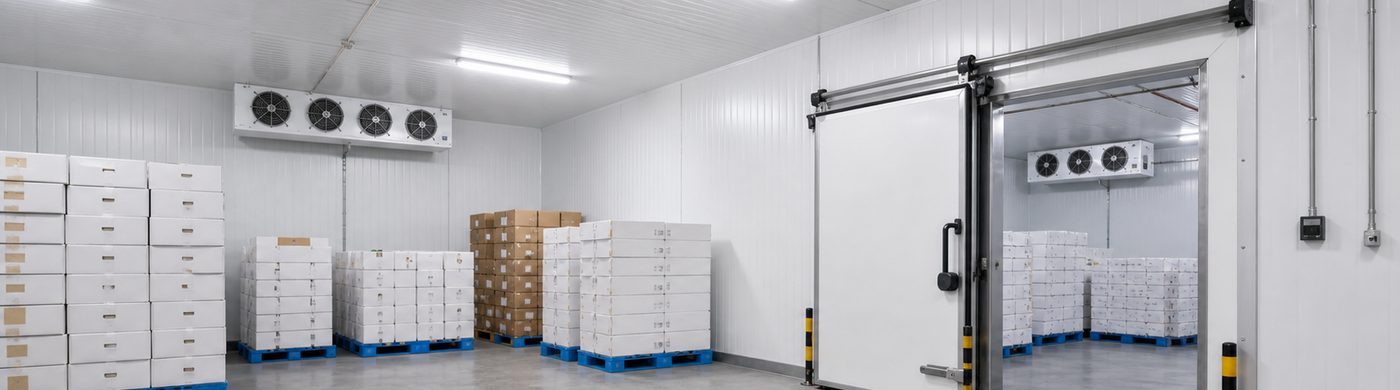
Freezer Room Guide: Panels, Doors and Refrigeration for Frozen Storage
A freezer room quotation should begin by stating what enters the room. Holding goods that are already frozen is a different duty from freezing newly produced goods. The buyer needs to describe both the incoming condition and the required result before a supplier selects refrigeration equipment or an enclosure package.
This guide concentrates on frozen storage operation: moisture entering at the door, frost management, drainage and the conditions used for acceptance. The required product temperature must come from the product specification and the responsible process team, not from a generic freezer label.
Separate frozen holding from the freezing process
State whether incoming goods are already frozen, partially conditioned or newly processed. Give the loading pattern, packaging and the time available for any required temperature change. If freezing is part of the duty, request a separately reviewed process and a defined product result.
FAO’s guidance on freezing fish treats freezing and subsequent cold storage as connected but distinct handling stages. Its product context should not be generalized into one storage specification for all foods. Use the same distinction when deciding whether an ordinary storage room is suitable for the intended job.
Review the entrance as a moisture pathway
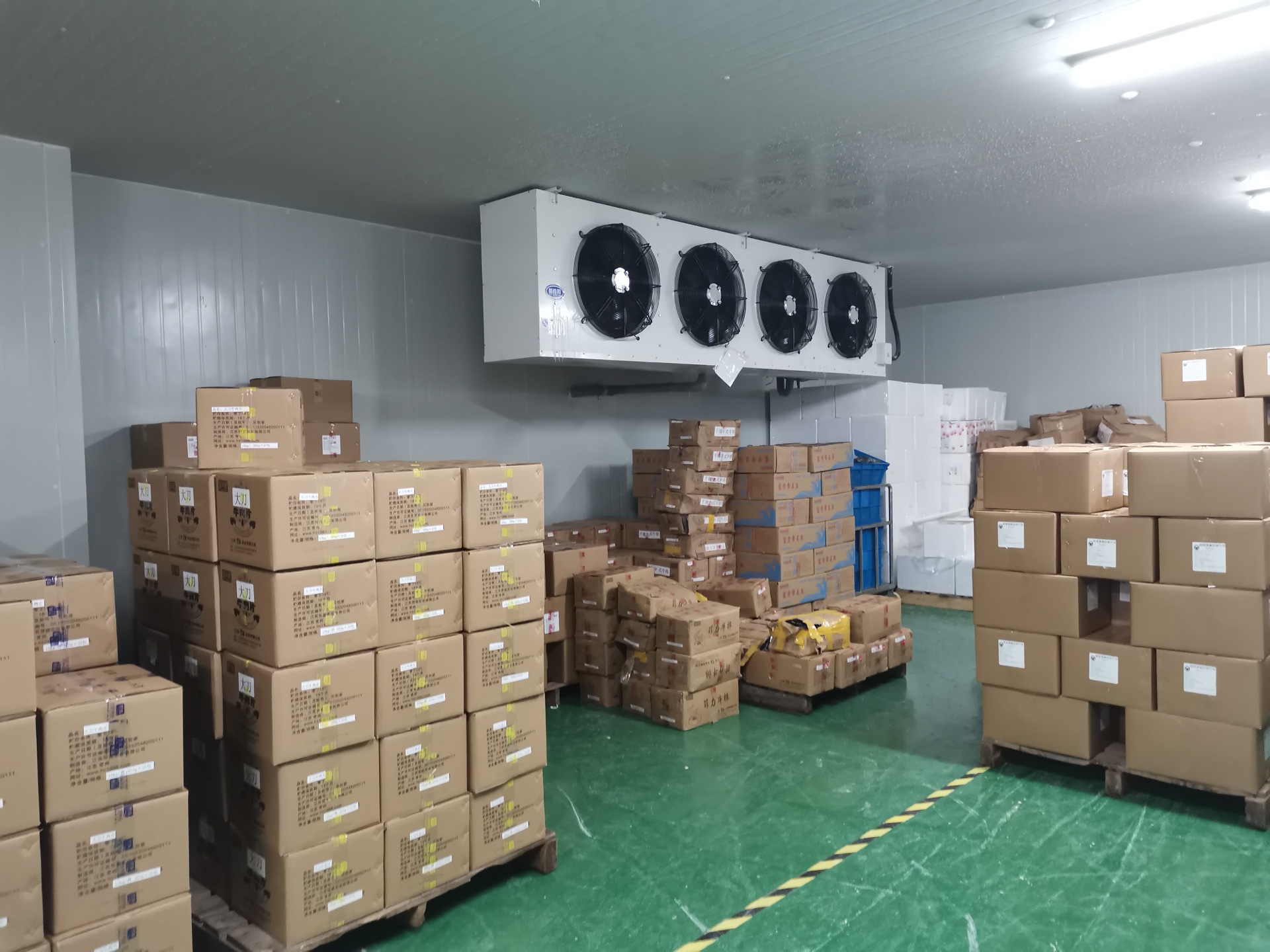
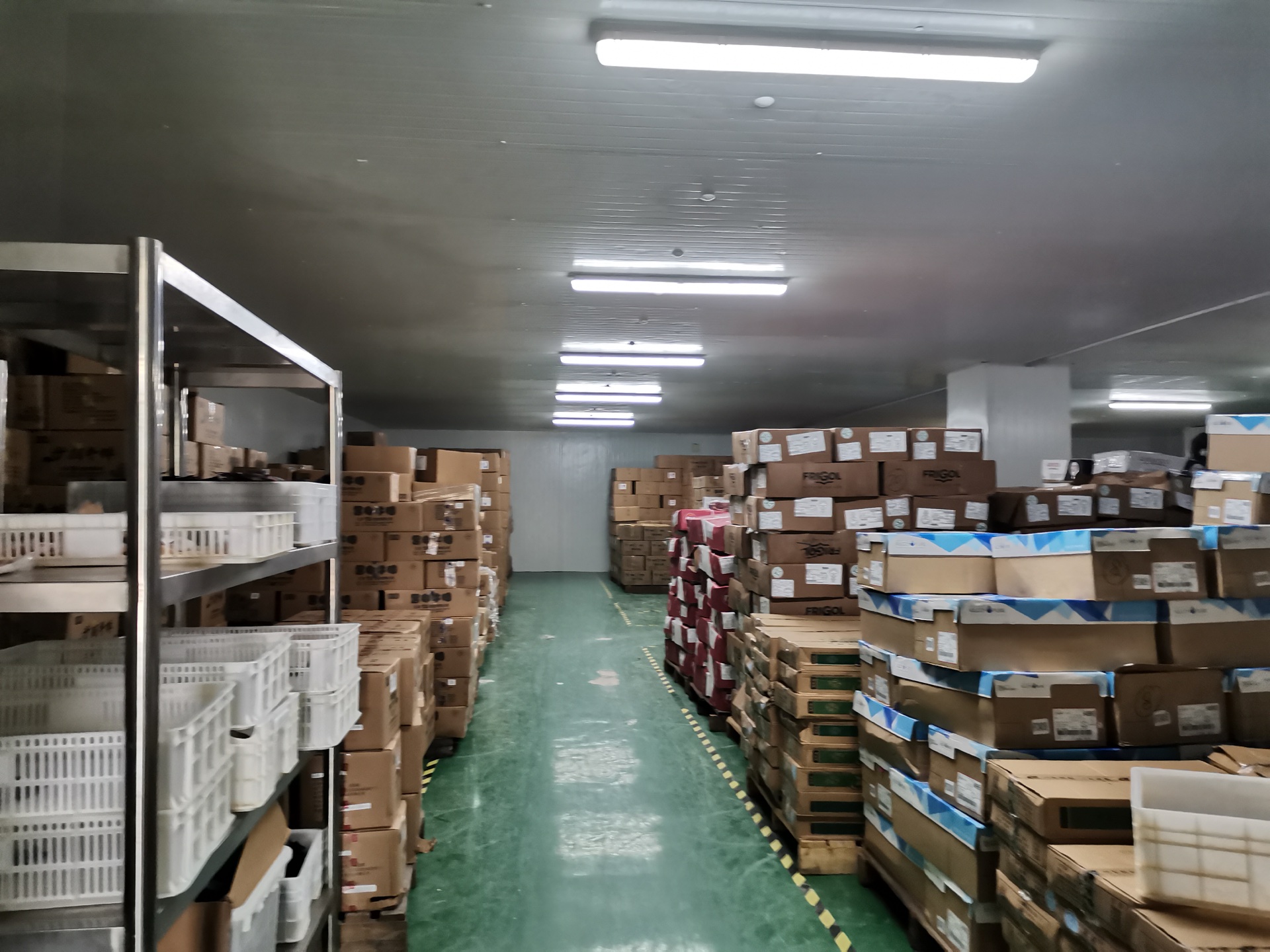
Discuss how goods and people cross the threshold during a normal shift. Repeated door opening, waiting pallets and an unsuitable approach area should be visible in the operating brief. The door supplier needs to understand traffic type and opening frequency, not merely the opening dimensions.
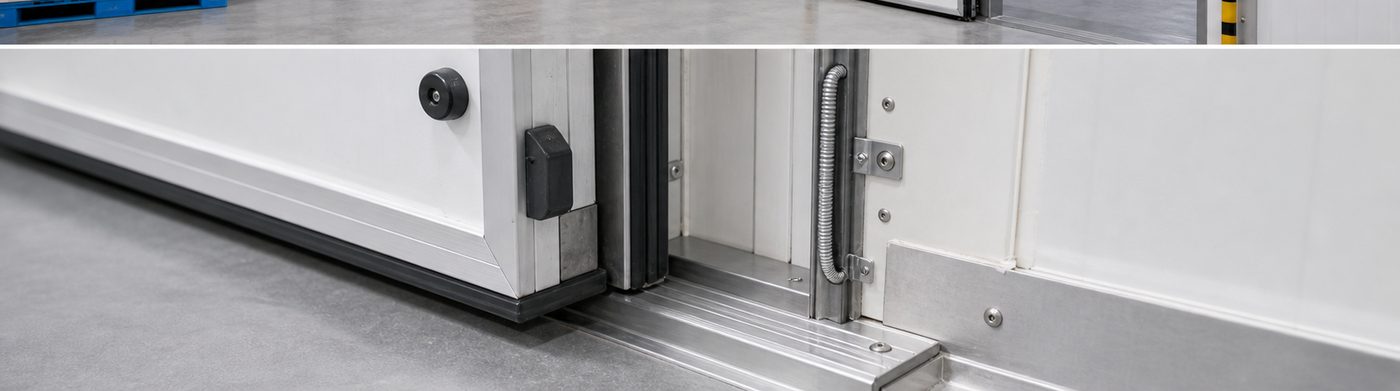
Ask how the specified seal, threshold and any required heating are coordinated. A sliding cold room door may suit one movement pattern, while a different access arrangement may suit another. Review the actual space for operation and maintenance before selecting on the basis of appearance.
Include defrost water in the installation scope
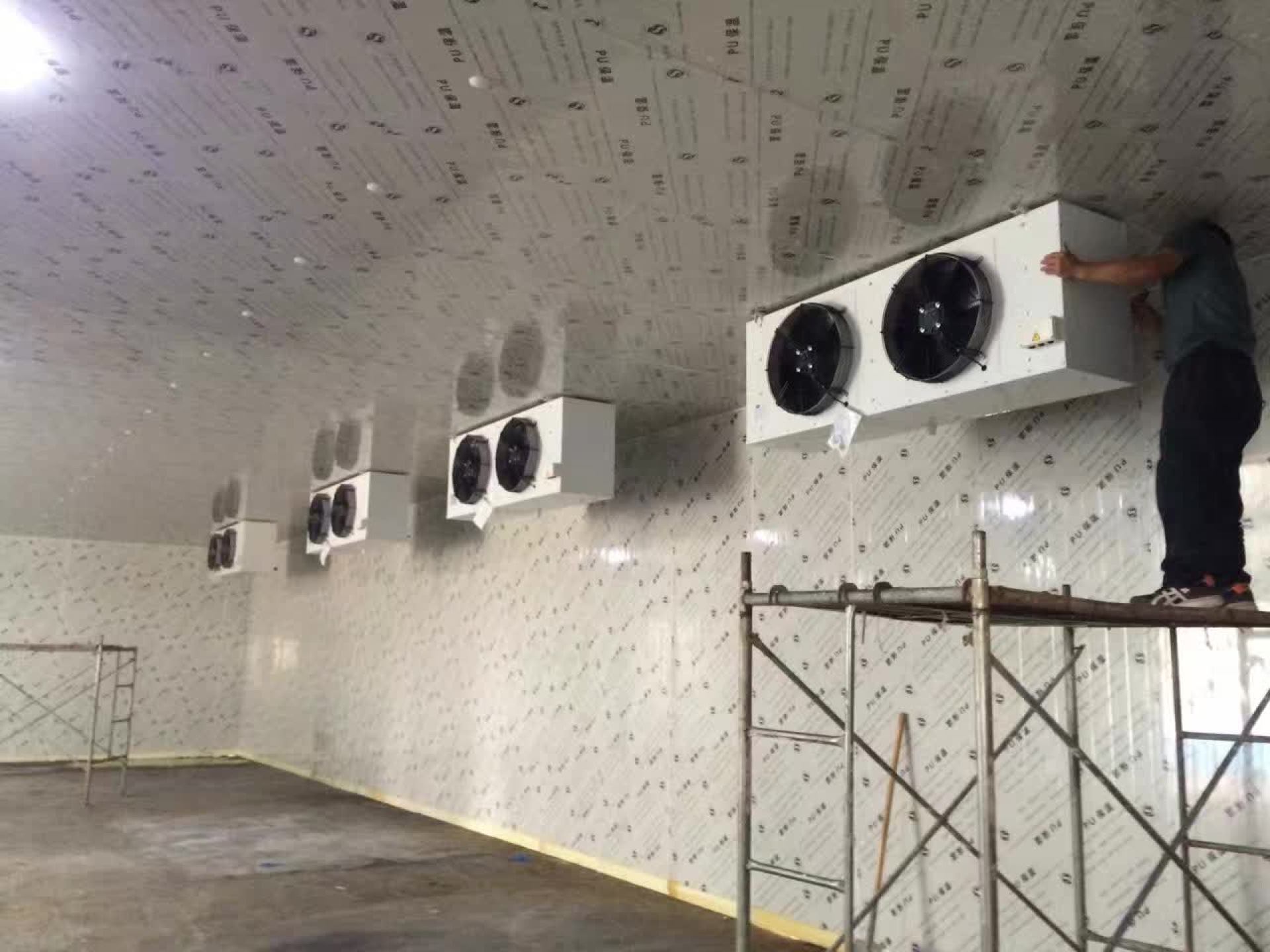
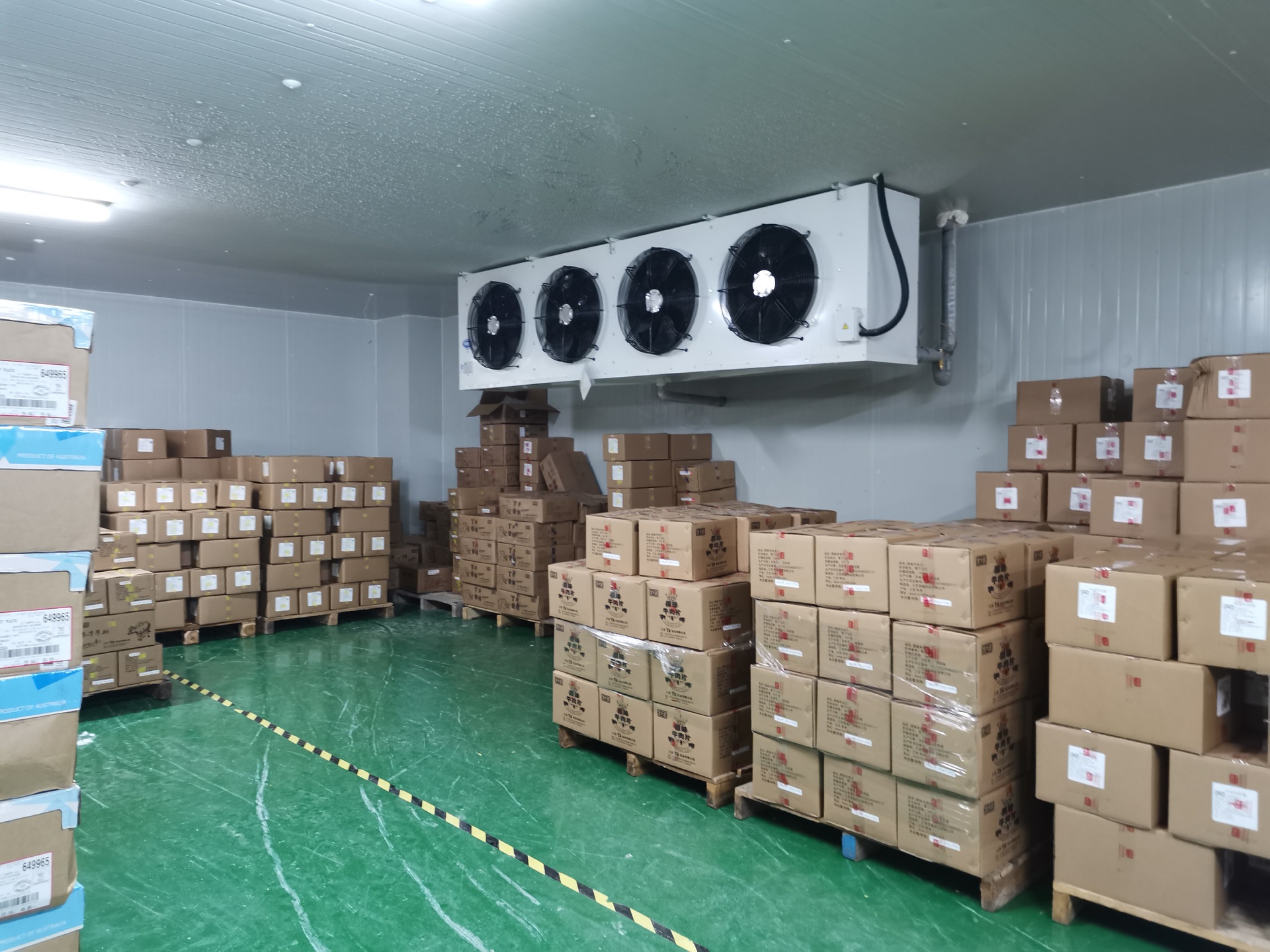
The evaporator, its defrost arrangement and the drain route must be considered together. Request a drawing that identifies where water leaves the equipment and how the proposed installation manages the conditions along the entire route. Keep responsibility for drain-related accessories and site connections explicit.
The correct detail depends on the equipment and the project. Do not prescribe a universal heater rating or copy a drain detail from another room. During installation review, check that the route shown in the design can actually be constructed and reached for maintenance.
Treat recurring ice as a symptom to investigate
Record where ice appears, when it returns and what operations preceded it. Door-area ice, evaporator icing and drain problems may require different investigations. Photographs and event times give the technician more useful information than a general statement that the room is not cold enough.
The Danfoss fault diagnosis guide links evaporator icing checks to several possible factors, including defrost, fans, infiltration and drainage. This is a reason to diagnose the cause rather than repeatedly change a setpoint. Refrigeration and electrical service work belongs with qualified personnel using the equipment instructions.
Coordinate the floor and enclosure with the building
Provide the designer with the floor construction and expected traffic loads. The freezer enclosure, its insulation and its junction to the surrounding building need a reviewed detail. If the design requires measures addressing conditions beneath or around the floor, identify who supplies, installs and checks them.
For freezer room procurement, ask for more than an insulation thickness. Include floor levels, perimeter treatment, ceiling support, service openings and the door interface in the drawing approval. Unassigned details should be resolved before the room package is released.
Define an acceptance cycle that reflects operation
An empty-room temperature display provides limited information about how the room will be used. Agree which observations are required during commissioning and which require a later operational check. Record the loading assumptions, door activity and any relevant equipment cycles during those checks.
Review alarm indication, the specified internal door release and the response to an interrupted power supply as part of the handover plan. Acceptance criteria should be written by the responsible project team. Avoid treating a brief temperature reading as a guarantee of every future storage condition.
Prepare a focused freezer enquiry
When requesting a freezer quotation, include product condition at entry, loading schedule, door movements, floor information and available services. Add any known icing or drainage problem if the project replaces an existing room. This lets suppliers explain how their proposal addresses the actual frozen storage duty and where further design confirmation is still required.