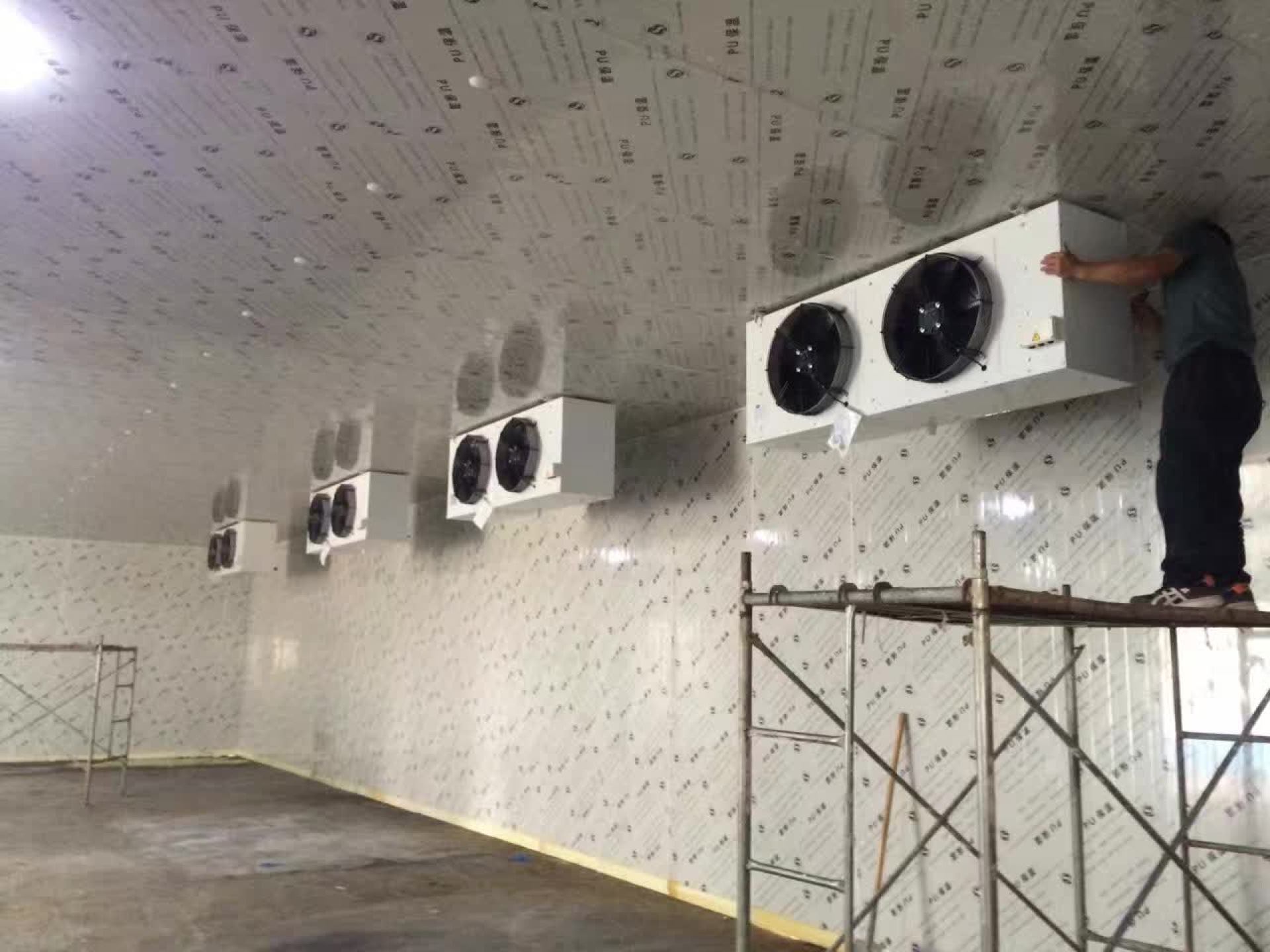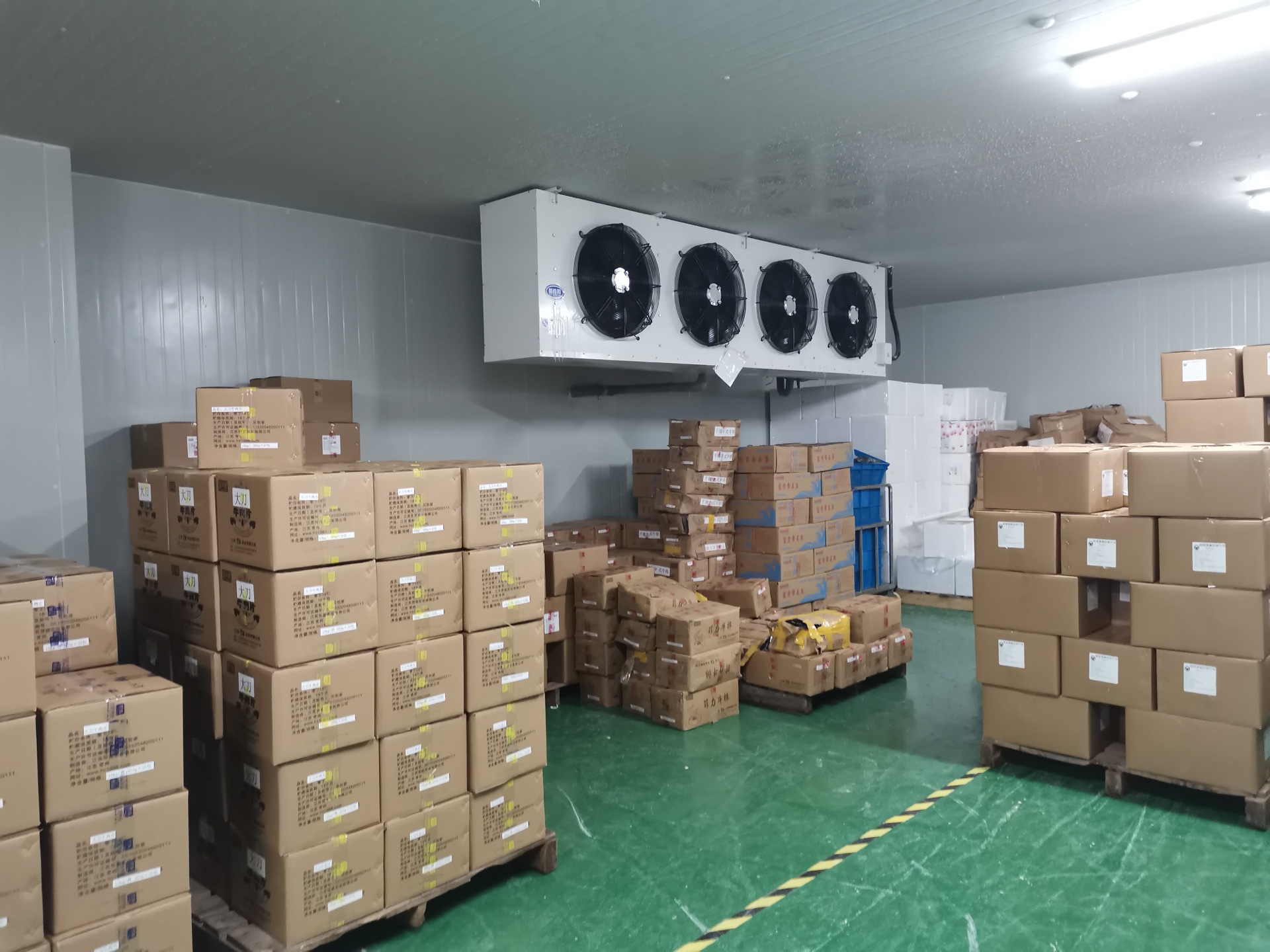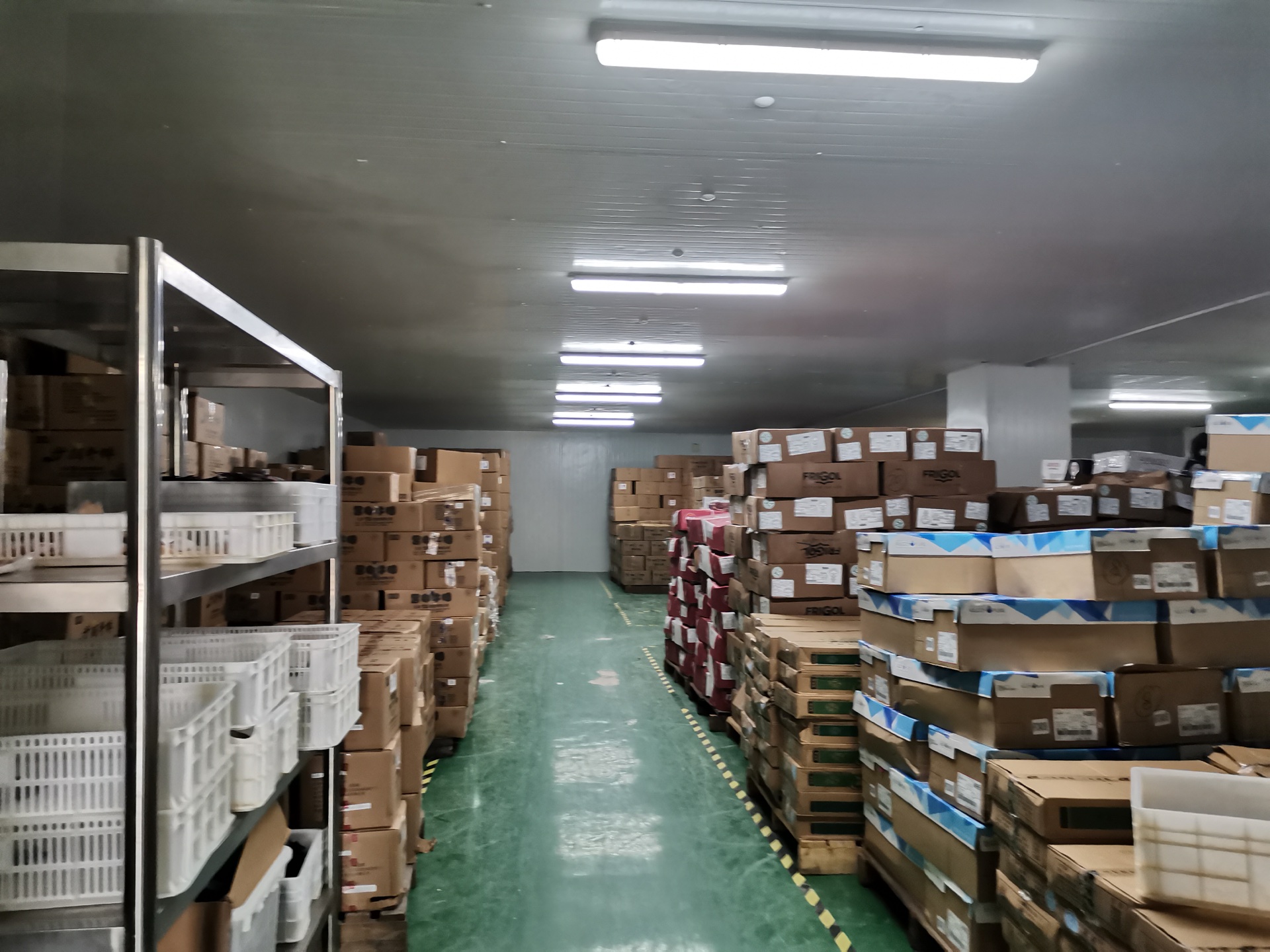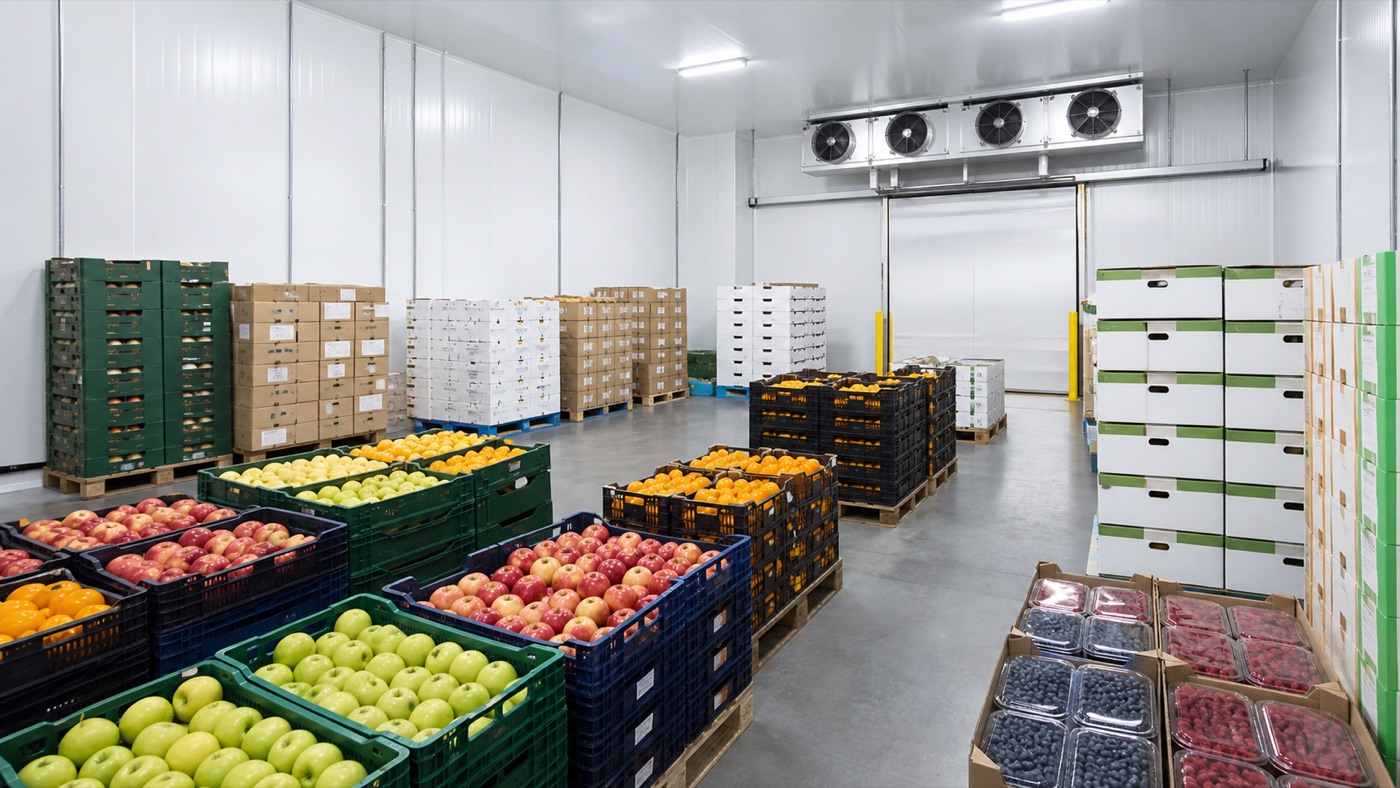
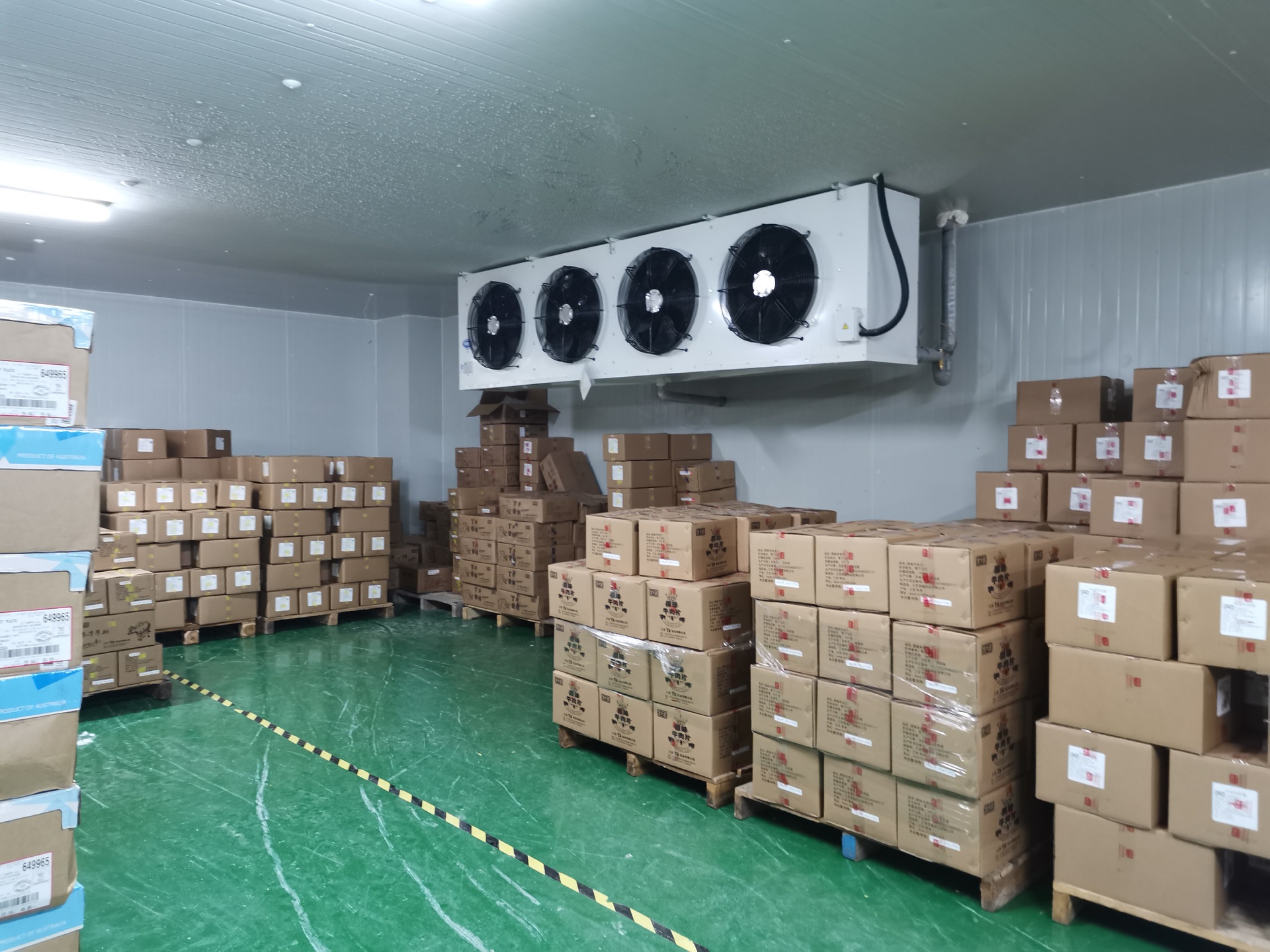
For Cold Room Design Input, JiangNan reviews insulation, refrigeration, doors, installation conditions, and project details before recommending a cold room solution. A cold room project becomes easier to manufacture when the design inputs are clear before production. Missing information often leads to wrong panel thickness, unsuitable door size, poor refrigeration selection, missing accessories, or site changes during installation. JiangNan uses a manufacturing review checklist to align the cold room envelope, refrigeration system, doors, controls, packing, and installation support.
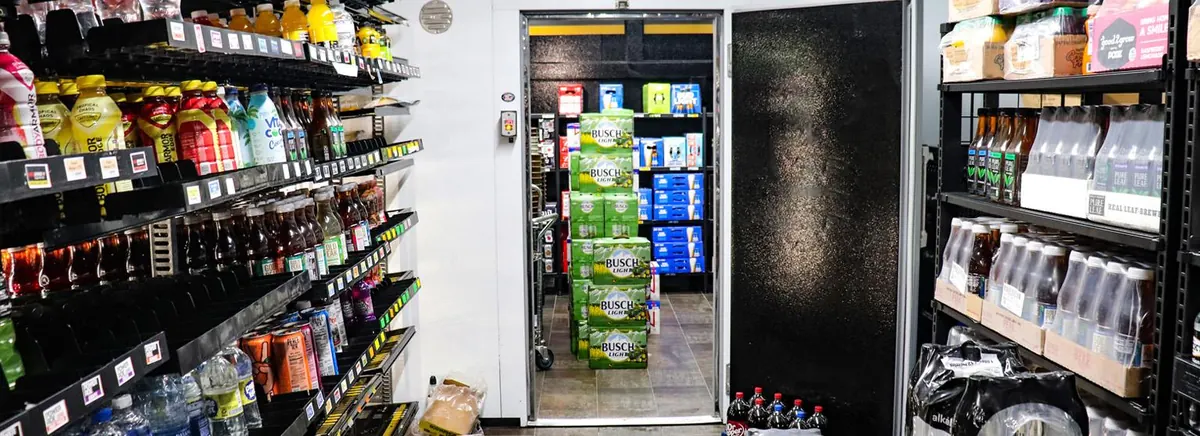
This checklist is written for buyers, contractors, and engineers preparing an industrial cold room project. It helps turn a general requirement into a buildable room.
Cold Room Design Input Overview
| Item | Engineering Direction |
|---|---|
| Topic | Cold room design input checklist |
| Application | Cold rooms, freezer rooms, blast freezer rooms, processing rooms |
| Main purpose | Collect the information needed before manufacturing review |
| Key inputs | Room size, temperature, product, loading, ambient condition, doors, voltage, site layout |
| Main risk | Wrong equipment scope, unclear installation boundary, site modification, delayed commissioning |
| JiangNan scope | Design input review, panel layout, refrigeration coordination, export packing support |
Engineering Scope
- Confirm application, product type, and target temperature.
- Review room dimensions, clear height, and storage method.
- Check product loading rate, inlet temperature, and pull down requirement.
- Confirm ambient temperature and installation location.
- Coordinate panel thickness, doors, refrigeration equipment, controls, and accessories.
- Clarify what is factory supplied and what is site prepared.
Room Function
The first input is room function. A chilled storage room, frozen storage room, blast freezer, meat processing room, seafood freezer room, pharmaceutical room, and produce room require different design logic. JiangNan asks what the room must do, not only what temperature is required.
Room function affects panel selection, evaporator fin spacing, defrost, airflow, door traffic, drainage, hygiene details, and control logic. If the function changes after manufacturing, the original design may no longer fit.
Room Size and Layout
Room length, width, height, door position, column position, ceiling clearance, floor slope, and installation access should be confirmed. If drawings are available, JiangNan reviews panel joints, ceiling support, door openings, unit cooler position, drain route, and pipe penetrations.
Storage rooms also need product layout. Pallet size, rack height, aisle width, trolley movement, and forklift turning area affect the real usable capacity. A room cannot be sized by tonnage alone.
Product and Loading Data
Product type, packing, daily loading quantity, inlet temperature, target temperature, and required cooling time are key refrigeration inputs. If product enters warm, the system must remove product heat. If product is already conditioned, the room mainly holds temperature.
JiangNan separates storage tonnage from daily loading rate. This prevents the refrigeration system from being selected on the wrong basis.
Ambient and Site Condition
Ambient temperature affects condenser selection, panel thickness, door sealing, and refrigeration load. High ambient markets such as Saudi Arabia require closer review of condenser location, ventilation clearance, sun exposure, dust, and electrical panel protection.
Site information should include whether the room is indoor or outdoor, power supply, drainage, floor structure, machine room position, and installation access. If the local contractor prepares the civil floor, the cold room interface must be clear.
Door and Traffic Inputs
Door size should match the product movement method. Pallet loading, trolley traffic, hanging rail transfer, and worker access all require different openings. Door frequency affects heat load and frost formation.
JiangNan asks for door clear opening, operation method, room temperature, traffic frequency, voltage for heaters where used, and impact protection need.
Refrigeration and Controls
Refrigeration inputs include room temperature, product load, ambient condition, pipe route, condenser location, voltage, control preference, and defrost method. Multi-room systems need a room schedule that links each evaporator and controller to the correct room.
Control panels, lighting, alarms, sensors, drain heaters, door heaters, and solenoid valves should be coordinated before production.
Supply Boundary
Export projects often include factory parts and local site work. The supply boundary should be clear: panels, doors, refrigeration equipment, control panel, accessories, installation materials, lifting, wiring, civil floor, drainage, and refrigerant charging may not all be in the same scope.
JiangNan marks packing and accessories to reduce installation confusion. Clear boundary is a manufacturing quality issue, not only a commercial matter.
Drawing and Confirmation Package
Before manufacturing, the project should have a confirmation package. This may include room layout, panel layout, door schedule, evaporator position, condenser position, control panel location, pipe penetration points, drain direction, voltage, and packing list. The purpose is to make sure the factory, buyer, installer, and local contractor are working from the same information.
Small details matter. A door opening shifted by one panel, a drain route crossing a walkway, or a condenser connection facing the wrong direction can create site changes. JiangNan reviews these issues early because they are easier to correct before production.
Site Readiness Inputs
The buyer should confirm whether the site floor is level, whether the building has enough installation access, whether lifting equipment is available, and whether power and drainage are prepared. For freezer rooms, floor insulation and frost heave protection should be confirmed before panel installation. For high ambient projects, condenser ventilation and outdoor equipment position should be reviewed before shipment.
When site readiness is unclear, JiangNan can still provide technical guidance, but final installation may need adjustment. Clear inputs reduce this risk.
Related Resources
- Modular Cold Room – related JiangNan product and project information.
- Cold chain – external reference for basic technical background.
FAQ
What is the most important information for a cold room review?
Application, room size, target temperature, product loading, ambient condition, door traffic, voltage, and installation boundary are all important.
Can JiangNan start with incomplete information?
We can prepare a preliminary review, but final manufacturing details need confirmed inputs.
Why is product loading different from storage capacity?
Storage capacity tells how much product is held. Loading data tells how much heat must be removed in a period.
Why does voltage matter?
Voltage affects control panels, heaters, fans, compressors, and wiring coordination for export projects.
Should civil floor details be provided?
Yes. Floor level, insulation, drainage, load capacity, and threshold detail affect installation and operation.
Request a Project Review
Send JiangNan your room dimensions, application, product loading, ambient condition, door requirement, voltage, and site layout. We will review the cold room design inputs before manufacturing.