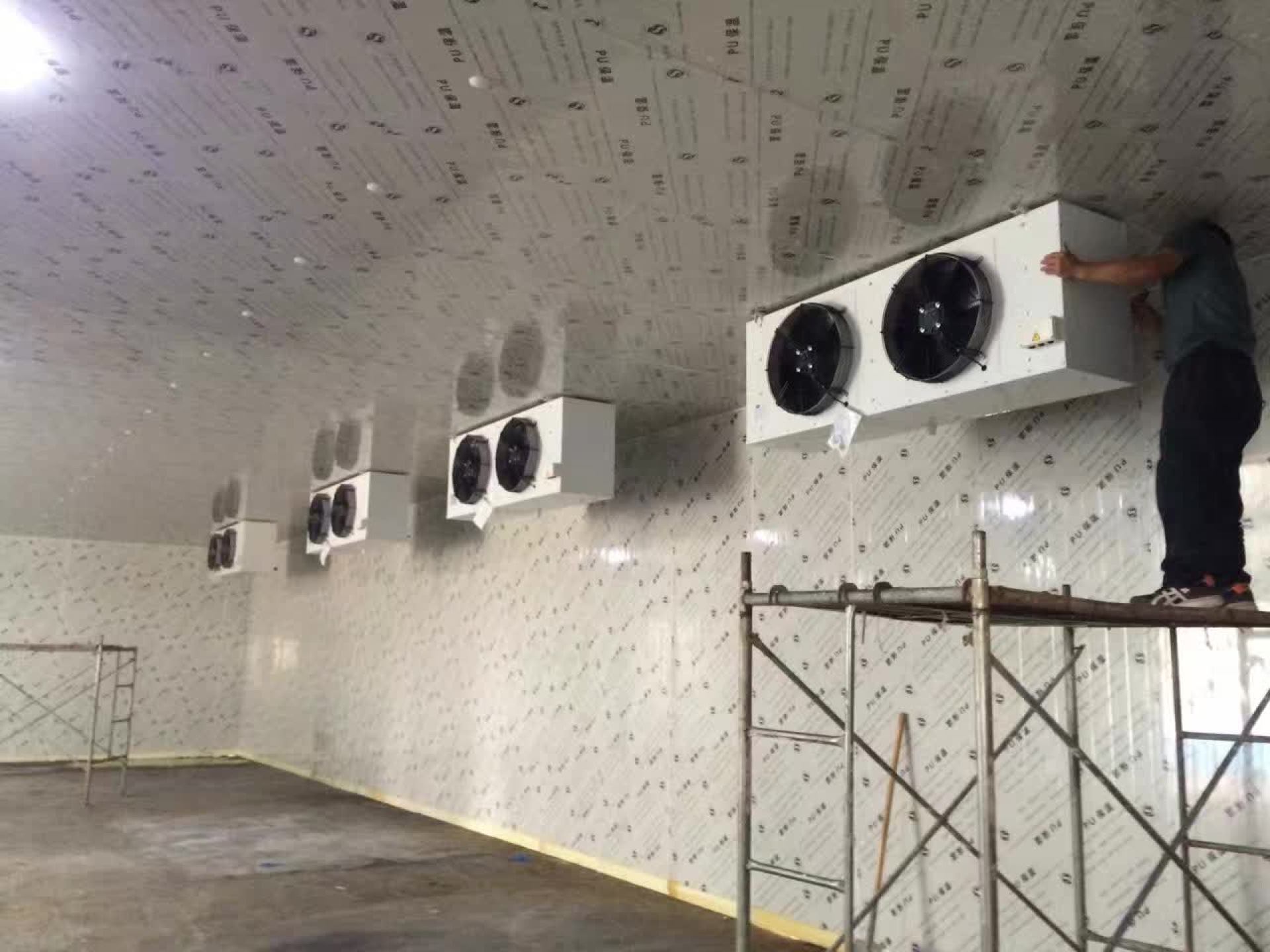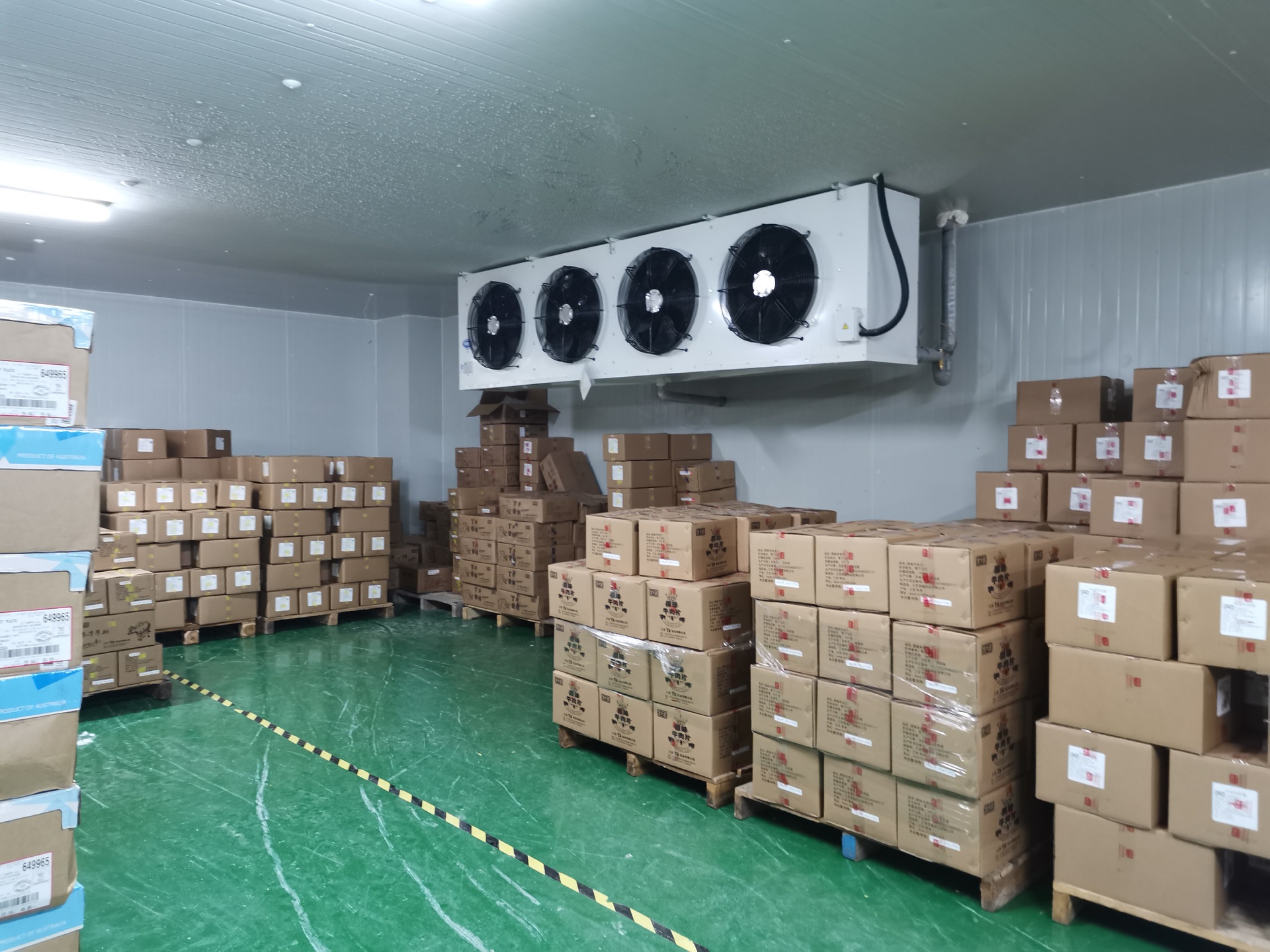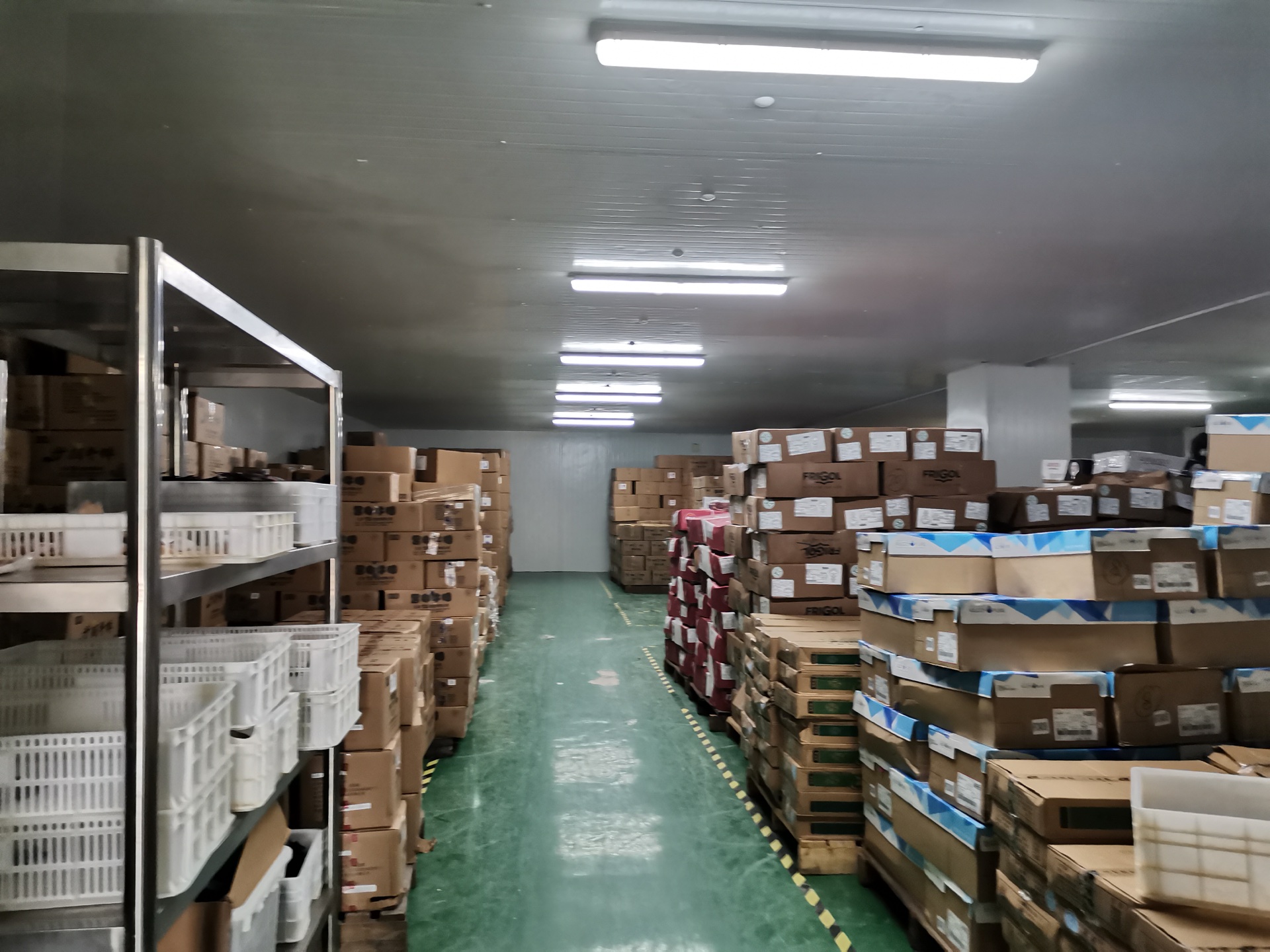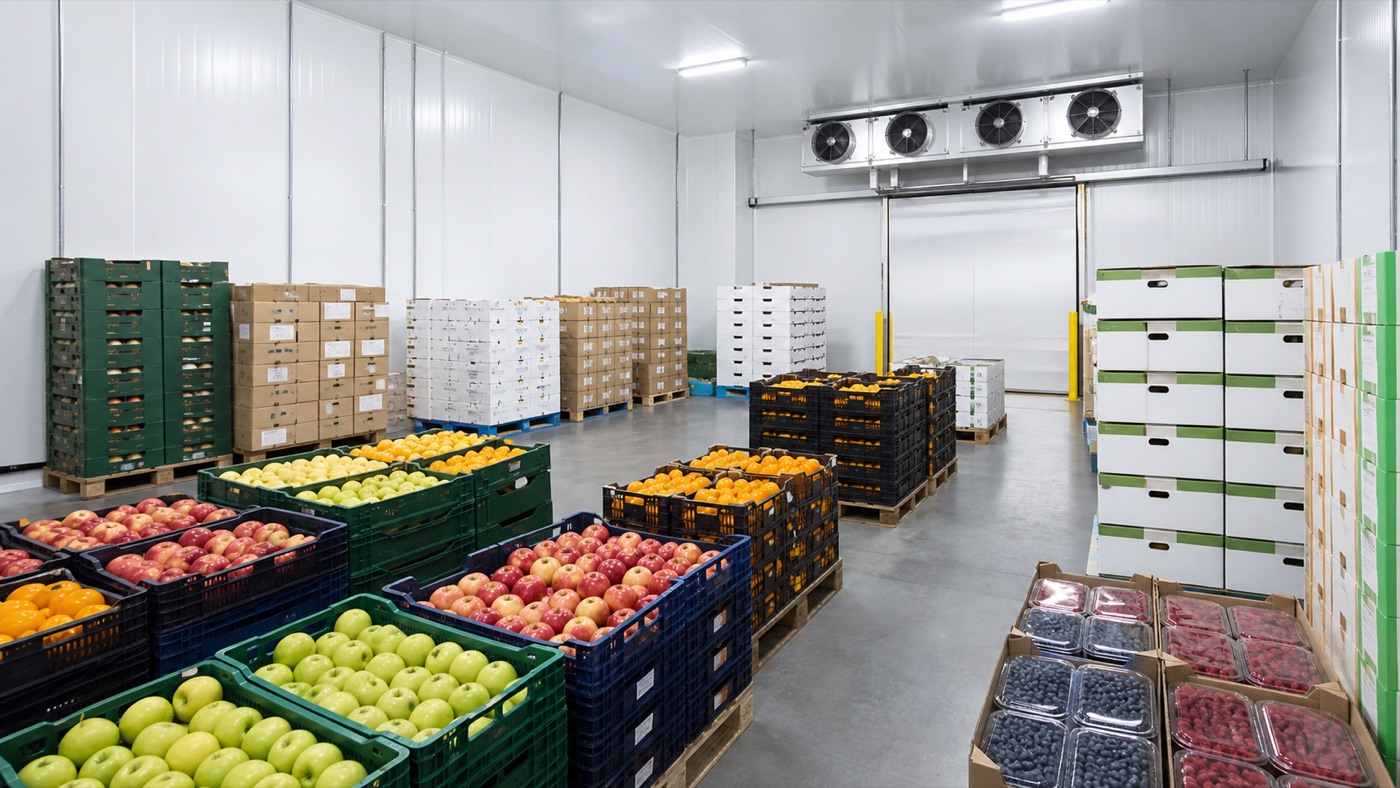
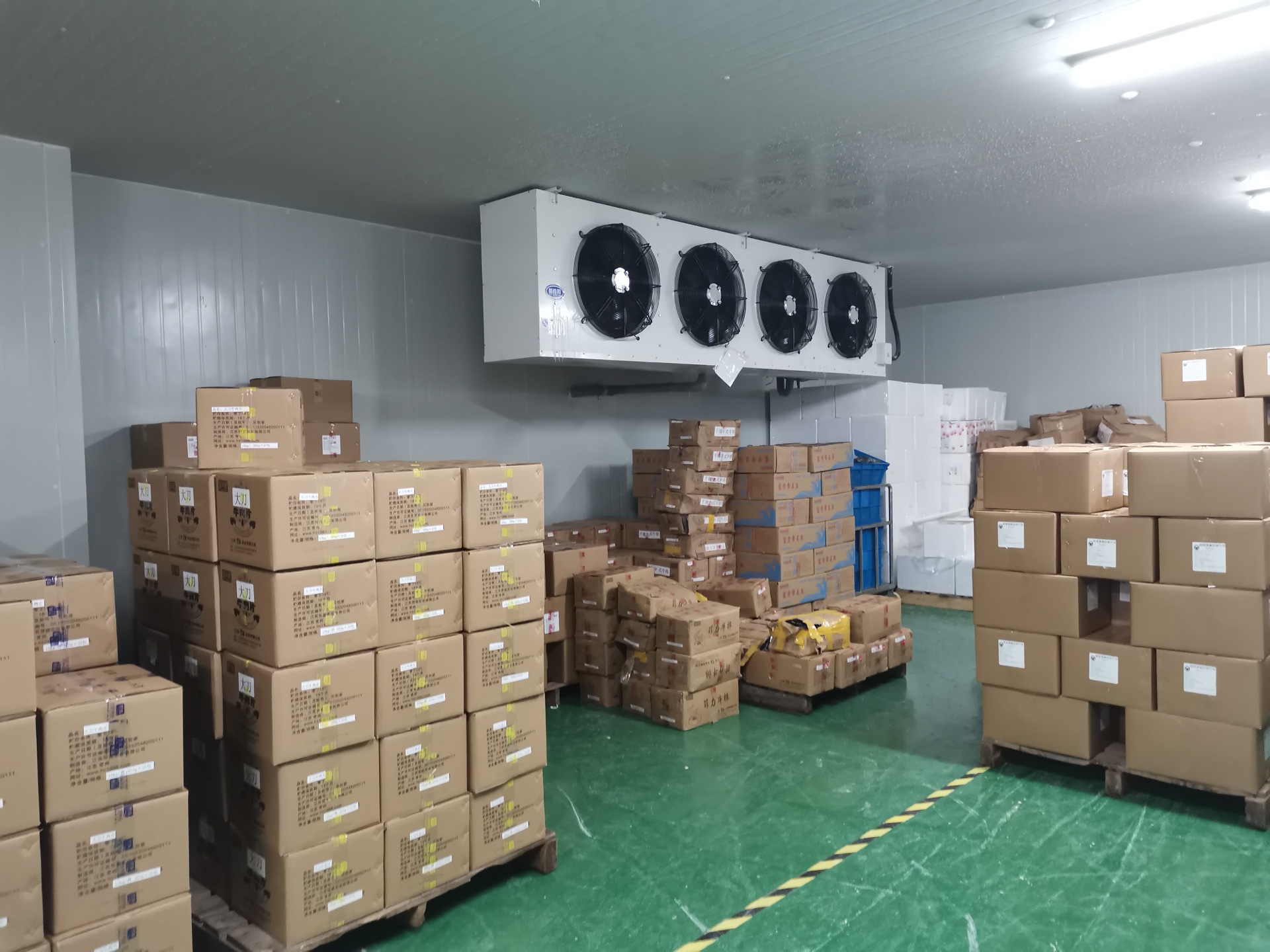
A cold room emergency call and safety alarm system is a small part of the equipment list, but it has a serious purpose. Personnel can enter a cold room for loading, cleaning, inspection, maintenance, or stock checking. If a person is unable to leave, cannot open the door normally, or needs help, the alarm system must make the situation visible and audible outside the room. The design should be simple, reliable, clearly labeled, and tested during commissioning.

JiangNan treats emergency call and safety alarm planning as part of the complete cold room package. The system should be coordinated with doors, lighting, control panels, power supply, room temperature, cable penetrations, and operator procedure. A safety device that is hidden behind product, mounted in the wrong place, or never tested is not a real safety function.
Cold Room Emergency Call Overview
| Item | Engineering Direction |
|---|---|
| Topic | Cold room emergency call and safety alarm system |
| Application | Cold rooms, freezer rooms, processing rooms, warehouses, loading corridors |
| Main purpose | Allow personnel inside the room to call for help and warn operators outside |
| Key components | Internal call button, pull cord or switch, visible lamp, audible alarm, reset control, emergency lighting |
| Main risk | Person trapped, alarm not heard, button blocked, cable failure, weak signage, untested reset |
| JiangNan scope | Interface review, door and lighting coordination, wiring guidance, commissioning checklist |
Engineering Scope
- Review room access, door type, operator traffic, and maintenance procedure.
- Place emergency call points where they remain reachable after product loading.
- Coordinate internal door release, emergency lighting, alarm lamps, buzzers, and remote alarm contacts.
- Seal cable penetrations through panels without creating cold bridges or air leakage.
- Define alarm reset method so the alarm is not silenced before the room is checked.
- Test call, indication, sound, reset, and power condition during commissioning.
Why Emergency Call Systems Matter
Modern cold room doors normally include internal release features, but an emergency call system is still valuable for large rooms, low temperature rooms, noisy sites, or rooms with frequent personnel entry. A person may be injured, disoriented, blocked by product, or unable to operate the door normally. The alarm system gives another path for help.
The system should not depend on memory alone. Clear call points, visible indicators, and operating procedure are needed. Operators outside the room should know what the alarm means and what action to take.
Call Point Location
The internal call point must be reachable. It should not be hidden behind pallets, blocked by racks, or placed only beside a door that may be obstructed. In larger rooms, multiple call points or pull cords may be appropriate. The location should consider forklift routes, product stacking, cleaning water, and low temperature gloves.
JiangNan recommends checking the final pallet layout before confirming call point positions. A perfect drawing can fail if the button is later covered by storage practice.
Audible and Visible Alarm
The alarm should be seen and heard where people can respond. A lamp outside the door helps identify which room has the call. An audible alarm helps in busy processing areas. For larger facilities, a remote signal to a control panel or monitoring point may be needed.
Alarm style should be distinct from normal refrigeration status. If operators confuse an emergency call with a minor equipment warning, response may be delayed. The reset point should be located so staff must acknowledge and check the situation, not simply silence the alarm from far away.
Door Release and Lighting
The emergency call system should be coordinated with the door. Internal release hardware should be accessible and reliable at low temperature. Door heaters, frame seals, pressure relief, and threshold condition can all affect door operation. The safest arrangement combines mechanical door release with an independent call signal.
Lighting also matters. A person inside the room should be able to find the exit and call point. Emergency lighting or backup lighting may be required depending on project rules and room use. Lighting cables should be routed and sealed correctly.
Wiring and Panel Penetrations
Alarm wiring often passes through insulated panels. Each penetration should be sealed to maintain vapor barrier and insulation performance. For freezer rooms, cable type, conduit sealing, and low temperature flexibility should be reviewed. Poor wiring details can create condensation, air leakage, or service failure.
JiangNan coordinates alarm wiring with the control box and room panel layout. The installer should know which terminals belong to call buttons, lamps, buzzers, reset circuits, and remote alarm outputs.
Alarm Logic and Reset
The alarm should remain active until it is acknowledged by the correct action. In some projects, pressing an internal call button activates lamp and buzzer, and a reset button outside the room silences the alarm only after response. In other projects, the signal is sent to a central monitoring panel. The sequence should be defined before wiring.
If the room has a PLC or central controller, the emergency call can be monitored, but the safety function should remain understandable and robust. Complicated logic is not helpful if operators do not know how to respond.
Freezer and High Ambient Notes
In low temperature rooms, buttons, cables, lamps, and enclosures must tolerate cold conditions. Ice buildup near doors can affect access and visibility. In high ambient markets, warm moist air near entrances may increase condensation and electrical enclosure stress. Sealing and enclosure selection should match the site.
For Saudi Arabia and similar climates, JiangNan also reviews loading corridor temperature and door traffic. A safety alarm system should remain reliable even when the entrance area is exposed to heat, dust, and frequent movement.
Related Resources
- Modular Cold Room – related JiangNan product and project information.
- Cold chain – external reference for basic technical background.
FAQ
Is an internal door release enough?
It is important, but an emergency call system provides an additional signal if a person cannot leave or needs help.
Where should the call button be installed?
It should be reachable after product loading and visible from normal access routes. Large rooms may need more than one point.
Should the alarm be audible or visible?
Both are useful. A visible lamp identifies the room, and an audible alarm attracts attention.
Can the alarm connect to a central panel?
Yes. Remote contacts or PLC monitoring can be included if the project requires central supervision.
What does JiangNan need?
Room size, door position, pallet layout, operator access plan, control panel position, and alarm response requirement are needed.
Request a Project Review
Send JiangNan your room layout, door arrangement, and operator access plan. We will review emergency call points, alarm indication, wiring, and commissioning checks for the cold room.