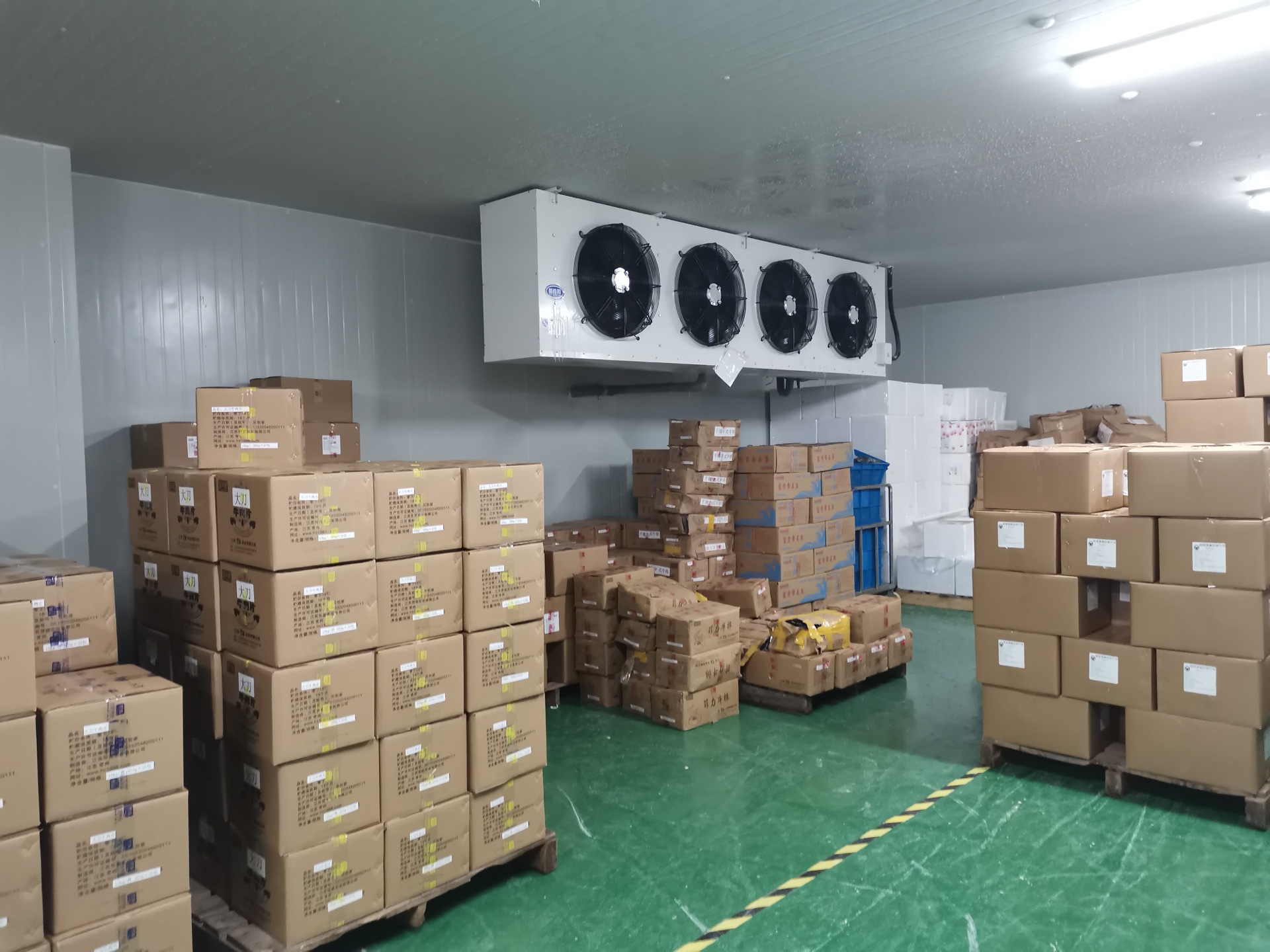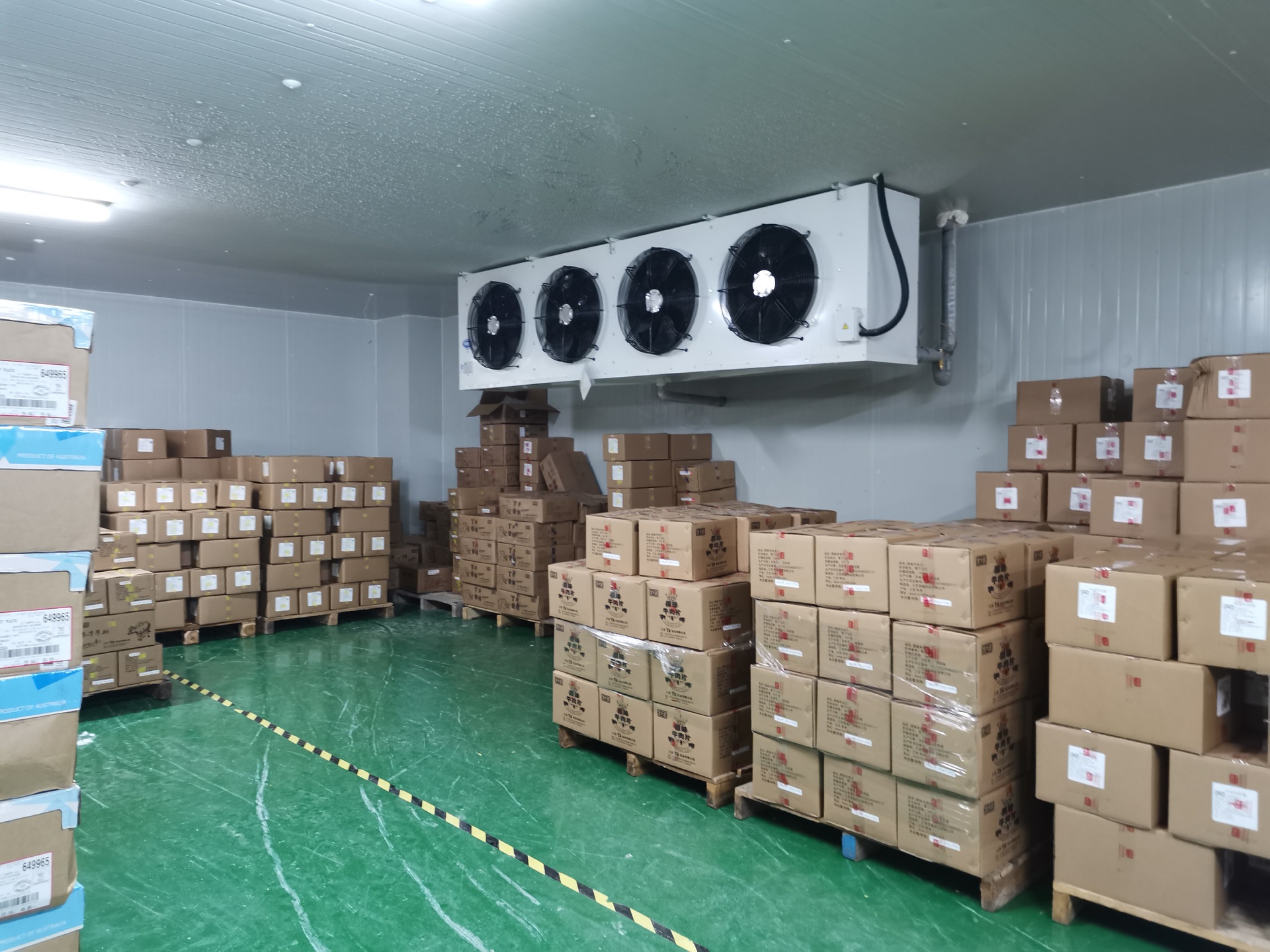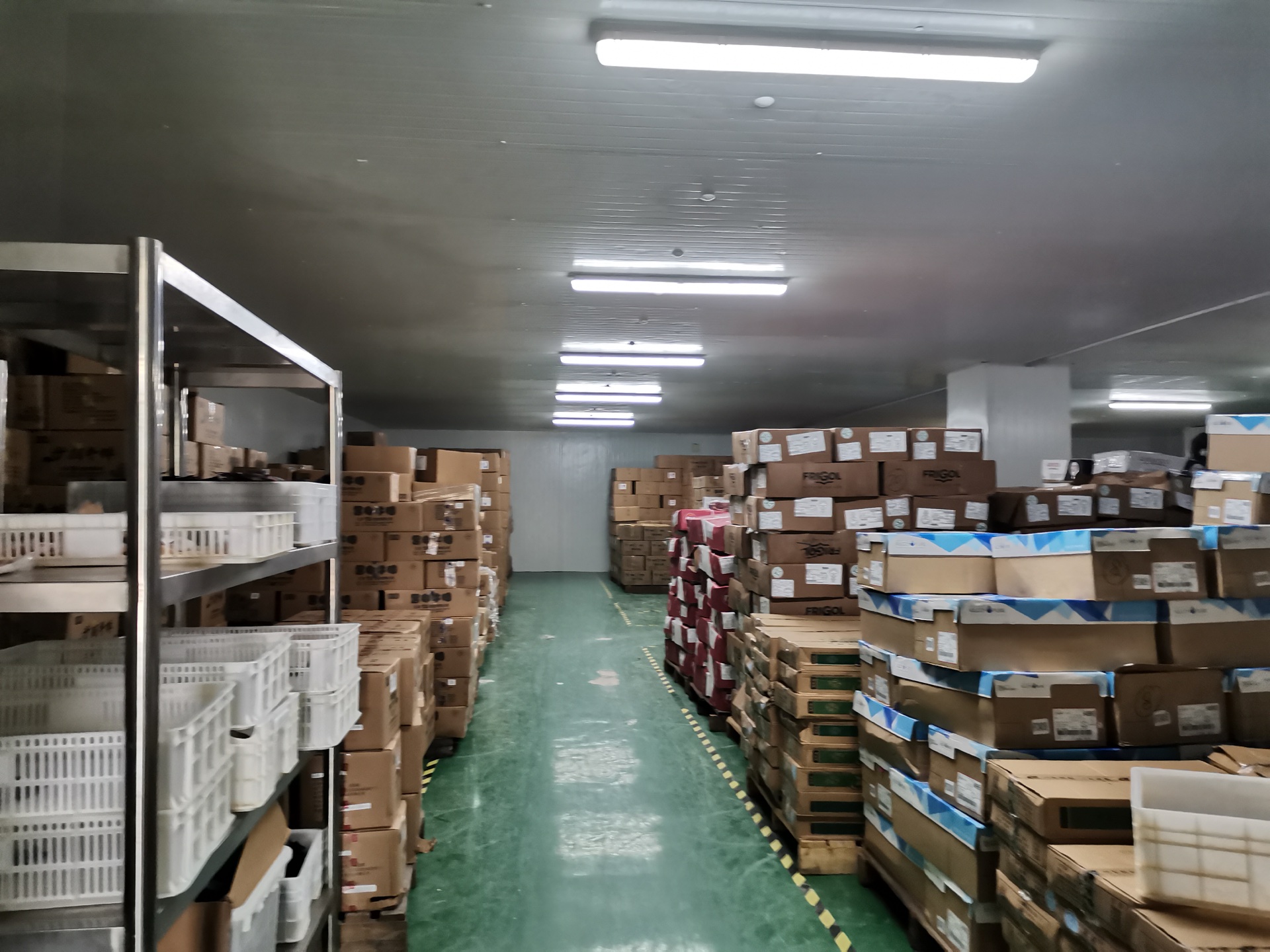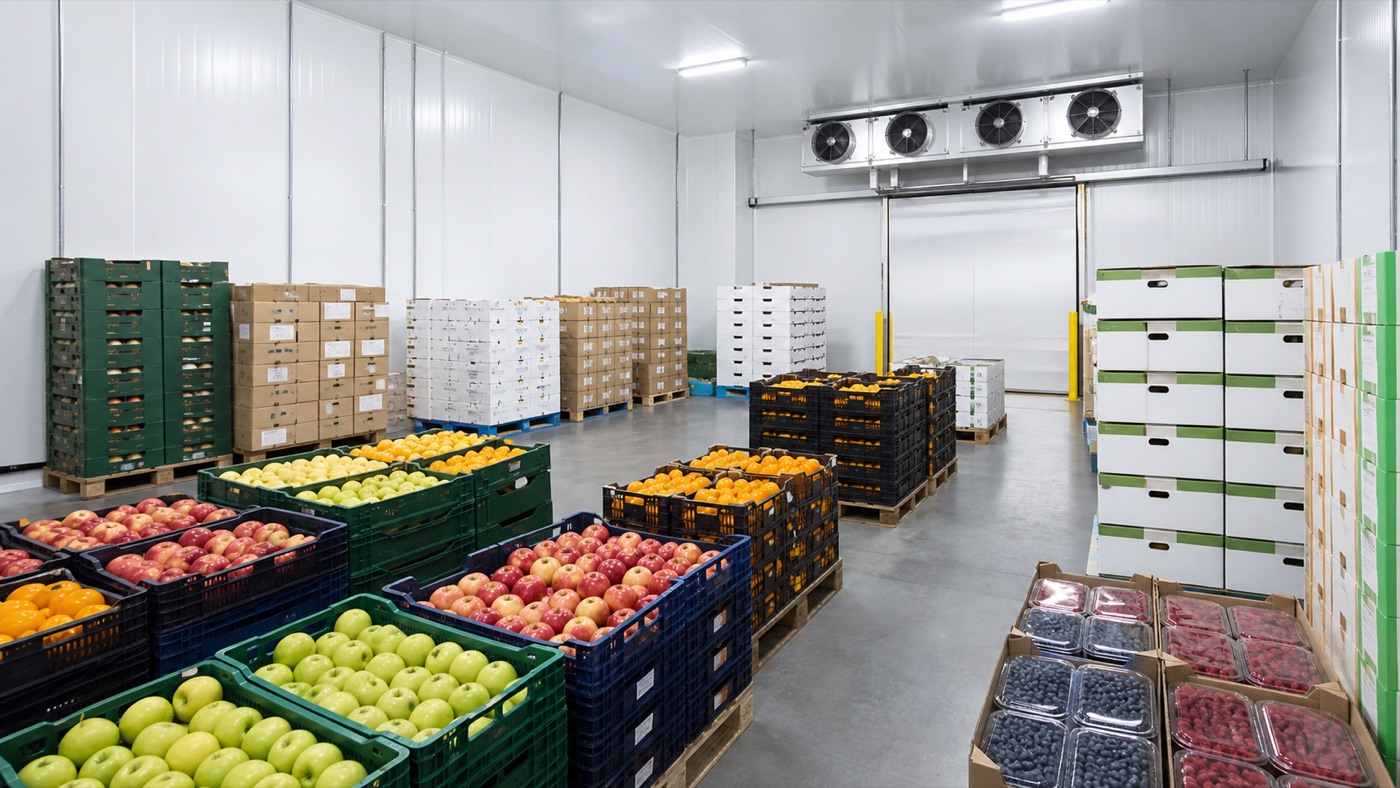
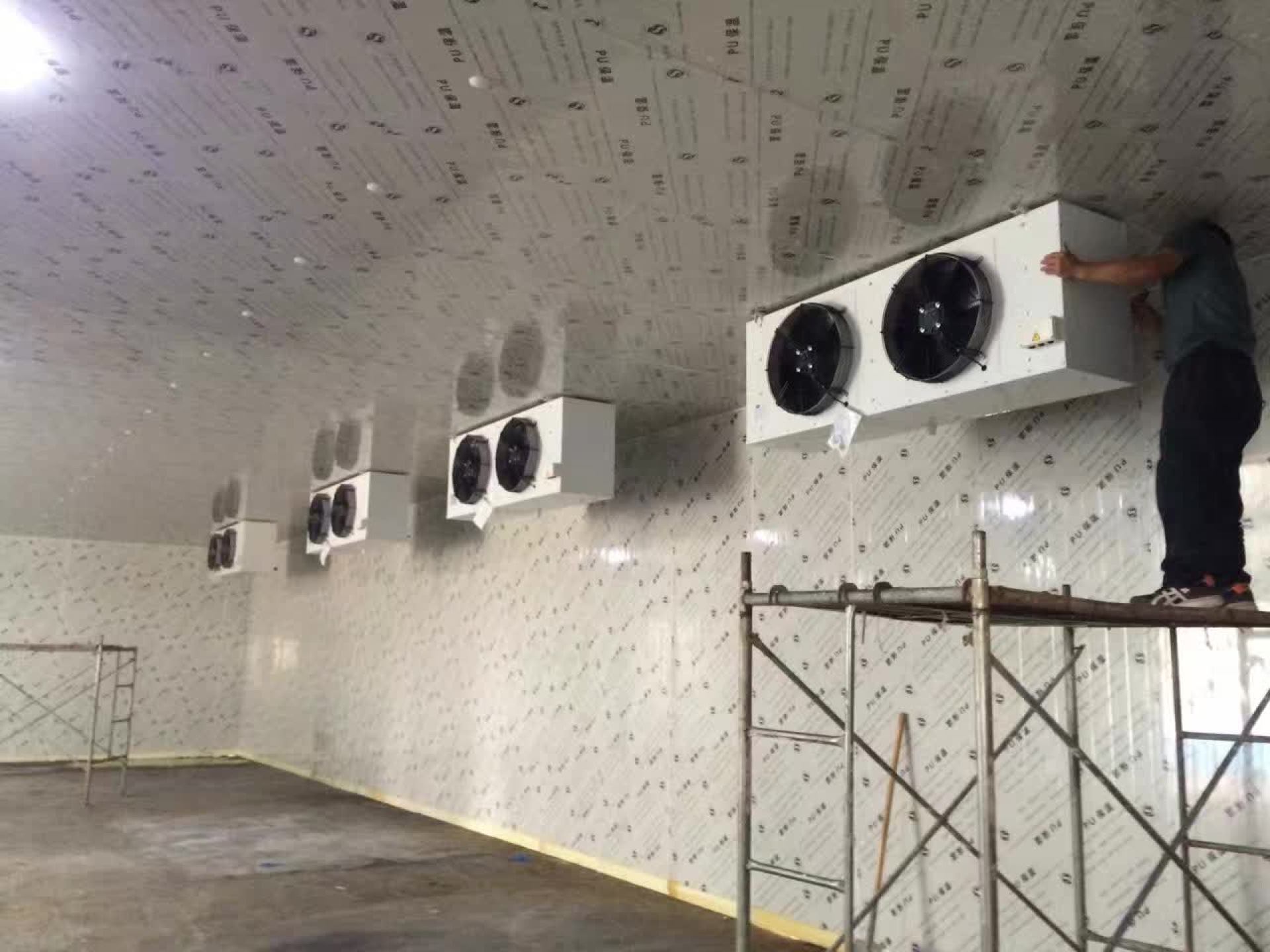
A complete cold room package is not a single product. It is a coordinated supply scope covering the insulated enclosure, access doors, refrigeration equipment, controls, installation materials and project documents needed for one specific site.
For a buyer, contractor or distributor, the main risk is usually not a missing headline item. It is an undefined interface: a drain without a heat trace decision, a door selected without traffic data, a condensing unit rated without the site ambient condition, or a shipment that contains panels but not the trims and sealing materials required to assemble them.
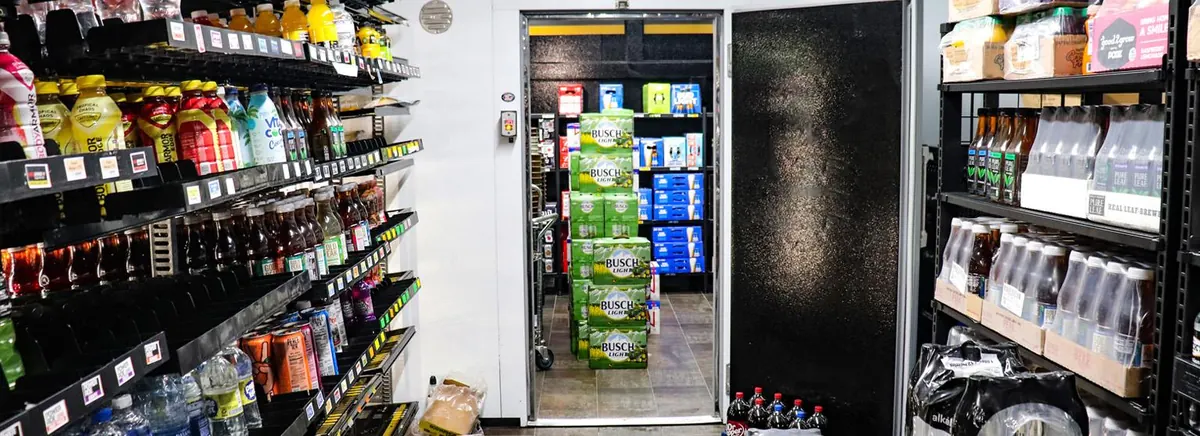
What should a complete cold room package include?
The exact scope changes with the project, but a useful quotation separates the package into clear systems. This makes it easier to compare suppliers and identify what must be purchased locally.
| System | Items that may be included | What the buyer should verify |
|---|---|---|
| Insulated enclosure | Wall, ceiling, partition and floor panels; trims; sealants; suspension parts | Panel material, thickness, joint system, floor arrangement and support method |
| Access | Hinged, sliding or special-purpose doors; frames; hardware; heaters where required | Clear opening, traffic type, operating temperature, opening direction and interface with the panels |
| Refrigeration | Condensing units or compressor racks, unit coolers, valves, controls and related accessories | Design condition, refrigeration load, power supply, refrigerant strategy and duty/standby requirement |
| Electrical and control | Cold room controller, control panel, lighting and alarm interfaces | Voltage, control philosophy, remote monitoring interface and division of site wiring |
| Installation materials | Fasteners, sealing materials, pipe insulation, drain accessories and small fittings | Which materials are shipped and which are sourced by the installation contractor |
| Documents and packing | Layout drawings, component list, packing list, marks and installation information | Approval process, document language and room-by-room identification |
JiangNan can supply a complete package or a defined part of it. The important point is that the quotation states the boundary clearly. “Complete” should never be used as a substitute for an itemized scope.
Start with a design basis, not an equipment list
A reliable package begins with the operating requirement. Before equipment is selected, the supplier needs enough information to establish the enclosure heat gain, product load, infiltration load and operating pattern.
- Internal room dimensions and the number of temperature zones
- Product type, packaging and storage arrangement
- Target room temperature and acceptable operating range
- Incoming product temperature, daily loading and required pull-down time
- Site ambient temperature, humidity and equipment location
- Door size, door-opening frequency and pallet or forklift traffic
- Power supply and any restrictions on refrigerants or controls
- Installation country, site access and the requested supply boundary
If these inputs are not available, a supplier can prepare only a preliminary budget. Refrigeration capacity, panel construction and the final bill of materials should not be treated as confirmed until the design basis is agreed.
Define the supply boundary line by line
Items normally reviewed with the factory package
The factory package can cover insulated panels, cold room doors, refrigeration equipment, controls and the dedicated accessories required to assemble those products. For modular rooms, the panel layout and joint details are normally coordinated before production. Buyers comparing packaged systems can also review JiangNan’s modular cold room configuration.
Items that may remain with the local contractor
Civil foundations, structural steel, floor slabs, main power distribution, site wiring, drainage, lifting equipment, refrigeration piping labor, refrigerant charging and installation labor may be local or optional. The division varies by project and contract. It should be stated explicitly rather than assumed.
A good scope sheet uses three simple labels: included, excluded and by others. This is more useful than a long sales description because it exposes gaps before the purchase order.
Panels, doors and refrigeration must be coordinated
The enclosure, openings and refrigeration system influence one another. Panel construction affects heat gain. A large or frequently opened door increases infiltration. Product entering above the storage temperature adds a load that may be much greater than the transmission load through the walls.
The panel specification should therefore be reviewed with the operating temperature and site condition, not selected from room size alone. See the available cold room panel options for the enclosure side of the package.
Door selection also starts with use. A small personnel door, a pallet opening and a high-frequency logistics opening need different hardware and traffic control. Where pallet movement is the main requirement, the cold room sliding door page shows the relevant product direction. The final clear opening and frame details still need to match the panel layout and floor level.
Refrigeration equipment is selected after the loads and design conditions are known. A larger compressor does not correct poor airflow, uncontrolled door traffic or an incomplete vapor seal. Conversely, good panels cannot compensate for equipment selected without the product pull-down requirement.
Documents that should be approved before production
For a multi-component package, written approval is as important as the hardware. The document set should be proportionate to the project, but it commonly includes:
- Room layout with internal dimensions, partitions and door positions
- Panel layout or panel identification plan
- Door schedule with clear openings and operating directions
- Refrigeration equipment schedule and design conditions
- Electrical data and control responsibility
- Supply-scope list, exclusions and site responsibilities
- Packing list and shipment marks
Changes after panel production can affect several systems at once. Moving a door, for example, may change panel cuts, structural support, wiring and traffic flow. Approval drawings reduce this risk.
Export packing and room-by-room identification
Export packing is part of project coordination. Long panels require surface and edge protection. Doors and refrigeration equipment need suitable handling support. Small components should be grouped and listed so they are not lost during unloading.
For projects with several rooms, each panel, door and accessory group should be identifiable against the packing list. This allows the local team to distribute materials before installation instead of opening every package to find one component.
A real example of the coordination required between multiple rooms and a shared plant can be seen in the central refrigeration system for multi-room cold storage project.
How to compare two package quotations
Price comparisons are meaningful only when the design basis and scope are the same. Check the following before choosing a supplier:
- Are internal dimensions or external dimensions being quoted?
- Are floor panels, floor insulation or civil floor work included?
- Is the door clear opening stated?
- Are refrigeration ratings based on the same ambient and room conditions?
- Does the load include product pull-down and door traffic?
- Are controls, valves, piping materials, drains and installation accessories itemized?
- Are installation labor, commissioning and refrigerant included or excluded?
- Are drawings, packing marks and technical support defined?
A lower price can simply mean a narrower boundary. The comparison should identify that difference before commercial negotiation.
Information to send for a useful quotation
A room sketch is helpful, but it is not enough by itself. Send the room dimensions, application, product, target temperature, incoming condition, daily load, site ambient, voltage, door traffic and requested scope. For several rooms, provide the data room by room.
If some information is not yet confirmed, mark it as preliminary. JiangNan can then separate assumptions from confirmed inputs and identify which decisions are required before production.
Frequently asked questions
Does a complete cold room package include installation?
Not automatically. Installation labor, lifting, site piping, wiring, refrigerant and commissioning may be included, optional or provided locally. The quotation should state each responsibility.
Can the refrigeration system be quoted before the daily product load is known?
A preliminary allowance is possible, but final selection requires product type, incoming temperature, daily loading, pull-down expectation, room condition and site ambient data.
Can panels and refrigeration equipment come from different suppliers?
Yes, but one party must coordinate the design basis, door openings, equipment positions, penetrations, drains and supply interfaces. Otherwise gaps may appear at installation.
What is the best way to avoid missing accessories?
Approve an itemized scope and drawing set, then use a room-by-room packing list. Small installation materials should be listed instead of being covered by a general “complete package” description.
Request a coordinated cold room package review
Send JiangNan your layout, room data, product-loading information, site conditions, voltage and required supply boundary. We will review the insulated enclosure, doors, refrigeration equipment and installation interfaces as one package, then identify assumptions and exclusions clearly in the proposal.