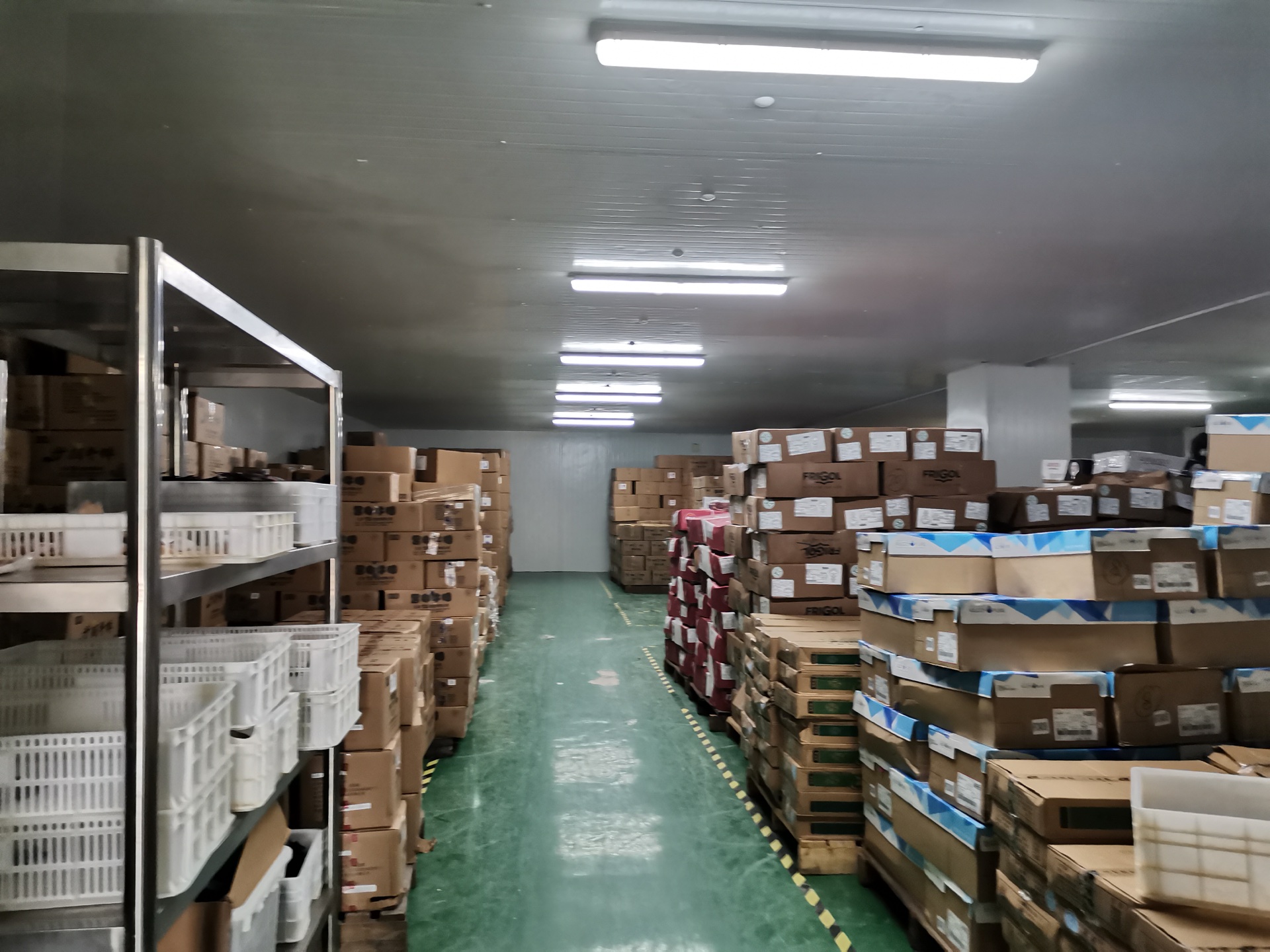
For Cold Room Auxiliary Room, JiangNan reviews insulation, refrigeration, doors, installation conditions, and project details before recommending a cold room solution. Industrial cold rooms rarely work alone. A processing plant may need receiving areas, pre-cooling rooms, freezing rooms, frozen storage, packing rooms, staging rooms, machine rooms, electrical rooms, changing rooms, cleaning areas, and loading docks. If auxiliary rooms are ignored during cold room planning, the main cold rooms may be technically correct but difficult to operate.
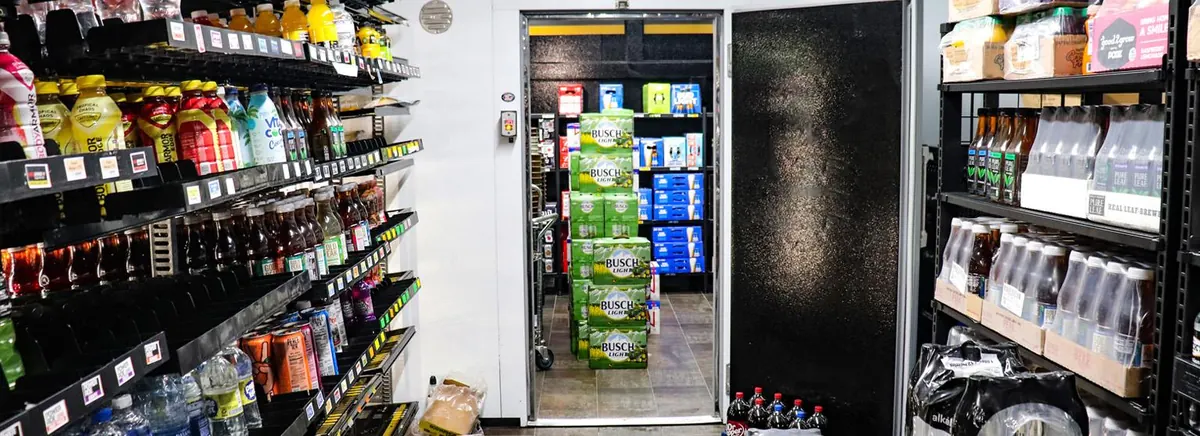
JiangNan reviews auxiliary room layout with product flow, hygiene zoning, door traffic, refrigeration equipment, and installation access. This is especially important for seafood, meat, fruit, vegetable, and frozen food plants where warm, wet, clean, and frozen zones must be separated.
Cold Room Auxiliary Room Overview
| Item | Engineering Direction |
|---|---|
| Topic | Cold room auxiliary room layout |
| Application | Food processing plants, seafood plants, meat plants, vegetable processing rooms |
| Main purpose | Coordinate support spaces around cold rooms for practical operation |
| Key areas | Packing room, staging room, machine room, electrical room, changing room, cleaning area |
| Main risk | Crossflow, long door open time, poor hygiene separation, service access conflict |
| JiangNan scope | Layout review, door coordination, refrigeration equipment placement, installation support |
Engineering Scope
- Review product flow from receiving to processing, freezing, storage, and dispatch.
- Separate warm, chilled, frozen, clean, and service areas.
- Coordinate packing and staging rooms with cold room doors.
- Plan machine room and condenser access before equipment selection.
- Keep electrical panels and control boxes in serviceable locations.
- Review drainage, cleaning, and personnel movement.
Packing and Staging Rooms
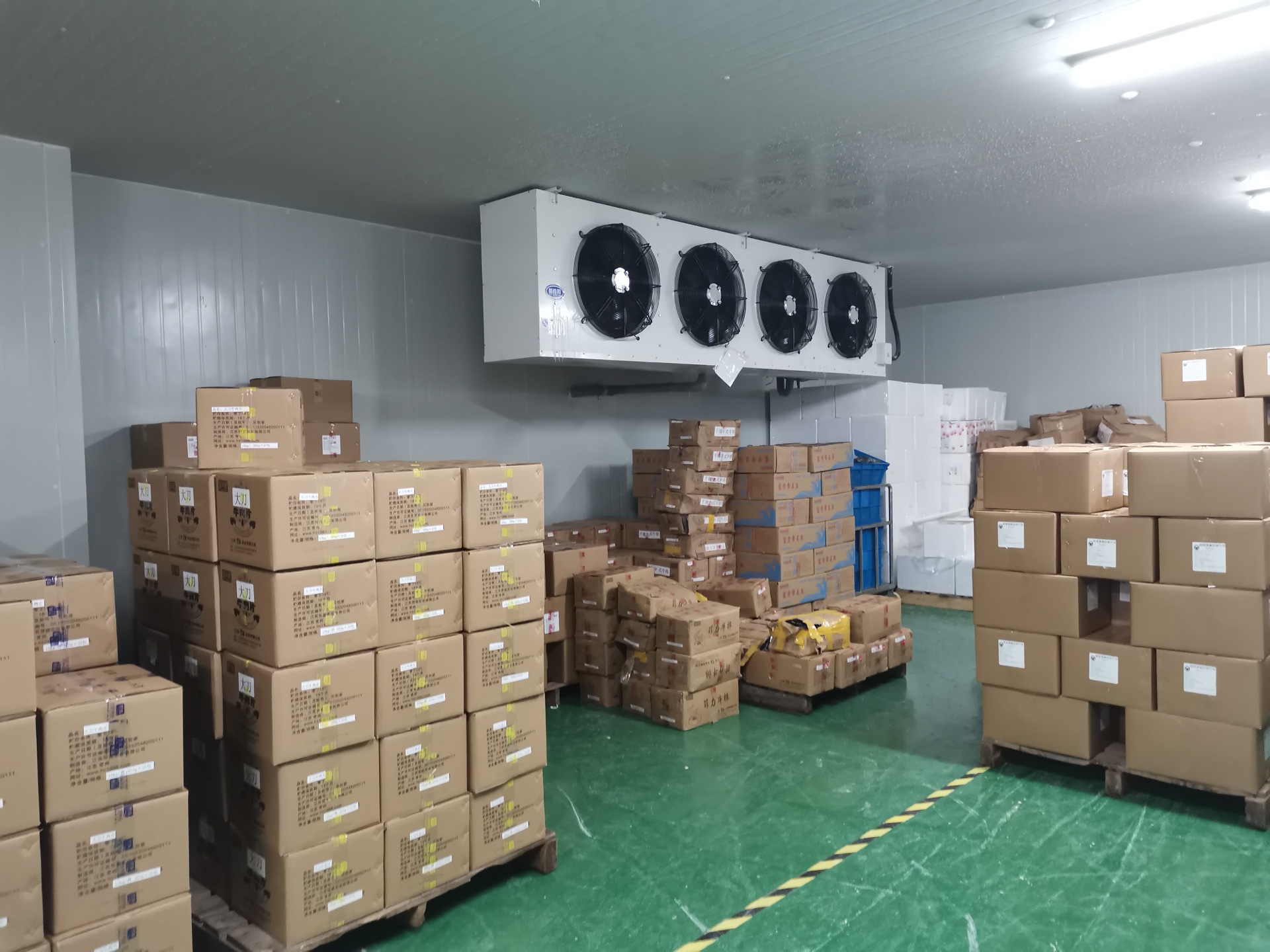
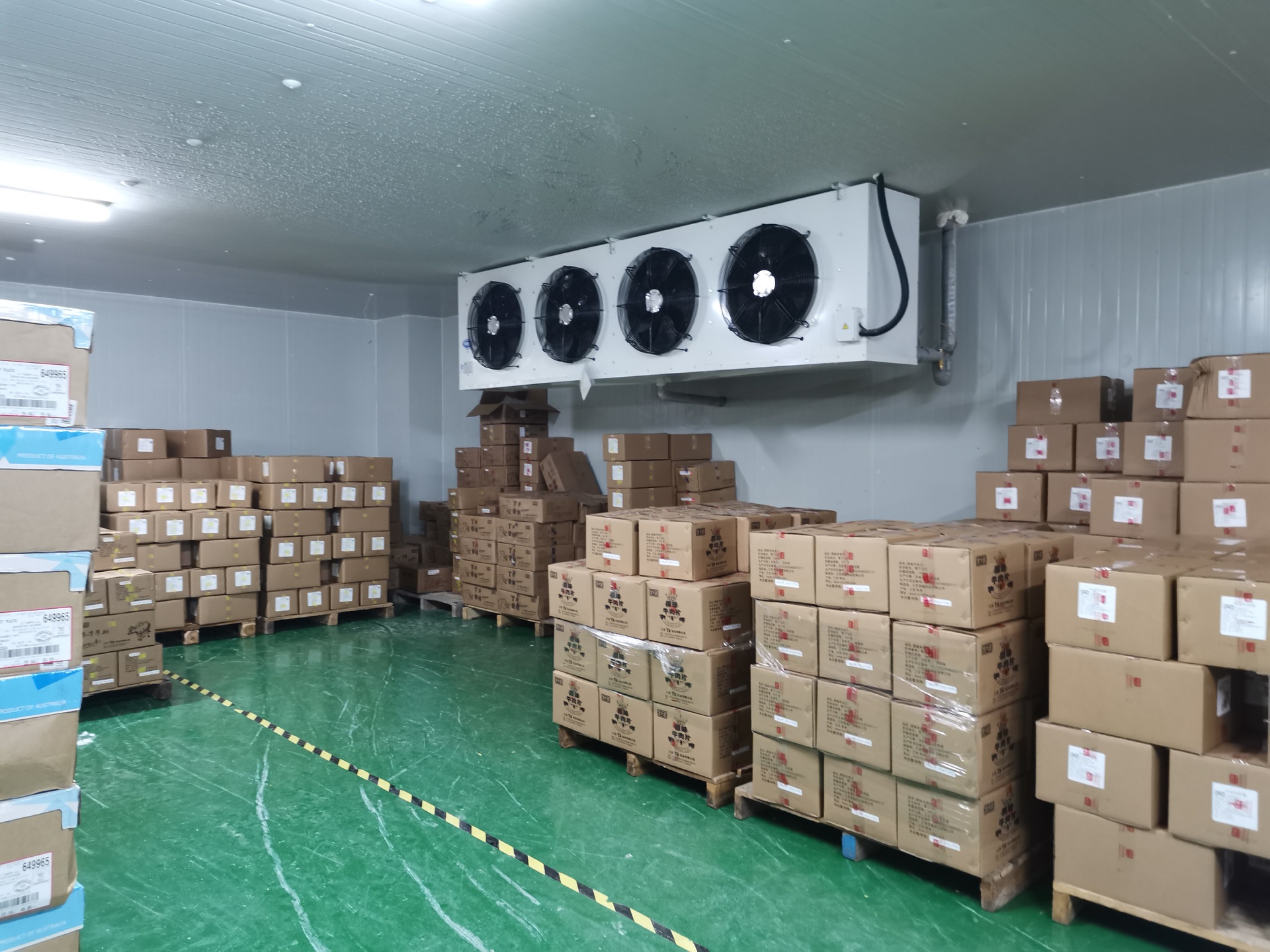
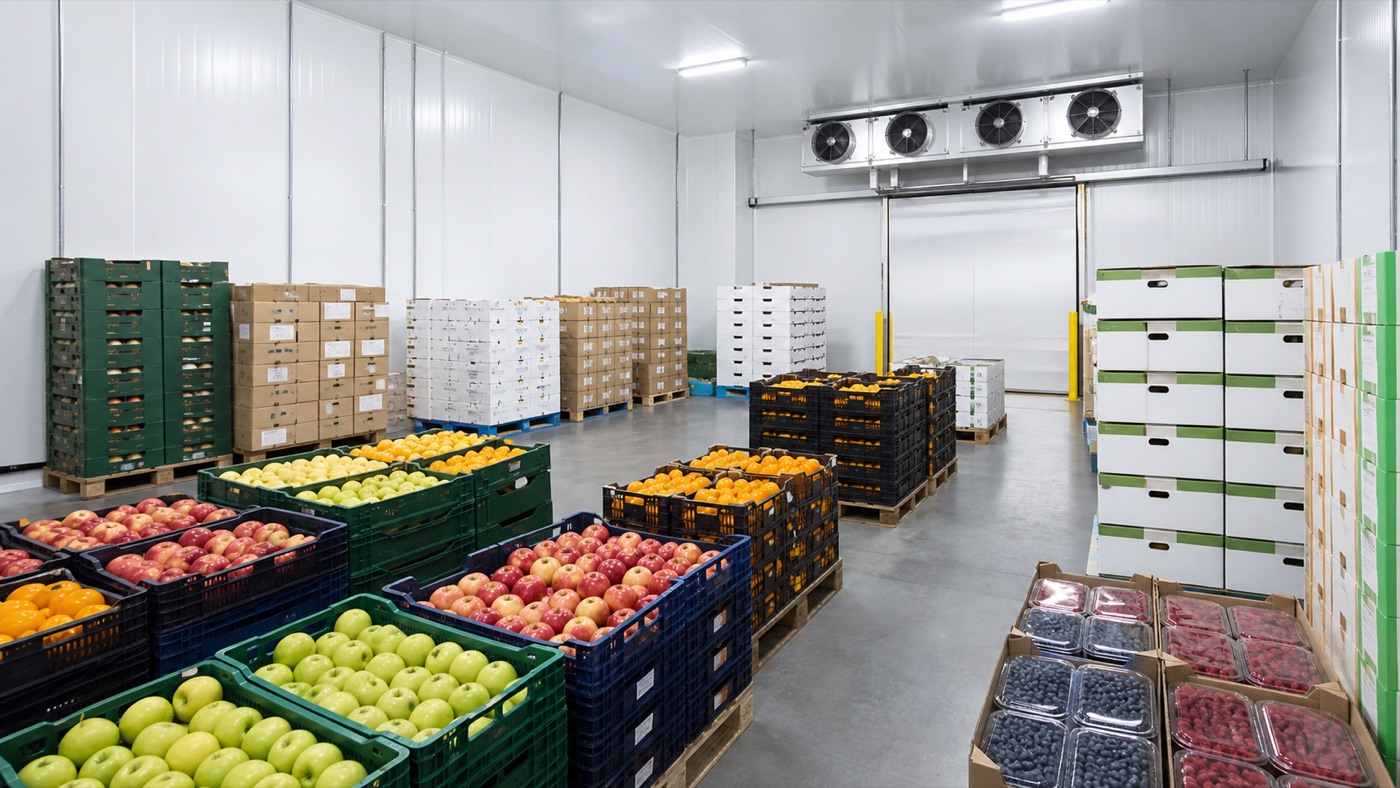
Packing rooms often need controlled temperature but not necessarily the same temperature as frozen storage. Workers need space, lighting, packing tables, and access to product without keeping freezer doors open. A staging room can reduce the temperature shock between processing and frozen storage.
JiangNan reviews packing and staging rooms because they influence door load and workflow. If product must wait in a warm corridor before entering a freezer, the freezing room receives extra load. If packing is done inside a freezer room, workers may struggle and doors may remain open too long.
Machine Room Layout
The machine room should allow safe installation, operation, and service. Compressors, receivers, pumps, vessels, control panels, valves, and gauges require clearance. A machine room that is too small can force poor pipe routes and difficult maintenance.
JiangNan checks equipment access, lifting path, ventilation, pipe route, drainage, and electrical separation. The refrigeration layout should be decided before the building is fixed where possible.
Electrical and Control Areas
Electrical panels should be protected from water, heat, and mechanical damage. They should be accessible for troubleshooting and should be clearly linked to room circuits. In processing plants, washdown areas should be separated from sensitive electrical components.
For export projects, JiangNan marks control circuits and room names so local electricians can connect sensors, heaters, fans, doors, and solenoid valves correctly.
Personnel and Hygiene Flow
Changing rooms, hand washing areas, tool storage, and cleaning points affect hygiene. Product flow and personnel flow should avoid unnecessary crossing. Warm dirty zones should not open directly into frozen clean zones without control.
JiangNan reviews door direction, corridor temperature, floor drainage, and cleaning access. A cold room layout that looks compact on a drawing may create hygiene problems if movement is not considered.
Loading Dock and Door Traffic
Loading docks create large heat and moisture loads. If a freezer room opens directly to a hot dock, frost and floor ice can increase. A chilled staging room, air curtain, rapid door, or better loading schedule may reduce load.
Door size should match traffic equipment, but oversizing door openings increases heat gain. JiangNan coordinates door selection with pallet movement, forklift path, and product flow.
Drainage and Cleaning Support
Processing plants need cleaning access. Washdown areas, floor drains, hose points, and cleaning tool storage should be planned so water does not move into freezer rooms or electrical areas. A wet floor in a chilled room is a hygiene issue; a wet floor in a freezer room can become an ice hazard.
JiangNan reviews drainage direction with door thresholds, floor slope, evaporator drain lines, and product traffic. Auxiliary rooms can be used to separate wet cleaning areas from low temperature storage areas. This reduces frost formation and protects floor safety.
Service Route for Equipment
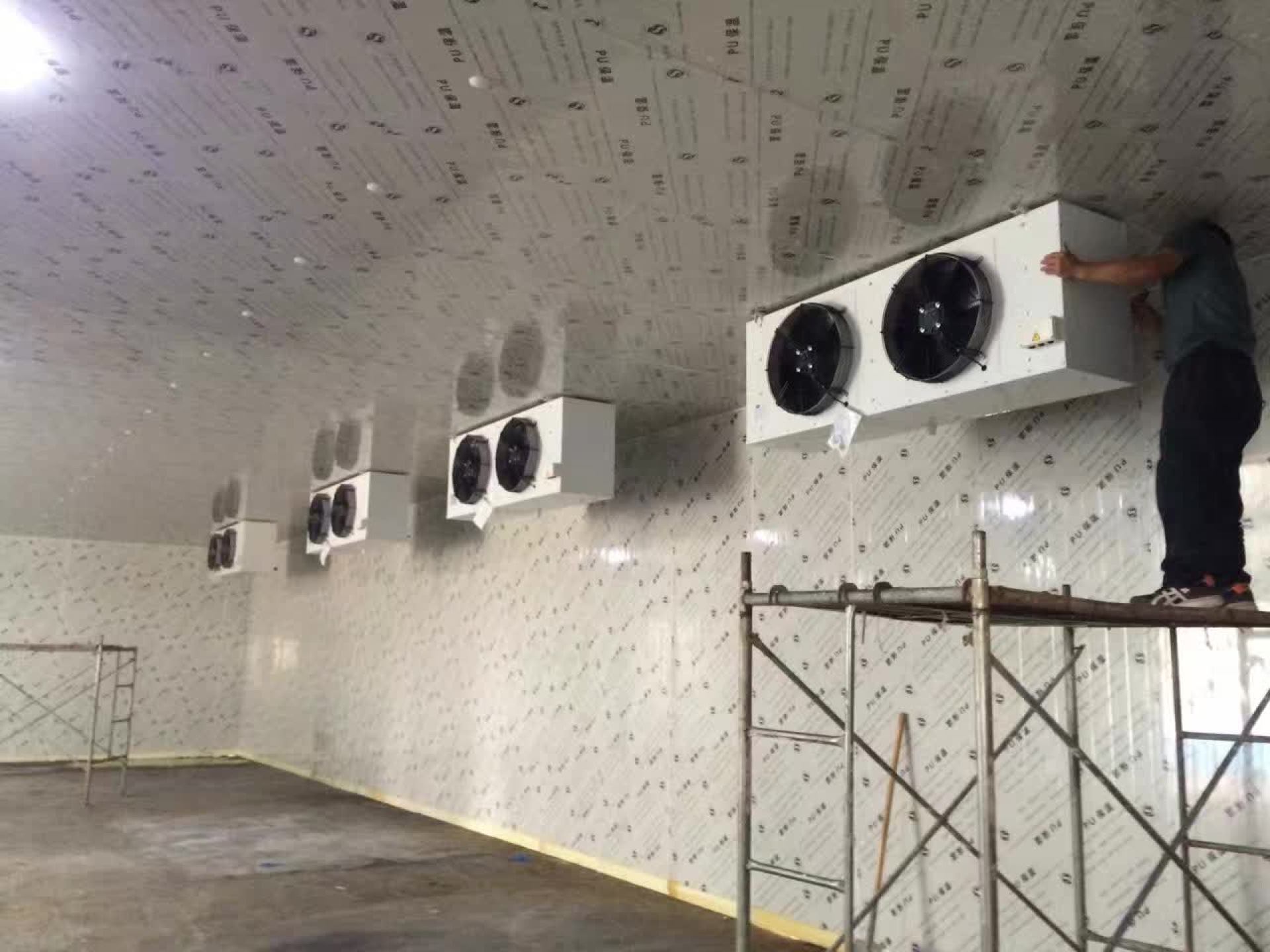
Auxiliary layout should include service routes for evaporators, condensers, compressors, control panels, and valves. If technicians must move through product zones or block production flow to reach equipment, maintenance becomes difficult. A good layout leaves access for fan replacement, filter inspection, drain cleaning, and control troubleshooting.
This is why JiangNan reviews equipment service access at the same time as room layout, not after panel installation.
Service routes should also consider future replacement of larger components. A compressor, evaporator fan section, door frame, or control cabinet may need to be removed years after installation. If the only path is blocked by fixed walls or production tables, routine service can become a major shutdown event. This should be avoided during layout review.
High Ambient Temperature Notes
High ambient regions need careful auxiliary room planning. In Saudi Arabia and similar markets, loading areas, roof equipment, and outdoor condensers face severe heat. Machine room ventilation and condenser airflow should not be treated as afterthoughts.
Auxiliary spaces can protect the cold chain when designed correctly. A shaded staging area or controlled corridor can reduce door load and improve room stability.
Related Resources
- Modular Cold Room – related JiangNan product and project information.
- Cold chain – external reference for basic technical background.
FAQ
Why are auxiliary rooms important?
They control product flow, worker access, packing, loading, service access, and hygiene separation around the main cold rooms.
Should packing happen inside a freezer room?
Usually it is better to use a suitable packing or staging room unless the process specifically requires freezer work.
What should be considered for machine room layout?
Service clearance, ventilation, lifting path, pipe route, drainage, and electrical access should be reviewed.
How does auxiliary layout affect refrigeration?
Door traffic, staging temperature, cleaning moisture, and loading flow change the heat and moisture load on cold rooms.
What information does JiangNan need?
Process flow, room list, product movement, door traffic, equipment locations, and site layout are needed.
Request a Project Review
Send JiangNan your plant flow, room list, loading route, and equipment location. We will review auxiliary room layout together with the cold room system.