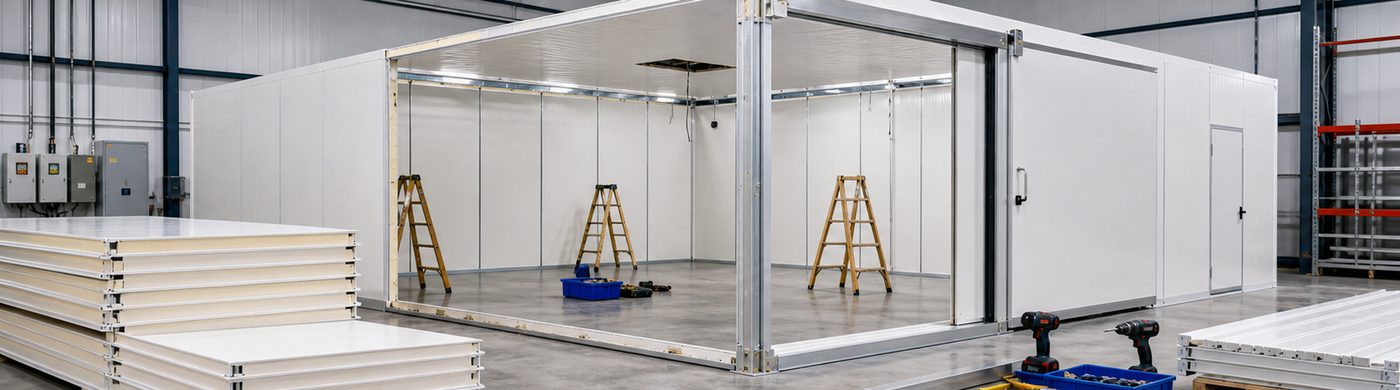
Cold Room Installation Guide for Panels, Doors and Refrigeration Systems
A cold room installation is easier to manage when the site team knows which checks must be completed before the next trade begins. Panels, doors, refrigeration and electrical equipment may arrive as separate packages, but the completed room must match one approved specification.
This guide is a coordination checklist for buyers and project managers. The assembly sequence and technical procedures must come from the approved drawings, the supplied equipment manuals and the responsible installers. Use the checklist to organise those instructions, not to replace them.
Prepare the work area and document pack
Before delivery, confirm access for unloading, suitable material storage and the readiness of the building and floor. Identify the person who can accept deliveries and the person authorised to answer drawing questions. Check that installation teams have the current drawing revision rather than an earlier quotation sketch.
The document pack should include the room layout, panel identification plan, door schedule, equipment list and relevant installation instructions. Add a list of work excluded from the supply contract so that local contractors can confirm those items are covered.
Check deliveries against the packing list
Inspect the delivered packages and record visible damage or shortages before materials are distributed around the site. Match labels to the packing list and planned installation areas. Keep photographs associated with the package references so that any query can be traced to an identifiable item.
Do not discard labels or hardware descriptions before the team has identified their purpose. Separate components by room or assembly where the packing method permits. Ask the supplier how items should be stored and protected while waiting for installation.
Release the enclosure work from verified information
Confirm the approved base layout and floor readiness before panel assembly begins. Review the door positions, room dimensions and building interfaces together. If site measurements disagree with the drawing, stop that part of the sequence and resolve the discrepancy through a recorded revision.
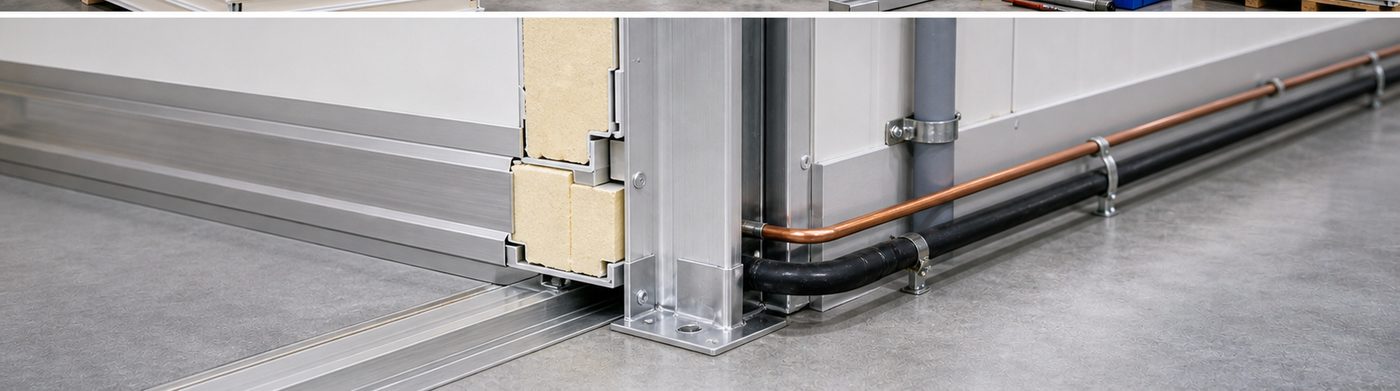
During assembly, use the supplied panel numbering and connection instructions. Record inspection of joints, corners, openings and support details at the points specified by the project team. Concealed work should be checked before it becomes difficult to access.
The panel product specification and approved shop drawings should describe the ordered system. They should not be replaced on site by a remembered detail from a different project.
Manage trade handovers
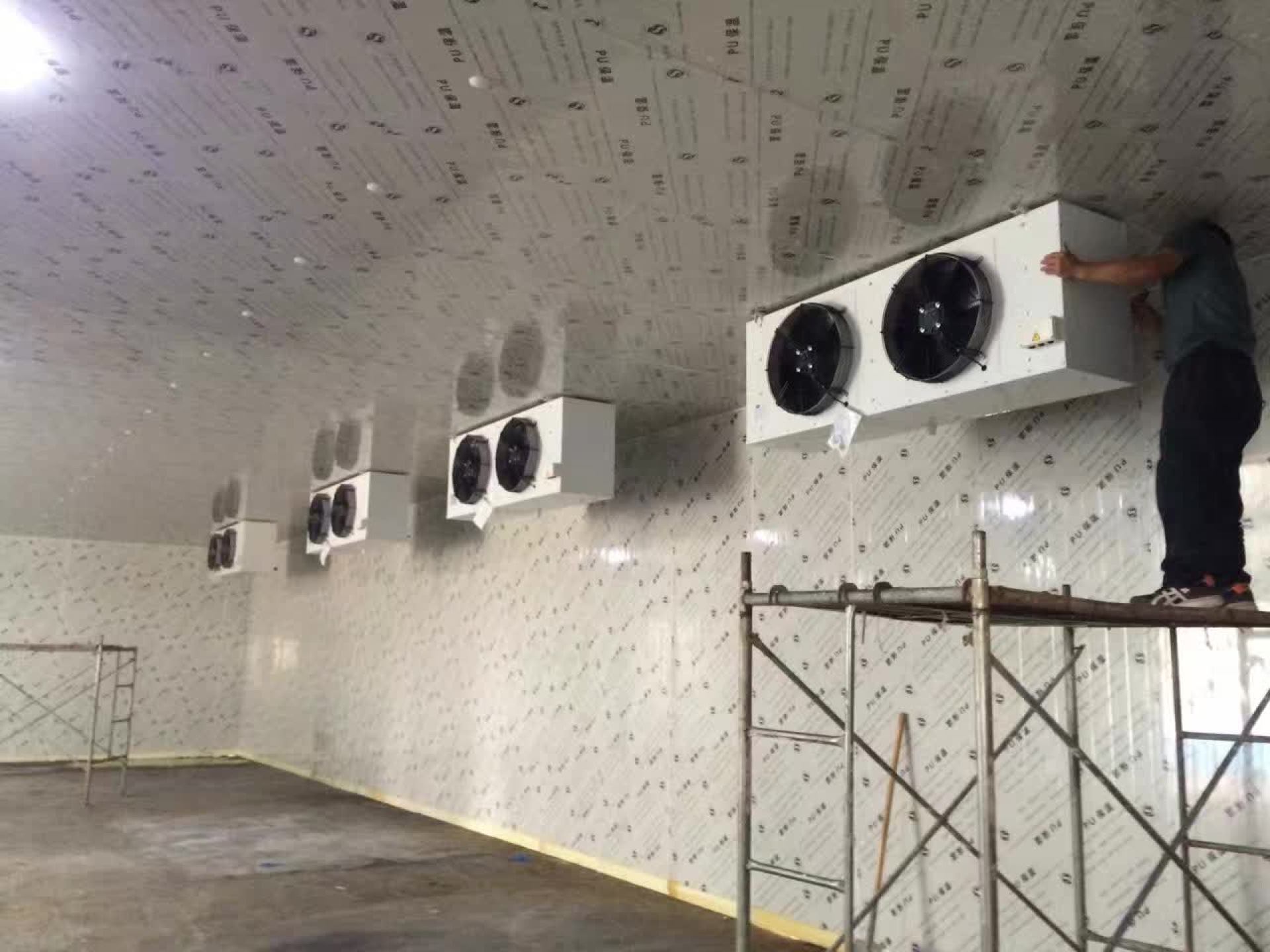
Before refrigeration or electrical work proceeds, review equipment positions, service routes and approved penetrations. Confirm which party provides the supports and which party completes the enclosure seals after services pass through it. Record the condition of work transferred between trades.
- Enclosure to refrigeration team: openings, support locations and access.
- Refrigeration to electrical team: equipment references and approved connection requirements.
- Services to enclosure team: completed penetrations requiring final sealing.
- Installation to commissioning team: inspection records and outstanding items.
Use qualified personnel and the actual equipment documentation for refrigeration and electrical procedures. Heatcraft’s condensing-unit manual, for example, treats field wiring, start-up and operational checks as defined stages. It is a reference for the need for equipment-specific procedures, not an instruction to apply its settings to another system.
Agree what commissioning must demonstrate
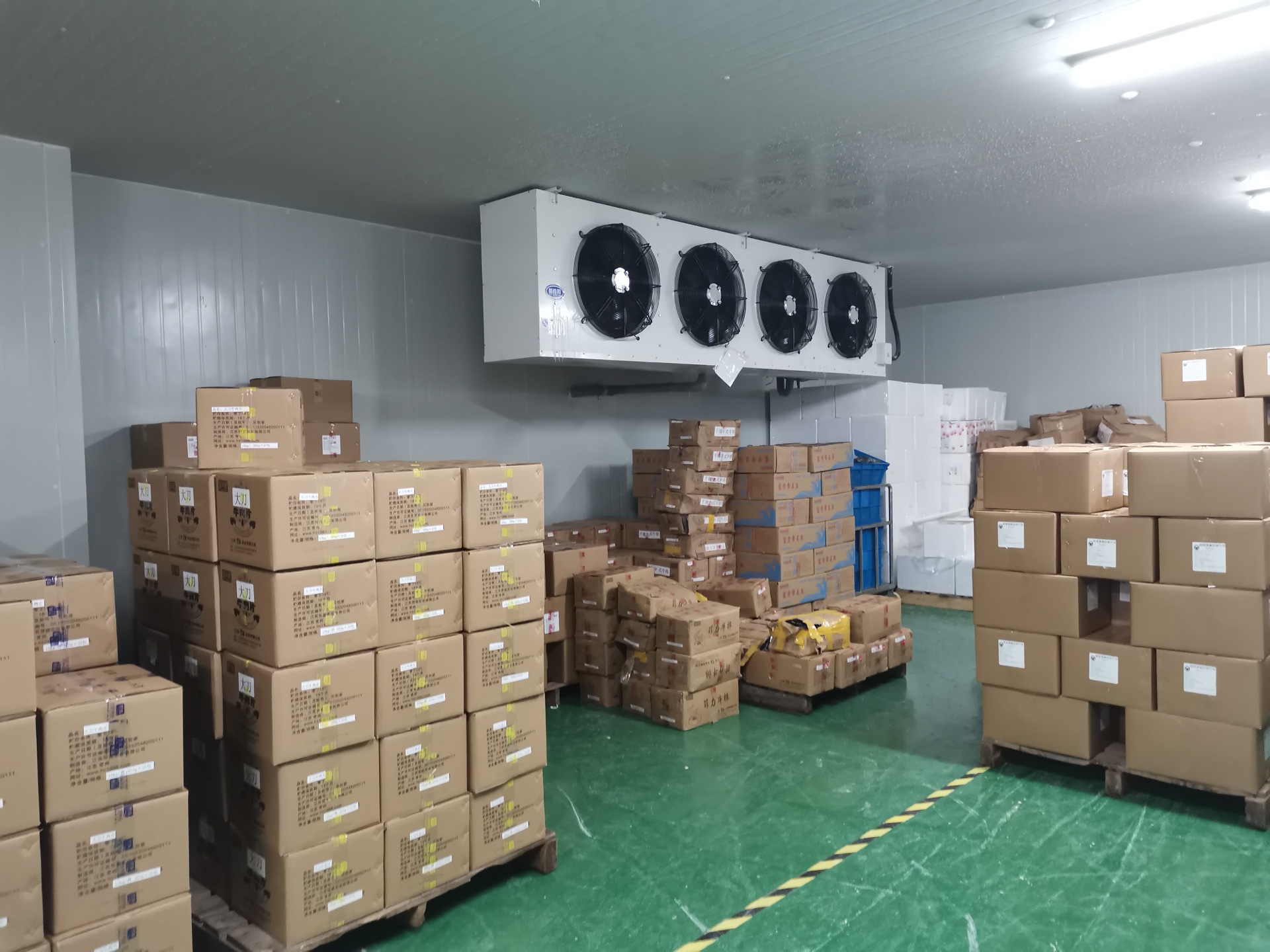
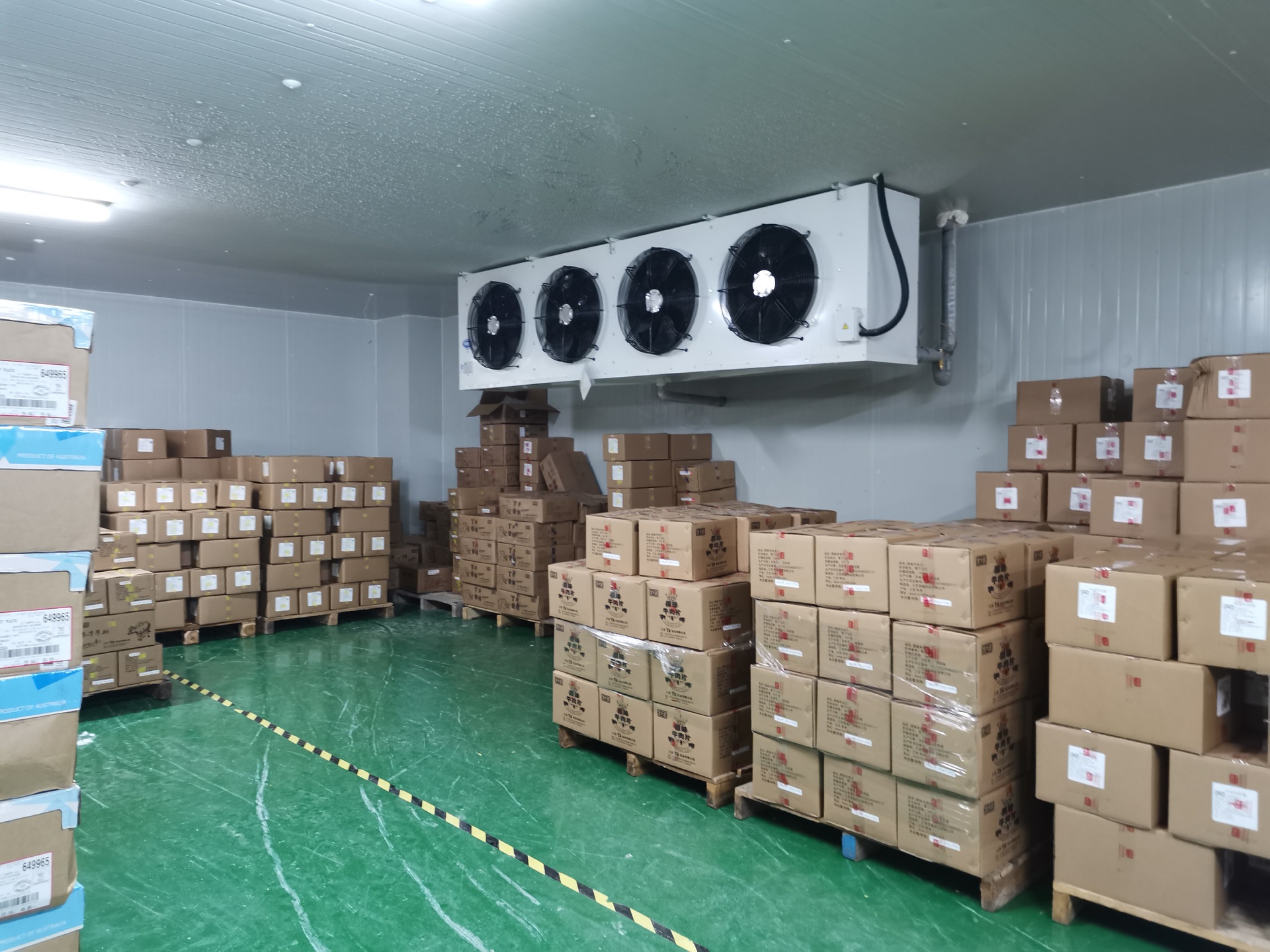
Define the acceptance conditions before the commissioning visit. Identify the room operating target, intended load condition, measurement locations and functions to be tested. Include door operation, the specified control and alarm functions, and drainage checks where applicable to the installed system.
Separate an initial empty-room check from an agreed operating test with the intended load. Record the conditions under which each test occurs. A successful controller display reading should not be treated as evidence that every aspect of a production or storage duty has been accepted.
Close the installation with a usable handover
Collect the final drawings, equipment identification, operating instructions, commissioning records and outstanding-work list. Name the person accepting the completed scope. If an item remains open, record its owner and the agreed next action rather than losing it in informal messages.
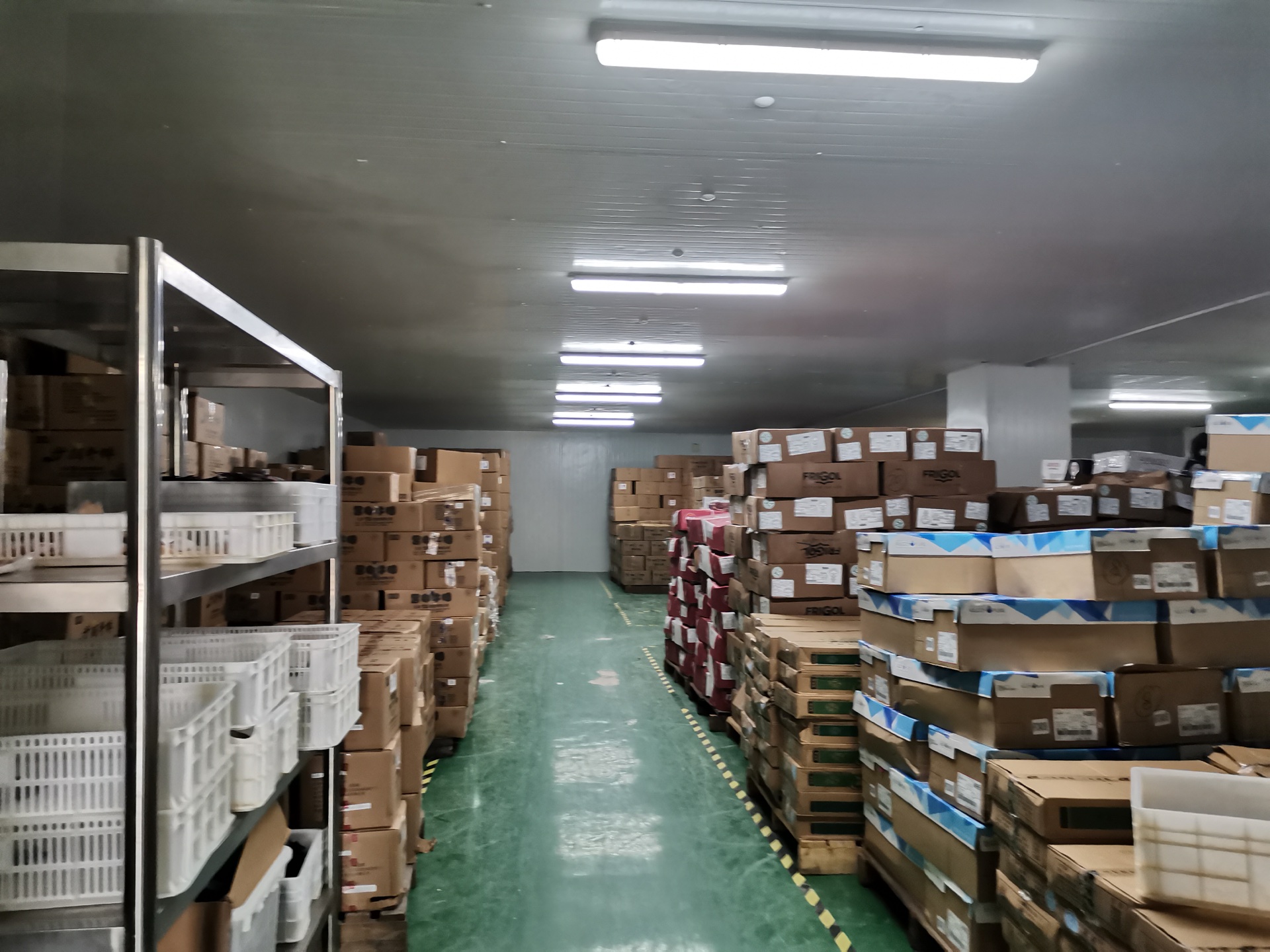
Train the operator on the approved loading arrangement, routine observations, door functions and reporting process. Show where manuals and component references will be stored. The first users should know whom to contact when the room behaves differently from the accepted conditions.
Can the enclosure and equipment be ordered separately?
Yes, but the buyer should appoint a coordinator for the interfaces and obtain compatible specifications before installation. Send the proposed division of work when requesting panels, doors or a wider supply package.
What if a site change is unavoidable?
Record the change, seek the responsible designer’s approval and update affected drawings before work resumes. Keep the final arrangement in the handover documents.