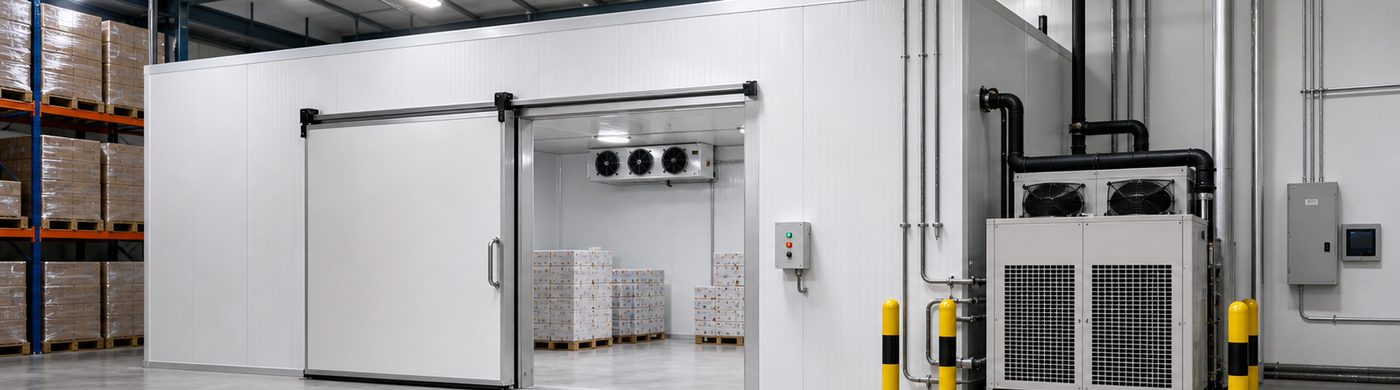
Energy Efficient Cold Room Design for Lower Operating Costs
An energy-efficient cold room starts with knowing where electricity is being used and how the room is operated. Replacing equipment without that baseline can leave the main source of waste untouched. A better approach is to observe the room, identify repeatable problems and compare changes under documented operating conditions.
For an existing room, begin with operating records rather than a promised savings percentage. For a new project, ask suppliers to state the assumptions behind their energy comparison. Storage duty, product throughput and the surrounding environment belong beside the efficiency claim.
Establish a baseline that describes the business
Record electricity consumption over a representative operating period and note changes in activity. Useful context includes stock movement, incoming product condition, operating hours and unusual door use. If the electricity meter serves several systems, identify what is included before assigning the reading to the cold room.
Comparisons are more useful when the same boundary is used before and after a change. A quieter production week can reduce consumption without any equipment improvement. Keep the operating record with the meter data so an apparent saving can be examined rather than assumed.
Observe doors during normal work
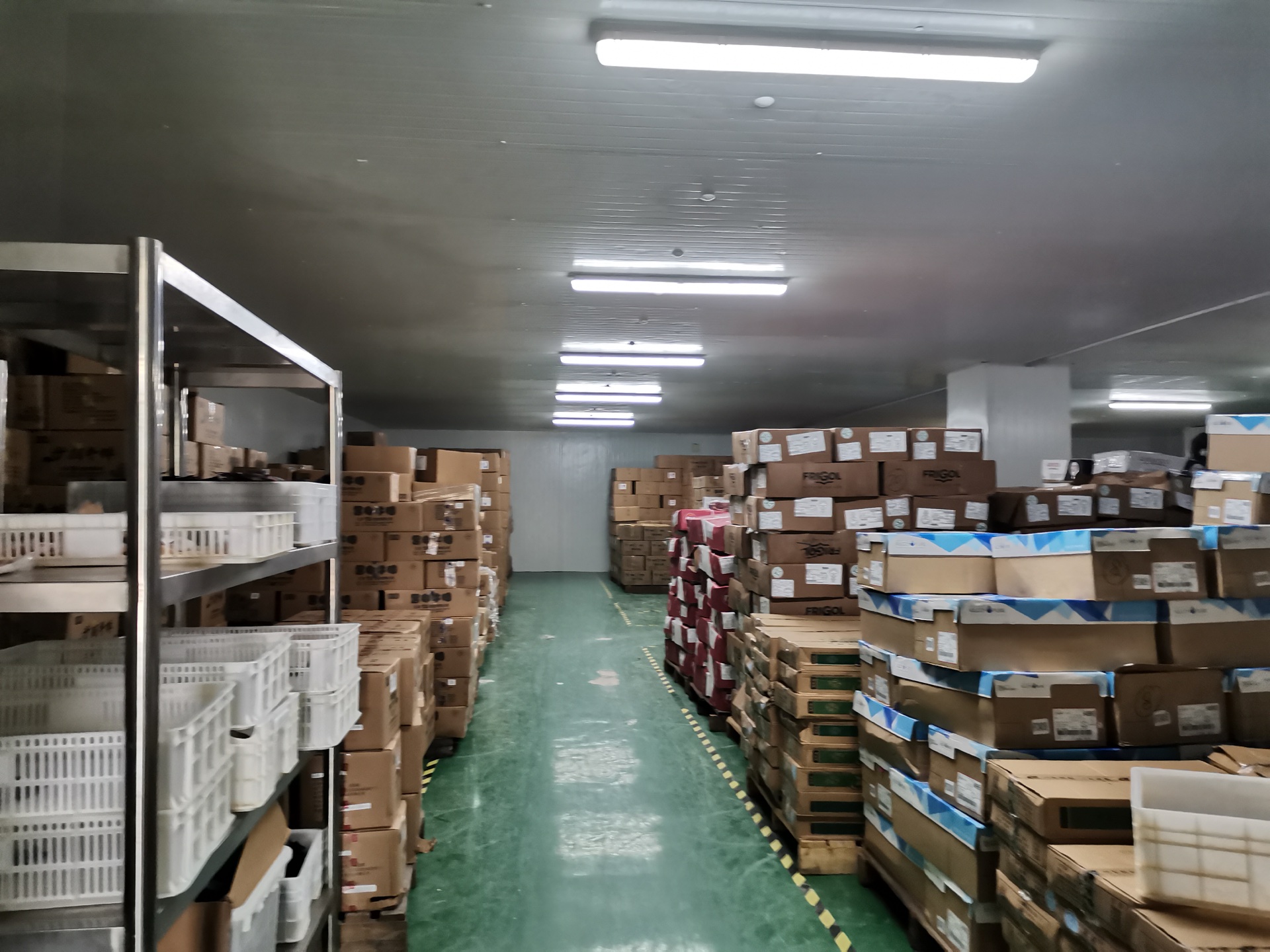
Watch a receiving or picking cycle with the operations team. Find out why the door stays open: repeated handling, poor pallet placement, difficult controls or a door that no longer closes properly. The remedy may be an operating change, a repair or a better suited door arrangement.
The Carbon Trust refrigeration guide identifies door opening and leakage at enclosure gaps as sources of unwanted heat gain. It also discusses housekeeping and maintenance alongside investment measures. That supports inspecting seals and working practices before assuming that new refrigeration machinery is the first purchase required.
Separate enclosure defects from normal duty
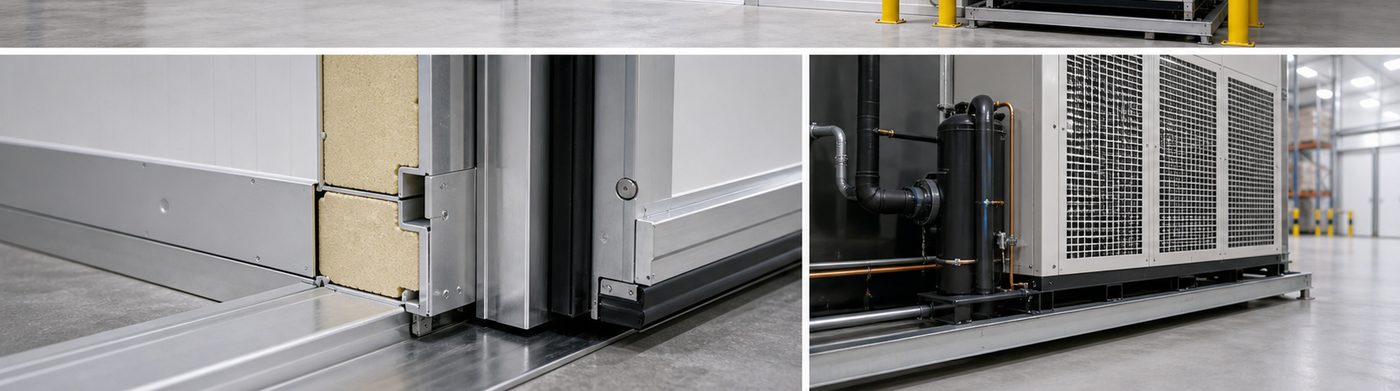
Inspect joints, door seals and service penetrations for visible damage or incomplete repairs. Note where condensation or ice repeatedly appears and give those observations to the responsible technician. Do not conceal a recurring symptom with extra sealant without understanding the detail being repaired.
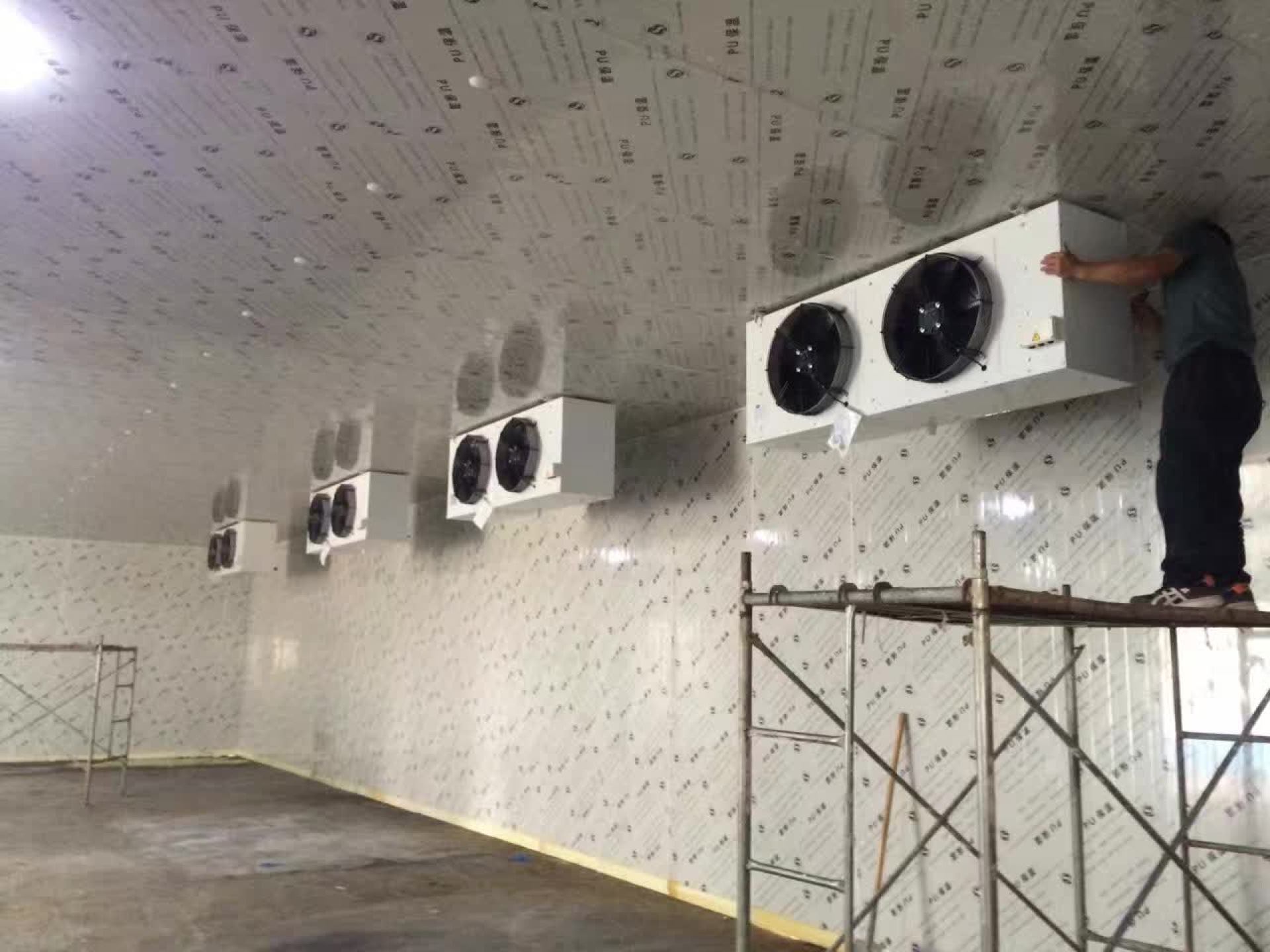
A review of the panel enclosure should consider the continuity of the installed assembly, not only a stated insulation thickness. When purchasing a new room, ask how corners, floor junctions and penetrations will be completed and inspected. These details should remain visible in the installation scope.
Use maintenance observations to guide technical work
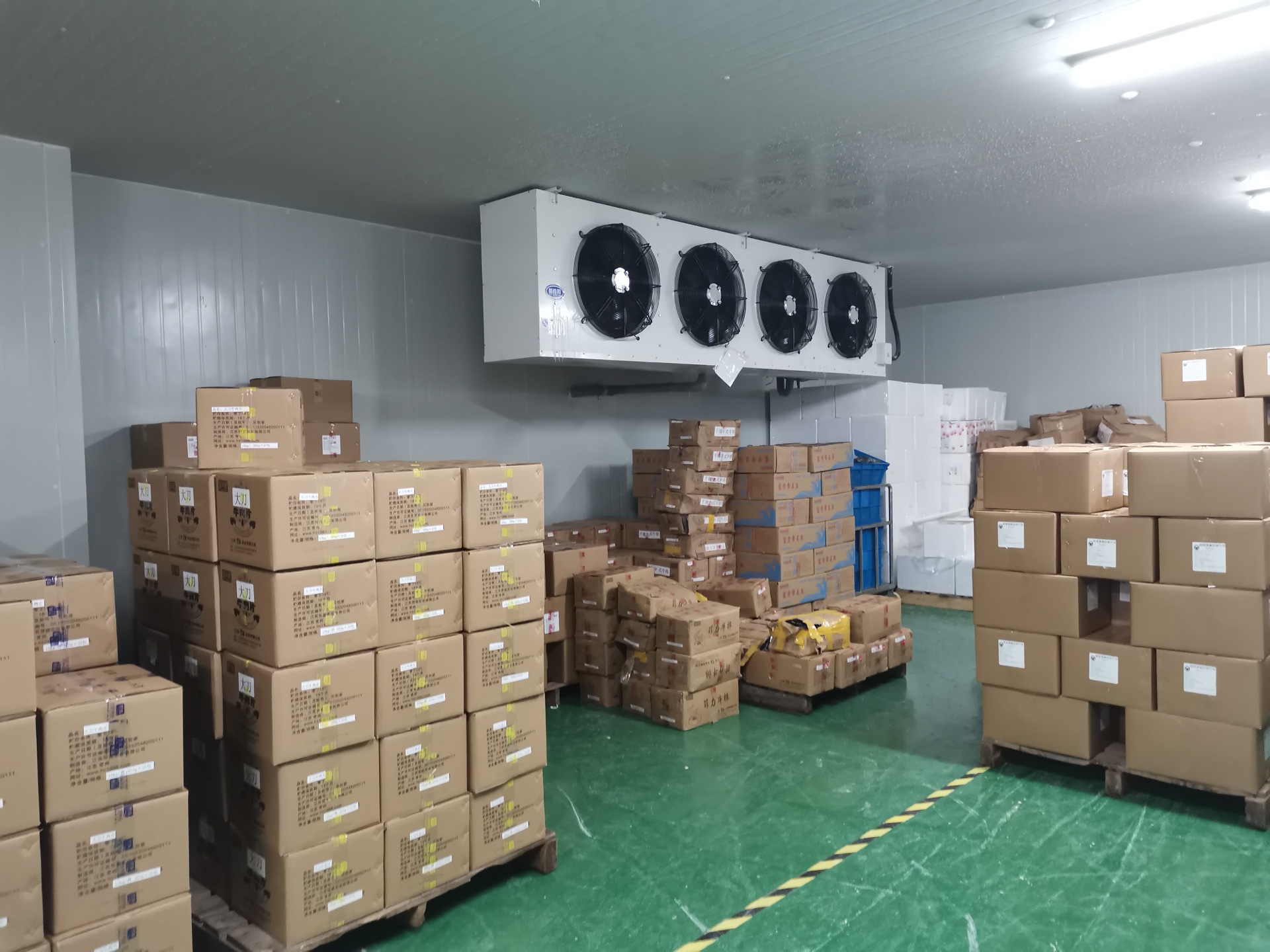
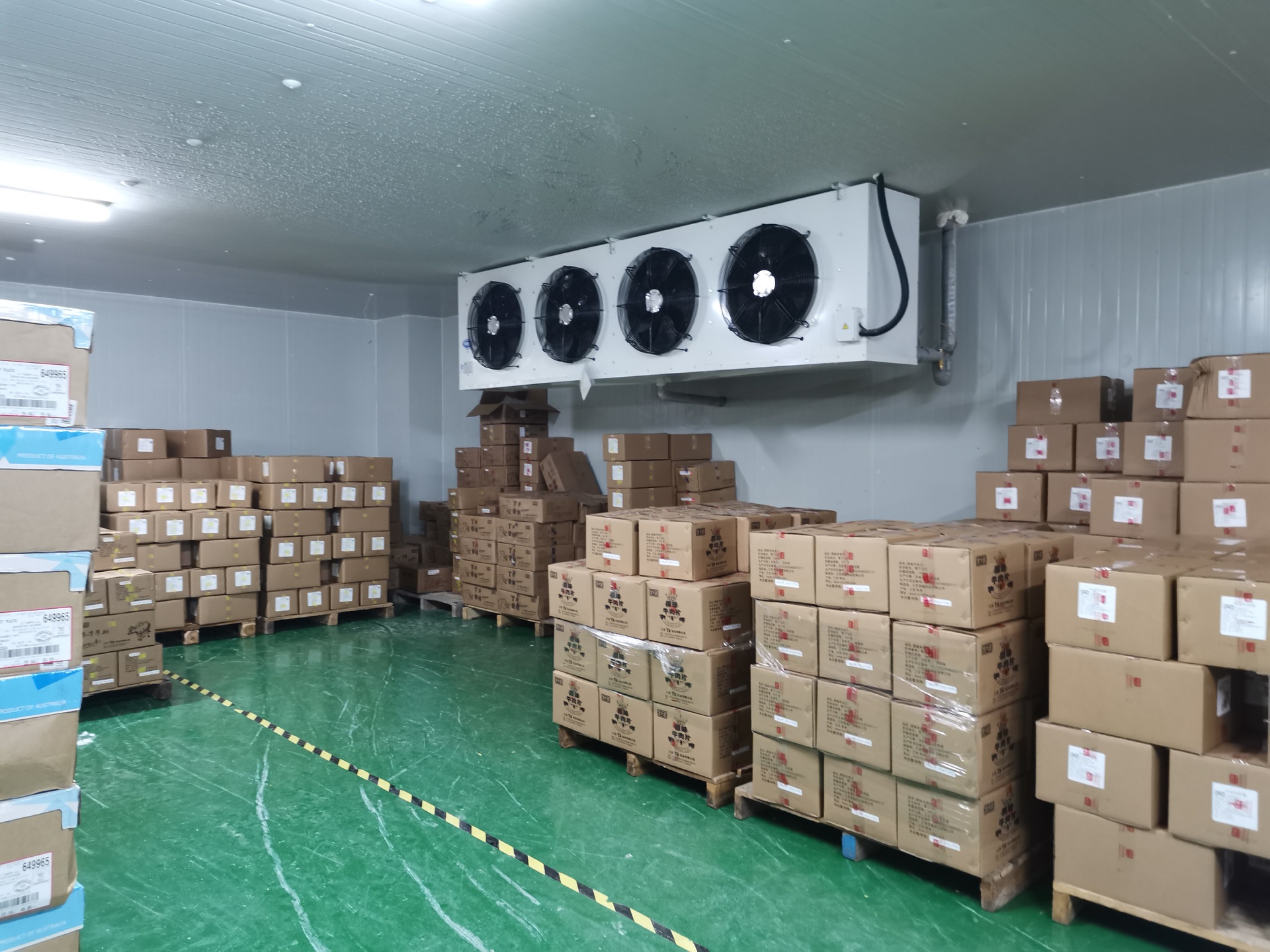
Keep a record of cleaning, faults and service visits. Restricted equipment access or a missing maintenance history can prevent a technician from distinguishing a new problem from a long-running operating condition. Request an inspection against the equipment manufacturer’s instructions rather than a generic adjustment intended to save electricity.
Refrigerant work, electrical changes and control tuning should remain with qualified personnel. An owner can provide operating evidence and report symptoms, but changing unfamiliar settings may compromise storage conditions. Energy reduction is useful only when the required product conditions are maintained.
Review defrost and control behaviour without guessing settings
Ask the refrigeration technician to compare the actual operating sequence with the selected equipment and room duty. The review can include the timing of cooling, fan operation, defrost and alarm events. Keep the recorded settings with the explanation for any approved change.
Avoid copying settings from another room because its temperature looks similar. Door activity, moisture entering the space and the equipment arrangement can differ. After a change, review both consumption and room behaviour over an appropriate period, including a busy operating cycle rather than only an empty-room demonstration.
Compare investments on a common basis
For proposed equipment or door improvements, ask for the baseline, operating assumptions, expected maintenance effect and method of verification. Separate the initial purchase price from installation, disruption and ongoing service costs. If an estimate is based on software or a reference installation, label that basis clearly.
The U.S. Department of Energy refrigeration resource hub offers further material for planning efficiency work. Use technical resources to frame questions, while keeping the final decision tied to measurements and conditions at the actual site.
Turn observations into a practical action list
Rank the findings by evidence and operational impact. A damaged door seal, an obstructed service area and a proposed equipment upgrade are different kinds of work and should not be bundled into a single unexplained efficiency package. Assign an owner and a verification method to each action.
When requesting cold room improvement advice, send photographs, operating records and the available equipment details. State which symptoms are observed and which are only suspected. This gives a supplier a useful starting point and keeps the discussion focused on maintaining storage performance while reducing avoidable energy use.