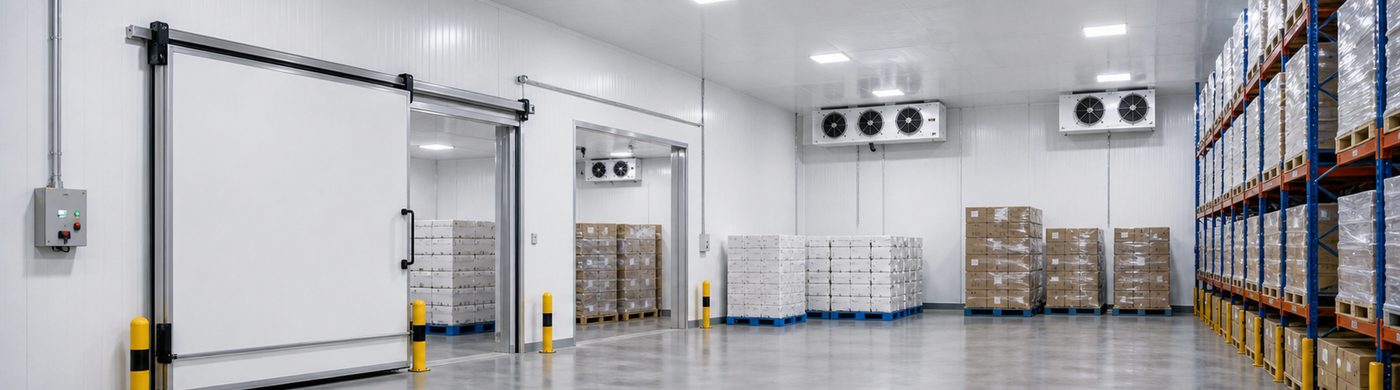
Refrigerated Storage Guide for Food, Seafood and Industrial Cold Chain Projects
Refrigerated storage is one stage in a longer movement of goods. Products arrive with a handling history and leave under another party’s control. A room can hold its specified conditions while information is lost during receiving, waiting or dispatch. The storage operation should therefore manage the handover as carefully as the room itself.
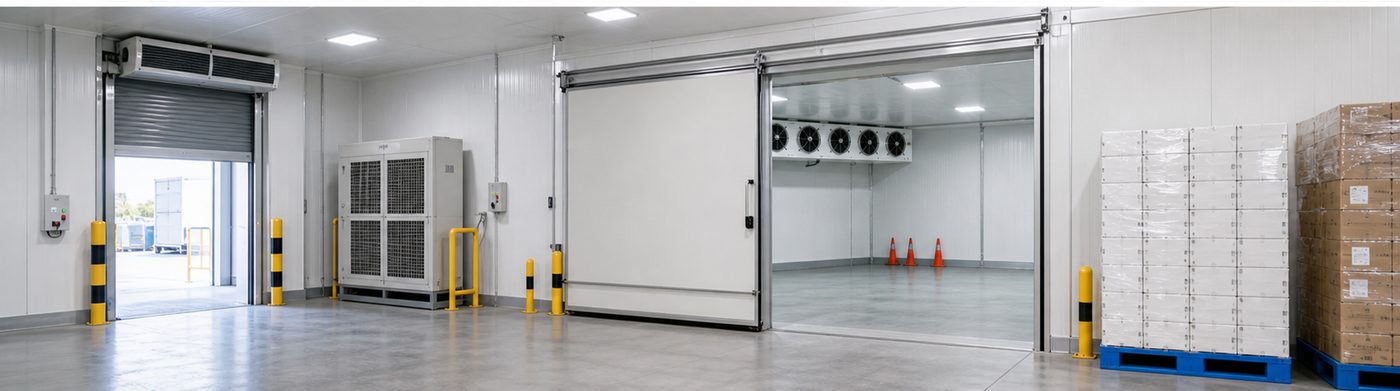
This guide focuses on the boundary between transport and storage. It is useful for distributors, processors and industrial users who need clear responsibilities when goods pass between a carrier, a warehouse team and a customer.
Define what arrives with each consignment
Agree which delivery information is required before the vehicle reaches the site. Depending on the product and contract, this may include identification, packaging details, required conditions and relevant temperature records. The customer or product owner should define how that information is reviewed.
Make the expected receiving process clear to carriers and suppliers. If essential information is missing, staff need a named decision-maker and an appropriate holding arrangement. A delivery appointment should not be treated as evidence that the goods automatically meet the storage acceptance requirements.
Distinguish room readings from shipment evidence
The temperature shown by the storage room controller describes a particular measurement in that room. It does not reconstruct the conditions experienced before delivery. Likewise, a transport record needs to be understood in relation to its device, location, time period and the goods it accompanied.
Decide which records belong to the delivery and which belong to the storage operation. Keep their identifiers connected so that an investigation can follow the consignment across the handover. Avoid merging different readings into an unexplained average that conceals their origin.
Make waiting areas part of the operating procedure
Goods may pause during unloading, inspection, repacking or dispatch preparation. List those pauses and identify the conditions required at each one. A room plan that ignores staging can leave the team improvising whenever paperwork or vehicle movements are delayed.
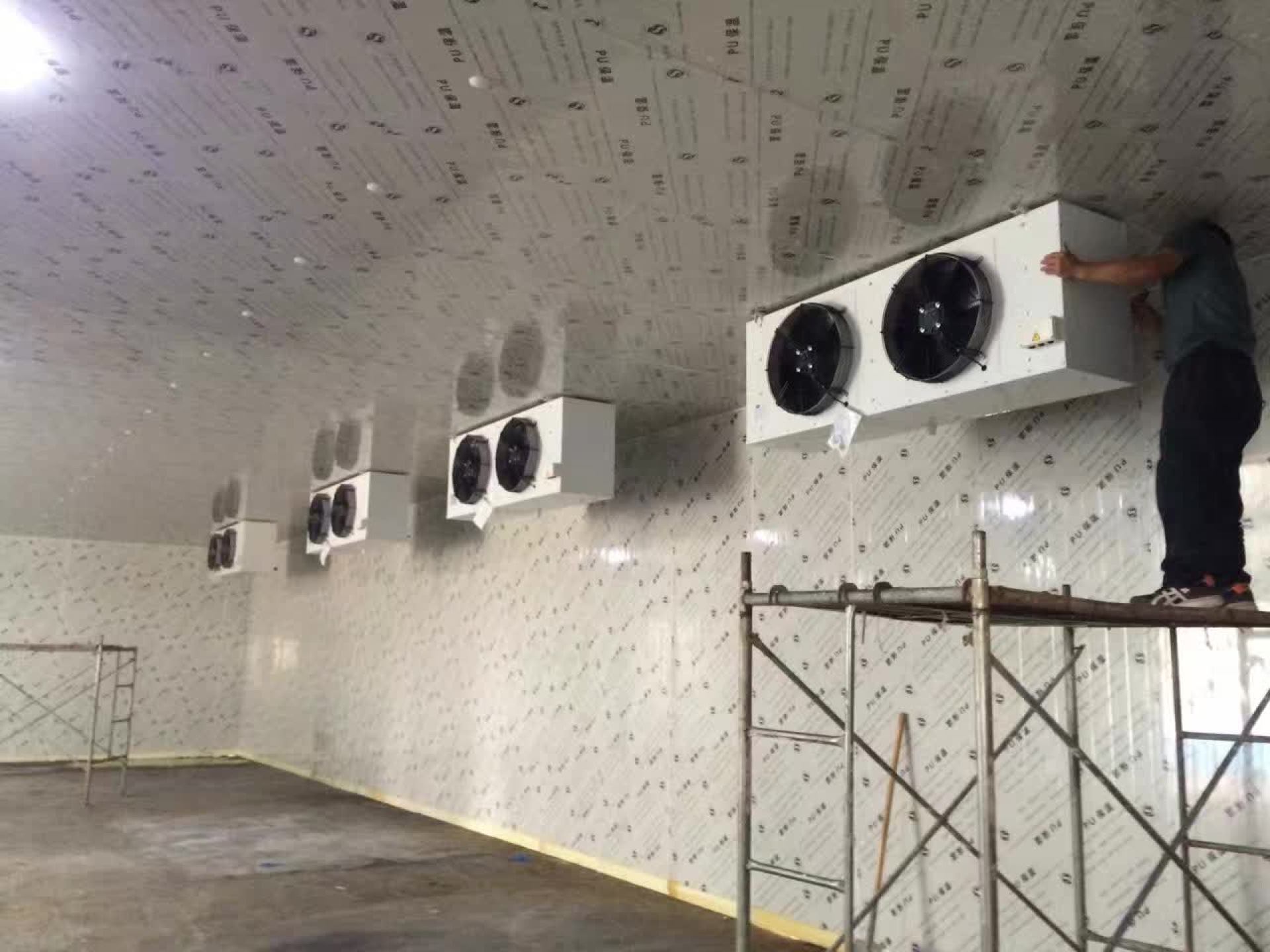
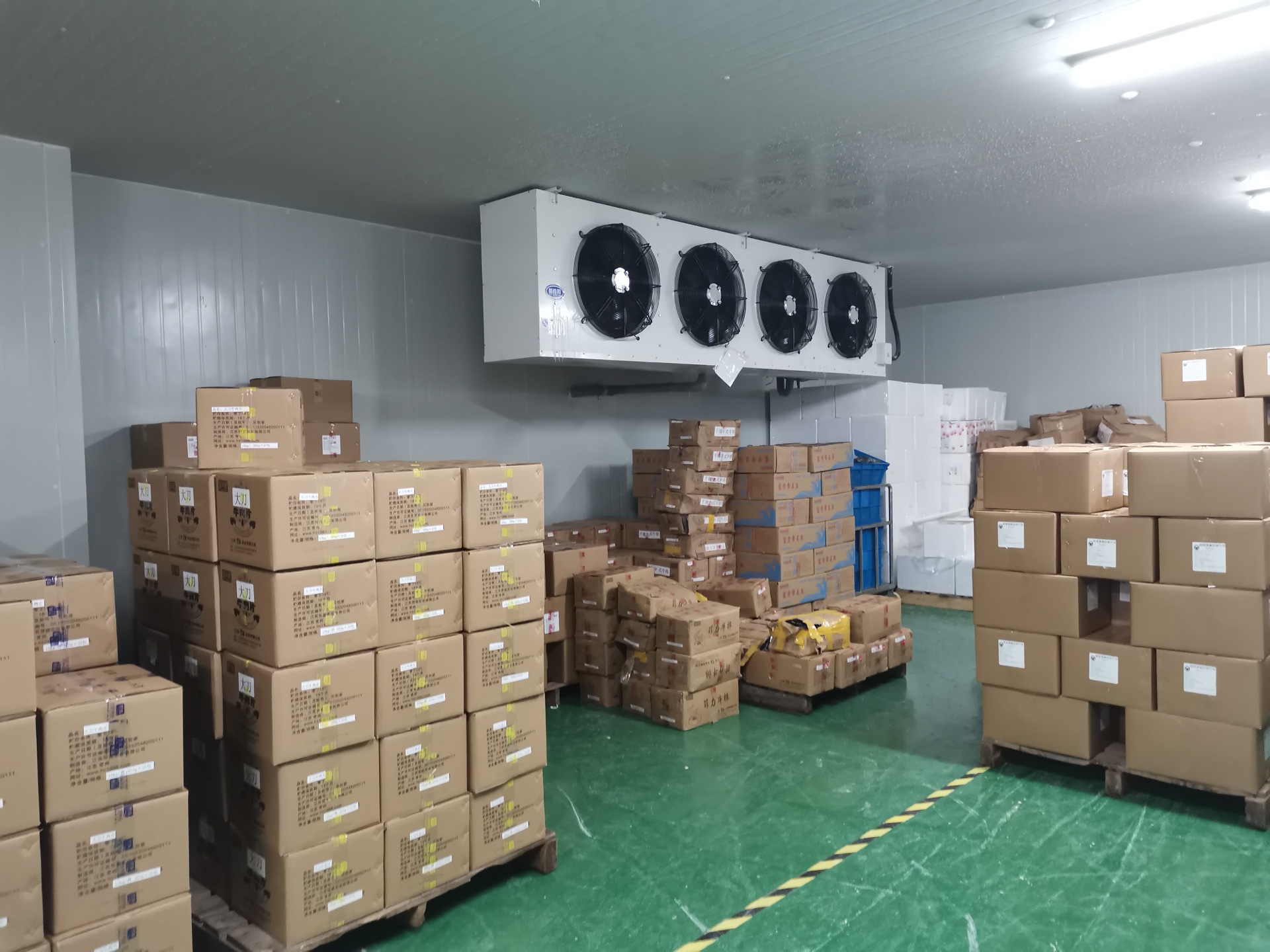
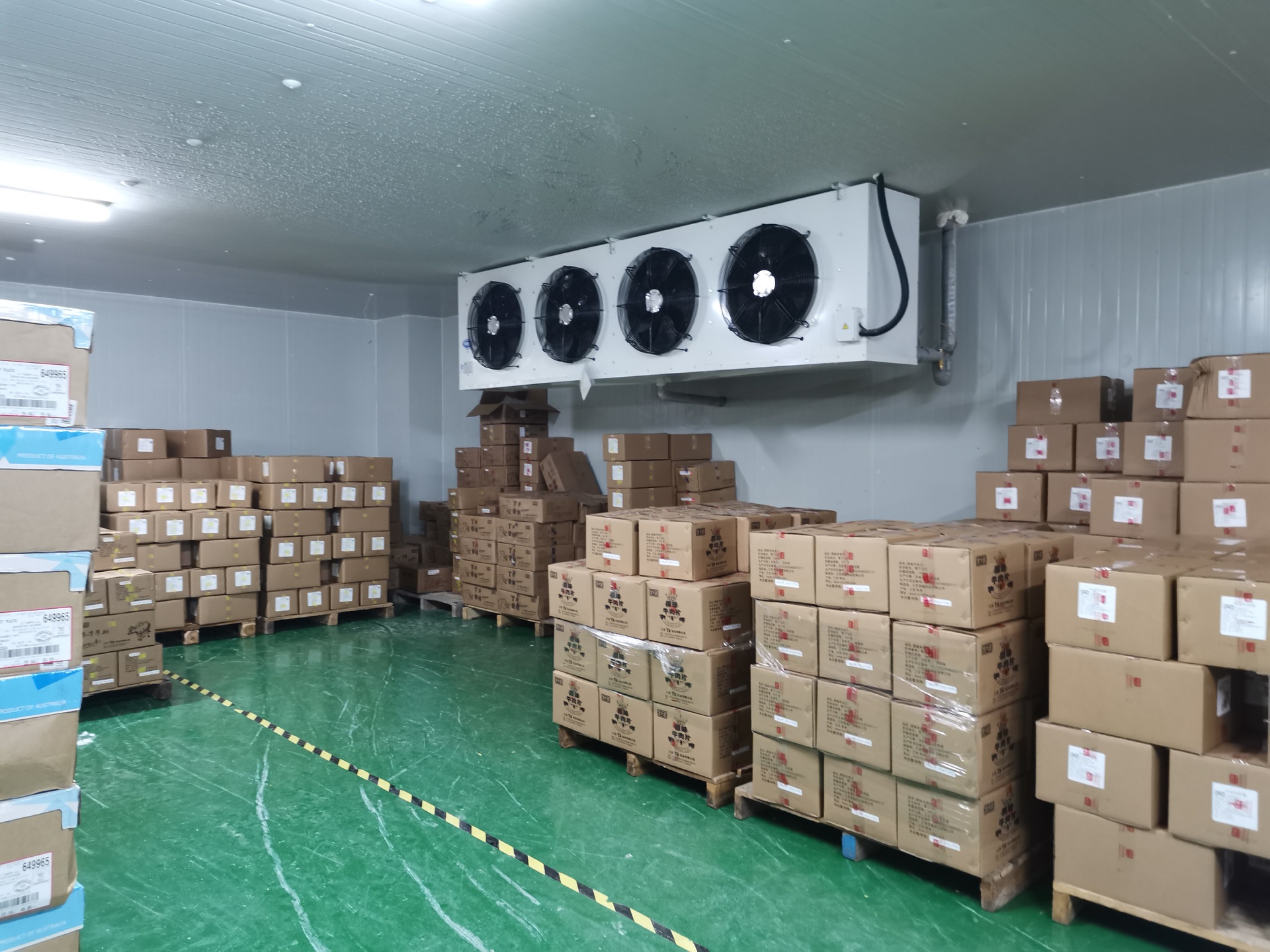
For a chilled storage installation, show the route from unloading to the assigned storage position. Ask the operator to test whether the route still works when several consignments arrive together. The needed arrangement depends on the actual product and schedule, rather than on a generic definition of a cold chain.
Put carrier responsibilities in writing
Confirm who specifies transport conditions, checks readiness for loading and retains the required records. Where a third party performs the work, include the communication route for delays, equipment faults and rejected loads. Review those responsibilities before starting a new transport arrangement.
For covered U.S. operations, the FDA sanitary transportation rule distinguishes responsibilities involving shippers, loaders, carriers and receivers, with requirements and exceptions specific to its scope. It is a useful official reference for those operations, not a blanket compliance statement for every overseas warehouse or transport route.
Keep exceptions identifiable through the warehouse
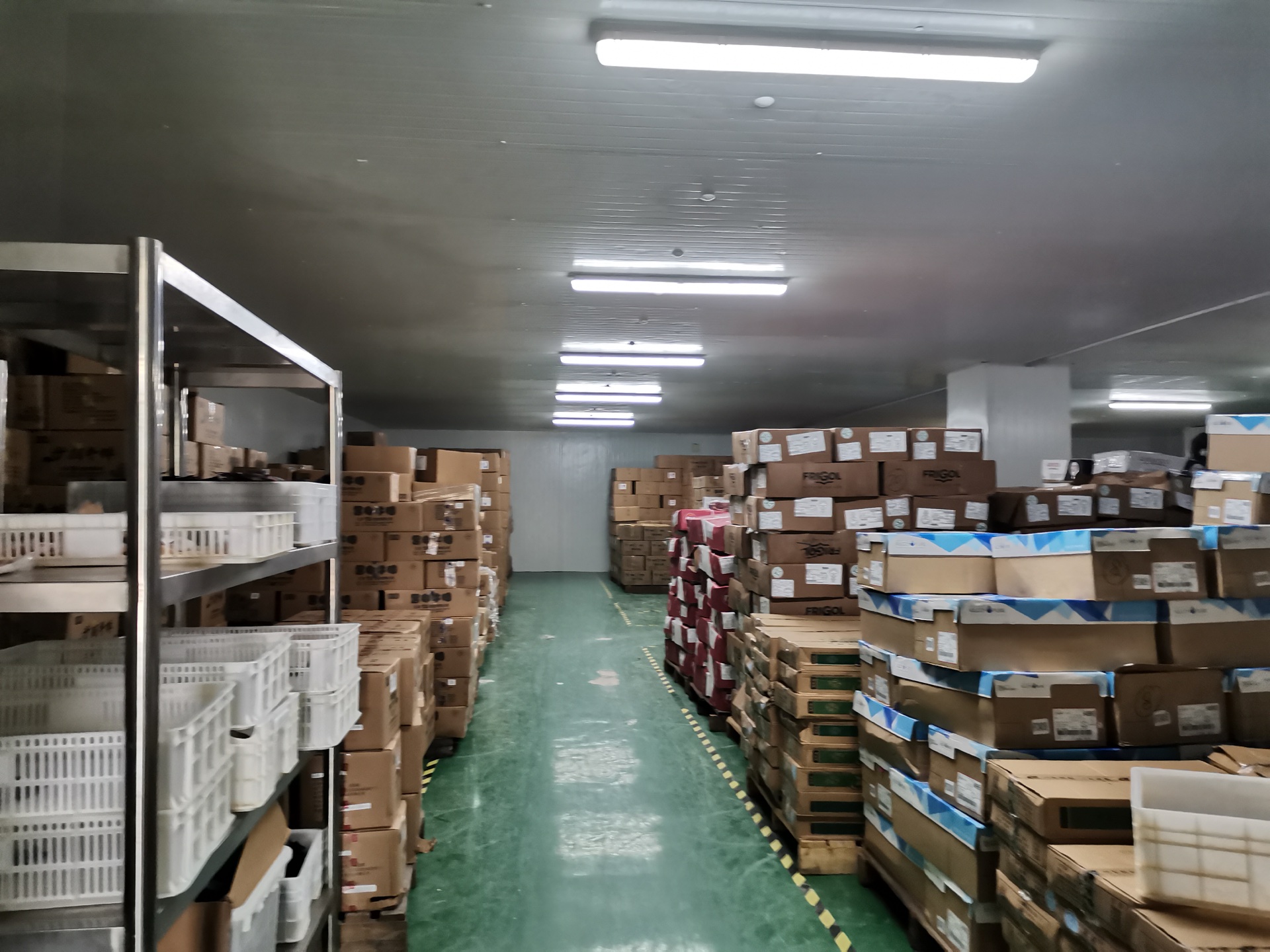
Give held or disputed goods an unambiguous status in the warehouse process. Staff should know who can change that status and where the supporting decision is recorded. A physically separate position can help, but the exact arrangement must match the product requirements and the business’s procedures.
Avoid losing the original delivery identity when a pallet is split or goods are repacked. The operating record should retain the relationship between the original consignment and the resulting stored units. This makes it possible to identify the relevant stock if a transport or storage concern is raised later.
Prepare dispatch before opening the storage door
Coordinate order assembly, required documentation and vehicle readiness. Identify the point at which responsibility transfers and the checks each party performs. Include a method for handling a vehicle that arrives late or is unsuitable for the agreed task.
Review the physical route with the cold room door arrangement and staging space. The aim is to avoid using an open doorway as the default waiting area. Any time or temperature limits for the operation must be set by the responsible product and quality teams.
Review one complete handover as an acceptance exercise
Before accepting a new storage arrangement, walk through a representative receiving and dispatch scenario with operations staff. Follow the goods and their records together. Check that a delivery can be accepted, placed, retrieved and transferred without an unidentified responsibility or missing decision point.
When requesting refrigerated storage planning support, include your receiving schedule, staging layout and dispatch pattern. Describe current handover problems separately from the equipment request. The result should support a traceable operating process across the room boundary, rather than treating refrigeration as a substitute for supply-chain coordination.