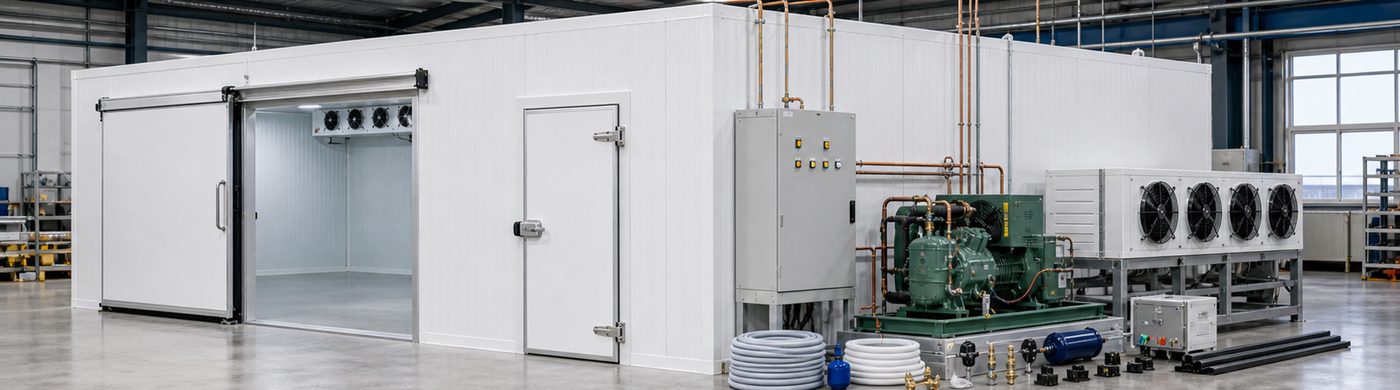
Cold Storage Equipment Guide for Complete Cold Room Projects
A cold storage equipment list should explain how the components work together and where each supplier’s responsibility ends. Listing a compressor, panels and a door is not enough to define a complete project. Controls, connection materials, supports and site work can be equally important to getting the installation ready for use.
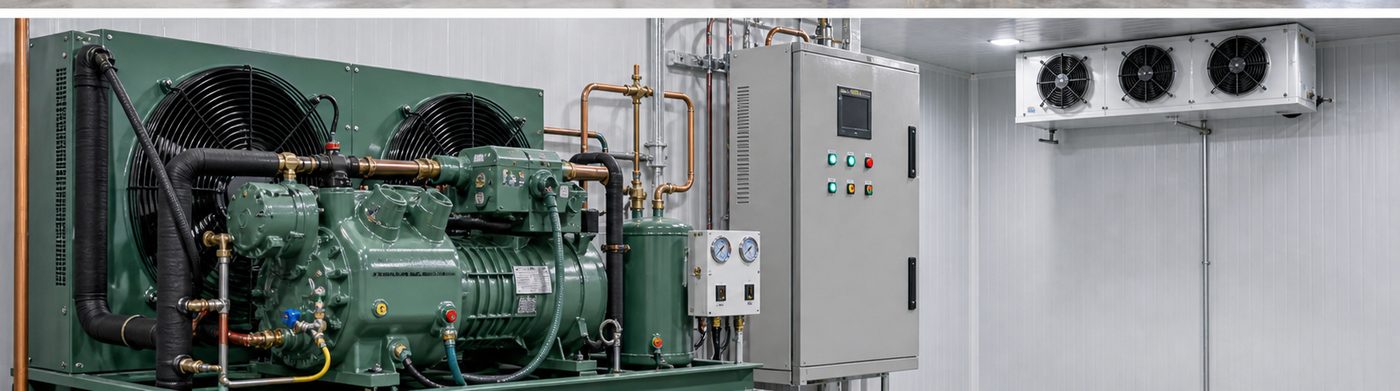
Prepare the list by function. This helps the buyer identify missing interfaces before an order is divided among manufacturers, equipment suppliers and local contractors.
Start with the enclosure package
The enclosure list should identify walls, ceiling, floor construction, partitions and openings as applicable to the design. Specify the ordered panel configuration and show its connection to the room layout. Keep door references consistent between the drawing and bill of materials.
Review cold room panels and PIR panel options against the project requirements. Add the agreed joint materials, trims, fixings and other accessories to the scope. A broad line marked panel set should not conceal uncertainty about what is included.
Document the refrigeration selection basis
Ask the refrigeration designer to state the duty used for selection, including the required room condition, incoming product load, ambient conditions and operating pattern. Request identified equipment and performance information at the applicable conditions rather than comparing headline capacity figures alone.
Danfoss’s cold-room design guidance describes selection around the real cooling load and compatible components, including the condensing unit, evaporator, valves, controls and piping. For a purchasing schedule, record those functions and ask the responsible designer to confirm the selected combination. Room volume by itself is not a complete equipment specification.
Identify which items arrive assembled and which require site connections. The quotation should make that boundary visible so that the installer can assess the required local materials and work.
Choose air-cooler arrangements within the room layout
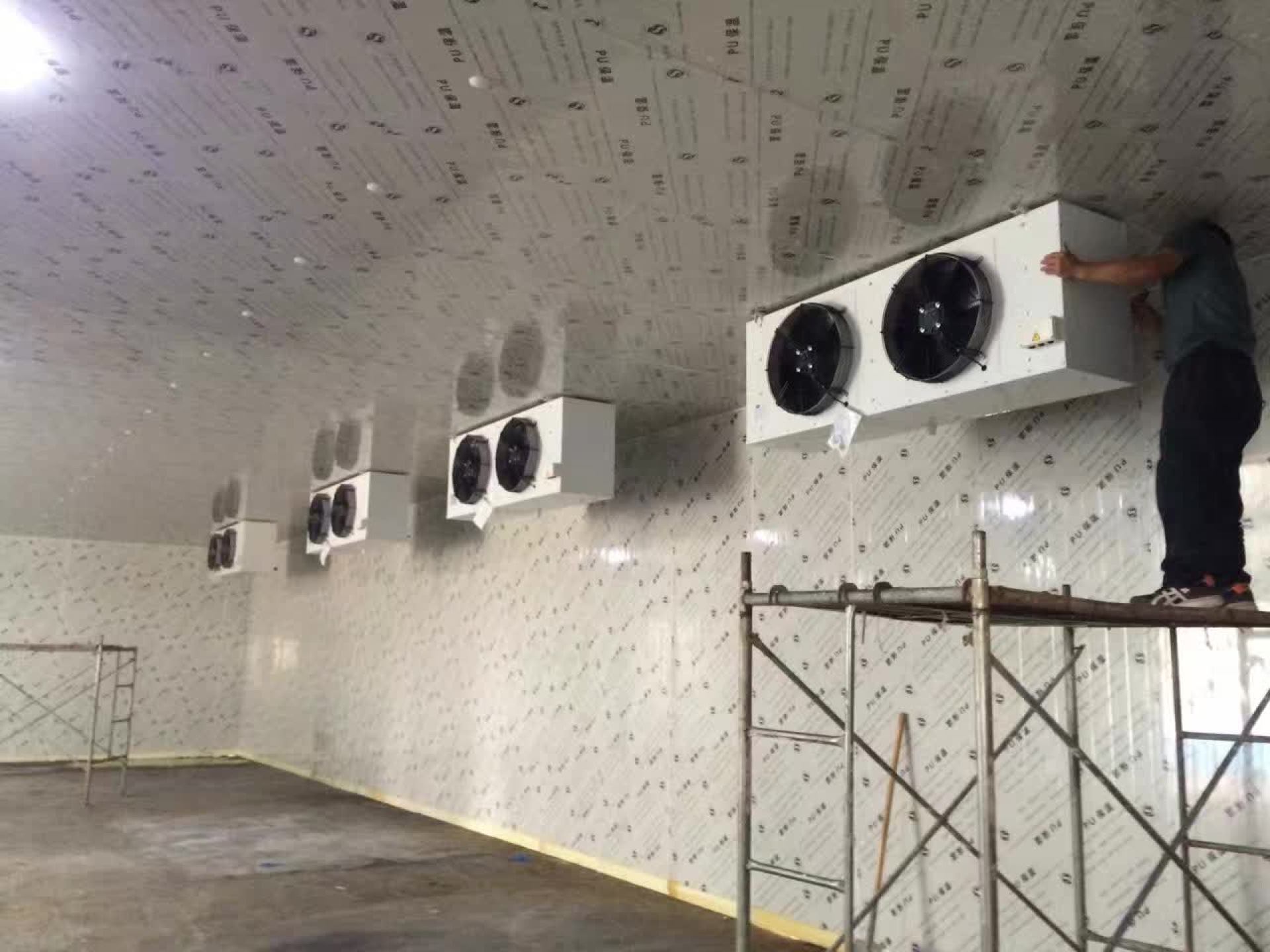
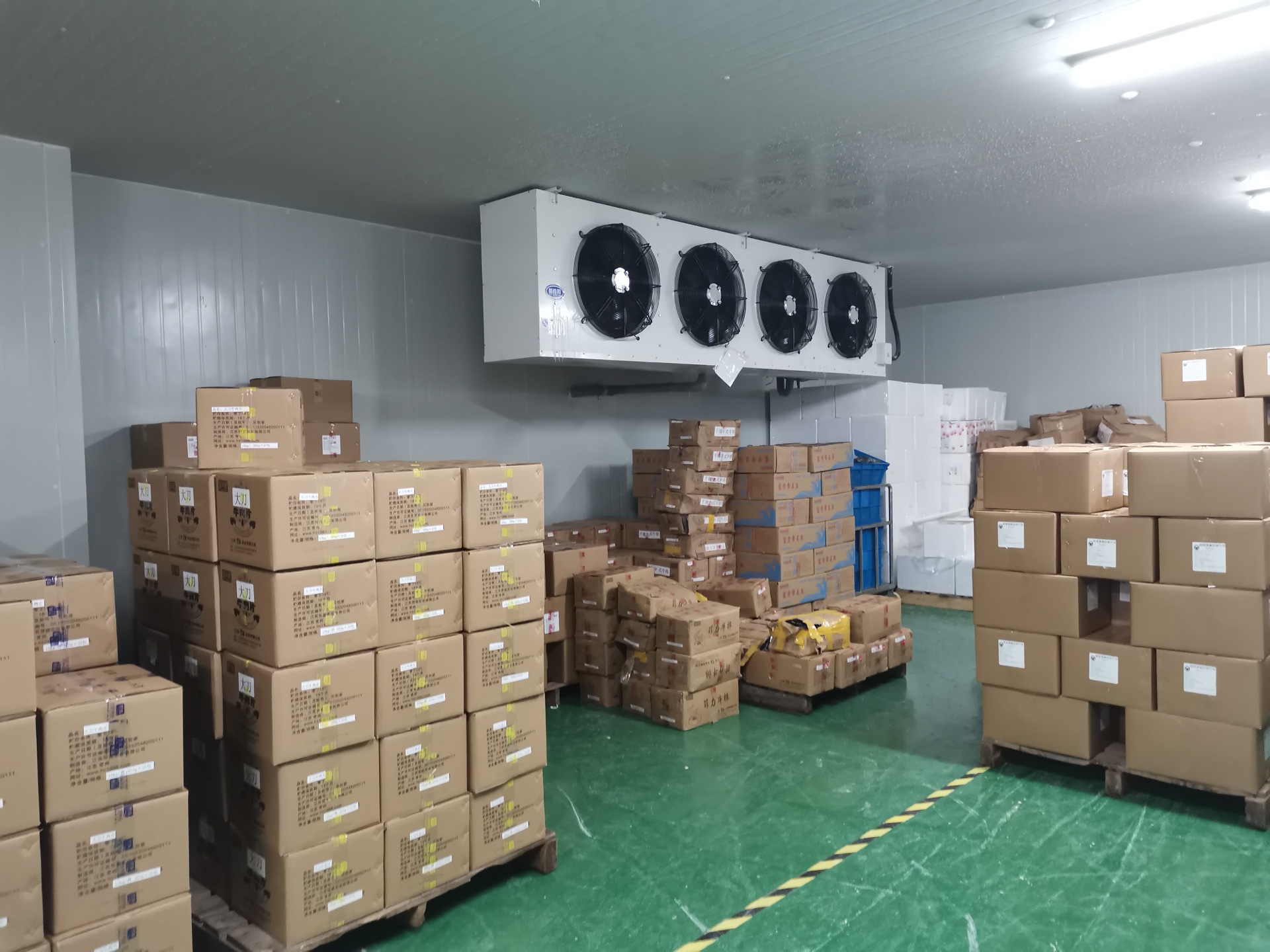
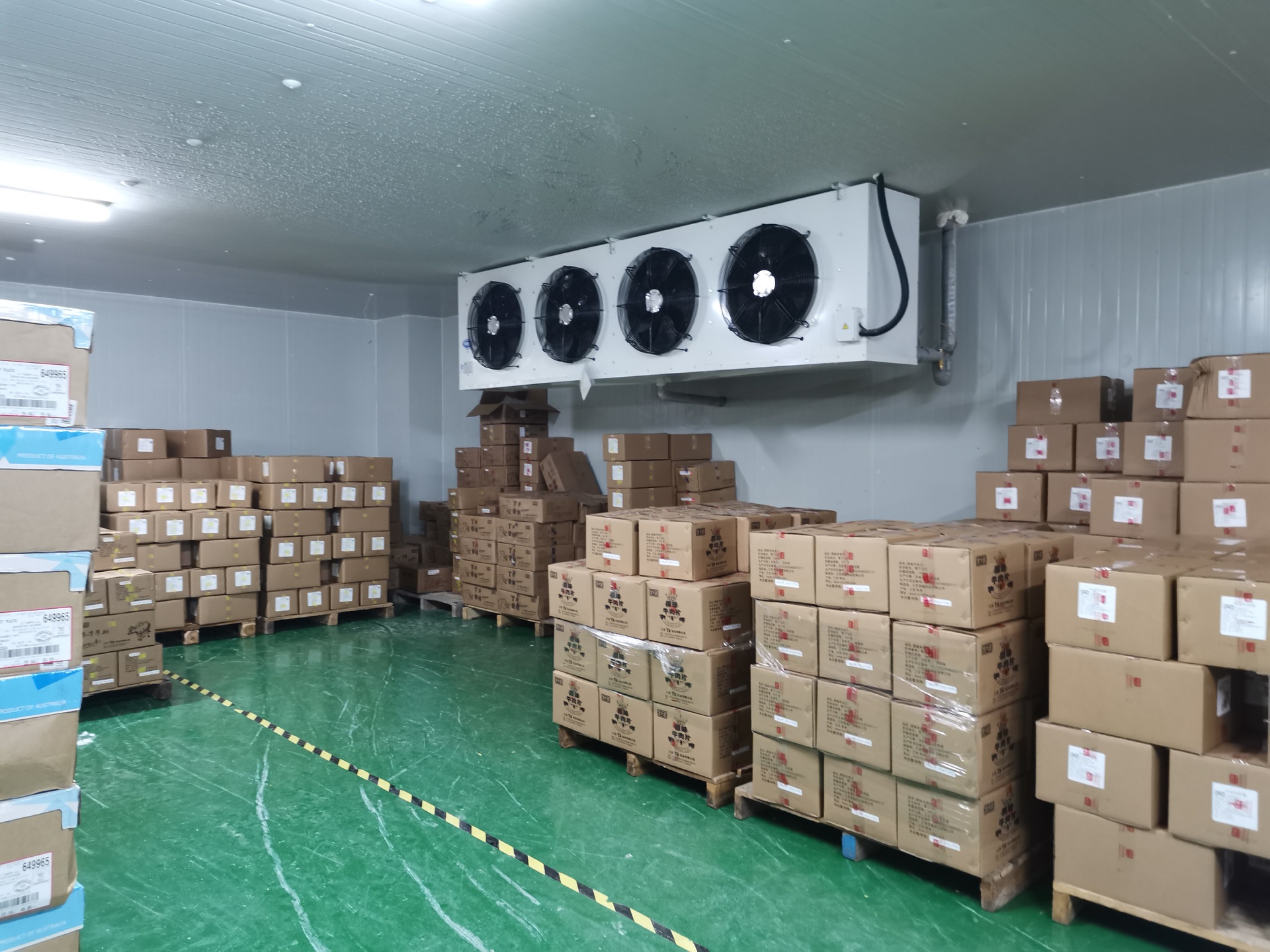
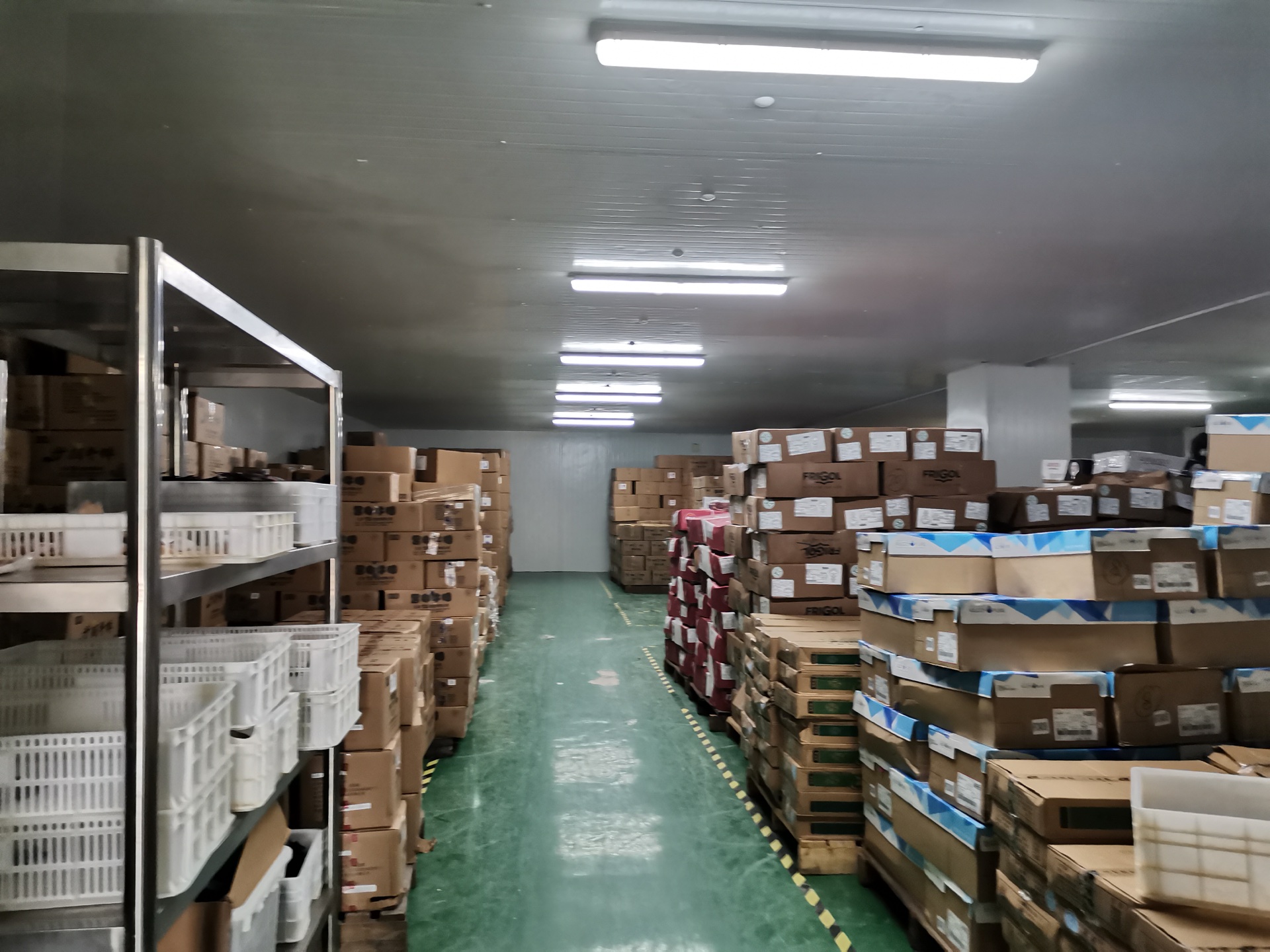
Ask how the proposed air cooler fits the storage layout, service access and intended circulation arrangement. Show shelving, product positions and doors on the same drawing. Confirm the supports and drainage responsibility for the actual selected equipment.
Ceiling-type and floor-standing air coolers offer different arrangements to discuss. The equipment choice should follow the approved design; a product photograph does not establish capacity or suitability for a particular room.
Give controls their own schedule
List the required control, measurement and alarm functions separately. Identify which sensors, controllers, displays and communication items are supplied. Ask who prepares the wiring information, sets the approved operating parameters and demonstrates the specified functions during commissioning.
Where the buyer requires remote notifications or records, state the intended users and access arrangements. Confirm dependencies on site networks, subscriptions or other services before treating a monitoring feature as ready to use. Do not assume that a controller’s feature list means every option is included in the quotation.
Check the items between major components
Small or locally supplied items are easily missed when attention is concentrated on major equipment. Review the connections between the enclosure, door, refrigeration package and electrical installation. Assign responsibility for every interface and include the relevant design information.
- Equipment supports and their connection to the building.
- Specified pipework, cables and local connection materials.
- Penetration locations and completion of enclosure seals.
- Condensate handling and associated site connections.
- Door controls, release functions and any specified accessories.
- Identification labels, operating documents and spare-part references.
This is a coordination list, not a substitute for an engineered materials schedule. The final components, sizes and installation methods must match the actual equipment and project specification.
Match the equipment list to the delivery record
Give major items a reference that appears on drawings, quotations and packing documents. For assemblies supplied by another manufacturer, retain the model identification and relevant documentation. The receiving team should be able to connect each package to its intended position without relying on an informal explanation.
Before dispatch, review outstanding substitutions and confirm that approved changes appear throughout the document set. A replacement component should not silently alter connection requirements, controls or service arrangements.
What does a complete cold-room package include?
It includes only the items and work stated in the accepted scope. Use the package coordination guide to define the boundaries, then compare the detailed schedule with the quotation.
What should I send for equipment review?
Provide the room layout, intended duty, available utilities and work handled by local contractors. Request a coordinated equipment quotation and identify any preferred components for the designer to evaluate rather than assuming compatibility.