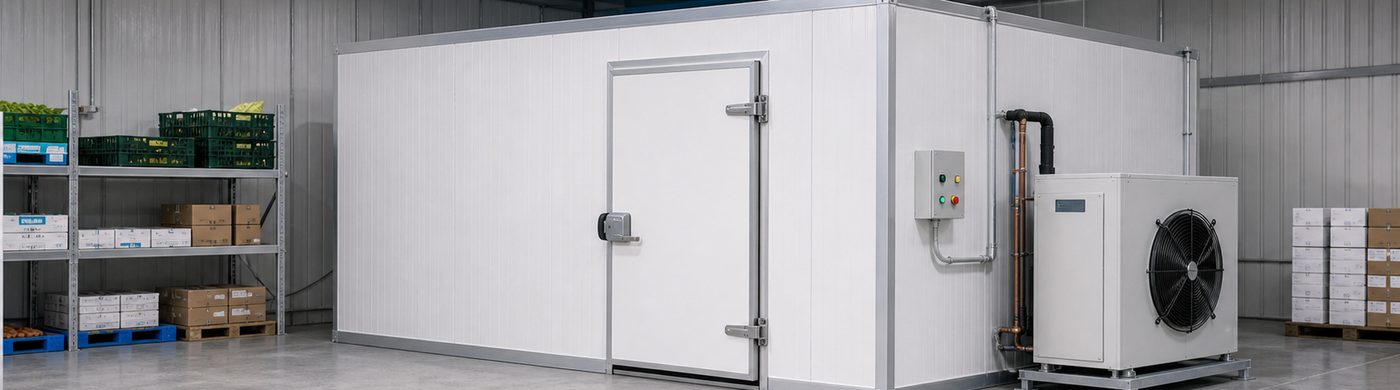
Cold Storage Unit Guide for Commercial and Industrial Projects
The term cold storage unit can mean a complete insulated room, a packaged refrigeration assembly or only a condensing unit. That ambiguity matters when quotations arrive with similar descriptions and very different prices. Before choosing equipment, write down what the requested unit must include and what performance the complete installation must deliver.
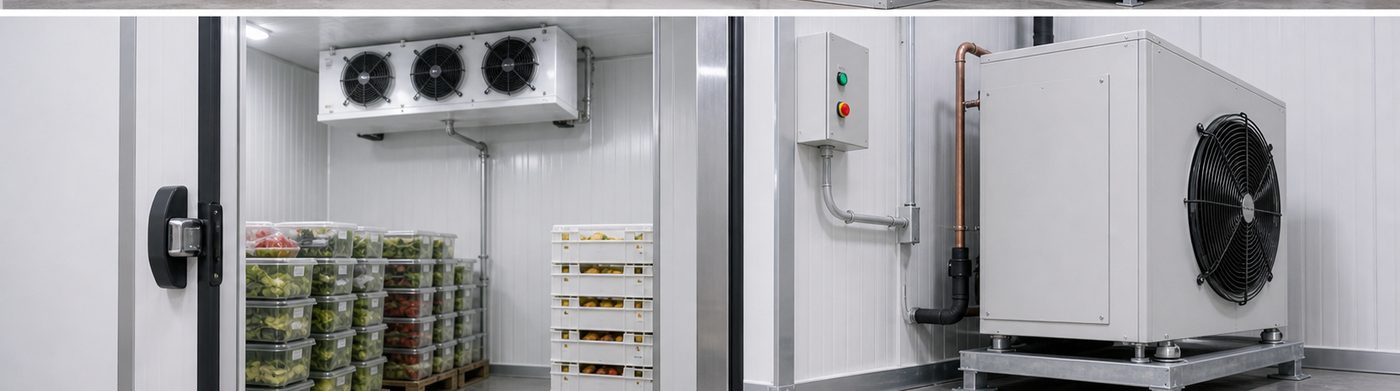
A useful comparison separates three questions: what the unit contains, at which conditions its capacity is stated, and what work remains at the installation site. Answering them prevents a low equipment price from being confused with a complete working system.
Define the equipment boundary in plain language
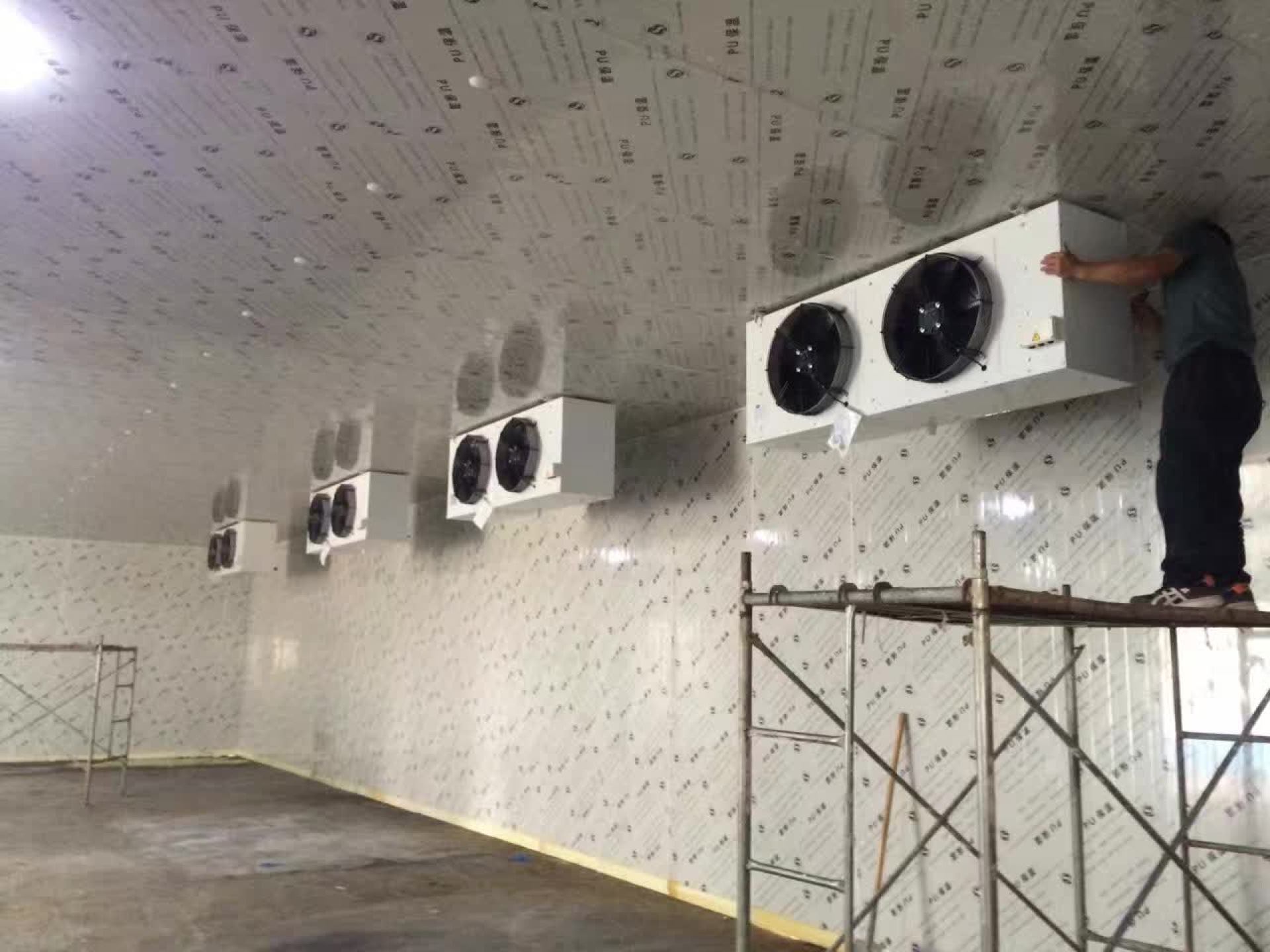
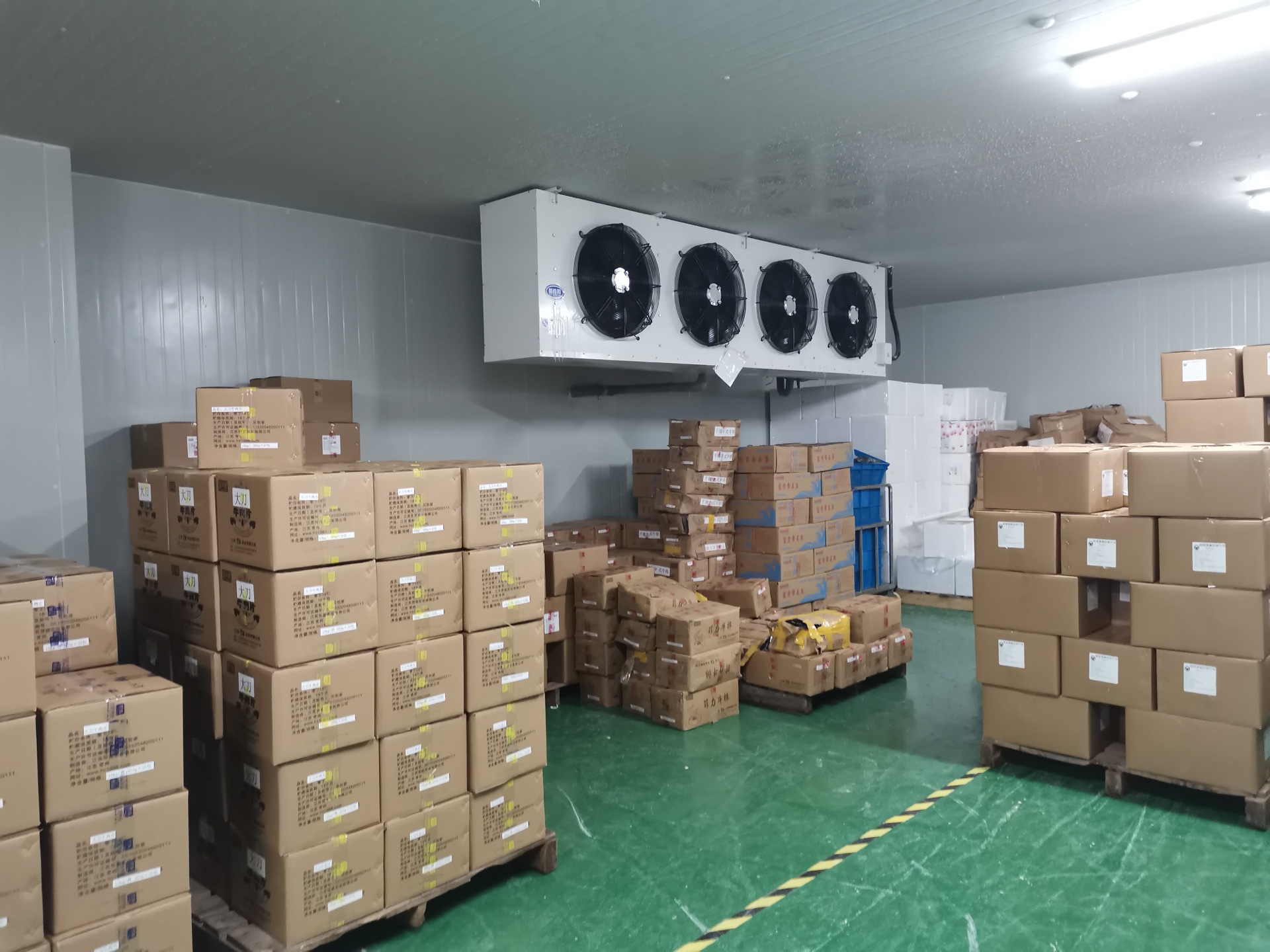
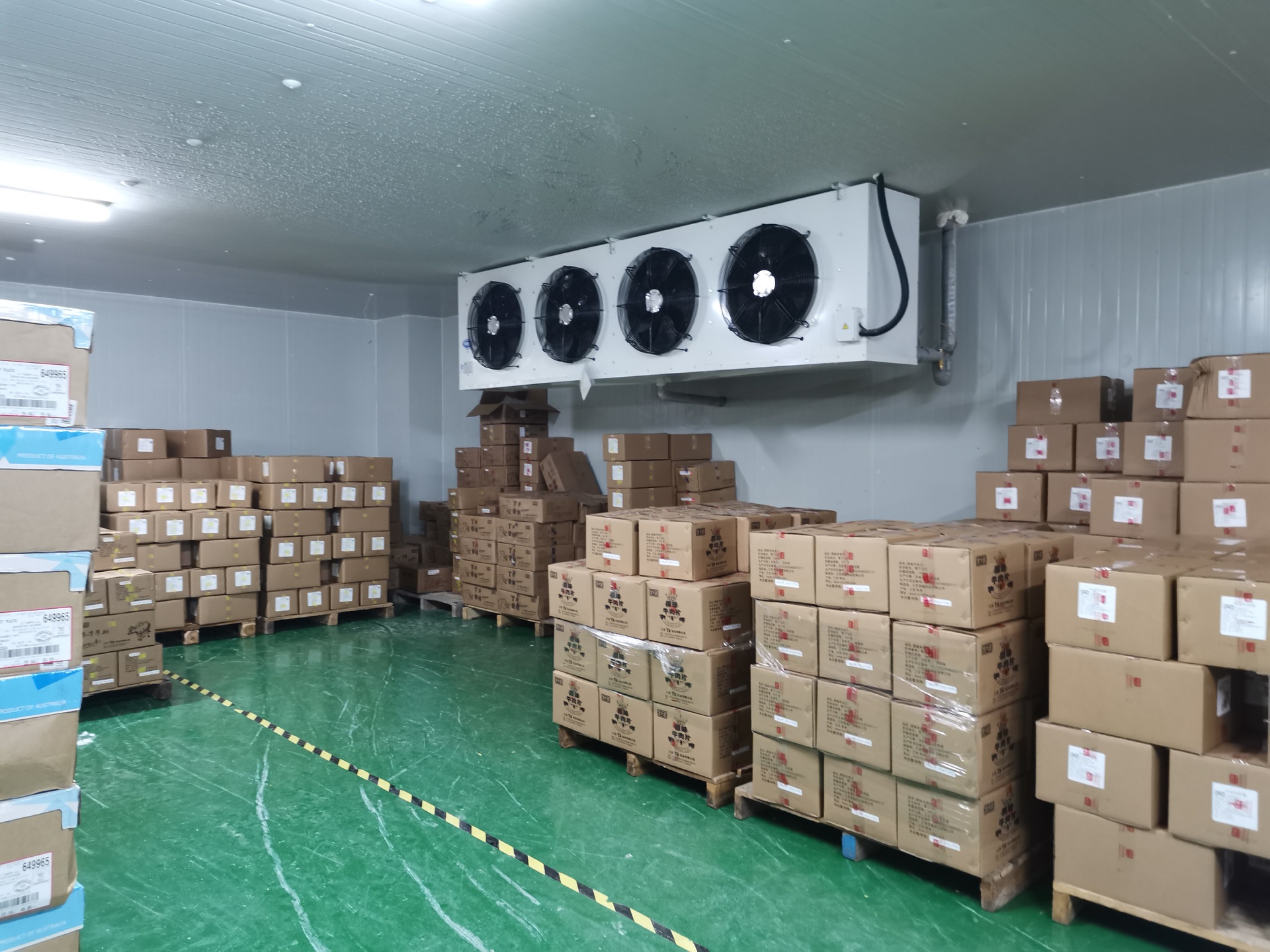
Ask the bidder to identify the enclosure, refrigeration assembly, electrical controls and site connections separately. A remote arrangement has equipment in different locations, while a packaged arrangement combines more components. Neither description by itself confirms that installation, wiring or commissioning is included.
The Danfoss component selection guidance distinguishes the condensing unit, evaporator, pipework and controls within a cold room system. Use that distinction when reading a bill of materials; a compressor model alone is not a complete system specification.
Compare capacity at the same operating conditions
Request the rated refrigeration duty together with the conditions used to select it. Two capacity figures are not directly comparable when the underlying selection conditions differ. Ask the supplier to identify the room duty, outside design conditions and any allowances included in the calculation.
Give incoming product information as well as room dimensions. Explain whether goods arrive already conditioned or need cooling after entry, and describe the daily loading pattern. If the operating schedule is still changing, request the assumptions in writing so that later changes can trigger a selection review.
Check where heat is rejected
The planned outdoor or plant-space location is part of the equipment selection. Show nearby walls, other equipment, access restrictions and the proposed maintenance route. A location that looks convenient on the building plan may not provide the clearance or ambient conditions assumed in the offer.
The supplier should specify required clearances and installation limits for the chosen equipment. Ask the site contractor to confirm that these can be achieved. Do not substitute a general clearance rule from another model or place the unit in a closed space without a reviewed heat-rejection arrangement.
Require a connection schedule
A connection schedule helps compare what the refrigeration contractor and the site electrician actually receive. Record the incoming power requirements, protective devices by responsible party, control interfaces, drain connection and the boundaries of supplied pipework. Identify anything that must be procured locally.
- Equipment identification and the corresponding selection sheet.
- Supply voltage, frequency and phase for the proposed market.
- Included control panel, sensors and specified alarms.
- Site pipework, insulation and mounting responsibilities.
- Commissioning, operator instruction and handover documents.
Read the control sequence as part of the offer
A controller specification should explain operating behaviour, not just display functions. Ask when cooling starts and stops, how the selected defrost method is managed and how abnormal conditions are indicated. Identify who sets and approves the final parameters during commissioning.
Also discuss recovery after loss of power and how staff will learn that a fault has occurred. If the customer requires remote messages or integration with another system, list the necessary network service, interface and subscription separately. A controller with an alarm output does not automatically provide a complete remote response service.
Examine service access and replacement options
An equipment package is easier to support when its components can be identified and reached. Request a component schedule and information about locally available servicing. Discuss how major parts can be removed from the installed position without dismantling unrelated building work.
Avoid treating a longer spare-parts list as proof of better reliability. Instead, agree which spares are practical for the operator to hold and which require a qualified technician. The handover should make clear who diagnoses refrigeration faults and who is responsible for electrical or building-side problems.
Build a comparable purchase enquiry
For a complete modular cold room, identify the required room package and ask for the refrigeration portion to be itemized. For a chilled storage application, include the intended chiller room duty rather than requesting only a unit by horsepower.
Send that scope, the site layout and the operating assumptions with your quotation request. Compare compliance with the same brief before comparing totals. Record exclusions and unresolved connections as commercial decisions, so the final order describes an installable system rather than an incomplete collection of equipment.