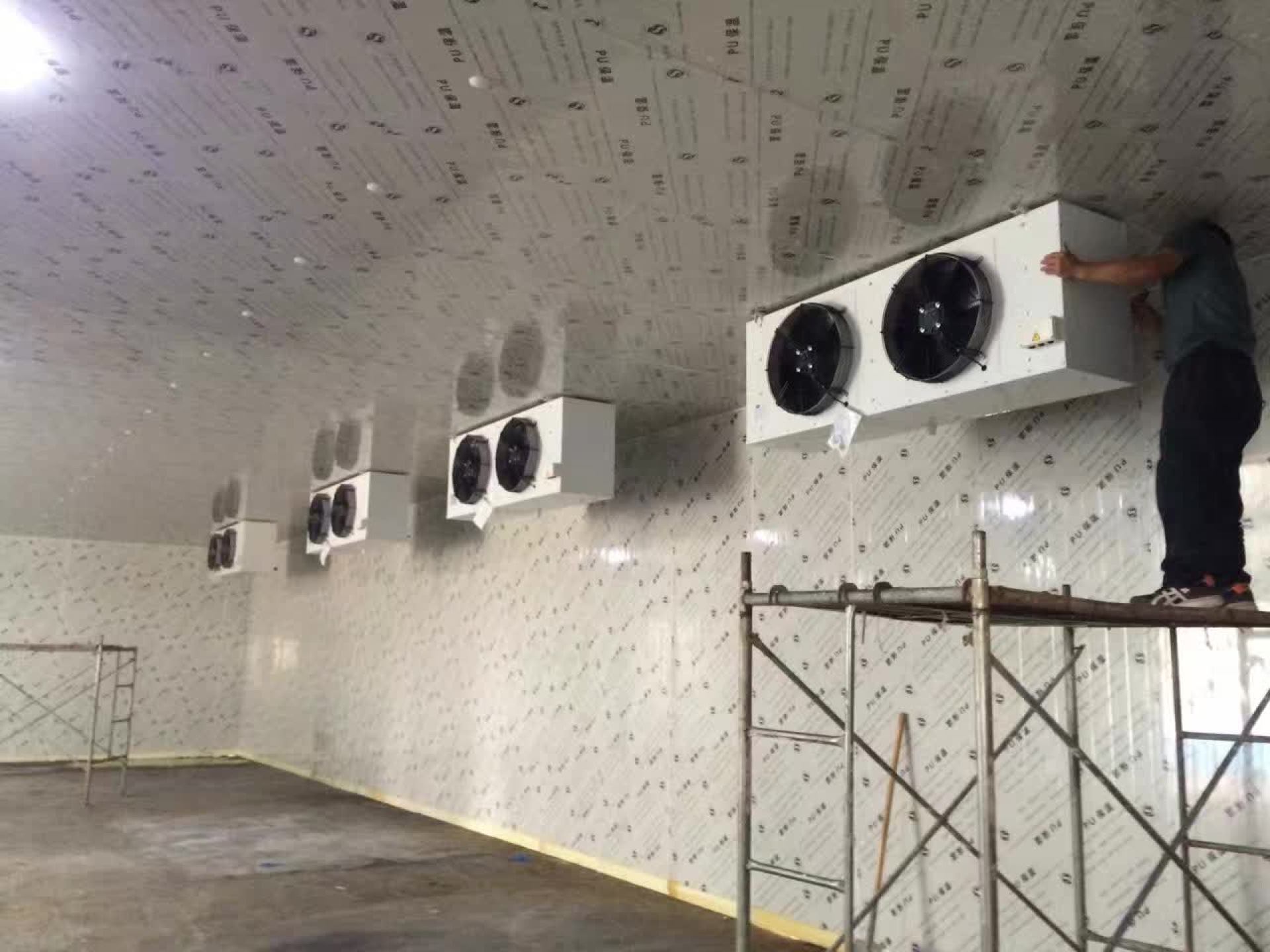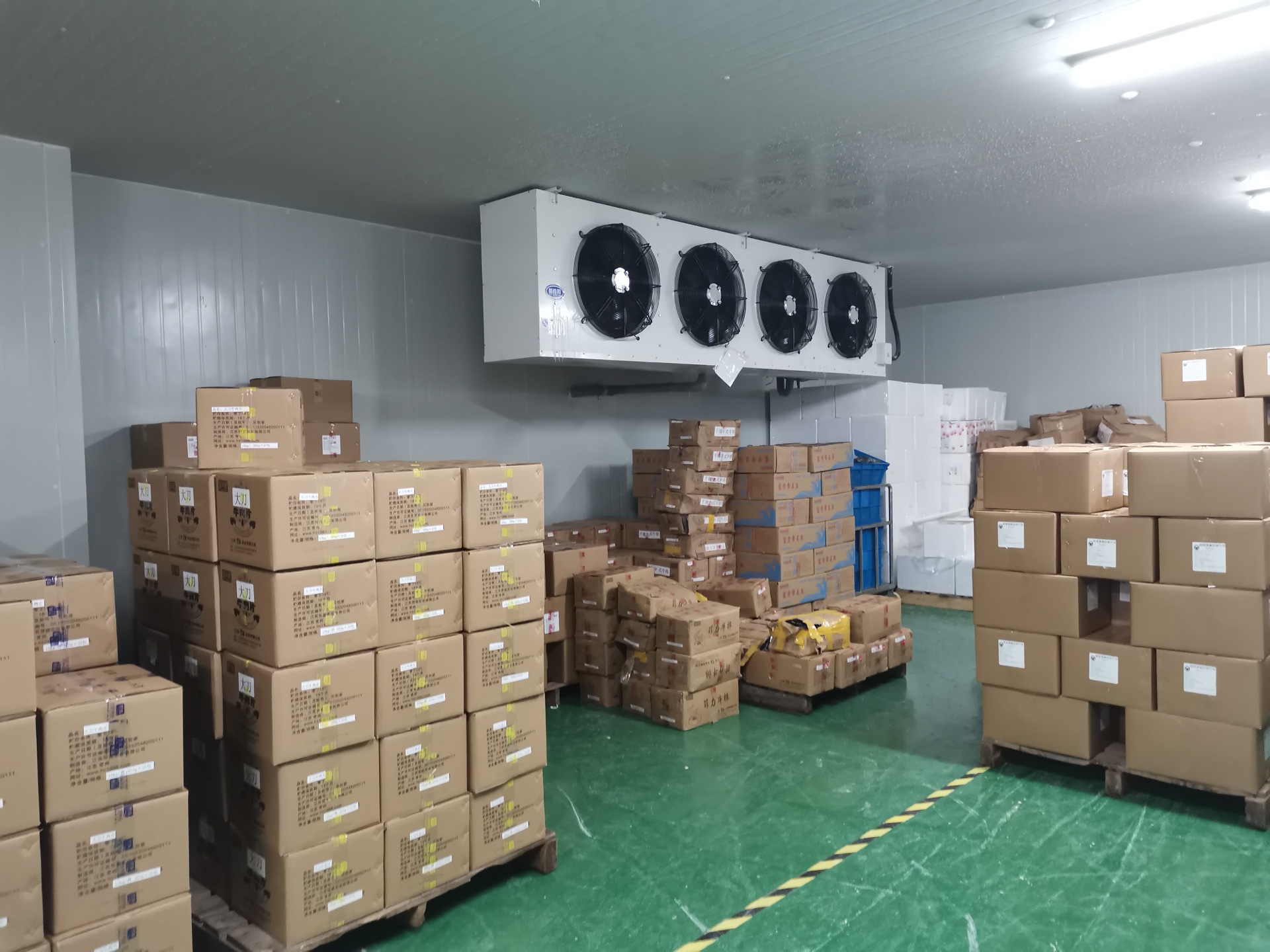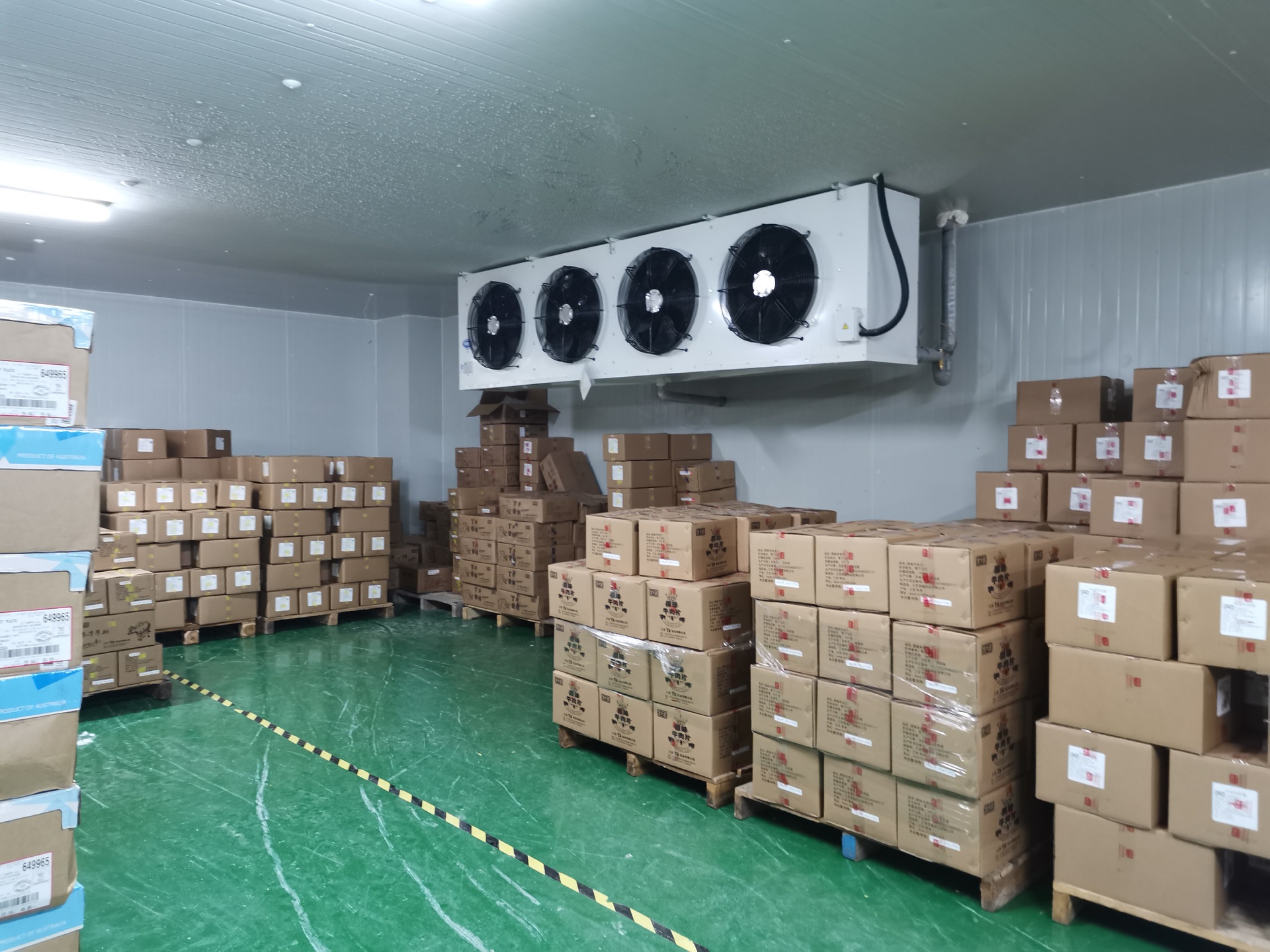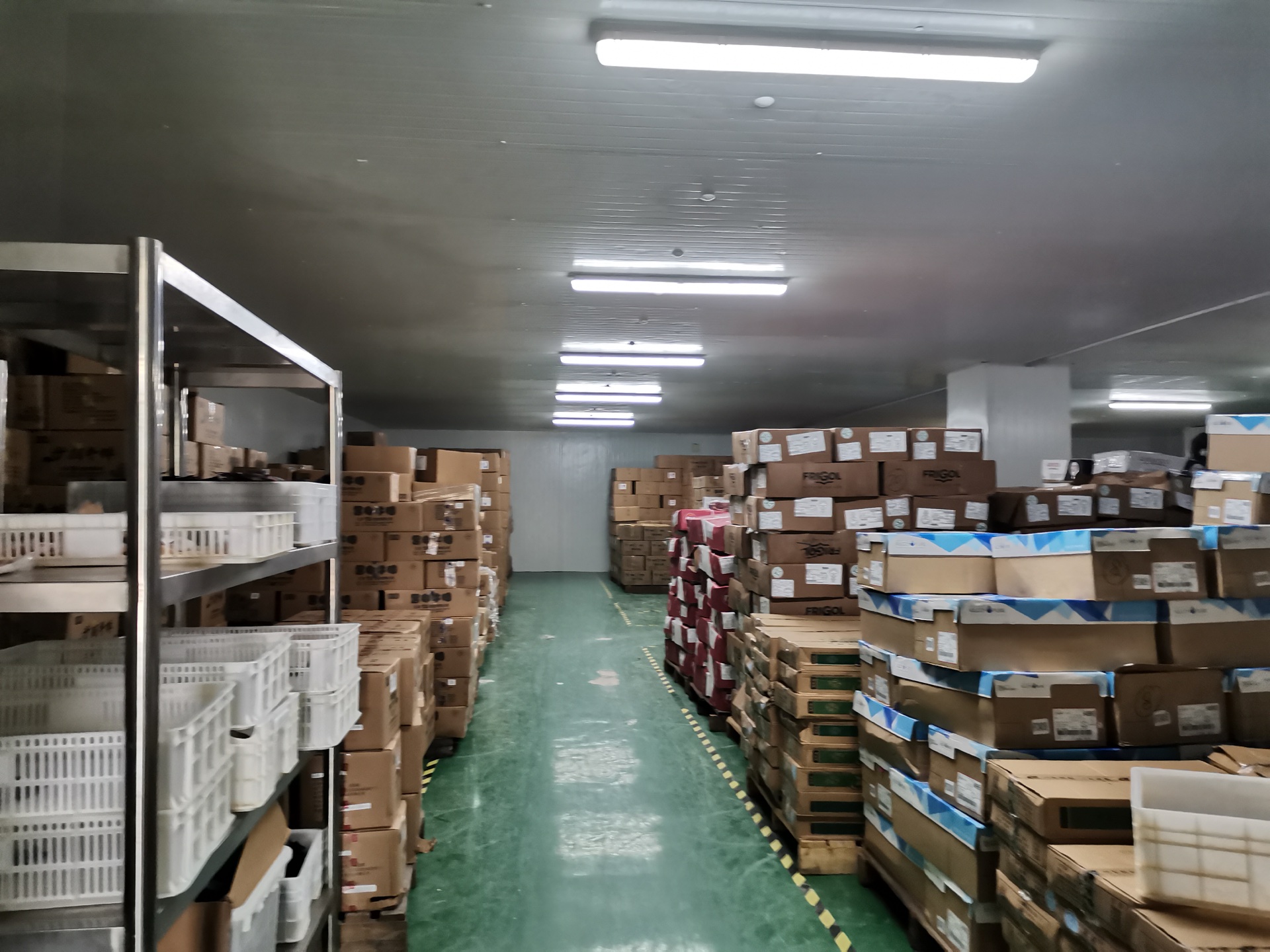
For Seafood Blast Freezer Room, JiangNan reviews insulation, refrigeration, doors, installation conditions, and project details before recommending a cold room solution. JiangNan manufactures custom blast freezer rooms for seafood processors that need fast temperature pull-down, stable low-temperature operation, and equipment suitable for Saudi Arabia’s high ambient conditions. For seafood plants handling fish, shrimp, squid, fillets, or packed seafood cartons, a -35C blast freezer room must be designed as an integrated system: room envelope, airflow path, refrigeration equipment, door arrangement, drainage, and loading method all affect freezing performance.
We supply factory-direct industrial cold room solutions for export projects, including insulated panels, cold room doors, refrigeration units, electrical control, installation drawings, and export packing. Final system selection is made according to room size, product loading, incoming product temperature, ambient temperature, door opening frequency, and required freezing time.
Product Overview
| Item | Engineering Direction |
|---|---|
| Product | Industrial blast freezer room |
| Application | Seafood processing |
| Target market | Saudi Arabia |
| Room temperature | -35C |
| Typical products | Shrimp, fish fillets, squid, packed seafood cartons |
| Key design concern | High ambient temperature and batch freezing load |
Engineering Scope
- Insulated room enclosure with low-temperature panels and floor insulation.
- Freezer door selected for trolley, pallet, or forklift movement.
- Evaporator airflow layout matched to product stacking.
- Condensing unit selected for Saudi Arabia ambient conditions.
- Electrical control, protection, and temperature monitoring.
- Export packing, layout drawings, and installation support.
Why Seafood Processing Needs a Proper Blast Freezer Room
Seafood quality is sensitive to freezing speed. Slow freezing can increase drip loss, damage texture, and create inconsistent core temperature across cartons or trays. A blast freezer room is designed to move cold air across the product load with enough static pressure and airflow distribution to remove heat quickly and evenly.
For seafood processing, common applications include:
- Freezing packed shrimp before cold storage.
- Pulling down fish fillets after washing and packing.
- Freezing squid, cut fish, or mixed seafood cartons.
- Pre-freezing seafood before export logistics.
- Supporting processing lines that need batch freezing capacity.
A -35C room temperature is commonly used for seafood blast freezing, but the refrigeration system should not be selected by temperature alone. Product volume, carton size, stacking pattern, loading temperature, and target freezing cycle are more important for compressor and evaporator selection.
Engineering Considerations for Saudi Arabia
Saudi Arabia has high outdoor ambient temperatures for much of the year. This affects compressor condensing pressure, refrigeration efficiency, electrical load, and heat gain through the cold room envelope. For this market, we usually pay close attention to condenser sizing, ventilation around outdoor units, panel insulation thickness, door sealing, and the distance between evaporators and condensing units.
If the blast freezer room is installed inside a processing building without strong ventilation, the equipment area temperature may rise higher than expected. That condition must be checked before refrigeration selection. A system that works in a mild-climate factory may struggle in a Saudi seafood plant if the condenser is undersized or installed in a poorly ventilated space.
Recommended Room Temperature
-35C Operating Temperature
For seafood blast freezing, -35C room temperature is suitable for fast heat removal from packed seafood products. The final product core temperature requirement should be confirmed by the processor, especially when seafood is prepared for export or long-term freezer storage.
JiangNan does not recommend choosing refrigeration capacity from a simple product name. A correct blast freezer calculation should consider:
- Room internal dimensions.
- Seafood type and packaging.
- Product loading per batch.
- Incoming product temperature.
- Required freezing time.
- Door opening frequency.
- Local ambient temperature.
- Evaporator airflow and product stacking method.
Panel Thickness Recommendation
PU or PIR Insulated Panels
For a -35C blast freezer room in Saudi Arabia, thicker insulated panels are recommended to reduce heat gain and keep the refrigeration system stable during high ambient periods. In many industrial freezing projects, 150 mm panels are a practical starting point, while 200 mm panels may be considered for larger rooms, heavy-duty operation, or sites exposed to higher heat load.
Panel selection should also consider floor insulation. A low-temperature blast freezer needs a properly insulated floor system to reduce heat transfer from the slab. For larger freezer rooms, anti-freeze floor treatment or ventilation under the floor may be required depending on civil conditions.
Door Recommendation
Heavy-Duty Freezer Door with Reliable Sealing
For seafood processing, the door is not only an access point. It is one of the main sources of heat and moisture entering the room. We recommend an industrial hinged freezer door or sliding freezer door depending on trolley movement, forklift access, and available space.
Important door details include:
- Low-temperature sealing gasket.
- Door frame heater for anti-condensation and anti-freezing.
- Strong hardware for frequent operation.
- Emergency release from inside the room.
- Proper threshold or floor transition for carts and pallet movement.
For frequent loading, a sliding freezer door is usually easier for pallet traffic. For smaller batch rooms, a hinged freezer door can be more compact and easier to install.
Refrigeration System Notes
System Selection Must Match the Freezing Duty
A seafood blast freezer room requires more than a standard storage freezer system. The evaporator needs enough airflow and coil surface to remove product heat during each batch. The condensing unit must be selected for high ambient temperature operation, especially for Saudi Arabia.
Key refrigeration points include:
- Compressor selection based on freezing load, not only room volume.
- Condenser sizing suitable for high ambient temperature.
- Evaporator air throw matched to product stacking layout.
- Defrost design suitable for moisture from seafood processing.
- Electrical control with temperature monitoring and protection.
- Refrigerant and component selection based on project requirement and local service capability.
JiangNan can provide refrigeration configuration options after receiving the room layout, product load, and target freezing cycle. We do not state a fixed refrigeration capacity without project details because that can lead to poor freezing performance or unnecessary energy use.
Installation Considerations
Layout, Airflow, and Drainage
The blast freezer room should be planned together with the seafood processing flow. Loading and unloading routes should be short, clean, and practical. Product should be stacked with enough air gaps so cold air can pass across cartons or trays. Blocking the evaporator air return will reduce freezing performance even when the refrigeration unit is correctly sized.
Installation details to confirm before production include:
- Room location and available ceiling height.
- Floor level, drainage, and floor insulation.
- Door opening direction and traffic route.
- Evaporator position and service clearance.
- Condensing unit location and ventilation.
- Electrical supply and control panel position.
- Site access for panel unloading and assembly.
For overseas projects, JiangNan can provide installation drawings and technical support for the local installation team. If required, we can also discuss on-site guidance depending on project location and schedule.
Export Packing and Delivery Support
JiangNan is an export-oriented industrial cold room manufacturer. For Saudi Arabia projects, panels, doors, refrigeration equipment, accessories, and control parts are packed for container loading and long-distance transport. Each project is prepared according to the packing list so the installation team can identify parts more easily on site.
Our export support can include:
- Cold room panel production and labeling.
- Freezer door and hardware packing.
- Refrigeration unit packing.
- Accessories and installation material list.
- Layout drawing and basic installation guidance.
- Container loading planning.
Related Resources
- Freezer Room – related JiangNan product and project information.
- Food freezing – external reference for basic technical background.
FAQ
What temperature is suitable for a seafood blast freezer room?
For many seafood processing projects, -35C room temperature is used for blast freezing. The final design depends on the seafood type, packaging, product loading temperature, batch weight, and required freezing time. A blast freezer room should be calculated by freezing duty, not selected only from room temperature.
Can the blast freezer room work reliably in Saudi Arabia’s high ambient temperature?
Yes, but the refrigeration system must be selected for the local ambient condition. In Saudi Arabia, condenser sizing, ventilation, compressor working range, and installation location are very important. If the condensing unit is installed in a hot or poorly ventilated area, performance can drop.
What panel thickness do you recommend for a -35C blast freezer room?
For -35C operation, 150 mm insulated panels are commonly considered, while 200 mm panels may be suitable for larger rooms, heavier operation, or higher heat gain conditions. Final panel selection should consider room size, operating hours, floor insulation, and ambient temperature.
Should I choose PU or PIR panels?
Both PU and PIR insulated panels can be used for industrial cold rooms. The choice depends on project requirements, operating environment, local regulations, and fire performance expectations. JiangNan can prepare the panel proposal based on the panel type requested by the buyer and the technical conditions of the project.
Which door is better for seafood processing, hinged or sliding?
For small batch rooms, a hinged freezer door is often practical. For pallet loading, forklift access, or frequent operation, a sliding freezer door is usually better. In both cases, low-temperature gaskets, door frame heating, and reliable hardware are important for -35C operation.
Can you provide the refrigeration capacity for this blast freezer room?
We can provide a refrigeration selection after checking the project data. Required capacity depends on room size, seafood loading per batch, incoming product temperature, target freezing time, ambient temperature, and door opening frequency. Giving a fixed capacity without these details would not be responsible engineering.
What information do you need before an engineering proposal?
We usually need the room dimensions, seafood type, batch loading weight, incoming temperature, target freezing time, local ambient temperature, voltage, installation location, door size, and whether products are loaded by trolley, pallet, or rack.
Do you support installation for Saudi Arabia projects?
Yes. JiangNan can provide layout drawings, panel assembly guidance, refrigeration installation notes, and remote technical support for the local installation team. For larger projects, on-site guidance can be discussed according to schedule and project conditions.
Request a Project Review
Send JiangNan your seafood product type, room size, batch loading weight, target freezing time, and Saudi Arabia project location. Our engineering team will review the heat load conditions and prepare a factory-direct blast freezer room proposal with panel, door, refrigeration, control, packing, and installation support details.