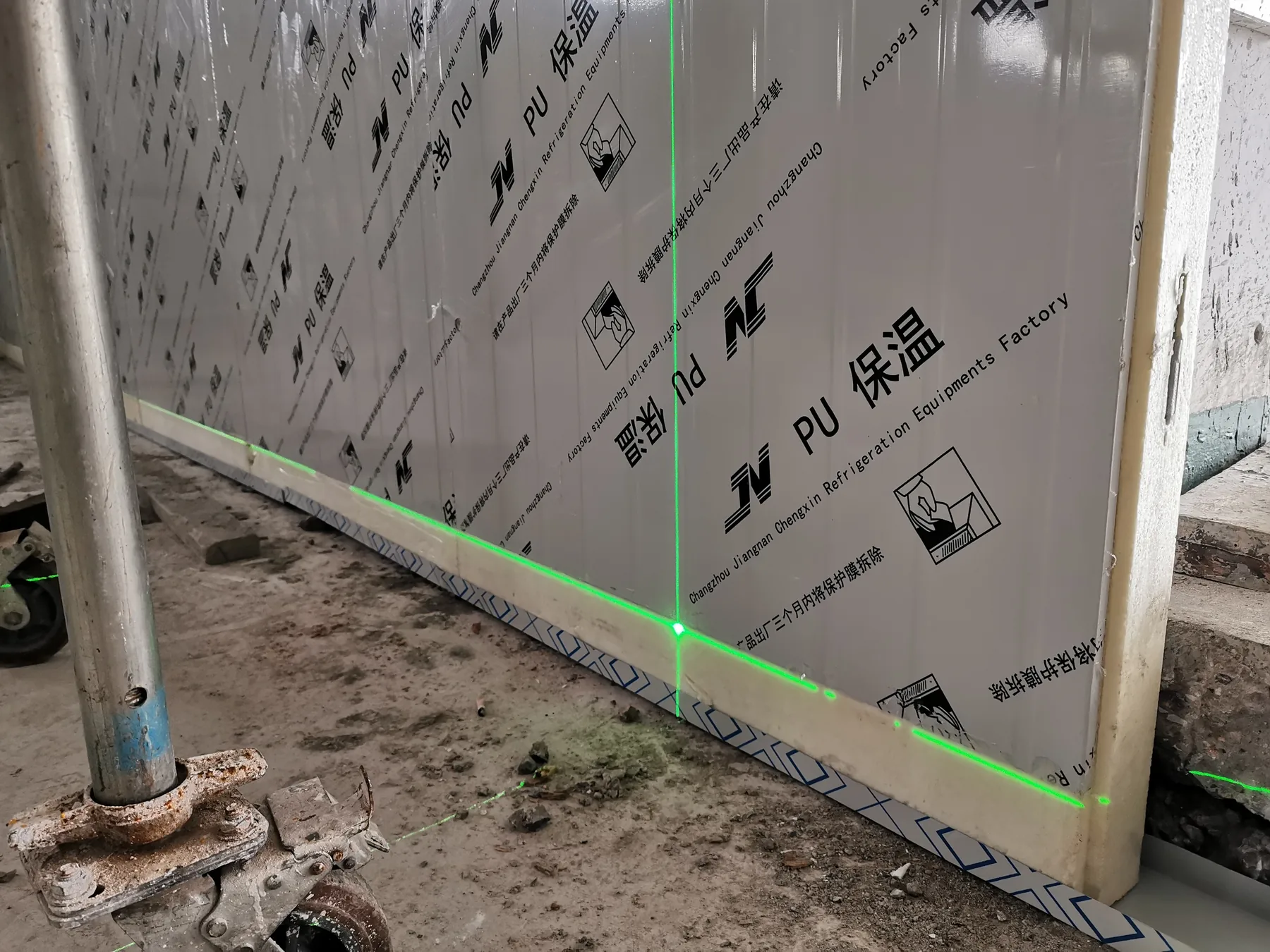
Fluidized Bed Freezer Interface for Fruit and Vegetable Processing
Product Overview
A fluidized bed freezer is often used for small pieces of fruit and vegetables that need quick individual freezing. The freezer itself may be a separate process machine, but it still depends on the surrounding cold room system. Product preparation, staging temperature, refrigeration supply, condensate drainage, frozen storage transfer, electrical control, and cleaning access all affect whether the freezing line works smoothly.
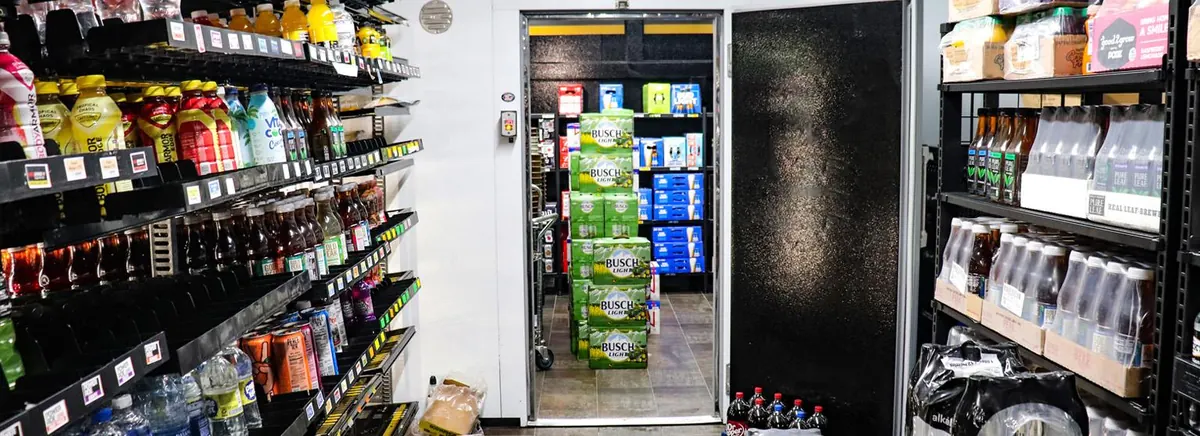
JiangNan reviews this type of project as a process interface. The fruit or vegetable product may be washed, cut, drained, sorted, fed into the freezer, discharged, packed, and then moved to frozen storage. If any of these steps are placed in a hot or humid area, the freezer load and frost condition increase. The cold room layout and refrigeration system should support the freezing equipment instead of treating it as an isolated machine.
This page does not replace the equipment manufacturer’s machine data. It explains what the cold room supplier and plant designer should confirm around the freezer.
Engineering Scope
The first input is product condition before freezing. Product size, surface moisture, entering temperature, sugar or water content, and feed rate strongly affect freezing performance. Small pineapple pieces, diced vegetables, peas, corn, and sliced fruit all behave differently. JiangNan asks for product form and process temperature before reviewing the cold room interface.
Pre-freezing staging should be controlled. Product waiting in a hot processing area gains heat and moisture. A chilled preparation or staging space can reduce the load entering the freezer. The staging area should have drainage, clean surfaces, and enough working space so operators do not block the freezer feed.
Refrigeration load should be confirmed from machine duty and operating schedule. A fluidized bed freezer may require a large refrigeration load during production, while frozen storage rooms require stable holding duty. These should be separated in the load calculation. If the freezer and storage share a refrigeration plant, the system must handle peak freezing without destabilizing storage rooms.
The discharge side matters as much as the feed side. Frozen product should move quickly to packing or frozen storage. If product waits in a warm room after discharge, surface thawing or clumping can occur. The transfer route should be short, clean, and protected from warm humid air.
Drainage and defrost should be coordinated. Fluidized bed freezers handle wet products and high airflow, which can create frost and condensate. Drain routes, floor slope, cleaning water, and freezer defrost water should not interfere with cold room doors or electrical equipment. In low temperature areas, drain lines may need freeze protection.
Air balance around the equipment should be reviewed. The freezer may reject cold air leakage or moisture into the surrounding room. Door openings, access panels, and product feed openings should be arranged so the processing area remains usable. Workers should not be forced to stand in strong cold discharge air for long periods.
Controls should define the interface between process equipment and refrigeration. Signals may include freezer run command, refrigeration enable, low temperature alarm, defrost status, emergency stop, conveyor status, and fault output. JiangNan coordinates control panel boundaries when the cold room and refrigeration package connect to a process freezer.
High ambient temperature affects product entry condition, condenser duty, and processing room comfort. In hot climates, the area around the freezer should be protected from open loading doors and poor ventilation. A freezer selected at one operating condition may struggle when product enters warmer than expected.
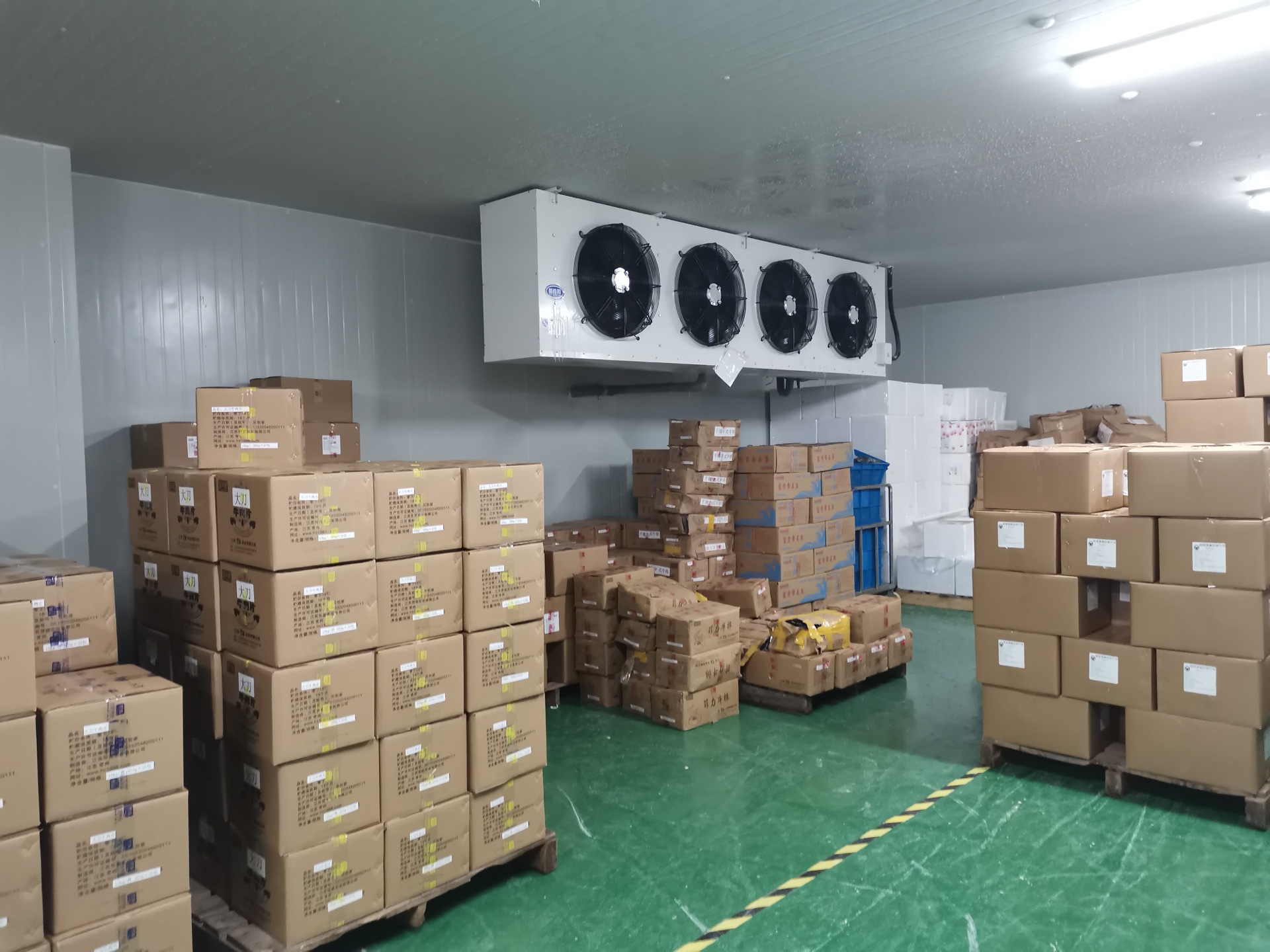
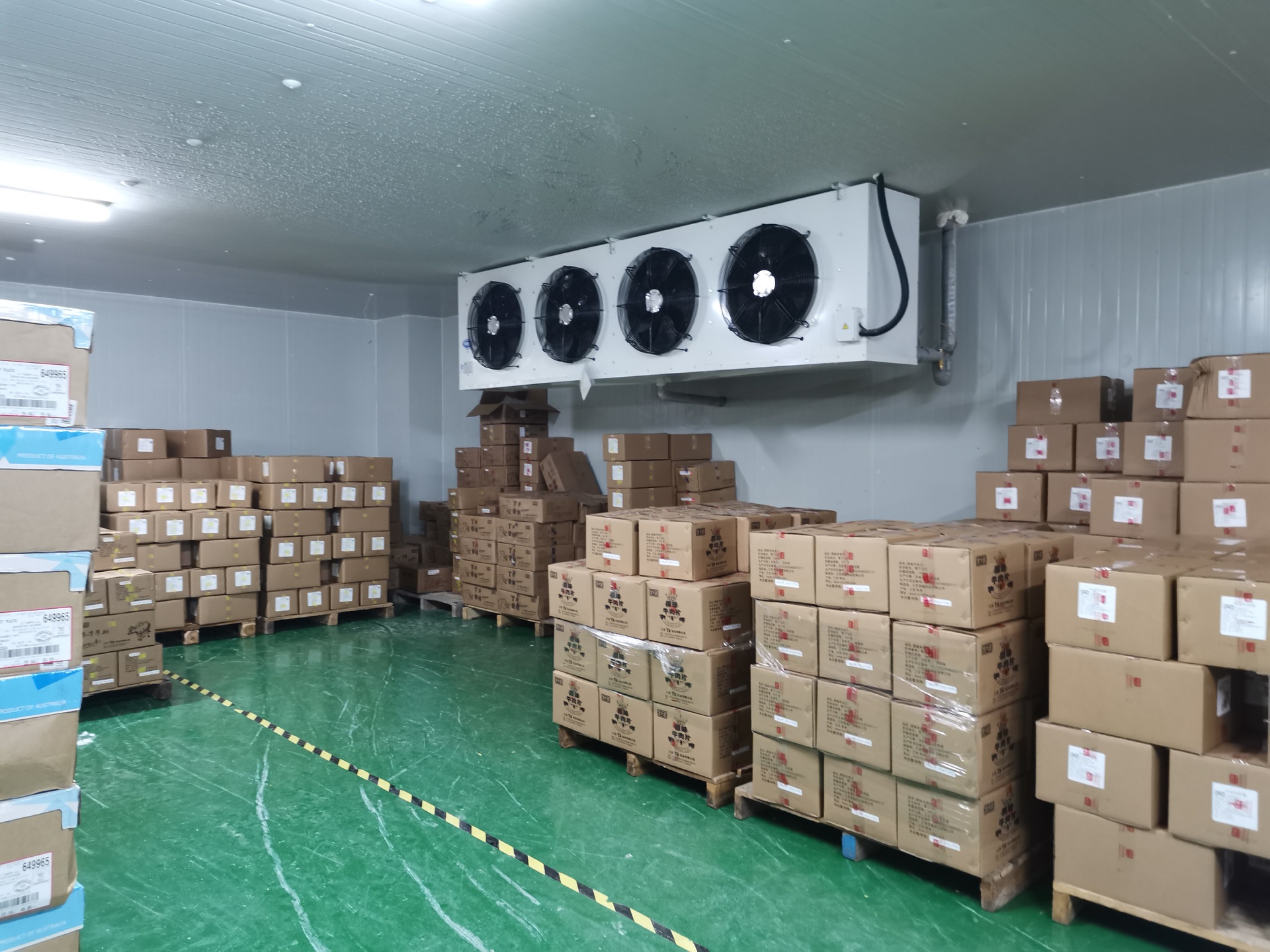
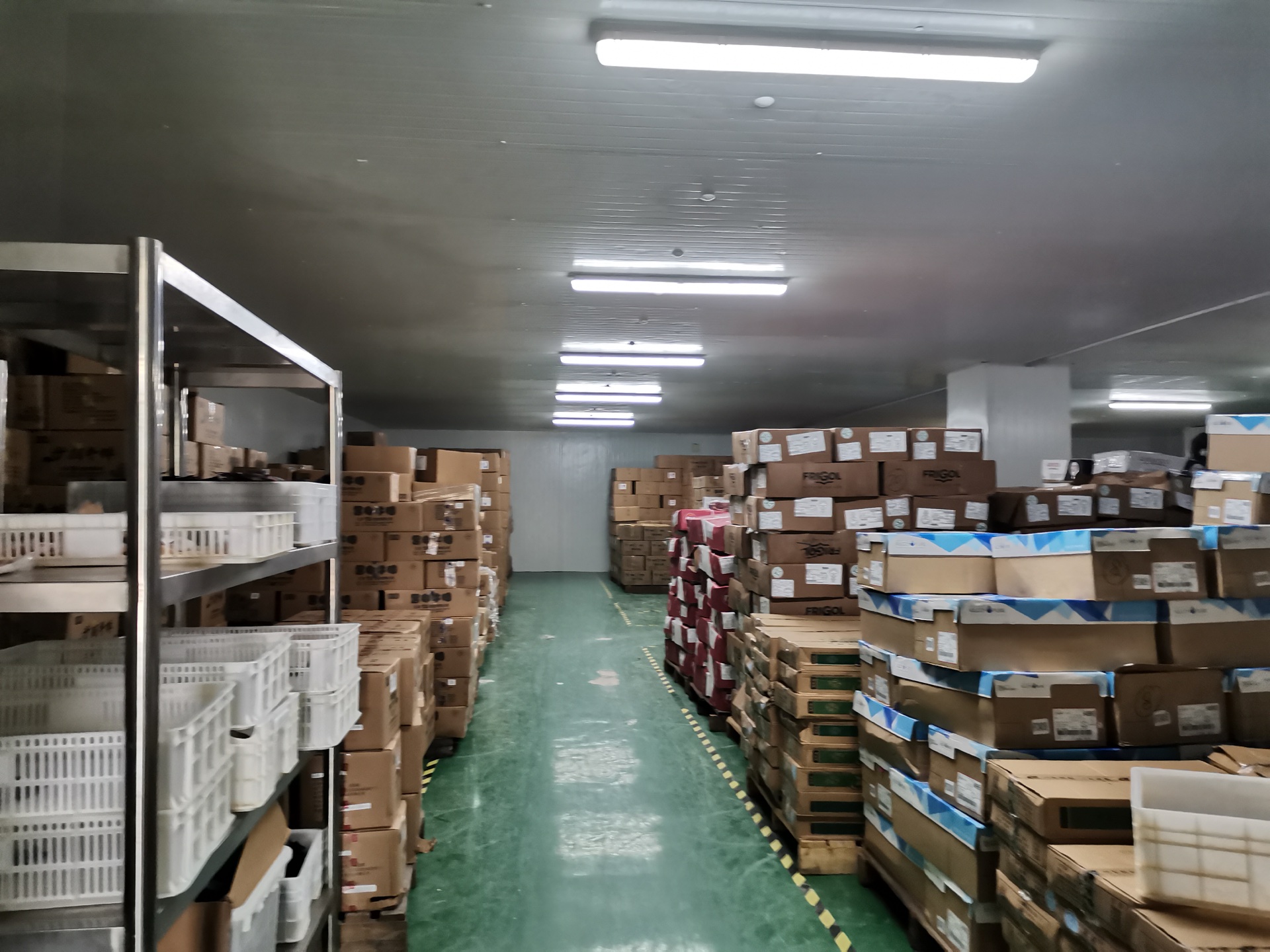
Frozen storage after the freezer should be sized by daily output and holding time. It is not a replacement for the freezer. The frozen storage room should maintain product temperature, allow pallet or carton movement, and protect product from door heat. JiangNan reviews the freezer discharge and storage entrance together.
Commissioning should test the complete process. Empty room pull-down is not enough. The team should observe feed temperature, product loading rate, freezer operation, discharge condition, transfer route, storage room door time, and refrigeration readings. This creates a practical baseline for operation.
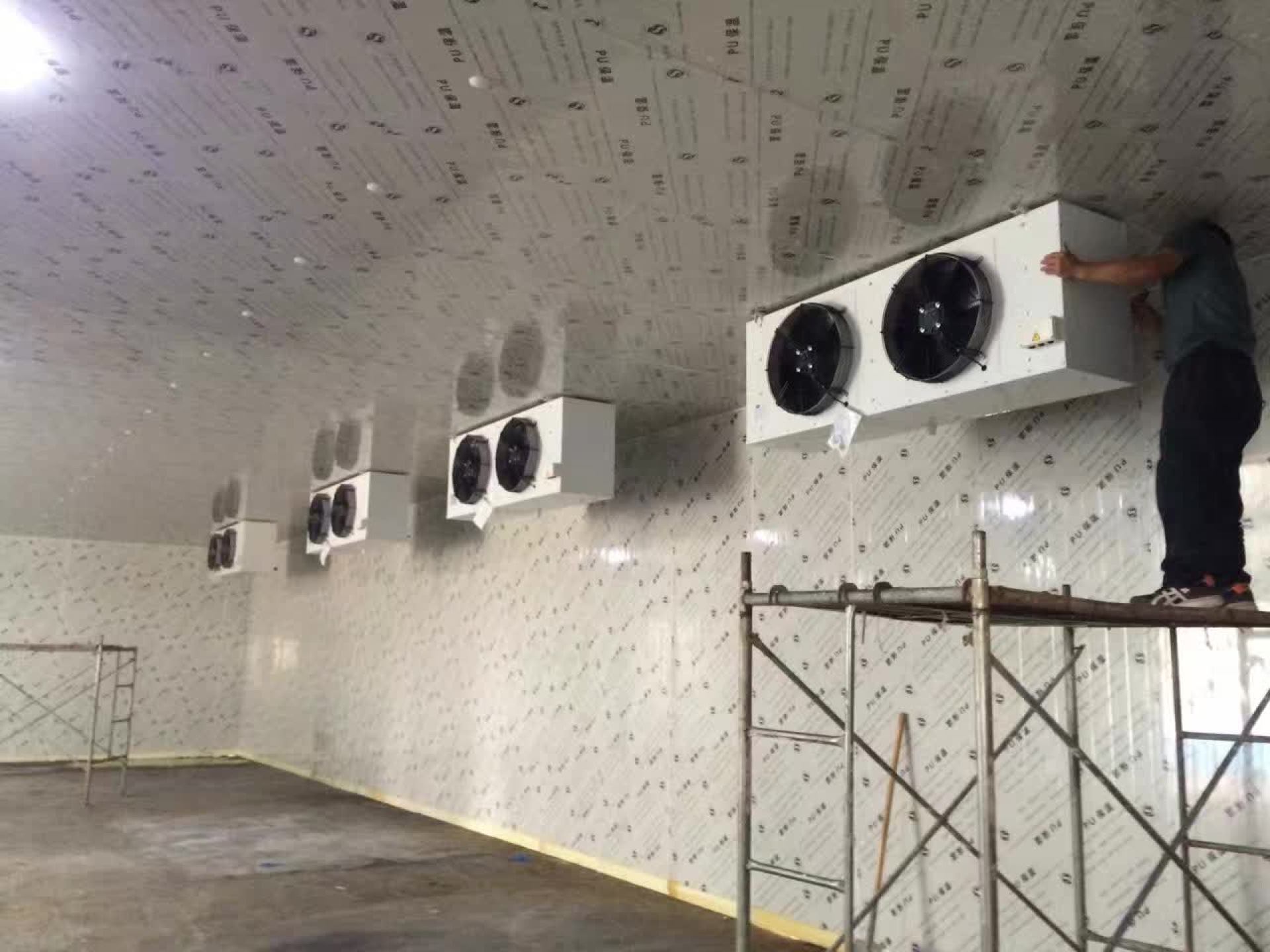
The equipment interface should also define who supplies each connection. Refrigeration piping, control signals, drain points, power supply, insulation, and service platforms may come from different scopes. If these boundaries are unclear, the installation team may leave gaps between the cold room package and the process freezer. JiangNan recommends confirming the interface table before manufacturing.
Cleaning procedure is another design input. Fluidized bed freezers handle small products and moisture, so daily cleaning may require access around the feed end, discharge end, belt or bed area, drain trays, and surrounding floor. The cold room panels, floor finish, lighting, and electrical protection should support this cleaning routine without exposing sensitive components to water.
Spare production capacity should be discussed carefully. Many plants increase feed rate after startup. If the refrigeration plant, staging room, and frozen storage are selected only for the first production target, later increases may affect product temperature and freezing quality. JiangNan separates current duty and possible future duty during review.
Related Resources
- Freezer Room – related JiangNan product and project information.
- Cold chain – external reference for basic technical background.
FAQ
Is the fluidized bed freezer part of the cold room?
It may be separate process equipment, but its refrigeration, staging, drainage, and frozen storage interface must be coordinated with the cold room system.
What product data is needed?
Product size, surface moisture, feed rate, entering temperature, target outlet temperature, and production schedule are needed.
Can frozen storage handle the freezer load?
No. Frozen storage is for holding finished frozen product. Freezing load should be calculated separately.
How does high ambient temperature affect the line?
It can raise product entry temperature, increase condenser duty, and add heat and moisture around the freezer.
What does JiangNan need?
JiangNan needs process flow, freezer duty data, room layout, frozen storage requirement, control interface, and ambient condition.
Talk to JiangNan
Send JiangNan your quick freezing process flow and freezer duty data. We will review the cold room interface, refrigeration grouping, staging, drainage, controls, and frozen storage connection.