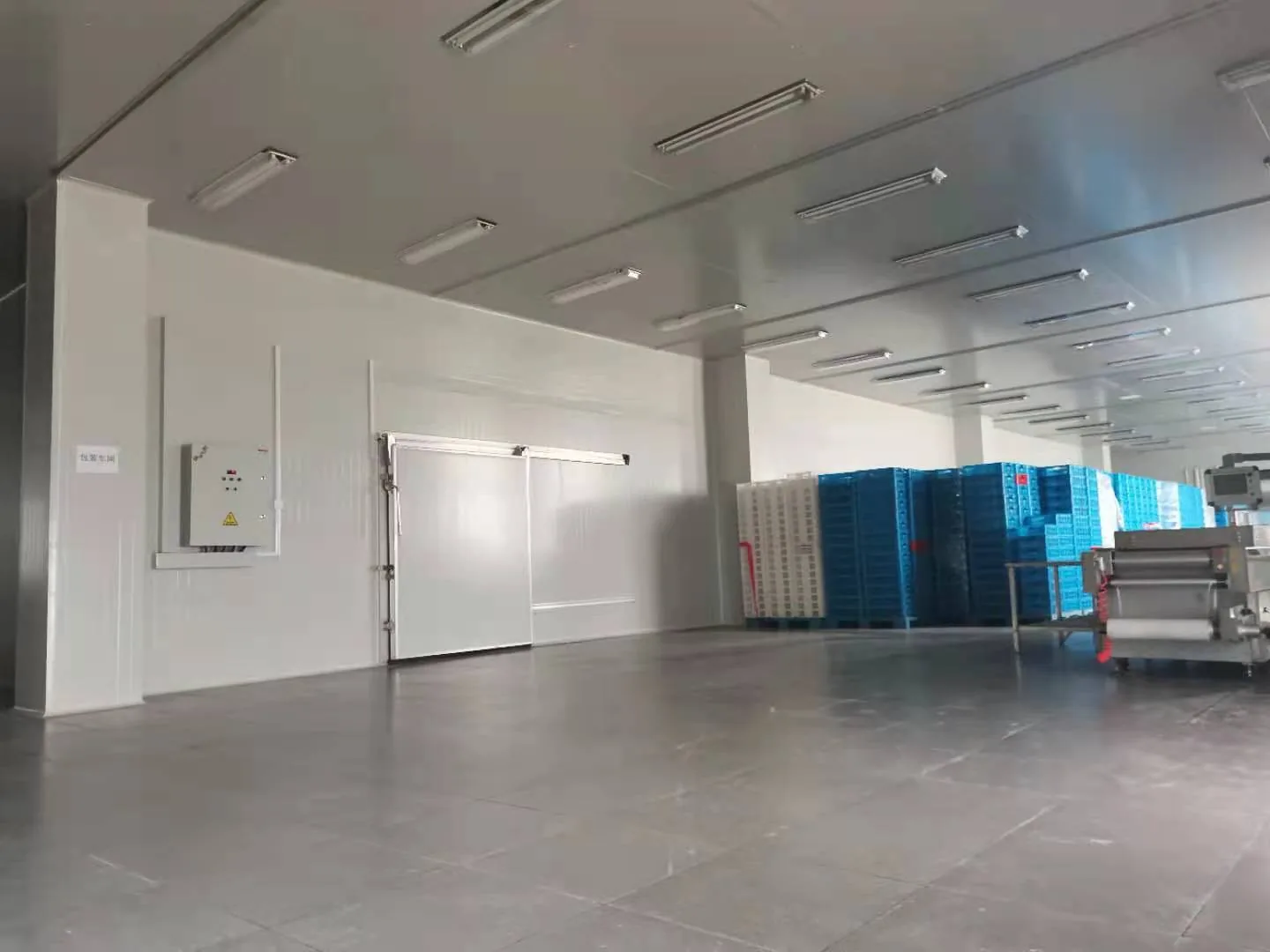
Pineapple Piece Freezing Room Design
Product Overview
For Pineapple Freezing Room, JiangNan reviews insulation, refrigeration, doors, installation conditions, and project details before recommending a cold room solution. A pineapple piece freezing room is used for cut fruit products loaded in trays, racks, carts, or batch freezing arrangements. Cut pineapple carries moisture and product heat, and it may enter the room from a processing area at a relatively high temperature. The freezing room must remove heat within the required batch time while keeping airflow, hygiene, drainage, and loading operation practical.
JiangNan designs this type of room from the product format. Pineapple blocks, chunks, slices, and diced product do not freeze the same way. Tray depth, product layer thickness, package condition, rack spacing, batch weight, and freezing time determine the room duty. A freezing room cannot be selected only by room size.
The room may be part of a fruit and vegetable processing plant with washing, cutting, draining, packaging, freezing, and frozen storage areas. The freezing room should be located so product does not wait in a warm processing corridor after preparation.
Engineering Scope
The first design input is product loading. JiangNan needs tray size, product weight per tray, number of trays per rack, number of racks per batch, entering product temperature, target product temperature, and required freezing time. These values define the refrigeration duty and airflow arrangement.
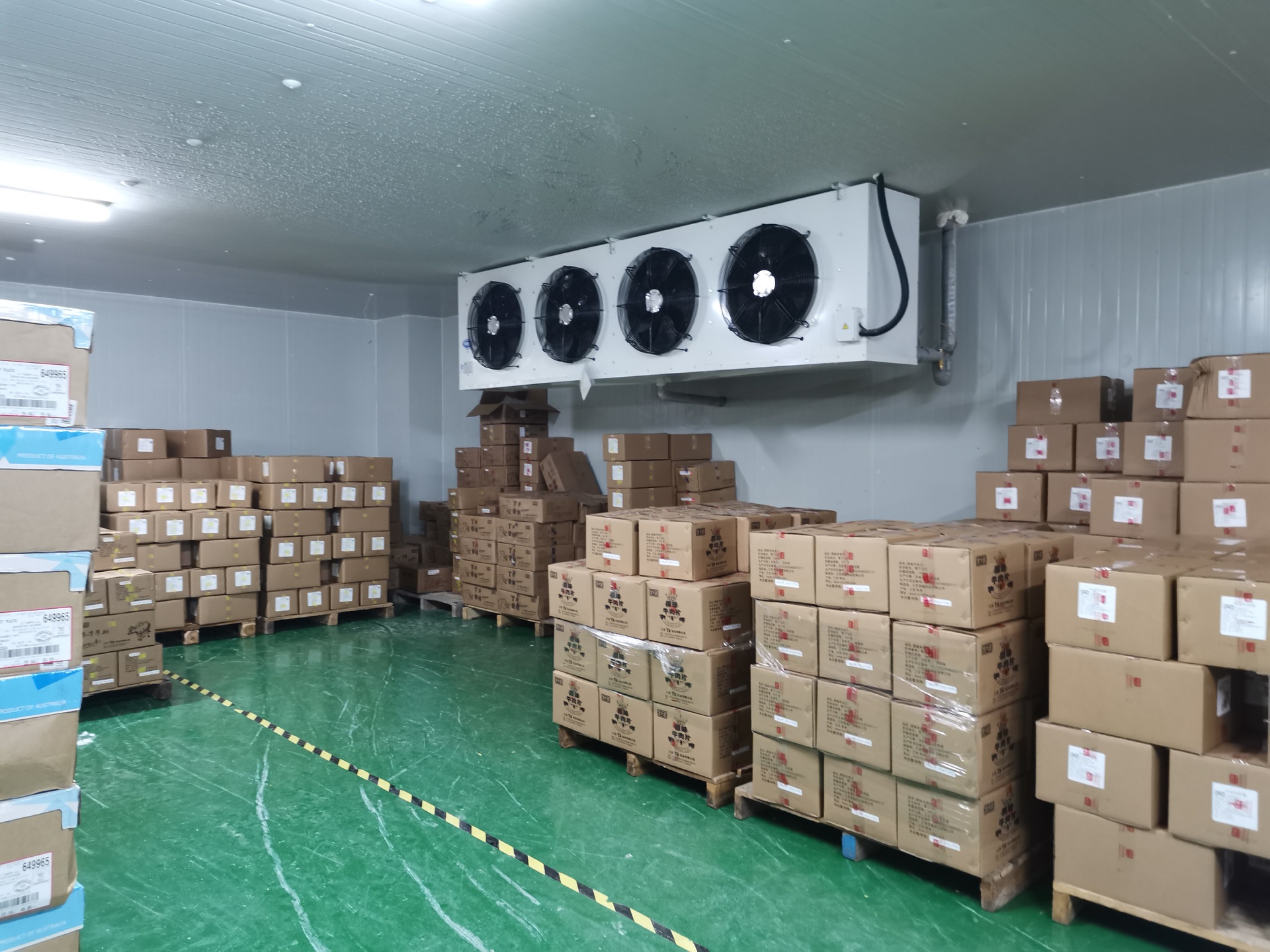
Rack or tray arrangement should allow air to reach the product. If trays are stacked too tightly, freezing will be uneven. Product near the air discharge may freeze first while product at the back remains soft. Air should move across the product surfaces and return to the evaporator without short-circuiting.
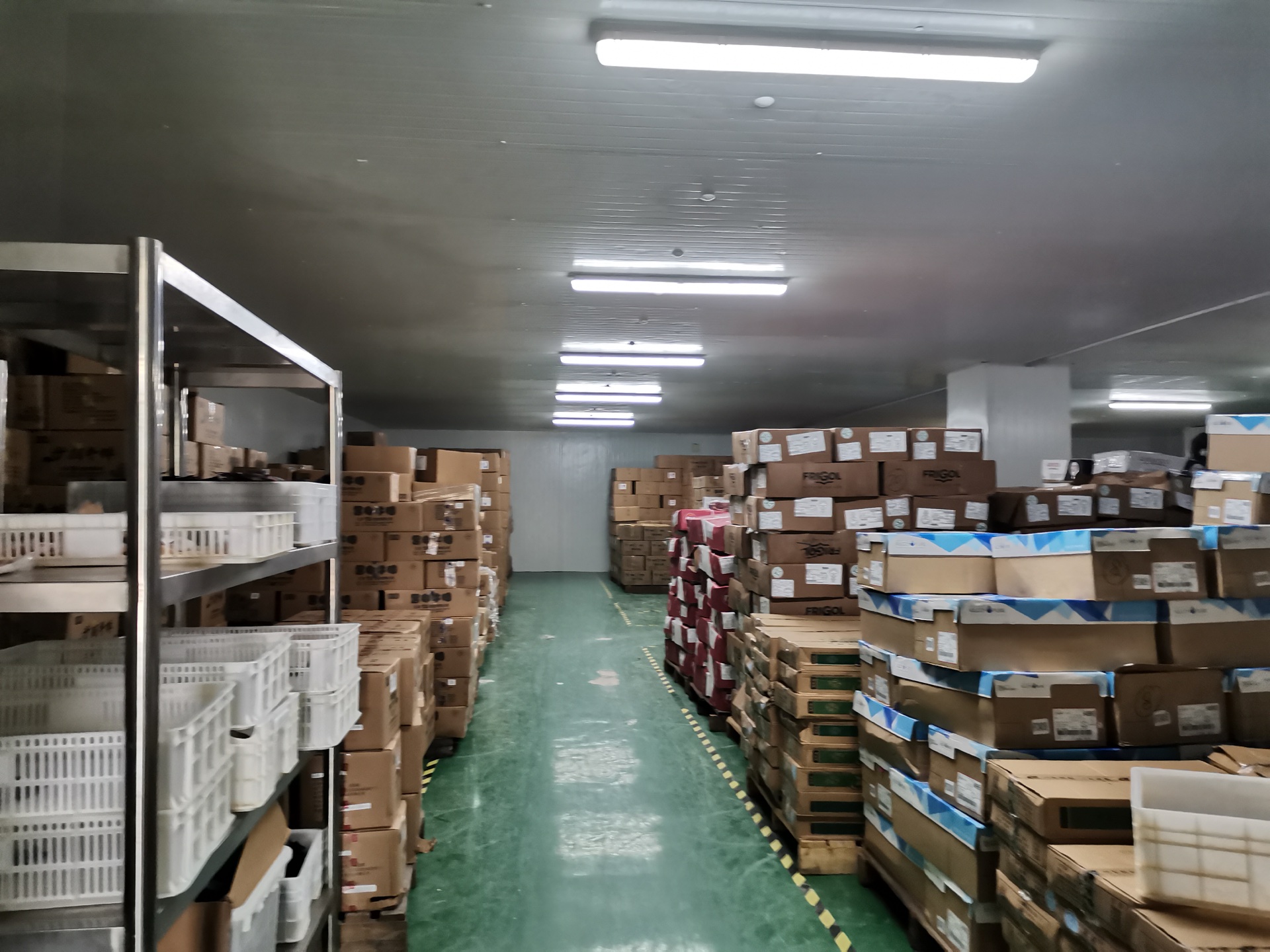
Room dimensions should follow rack movement. The room needs enough aisle width for loading and unloading, door clearance for carts, service space for evaporators, and cleaning access. A compact room can work well when the rack route is planned, but it should not be so tight that operators keep the door open while adjusting racks.
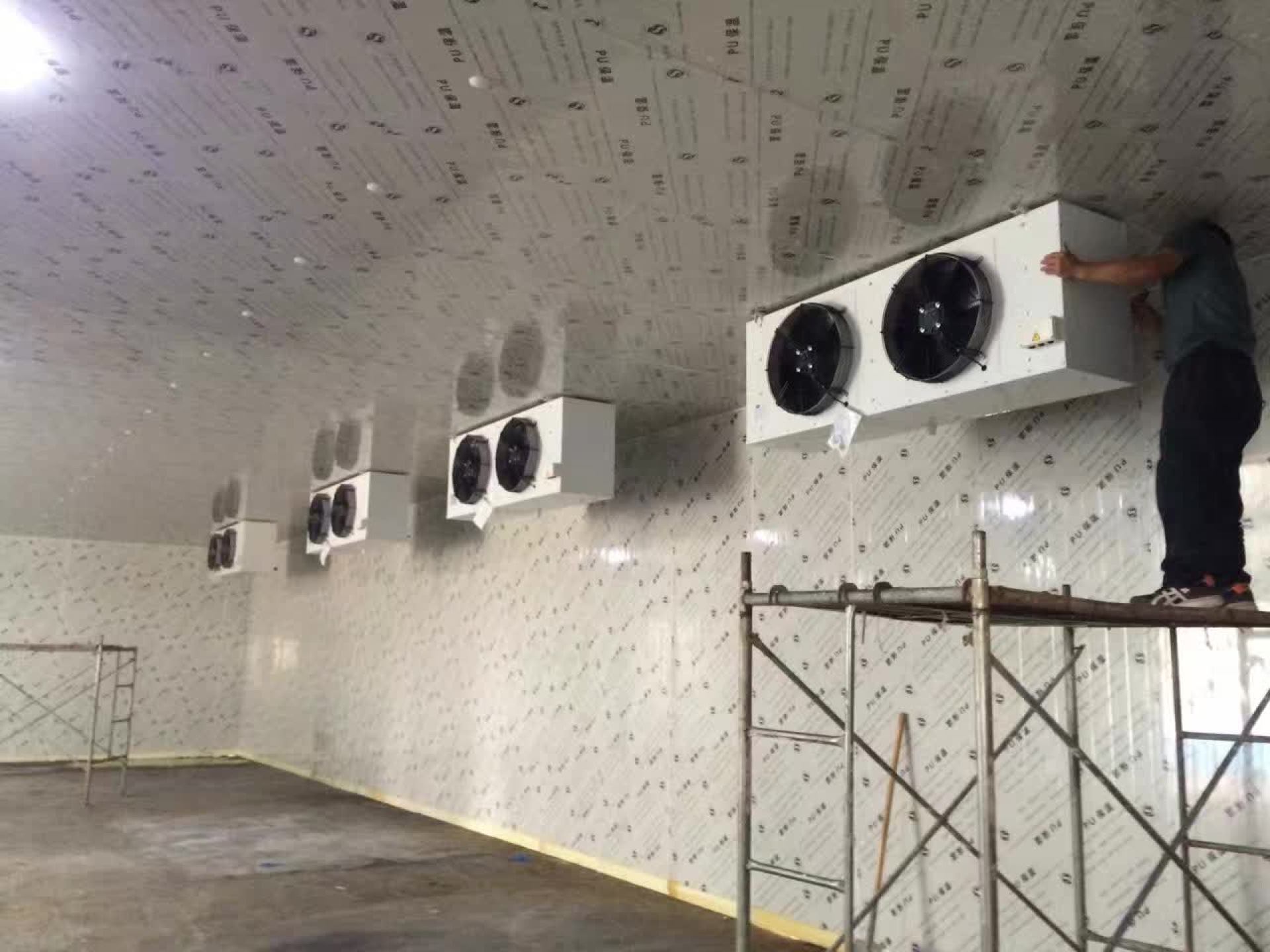
The insulated envelope must be suitable for low temperature operation. Pineapple freezing rooms normally need thick insulated panels, sealed joints, insulated floor construction, vapor barrier, and freezer-grade doors. Pipe penetrations, drain outlets, and cable routes should be sealed to prevent warm moist air from entering the panel system.
Drainage is important because cut fruit processing is wet. Product may bring surface moisture into the freezing room. Defrost water and cleaning water should not remain on the floor. Drain lines in low temperature areas require slope, insulation, and freeze protection where needed. Door thresholds should reduce water migration between wet and freezing zones.
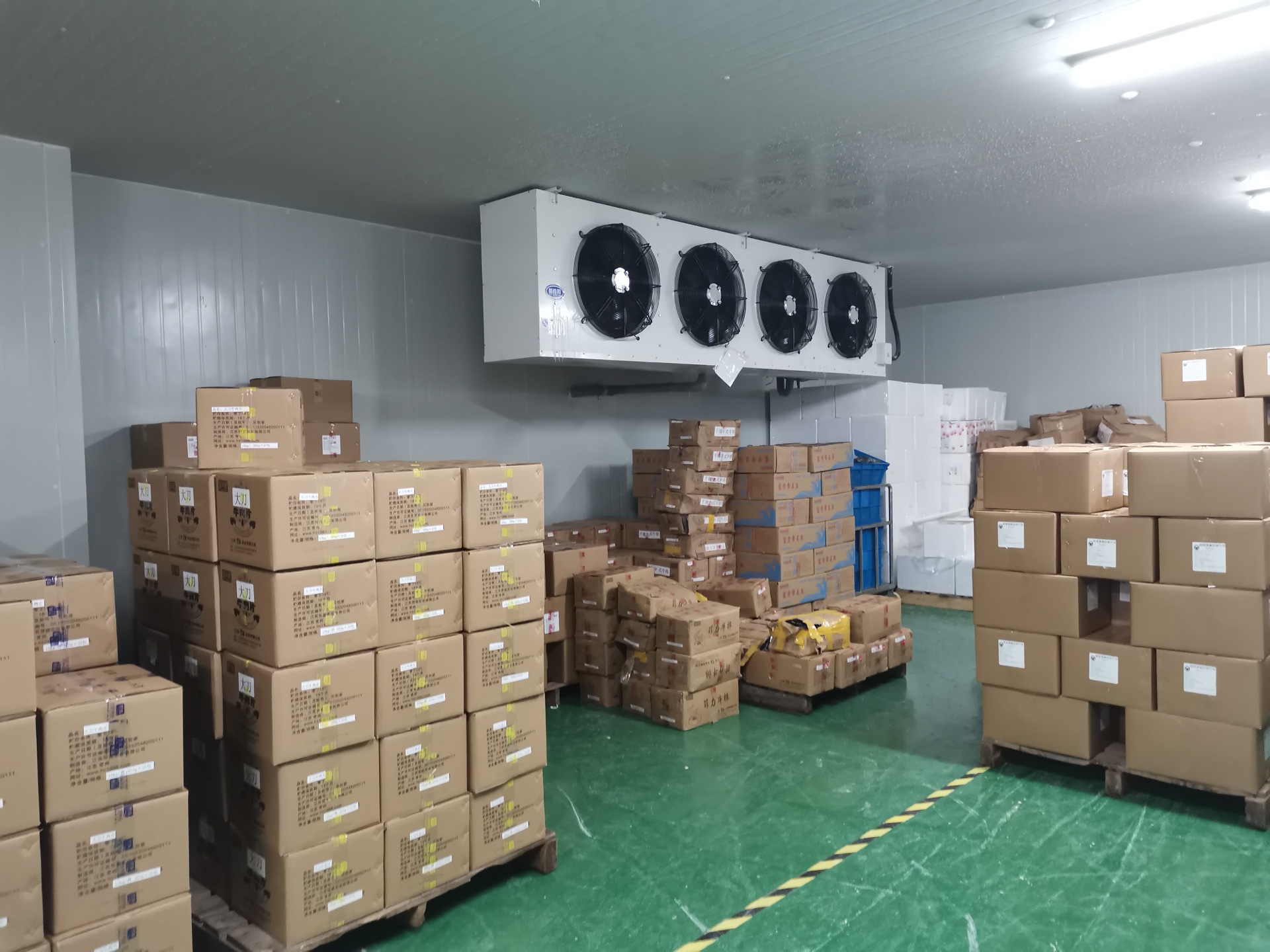
Refrigeration equipment should be selected for batch load, not only holding temperature. The evaporator must provide suitable air volume and temperature difference. Fan heat, defrost heat, and door load should be included. Condenser selection should consider high ambient temperature if the plant operates in a hot region.
Defrost should match the batch schedule. Moist product and humid air create frost on evaporators. If defrost occurs during a freezing batch, product quality and freezing time may be affected. If defrost is too infrequent, airflow drops. JiangNan reviews the daily operation plan when selecting defrost control.
Hygiene and cleaning access should be built into the layout. The room should have smooth internal surfaces, accessible corners, protected panel bases, and equipment that can be inspected. Racks should be easy to clean. Electrical components should be protected from washdown areas.
High ambient conditions add load from product and building environment. Warm fruit, hot processing rooms, and frequent door opening can extend freezing time. A chilled staging area, short transfer route, and disciplined loading practice help the freezing room perform as designed.
Commissioning should include empty pull-down, fan direction, defrost test, door heater test, drain test, and a batch observation when possible. Product temperature should be checked at different rack positions to confirm airflow balance.
The loading team should have a written tray arrangement rule. Tray depth, product layer thickness, rack orientation, and maximum load per rack should stay consistent. If one shift overloads the trays or pushes racks against the evaporator side, the freezing time will change even though the equipment has not changed. JiangNan treats operating discipline as part of the freezing solution.
The area outside the freezing room should be reviewed as well. Cut pineapple waiting in a hot or humid room gains heat quickly and may drip water onto the floor. A short transfer distance, controlled staging, and clean rack route reduce the load entering the freezer. In high ambient projects, this interface can be as important as the evaporator selection.
Packaging timing should also be defined. Some products are frozen before final packing, while others enter the room already packed. Packaging changes air contact, freezing speed, moisture release, and rack handling. JiangNan asks for the real processing sequence so the freezing room is designed for the product condition that will actually enter the room.
Related Resources
- Freezer Room – related JiangNan product and project information.
- Food freezing – external reference for basic technical background.
FAQ
What data is needed for a pineapple freezing room?
Tray size, product layer thickness, batch weight, entering temperature, target temperature, freezing time, and rack layout are needed.
Can a frozen storage room freeze pineapple pieces?
It is not recommended unless designed for that duty. Frozen storage is for holding, while a freezing room removes product heat in a defined time.
Why is tray spacing important?
Air must reach product surfaces. Tight tray spacing causes uneven freezing and longer batch time.
How does high ambient temperature affect the room?
High ambient temperature increases condenser duty and can raise product entry temperature, especially in hot processing areas.
What does JiangNan need?
JiangNan needs product form, tray and rack drawings, daily batch schedule, room size, target temperature, and site ambient condition.
Talk to JiangNan
Send JiangNan your pineapple product data, tray layout, rack route, and freezing time requirement. We will review the freezing room layout, panels, doors, refrigeration equipment, defrost, and drainage.