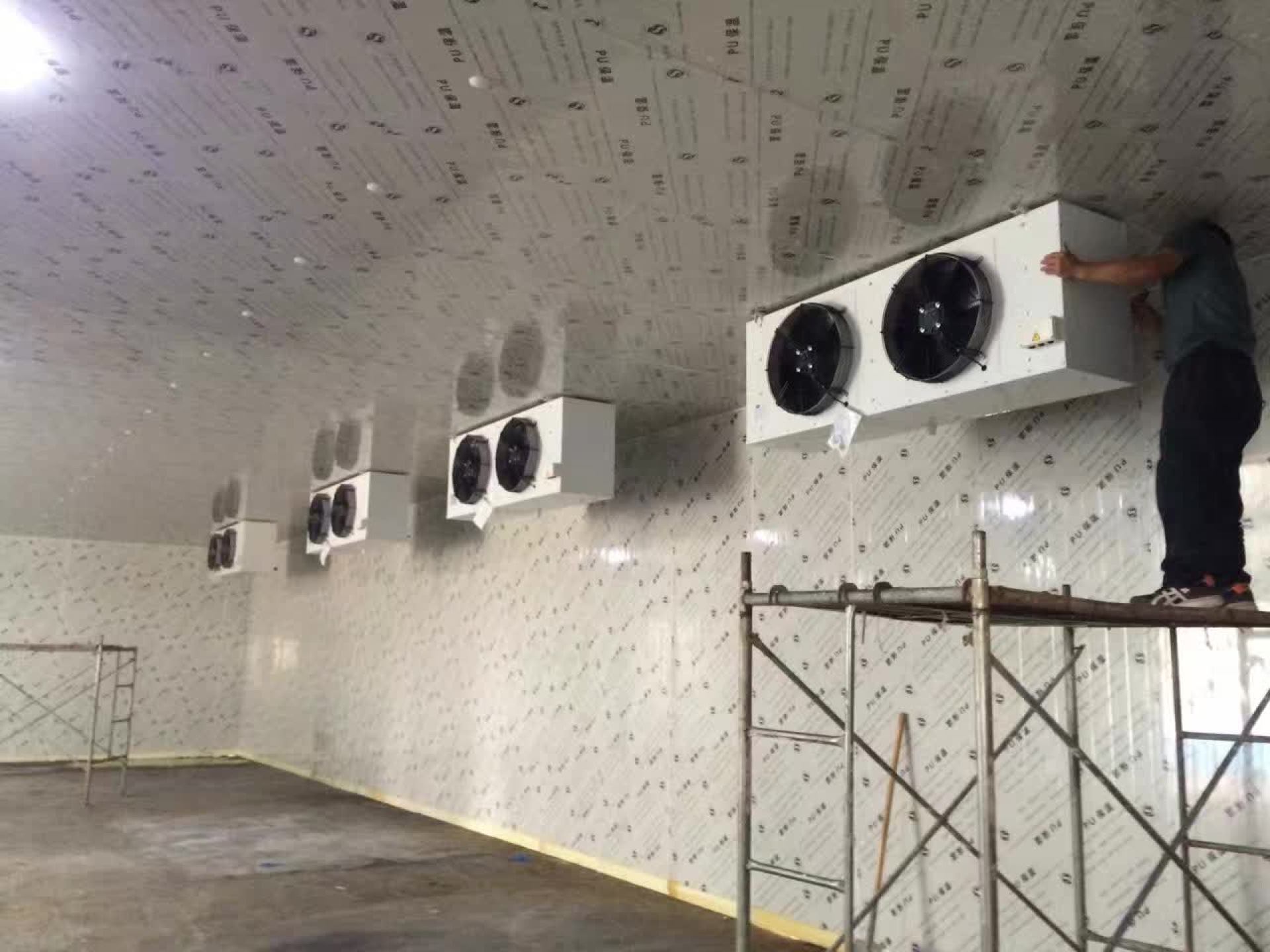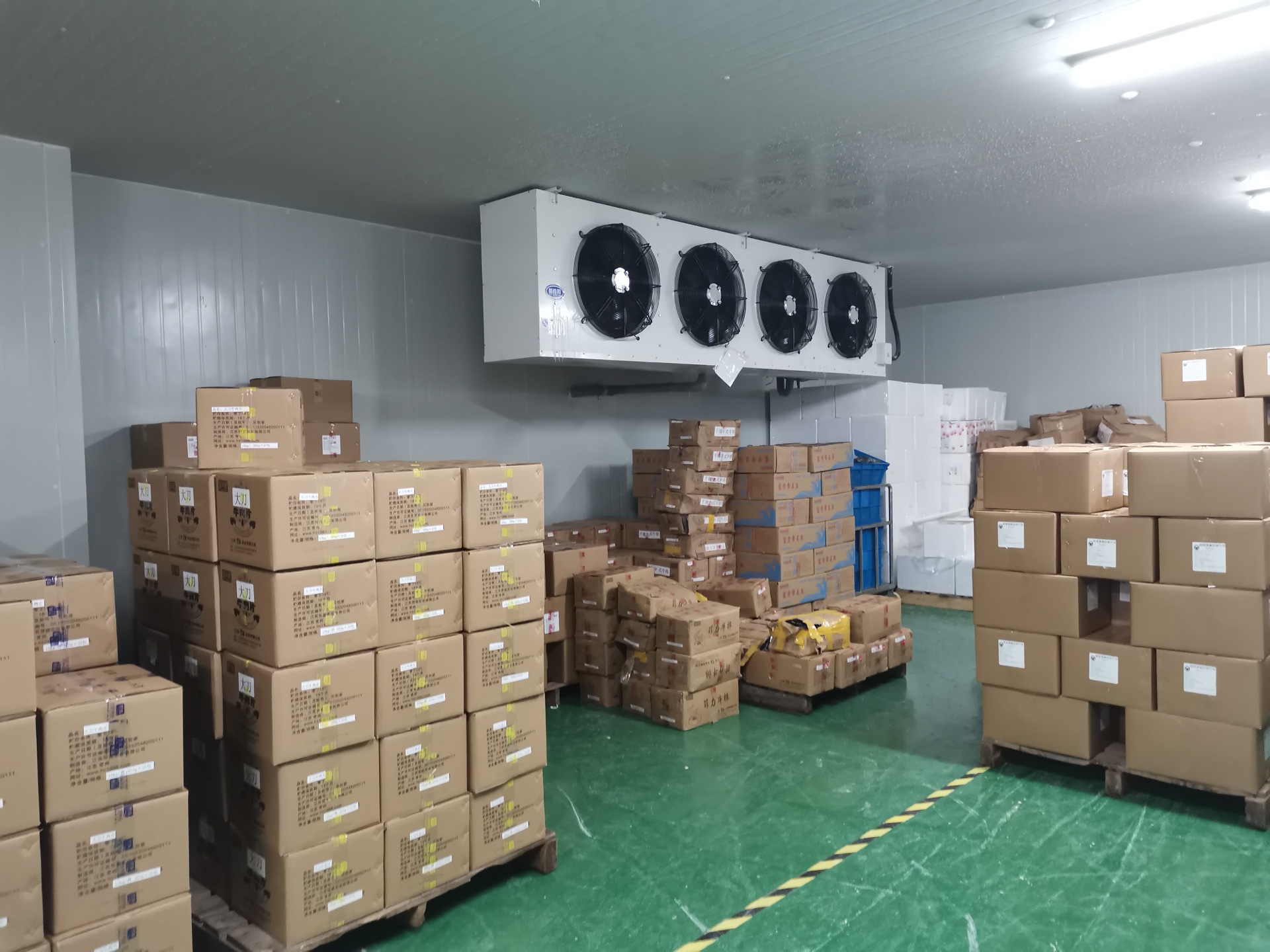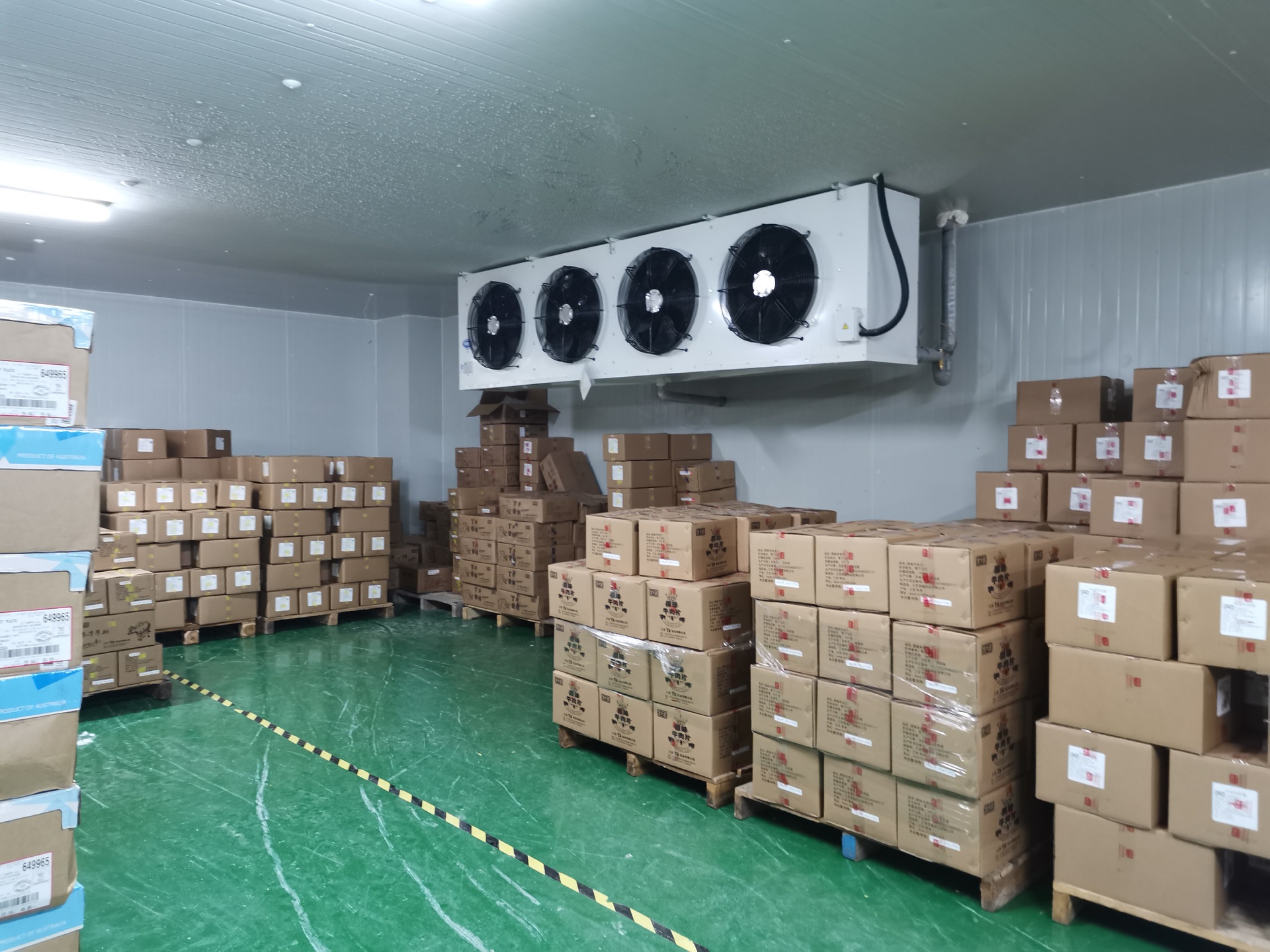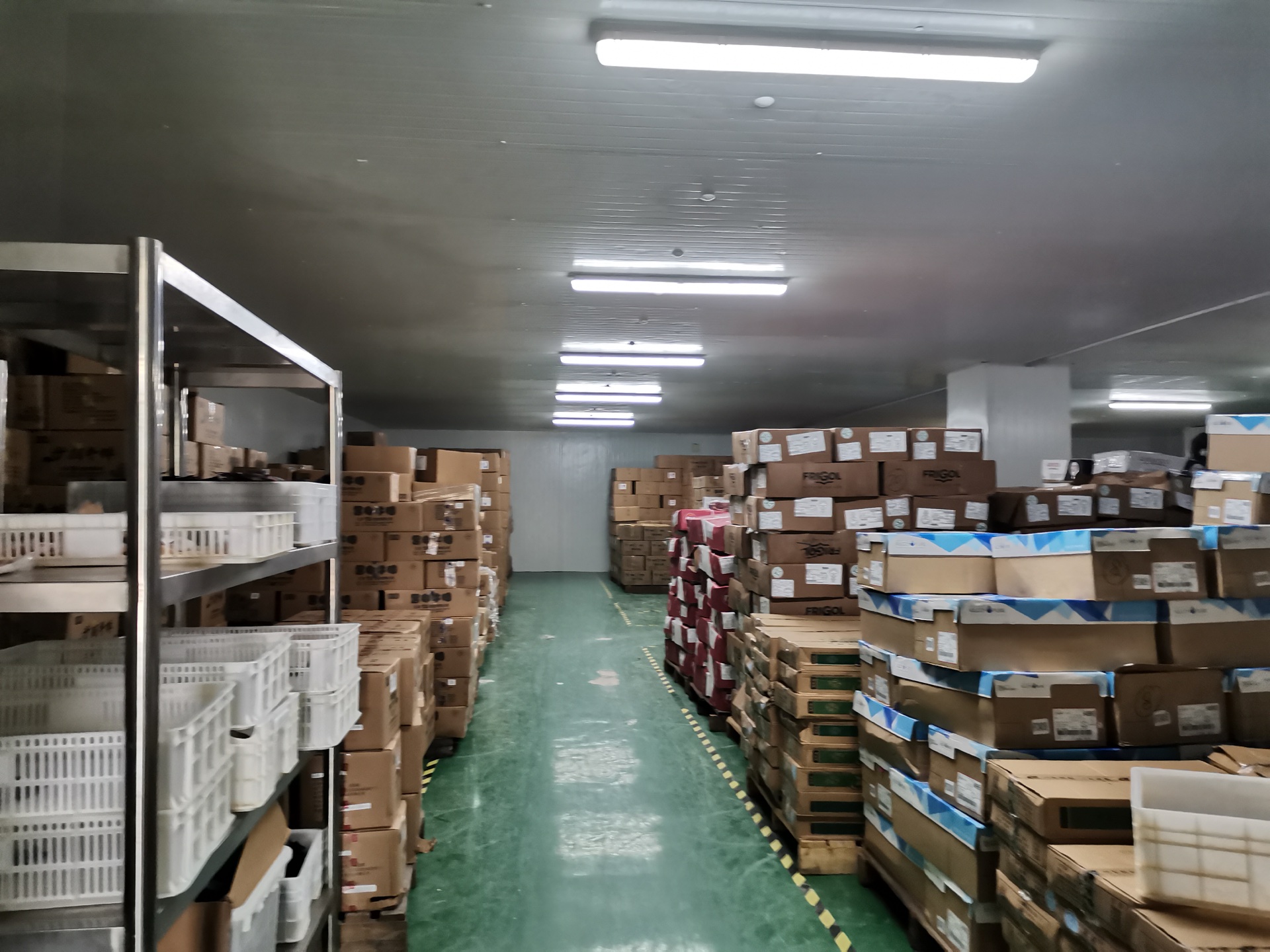
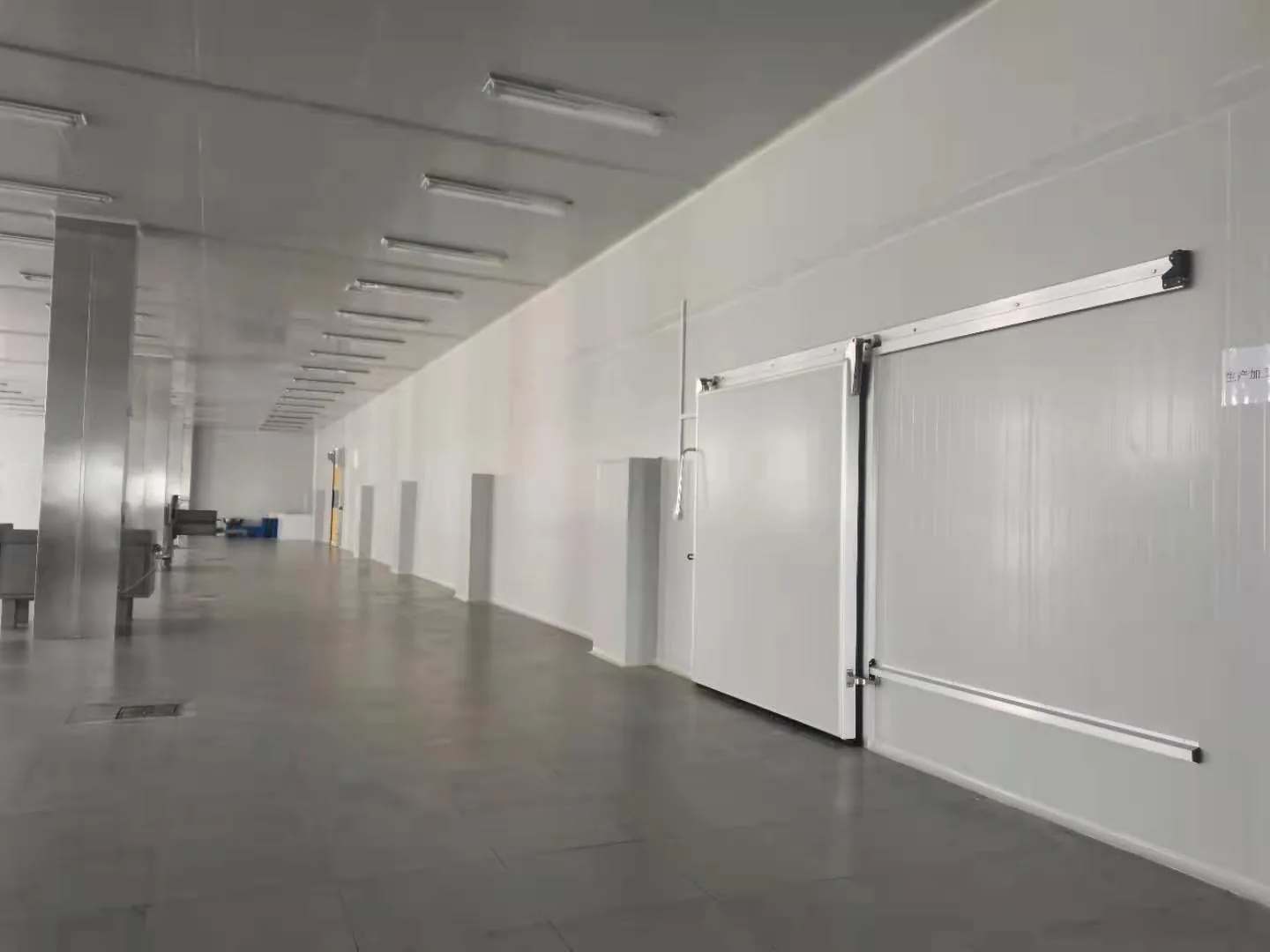
For Frozen Vegetable Cold Room, JiangNan reviews insulation, refrigeration, doors, installation conditions, and project details before recommending a cold room solution. Quick frozen vegetable processing requires a cold room system that supports product flow, freezing speed, hygiene, packaging, and storage. JiangNan reviews these projects from the production process, not only from room size. Vegetables may pass through washing, cutting, blanching, cooling, draining, quick freezing, packaging, and frozen storage. Each step can change the cooling requirement.
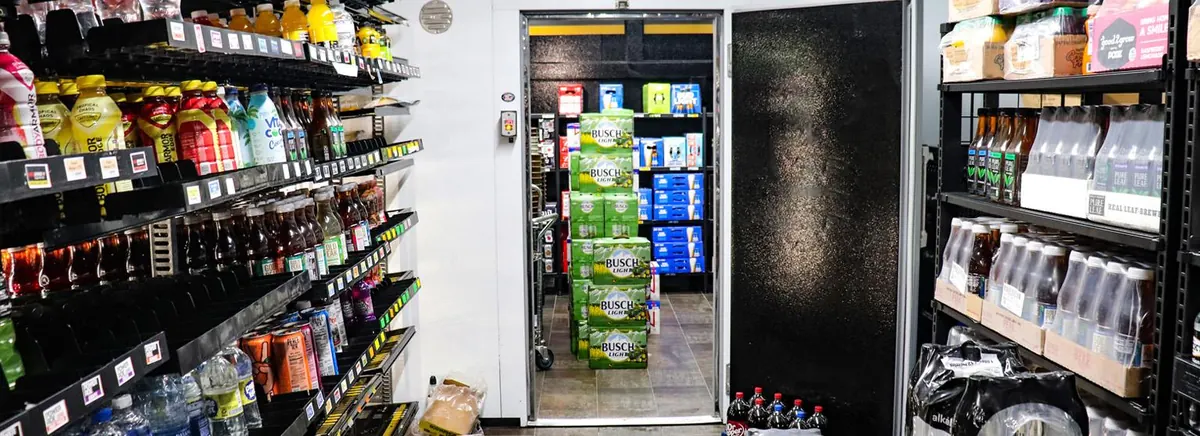
A freezer room for finished cartons is different from a quick freezing room handling wet product. Moisture, product temperature, air velocity, tray or belt arrangement, door traffic, drainage, and defrost all affect the design. JiangNan helps buyers match insulated rooms, doors, air coolers, refrigeration equipment, and installation details to the processing layout.
Frozen Vegetable Cold Room Overview
| Item | Engineering Direction |
|---|---|
| Product | Quick frozen vegetable processing cold room |
| Application | Vegetable processing plants, frozen food workshops, export-oriented food facilities |
| Main rooms | Pre-cooling room, quick freezing room, packing room, frozen storage room |
| Key concern | Product temperature, moisture load, airflow, hygiene, defrost, room separation |
| Project input | Product type, production volume, process flow, target temperature, site ambient |
| Supply support | Room layout review, panel and door selection, refrigeration system matching |
Engineering Scope
- Review process flow from raw vegetables to frozen packed product.
- Separate pre-cooling, freezing, packaging, and storage room requirements.
- Select panel thickness, doors, air coolers, and refrigeration units by room duty.
- Coordinate airflow, drainage, defrost, and hygiene access.
- Consider high ambient temperature and product loading pattern.
- Provide export packing, installation notes, and commissioning support.
Process Flow Review
Vegetable processing creates different cooling loads at different stages. Product may enter the plant at ambient temperature, receive washing water, pass through heat treatment, and then require cooling before freezing. If warm or wet product enters the freezing room directly, the refrigeration load and frost load can increase sharply.
JiangNan asks for the product type, incoming temperature, hourly or daily loading, package style, target freezing time, and storage method. These details decide whether the project needs a blast freezer room, a tunnel freezer interface, a pre-cooling area, or a separate frozen storage room.
Room Zoning
Good room zoning keeps processing, freezing, packing, and storage from interfering with each other. A quick freezing area may need strong airflow and frequent defrost planning. A packing room may need a controlled temperature but not the same low temperature as frozen storage. A finished product freezer focuses on stable holding temperature and pallet movement.
JiangNan reviews room separation, door locations, product traffic, and personnel movement. Poor zoning can bring warm humid air into the freezing room and create unnecessary frost. It can also make hygiene control harder.
Airflow and Freezing Performance
Quick freezing depends on air contact with the product. Airflow should reach the product surface rather than bypassing trays, racks, or pallets. Product spacing, loading depth, fan direction, coil position, and room geometry all influence freezing time. A room with strong nominal refrigeration capacity can still freeze slowly if air distribution is poor.
JiangNan reviews product format before selecting the evaporator. Loose vegetables, bagged products, trays, cartons, and palletized storage require different airflow thinking. Storage freezer air coolers should not be assumed suitable for quick freezing duty.
Moisture, Frost, and Drainage
Vegetable processing often carries moisture from washing and cooling steps. Moisture becomes frost on evaporator coils and ice around drain areas if the system is not designed carefully. Coil fin spacing, defrost method, drain pan heating, drain pipe slope, and floor drainage should be reviewed.
JiangNan coordinates defrost and drainage with the processing schedule. The room should recover temperature after defrost without interrupting production more than necessary. Drain water should not create hygiene or safety problems in traffic areas.
Panels, Doors, and Hygiene Details
Panel thickness should match room temperature, ambient condition, and operating pattern. Freezer rooms require stronger insulation than chilled processing rooms. Door selection should match traffic: sliding doors for pallet movement, hinged doors for smaller access points, and protective measures where forklifts operate.
For food processing, cleanable surfaces, sealed penetrations, and organized drainage matter. Pipe holes, cable entries, door frames, and floor-wall junctions should be sealed to reduce air leakage and moisture migration. JiangNan reviews these details before panel production and packing.
Refrigeration System Selection
The refrigeration system should match each room’s duty. Quick freezing needs strong pull-down and airflow. Frozen storage needs stable holding temperature. Packing rooms may need comfort and product protection rather than deep freezing. The compressor, condenser, unit coolers, defrost controls, and piping should be selected according to these different needs.
JiangNan does not recommend capacity from a single production label. Final selection depends on product type, loading rate, incoming temperature, target product temperature, freezing time, room size, door traffic, and ambient temperature.
High Ambient Project Notes
High ambient temperature affects both building heat gain and refrigeration heat rejection. In hot markets, condenser placement, outdoor airflow, panel thickness, door management, and loading dock design become more important. Warm humid air entering the freezer can create heavy frost and slow production recovery.
For Saudi Arabia and similar regions, JiangNan reviews ambient temperature, door traffic, product staging, refrigeration unit location, and defrost recovery before confirming the design direction.
Commissioning and Production Start-Up
Before normal production, the rooms should be tested step by step. The empty room pull-down test checks the insulated envelope and refrigeration operation. A trial run with limited product checks airflow, freezing time, drainage, defrost recovery, and packaging room temperature. Full production should only begin after the site team confirms that product movement and door operation match the design assumption.
JiangNan also reviews practical start-up details such as room sensor position, evaporator fan direction, drain heater operation, door sealing, and product loading height. These details are not glamorous, but they often decide whether a frozen vegetable line runs smoothly during daily operation.
Related Resources
- Freezer Room – related JiangNan product and project information.
- Food freezing – external reference for basic technical background.
FAQ
Is a frozen storage room enough for quick freezing vegetables?
Usually no. Quick freezing needs stronger airflow and different load review than finished product storage.
What information does JiangNan need?
Product type, processing flow, incoming temperature, hourly loading, target product temperature, freezing time, packaging, room layout, and ambient condition are needed.
How does moisture affect the design?
Moisture increases frost on coils and ice risk around drains. Defrost, drainage, door control, and airflow should be reviewed carefully.
Which doors are suitable?
Sliding freezer doors are practical for pallet traffic, while hinged doors can be used for smaller access points. Final selection depends on room temperature and traffic method.
Request a Project Review
Send JiangNan your vegetable processing flow, production loading, target freezing time, room layout, and site ambient condition. We will review a practical quick frozen vegetable cold room design.