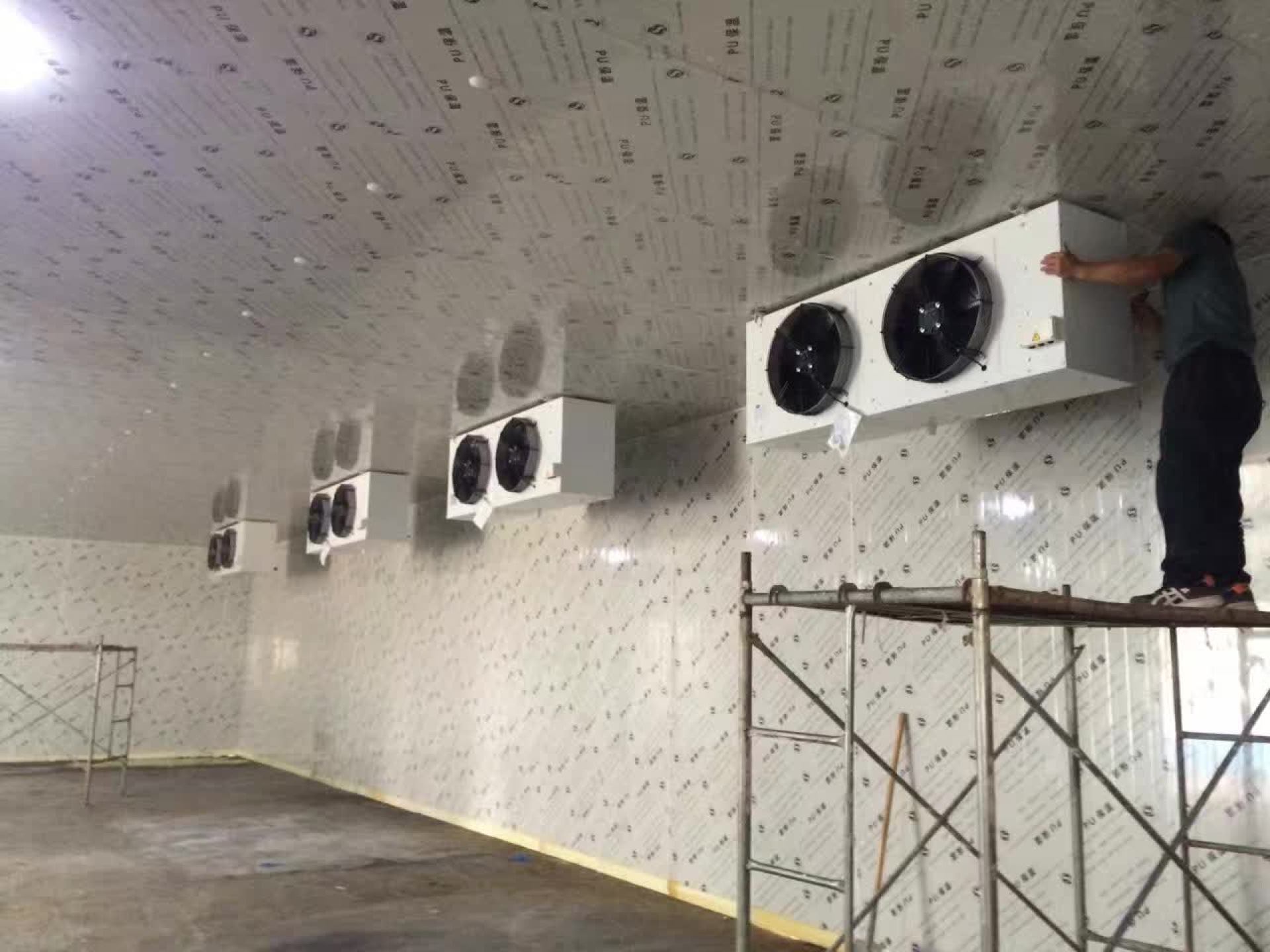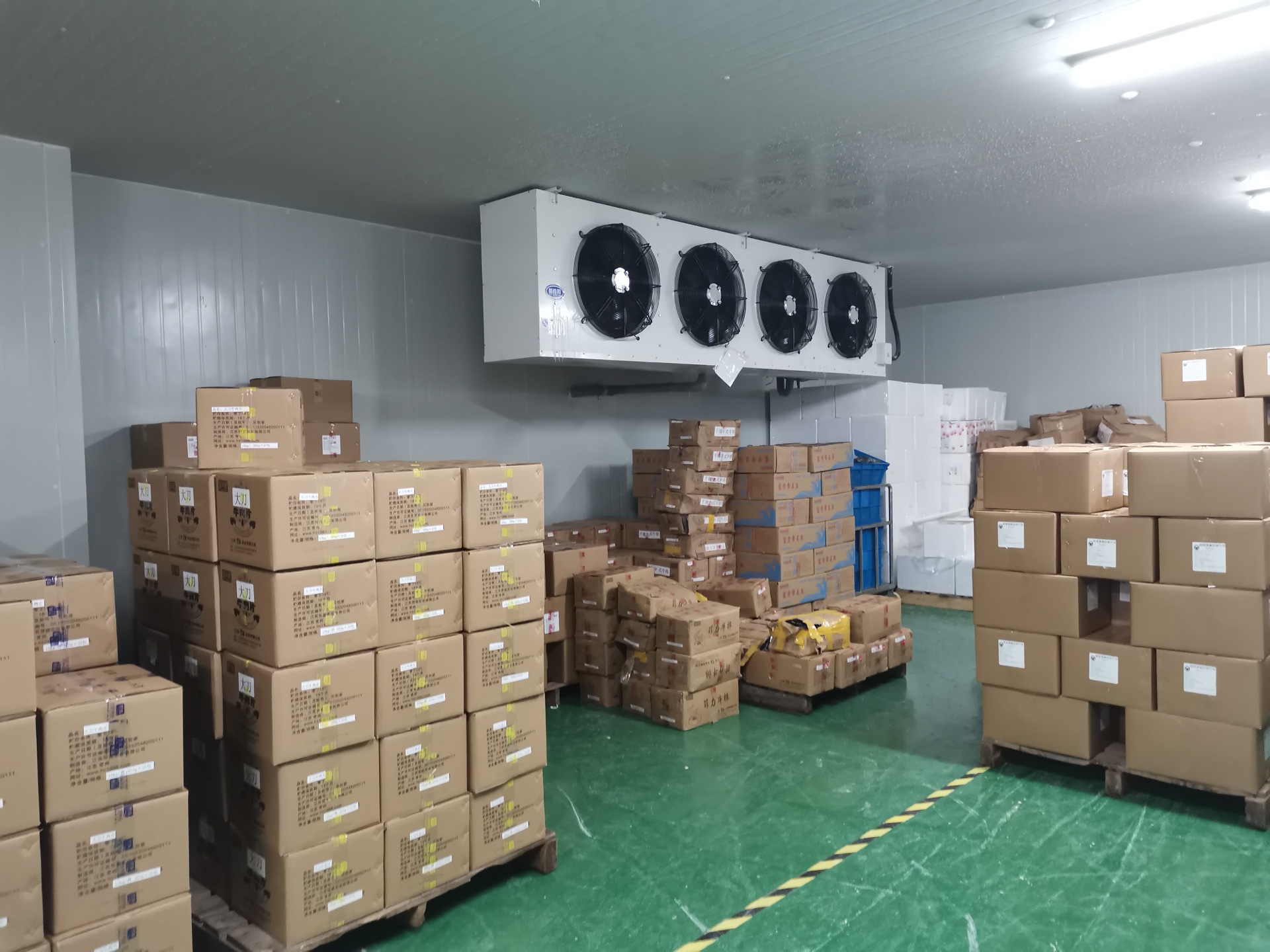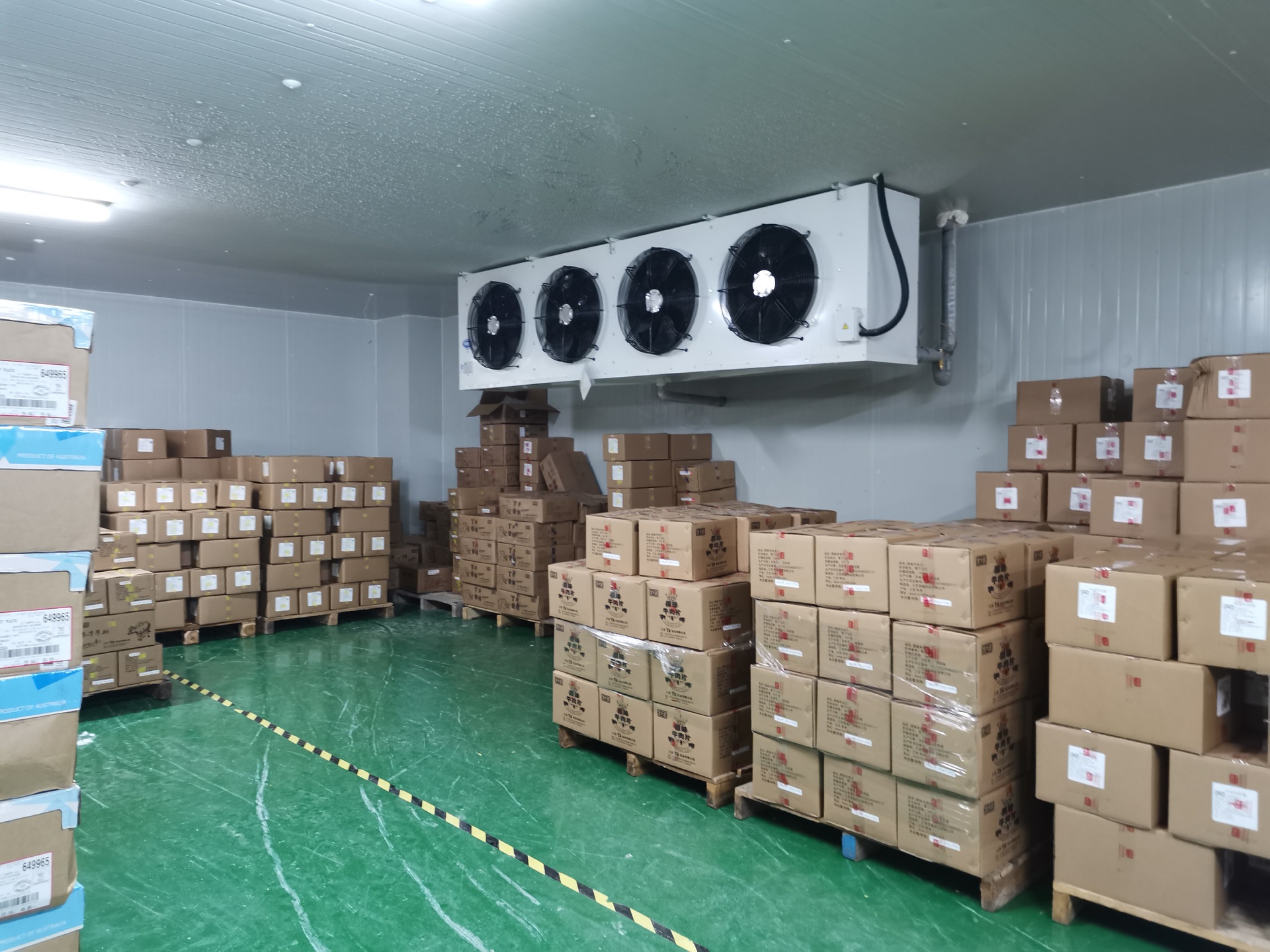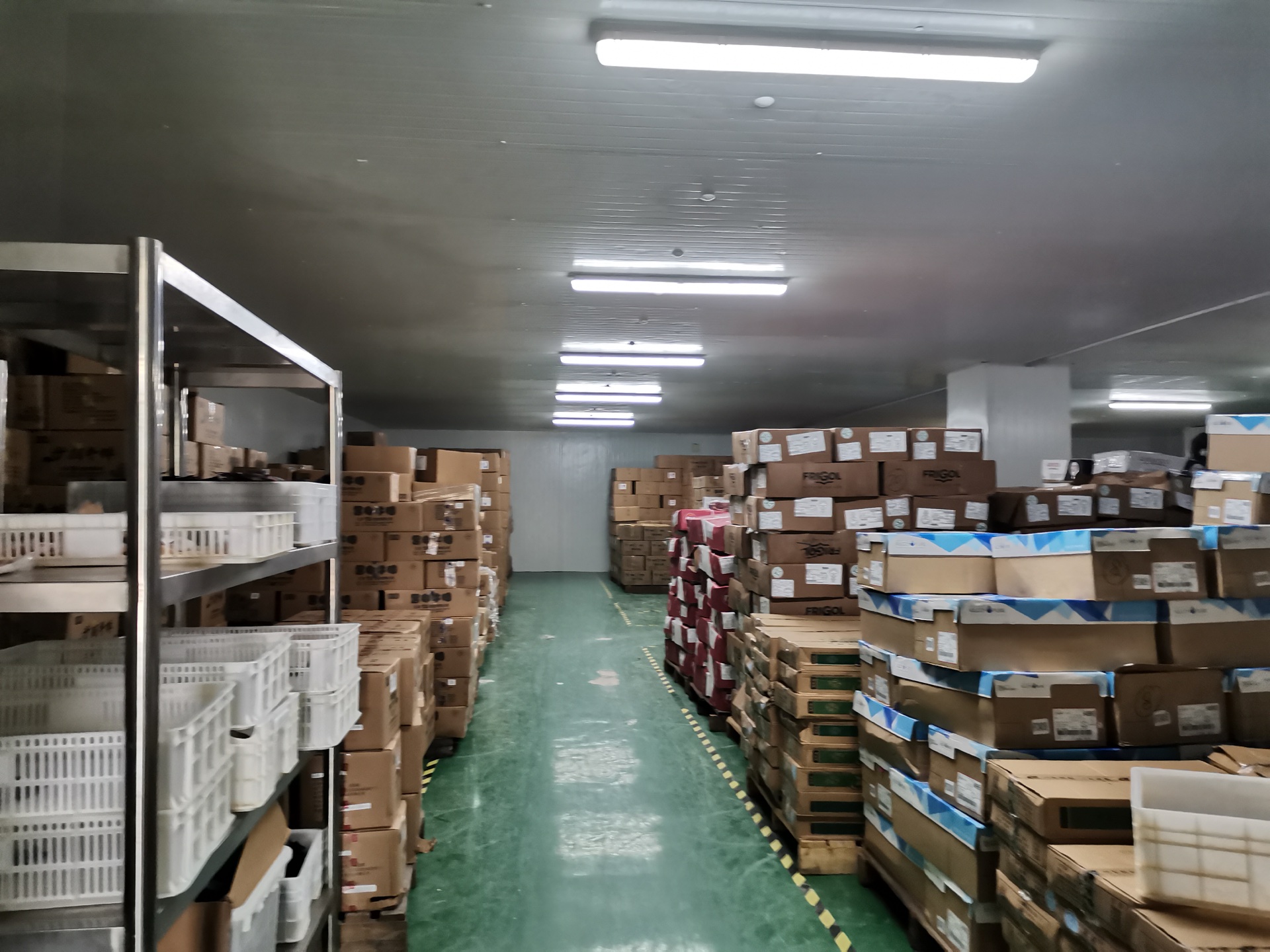
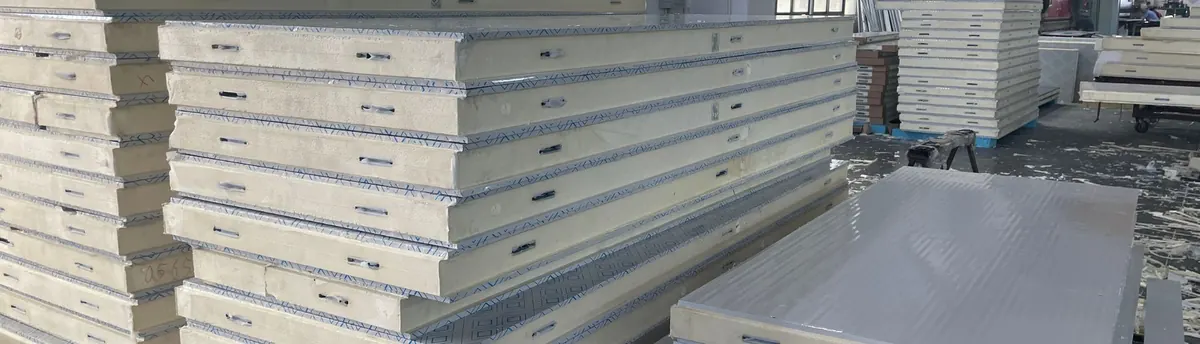
JiangNan supplies PIR cold room panels for industrial cold rooms, freezer rooms, food processing plants, logistics storage, and pharmaceutical cold storage projects in Saudi Arabia. In a high ambient market, the panel system must reduce heat gain, maintain stable room temperature, and support long-term operation with reliable joint sealing.
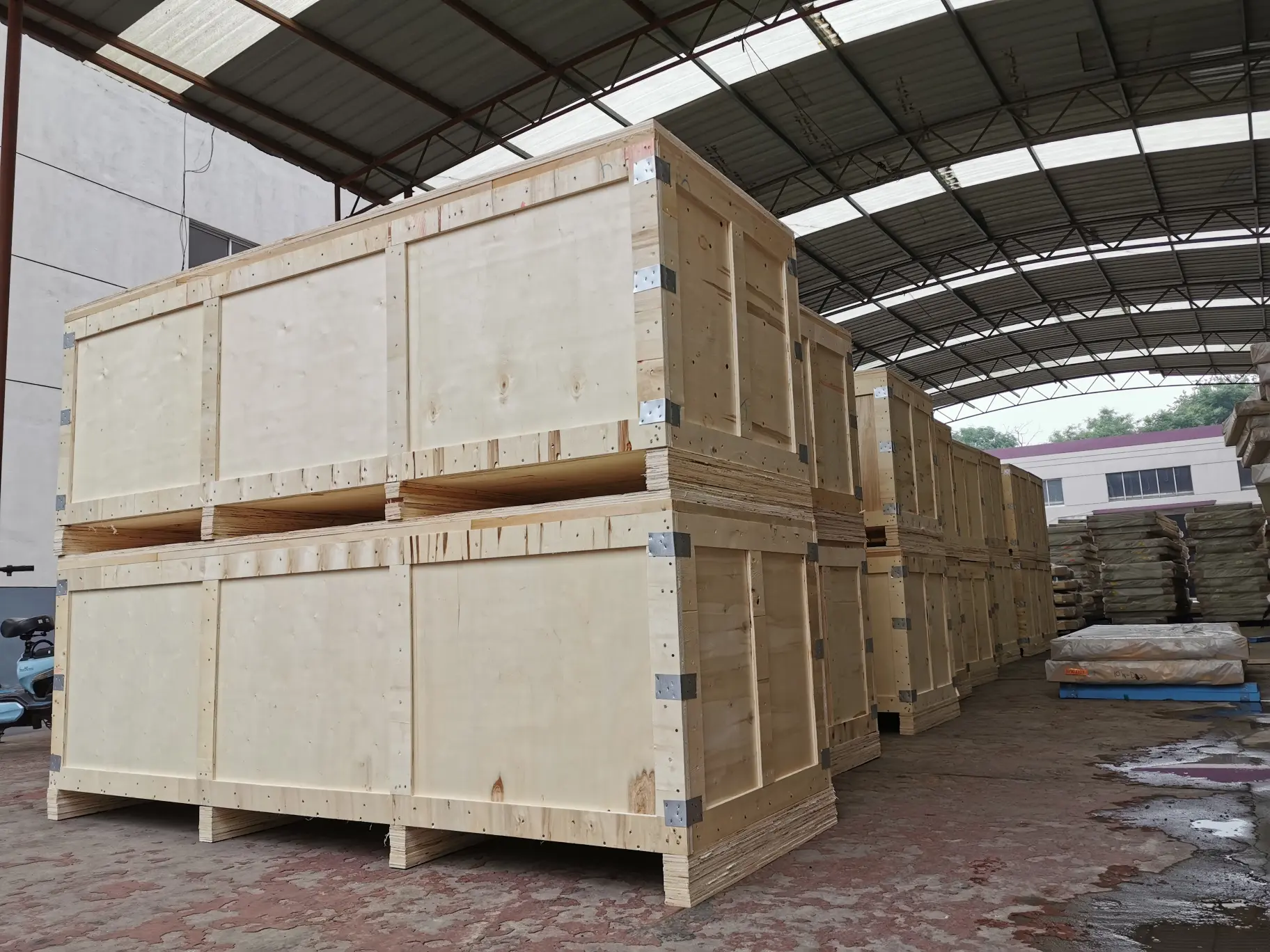
As an export-oriented industrial cold room manufacturer, JiangNan provides panel production, matching doors, refrigeration coordination, accessories, packing labels, and installation guidance for overseas projects.
PIR Cold Room Panels Overview
| Item | Engineering Direction |
|---|---|
| Product | PIR cold room panel |
| Application | Chiller rooms, freezer rooms, processing rooms, storage rooms |
| Target market | Saudi Arabia |
| Core concern | High ambient temperature and insulation performance |
| Panel selection | Thickness and surface material by temperature and site use |
| Supply support | Factory production, export packing, installation drawings |
Engineering Scope
- PIR insulated wall, ceiling, and partition panels.
- Panel thickness selection by room temperature and heat load.
- Cam-lock or project-specific joint system depending on panel design.
- Surface material options based on hygiene, corrosion, and project requirement.
- Door, corner, ceiling suspension, and accessory coordination.
- Container packing, panel marking, and installation support.
Why PIR Panels Matter in Saudi Arabia
Saudi Arabia’s high ambient temperature increases heat gain through the cold room envelope. Poor insulation or weak panel joints can make the refrigeration system work harder, increase temperature fluctuation, and create condensation risk around door and joint areas.
PIR panels are often selected for industrial cold rooms where insulation performance and panel behavior under project requirements are important. Panel type should still be confirmed according to local requirements, project specification, and buyer preference. JiangNan does not claim project compliance unless the required standard is confirmed.
Ambient Temperature Consideration
Panel thickness should not be selected only by room size. For Saudi Arabia projects, the surrounding air temperature, sun exposure, building ventilation, room temperature, door traffic, and refrigeration equipment location all affect the final design.
For cold rooms installed inside warehouses, it is important to check whether the building has strong ventilation. A warehouse that reaches very high internal temperature can increase panel heat load and affect compressor operation.
Engineering Review Method
JiangNan reviews PIR panel selection as part of the complete cold room envelope. The review starts with room temperature, room size, installation location, building condition, door traffic, product loading, floor insulation, ceiling suspension, and refrigeration equipment position. For Saudi Arabia projects, surrounding temperature and site ventilation are especially important because the cold room may be installed inside a warehouse that becomes hotter than normal outdoor assumptions.
Panel thickness is only one part of the decision. Joint sealing, corner details, door frame connection, floor connection, ceiling support, and panel penetration sealing all affect real performance. A thick panel with poor joints can still create heat gain, condensation, or ice around the room envelope. JiangNan therefore reviews the panel system as an installed structure, not only as insulated boards.
Panel Joint and Air Leakage Control
Air leakage is a major concern in hot climates. Warm air entering through weak joints can bring both heat and moisture into the cold room. In chiller rooms, this can create condensation around corners or door frames. In freezer rooms, moisture can freeze and cause ice build-up, door sealing problems, or panel joint deterioration over time.
JiangNan pays attention to cam-lock alignment, panel edge condition, sealant location, corner profiles, ceiling-to-wall connection, and floor transition. The goal is to create a continuous insulated envelope. For export projects, panel marking and layout drawings help the local installation team assemble the room in the correct sequence and reduce joint mistakes.
Surface Material and Hygiene Environment
Surface material should be selected according to the working environment. Food processing rooms, seafood rooms, meat rooms, and pharmaceutical storage may all require different surface behavior. Cleaning method, humidity, corrosion exposure, impact risk, and hygiene expectations should be reviewed before confirming the panel facing.
Seafood processing areas can be wet and may expose panels to salt, cleaning water, and frequent washing. Logistics cold rooms may need stronger surface resistance near traffic zones. Pharmaceutical storage may focus more on clean appearance, temperature stability, and controlled operation. JiangNan does not use one generic surface recommendation for every project because site conditions are not the same.
Panel Thickness Recommendation
For chiller rooms, 100 mm panels are often considered depending on operating temperature and room size. For freezer rooms, 150 mm panels are commonly used as a starting point. For low-temperature freezer rooms, larger rooms, or high ambient sites, 200 mm panels may be reviewed.
Final thickness depends on:
- Target room temperature.
- Saudi Arabia ambient condition.
- Room dimensions.
- Door opening frequency.
- Product loading and operation hours.
- Floor insulation and building condition.
Door Recommendation
Panels should be coordinated with the selected cold room door. A good panel system can still lose performance if the door frame, gasket, heater, and threshold are not matched to the operating temperature. For freezer rooms, frame heating and proper sealing are important.
For pallet traffic or forklift loading, sliding freezer doors are usually preferred. For smaller chiller rooms, hinged cold room doors can be practical.
Ceiling and Floor Connection
Ceiling panels should be reviewed with span, suspension method, lighting, evaporator position, and maintenance access. A ceiling panel layout that ignores equipment loads or suspension points can create installation difficulty. JiangNan coordinates ceiling panel direction and support details according to the room layout and project scope.
Floor details are equally important for freezer rooms. Low-temperature rooms need floor insulation and a proper transition between wall panels and floor structure. If the floor connection is weak, heat gain and moisture movement can appear at the base of the room. For heavy traffic, floor finish and door threshold details should match forklift or pallet movement.
Refrigeration System Notes
PIR panels reduce heat transfer, but they do not replace refrigeration calculation. Compressor, condenser, evaporator, and defrost selection still depend on room size, ambient temperature, product loading, door opening frequency, and target temperature.
When JiangNan prepares a cold room package proposal, panel selection and refrigeration selection are reviewed together so the room envelope and cooling system match the duty.
Coordination With Refrigeration Equipment
PIR panels reduce the heat load through the cold room envelope, but refrigeration equipment must still be selected for the real operating duty. In Saudi Arabia, condenser ventilation and panel performance should be reviewed together. If the cold room is well insulated but the condenser is installed in a hot and poorly ventilated area, the system can still operate under pressure.
JiangNan coordinates panel thickness, door opening size, unit cooler location, condensing unit position, and control strategy. This coordination is useful for freezer rooms, seafood storage, pharmaceutical storage, and large logistics rooms where the cold room envelope and refrigeration system must work continuously.
Installation Considerations
Correct installation is critical. Panel joints, corner details, ceiling suspension, floor connection, door frame opening, and sealant work should be handled carefully. In hot and humid conditions, poor sealing can lead to condensation and ice around joints.
For export projects, JiangNan provides panel layout drawings, packing marks, and installation guidance for the local team.
Factory Review Checklist
Before production, JiangNan reviews panel dimensions, thickness, surface facing, joint type, door openings, corner details, ceiling plan, accessory list, packing sequence, and installation drawings. For Saudi Arabia projects, the review also includes high ambient condition, door traffic, freezer or chiller duty, and whether the room is inside a ventilated building.
Panel openings should be confirmed before cutting. Door openings, refrigeration pipe penetrations, cable entries, drain routes, and lighting positions should be coordinated with the panel layout. Unplanned cutting on site can weaken appearance, reduce sealing quality, and create unnecessary installation risk.
Export Packing and Site Identification
For overseas shipments, panel packing must protect surfaces and edges during container loading, sea transport, unloading, and site movement. Long panels, ceiling panels, trims, fasteners, sealant, and door accessories should be organized so the site team can identify materials without confusion.
JiangNan uses packing marks and component lists to support local installation. When a project includes several rooms, clear identification helps separate wall panels, ceiling panels, door frames, profiles, and accessories by room. This is a practical quality detail, not just a logistics detail.
Common Mistakes to Avoid
Common mistakes include choosing panel thickness without checking ambient temperature, ignoring door traffic, leaving floor insulation unclear, and cutting penetrations at site without sealing plan. Another mistake is treating the panel package separately from refrigeration equipment. In a hot market, insulation, door sealing, and condenser performance must be reviewed together.
JiangNan avoids these problems by reviewing the cold room as a complete industrial system. The panel package should support stable temperature, clean installation, serviceable refrigeration equipment, and realistic site assembly.
Saudi Arabia Project Data Needed
For Saudi Arabia projects, JiangNan needs more than room length, width, and height. Useful information includes installation city, indoor or outdoor building condition, expected ambient temperature around the cold room, target room temperature, product type, door size, traffic frequency, floor structure, power supply, and whether the buyer needs panels only or a complete cold room package.
If the cold room is installed inside an existing warehouse, the building condition should be described clearly. Warehouse roof insulation, ventilation, sun exposure, and nearby heat sources can influence the real heat load. If the room is part of a food processing plant, cleaning method, drainage, and hygiene flow should also be reviewed.
Panel Layout and Opening Coordination
Panel layout should be coordinated before production. Door openings, evaporator drain routes, refrigeration pipe penetrations, cable entry points, lighting positions, and ceiling suspension points should not be left for random site cutting. Planned openings help protect the panel surface, maintain insulation continuity, and make the final cold room look more professional.
JiangNan reviews panel drawings with the buyer when project information is available. This is especially useful for multi-room projects, freezer rooms, and rooms with forklift traffic. A clear layout reduces installation questions and helps the local team assemble panels in the intended order.
Long-Term Operation in Hot Climate
In a high ambient market, small envelope defects can become long-term operating problems. Weak door sealing, open panel joints, unsealed pipe penetrations, or poor floor transitions allow warm air and moisture to enter the room. The refrigeration system may still cool the room, but it must work harder and may show more frost, condensation, or unstable recovery after door opening.
JiangNan treats the panel system as a long-term operating component. The objective is not only to deliver insulated panels, but to support a cold room envelope that can work with the door and refrigeration system under Saudi Arabia site conditions.
Export Packing Support
Panels are packed to reduce handling damage during container loading and overseas transport. Accessories, fasteners, sealant, door parts, and trim pieces are organized according to the project packing list.
Related Resources
- PIR Cold Room Panels – product specifications, thickness guidance, joints, surfaces, and quotation inputs.
- Polyurethane – external reference for basic technical background.
FAQ
What PIR panel thickness is suitable for Saudi Arabia?
It depends on room temperature and operating conditions. Chiller rooms may use 100 mm panels, freezer rooms often start from 150 mm, and larger or lower-temperature rooms may require 200 mm panels. Final selection should be calculated by project conditions.
Are PIR panels suitable for freezer rooms?
Yes, PIR panels can be used for freezer rooms when thickness, joint sealing, floor insulation, and door details are properly selected. Refrigeration load calculation is still required.
Can you supply panels only?
Yes. JiangNan can supply panels only, or provide a full cold room package with doors, refrigeration equipment, controls, and accessories.
What surface material should be selected?
Surface material depends on hygiene requirements, corrosion exposure, cleaning method, and project requirement. Food processing rooms may require surfaces that are easier to clean and maintain.
Do high ambient temperatures affect panel selection?
Yes. High ambient temperature increases heat gain, so panel thickness, joint sealing, door sealing, and refrigeration equipment selection should be reviewed together.
Do you provide installation support in Saudi Arabia?
JiangNan can provide layout drawings, panel marking, packing lists, and remote technical support for the local installation team. On-site guidance can be discussed for larger projects.
Request a Project Review
Send JiangNan your room dimensions, target temperature, panel surface requirement, Saudi Arabia project location, and whether you need panels only or a complete cold room package. We will prepare a factory-direct panel proposal with export packing details.