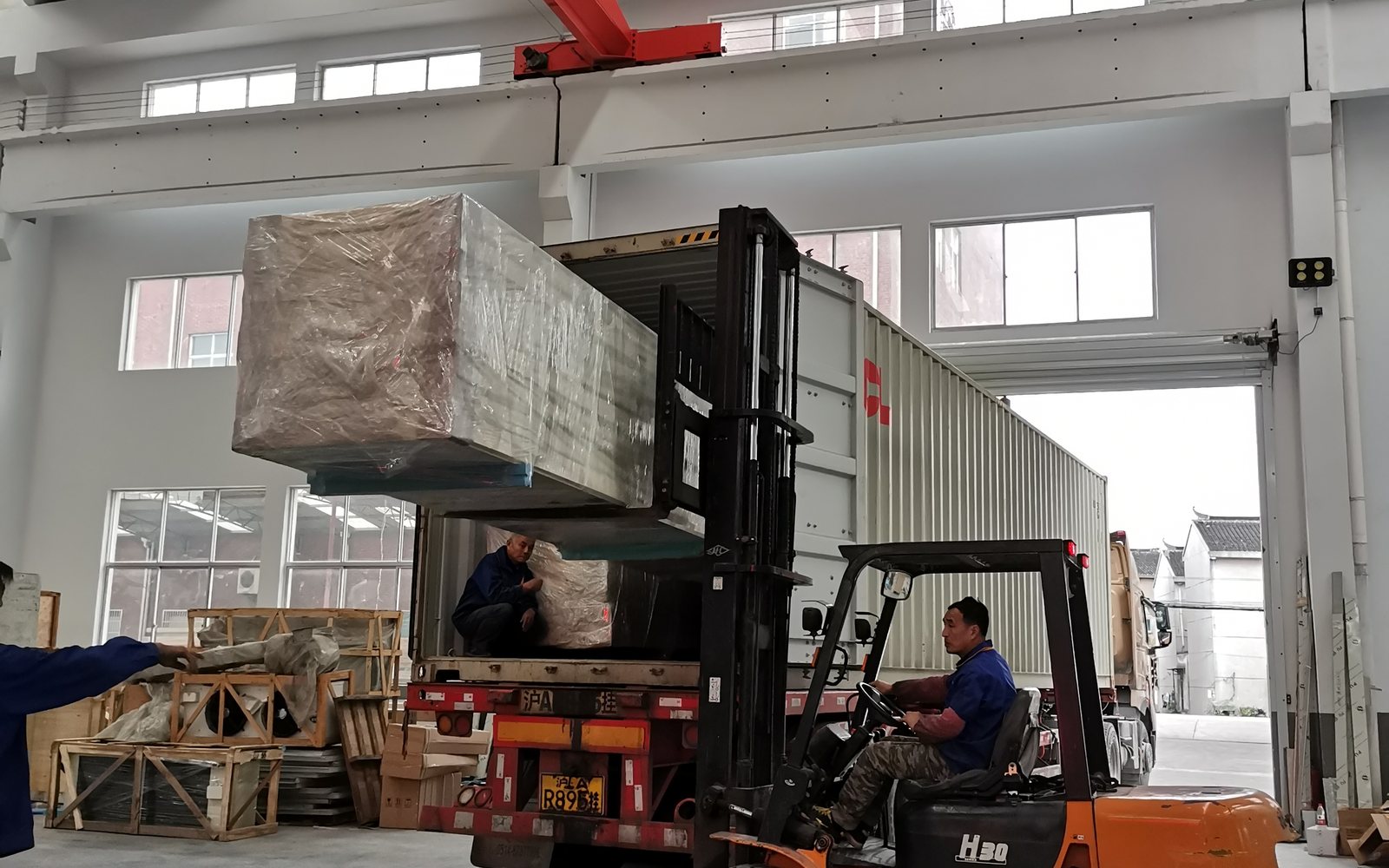
Apple Cold Storage Room Design
Product Overview
An apple cold storage room is designed to slow fruit respiration, remove field heat, maintain stable storage temperature, and protect product quality during holding. It is different from a frozen storage room and also different from a short-term vegetable room. Apples are living products after harvest. They continue to breathe, release heat, and respond to temperature, humidity, airflow, gas environment, and handling practice.
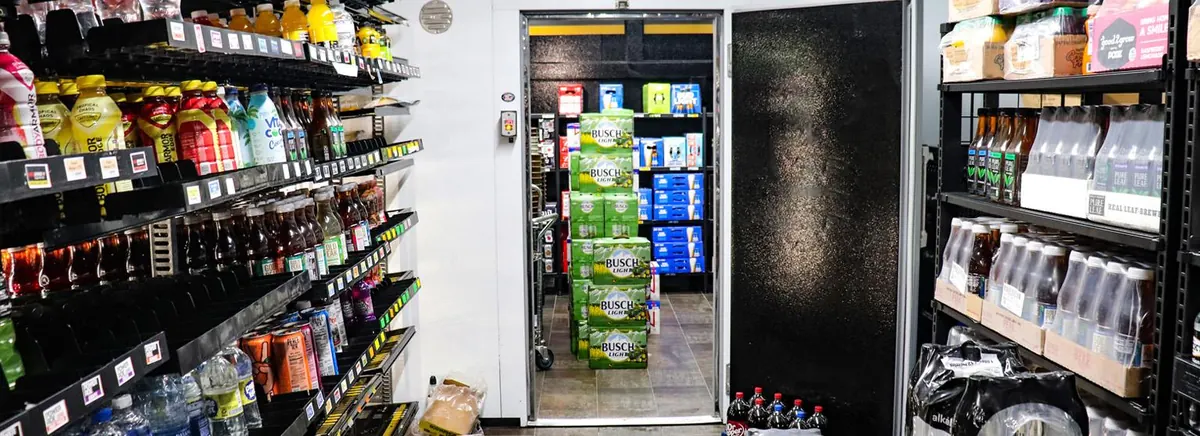
JiangNan designs apple cold storage rooms for farms, fruit packhouses, distributors, and export-oriented storage projects. The room can be a simple chilled apple storage room, a modular prefabricated room, or part of a larger fruit cold storage system. Some projects may require controlled atmosphere functions, but these should only be included when the project confirms gas tightness, control equipment, and operating capability.
The room design should start from product data. Apple variety, harvest temperature, incoming product temperature, daily loading, packaging, storage time, pallet size, stacking height, and door frequency all affect the refrigeration duty. A room sized only by tonnage may not provide correct airflow or pull-down performance.
Engineering Scope
Temperature and humidity are the primary storage conditions. Apple rooms often operate near low positive temperature with relatively high humidity, depending on variety and storage requirement. The room should avoid freezing injury while keeping product respiration low. Temperature uniformity matters because apples in warm areas continue to respire faster, while apples too close to cold air discharge may face surface stress.
Respiration heat should be included in load review. Fresh fruit releases heat during storage, and the rate changes with temperature and product condition. When warm apples are loaded after harvest, product heat can become the dominant load during the initial pull-down period. JiangNan separates storage holding load from pull-down load so the refrigeration system is not selected from empty room volume alone.
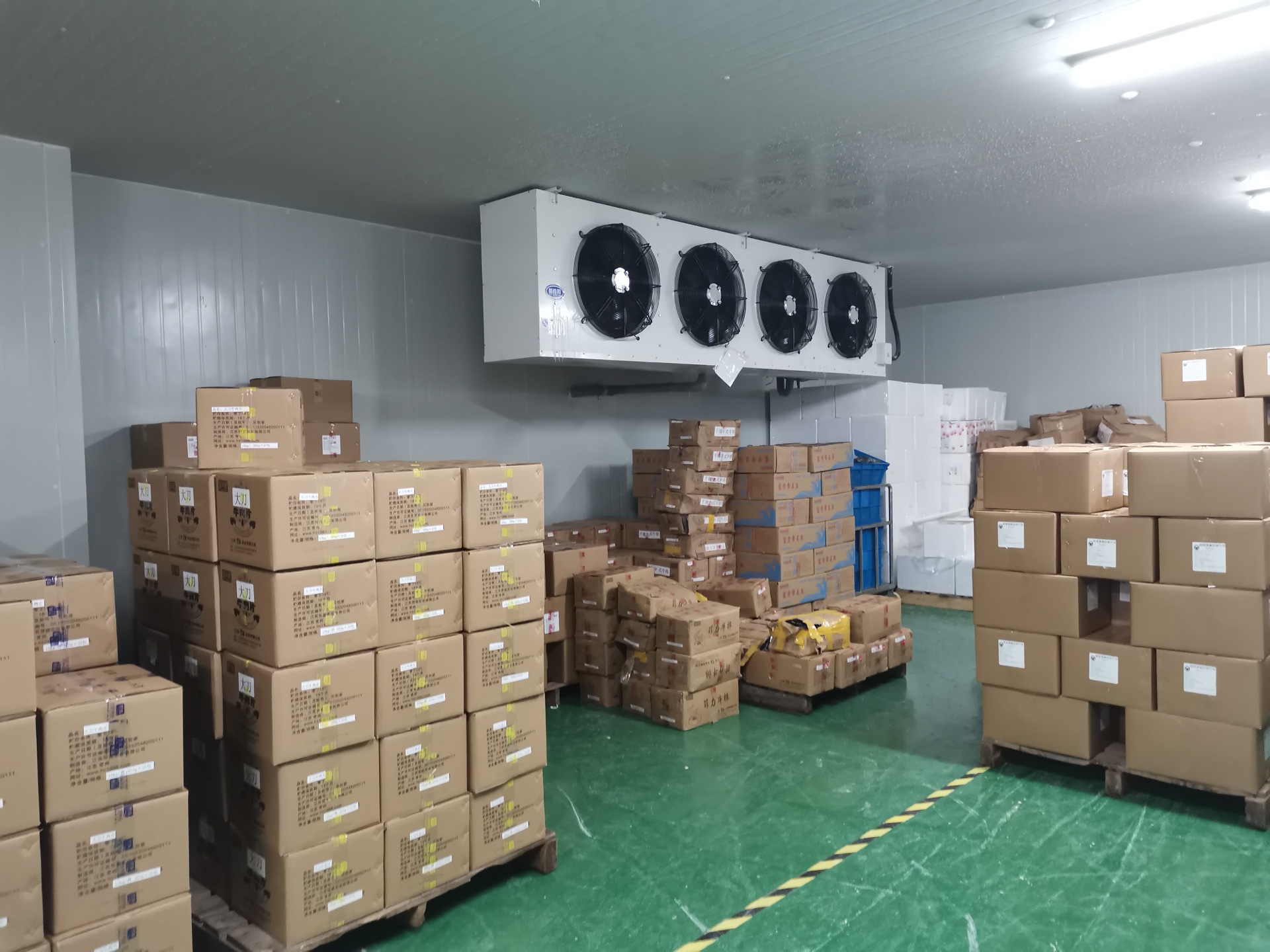
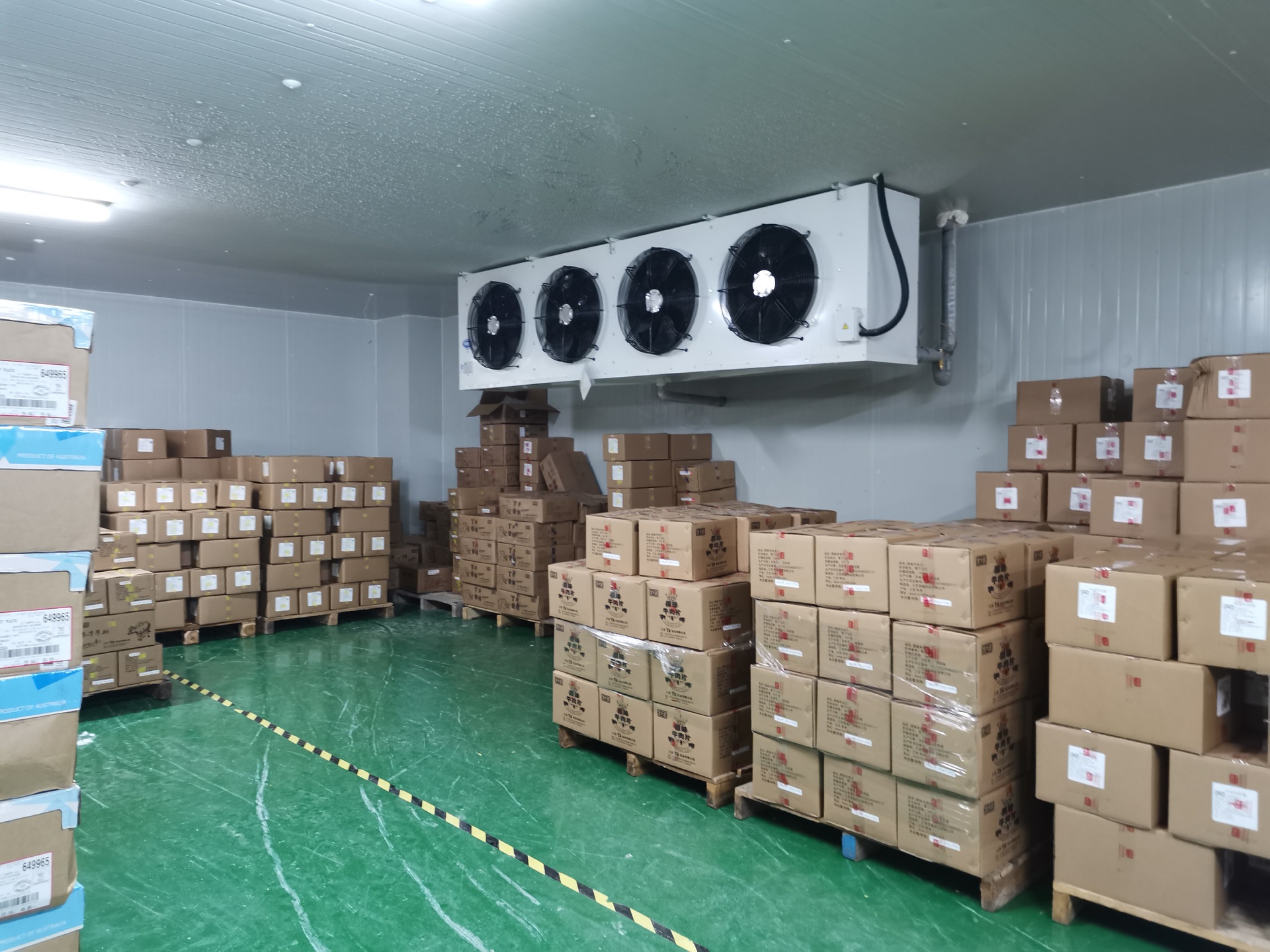
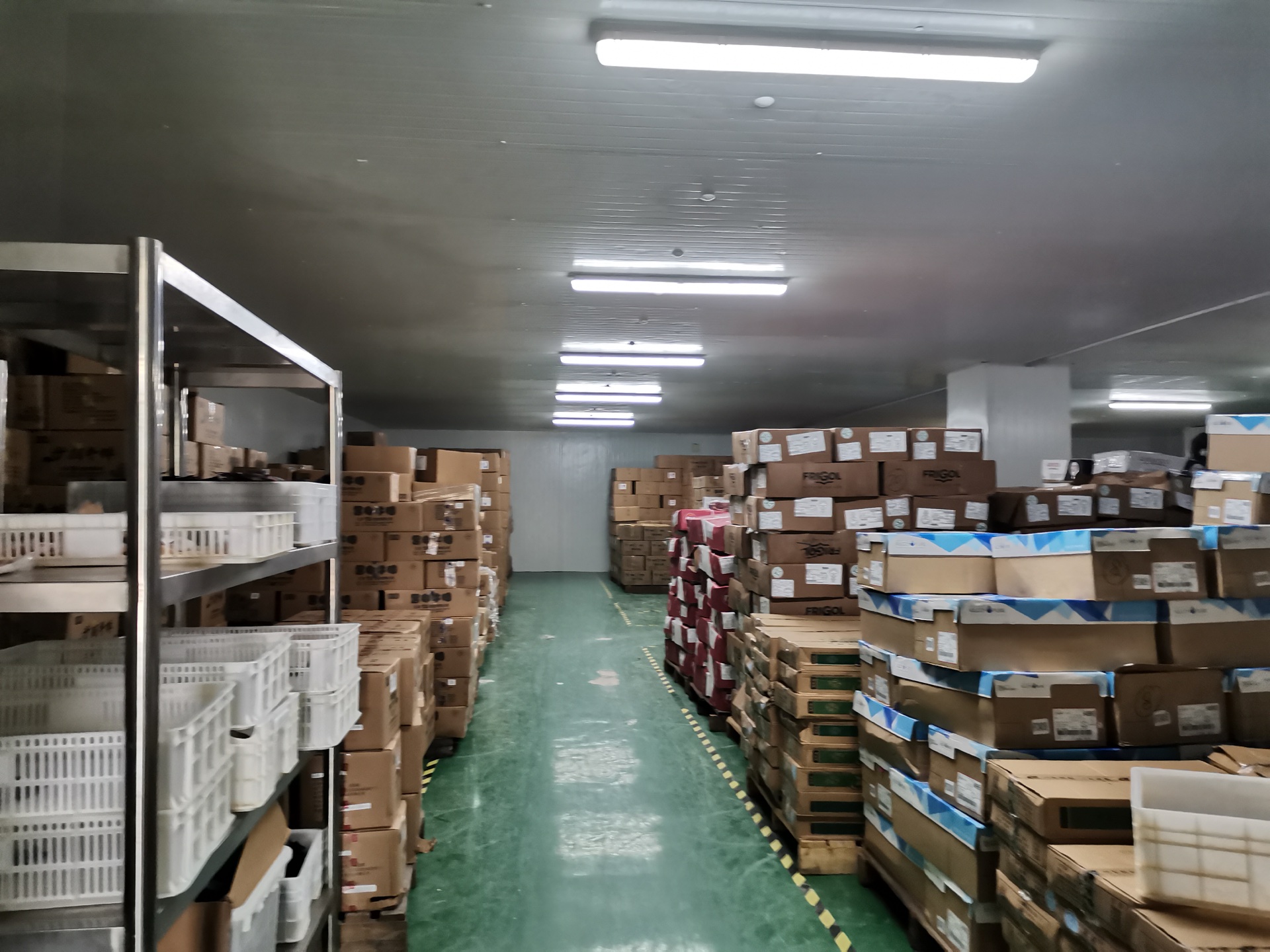
Room sizing should consider practical utilization. Apples may be packed in cartons, bins, crates, or palletized units. The room needs aisles, air gaps, wall clearance, evaporator service space, and safe stacking height. Storing too tightly can block air circulation and create temperature difference inside the stack. JiangNan checks the storage layout before confirming the room dimensions.
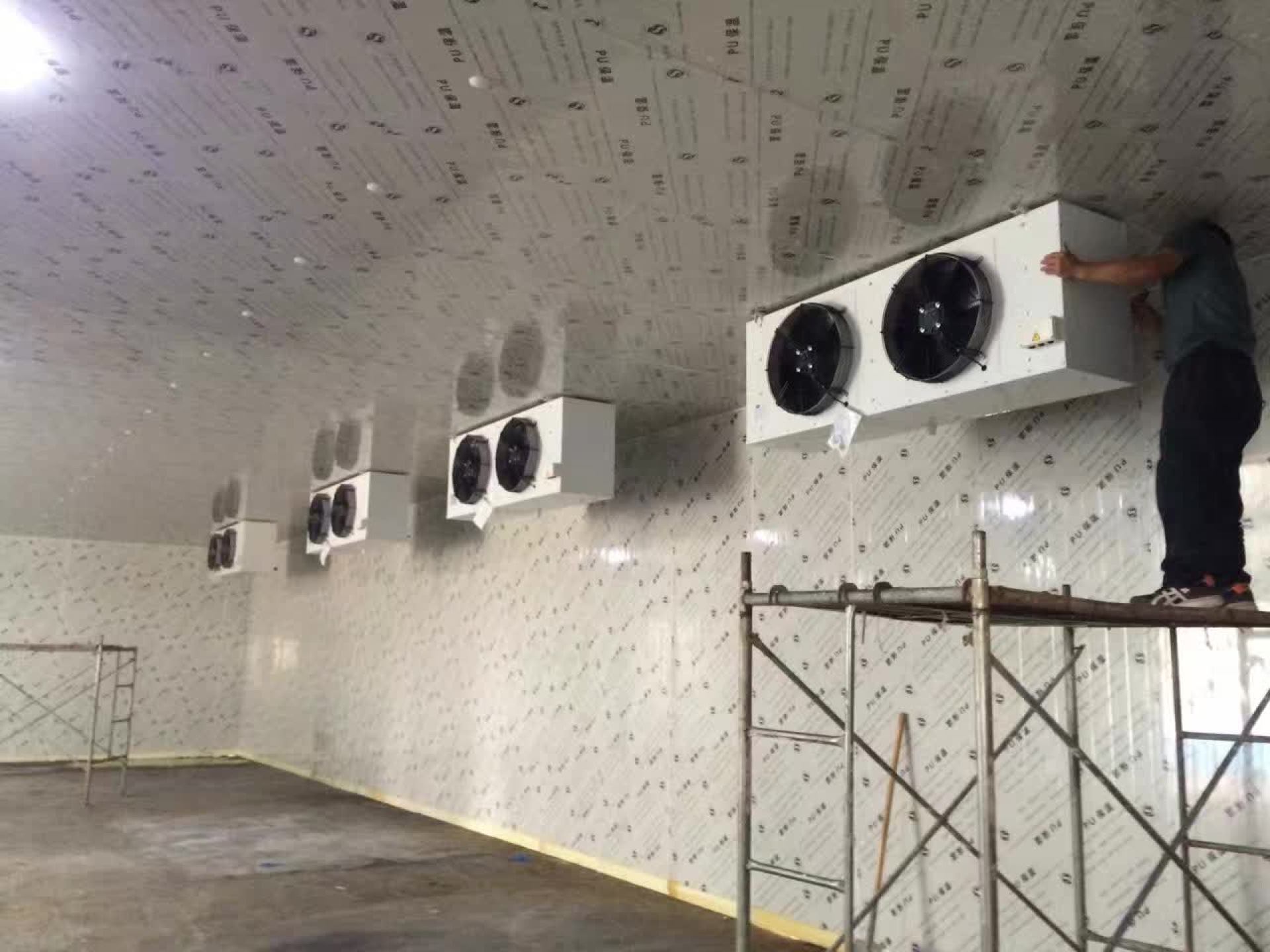
Panel thickness should match the target temperature, ambient condition, and storage time. Apple rooms may not require freezer-grade thickness, but the envelope still needs stable insulation and vapor control. High ambient temperature, outdoor installation, hot loading corridors, or long storage periods can justify a stronger panel specification. Panel joints, door frames, and ceiling penetrations should be sealed properly to avoid condensation.
Air distribution is one of the most important details. The evaporator should not blast cold dry air directly onto exposed fruit. Air should move around stacks and return to the cooler without short-circuiting. Pallets or bins should be arranged with consistent gaps. If product is stacked to the ceiling or against the evaporator, part of the room may remain warm even when the controller shows the target temperature.
Door selection depends on loading method. A sliding cold room door is usually practical for pallet or bin movement. A hinged door may be suitable for smaller rooms. Door opening should be only as large as required for handling equipment. Frequent door opening introduces warm humid air and can create condensation near the entrance. In hot climates, an air curtain, strip curtain, or staging room may be useful.
Refrigeration equipment selection should consider product pull-down, respiration heat, fan heat, door traffic, and ambient temperature. The evaporator should provide suitable air volume and temperature difference without excessive dehydration. Condenser selection must be reviewed for the actual high ambient condition if the project is in Saudi Arabia or another hot market. A condenser installed in poor ventilation may reduce system stability.
Humidity control should be realistic. Many apple projects need high humidity, but too much moisture can create condensation, mold risk, or wet surfaces if airflow and temperature are not stable. The room construction, evaporator temperature difference, door discipline, and product packaging all influence humidity. JiangNan reviews these factors before recommending additional humidification or controlled atmosphere functions.
Controlled atmosphere storage requires a different level of envelope design. Gas tightness, sealed penetrations, gas monitoring, pressure relief, oxygen and carbon dioxide control, and operating procedures must be confirmed. A normal cold room should not be described as controlled atmosphere unless the room and controls are designed for it. JiangNan keeps this distinction clear during project review. For the access opening, review controlled atmosphere door sealing and opening options with the CA system designer before specifying the door.
Installation and commissioning should include room pull-down, sensor position check, evaporator airflow inspection, drain test, door gasket inspection, and operating training. Operators should understand loading height, aisle clearance, product entry temperature, door discipline, and cleaning procedure. Apple storage performance depends on both equipment and daily operation.
Related Resources
- Modular Cold Room – related JiangNan product and project information.
- Cold chain – external reference for basic technical background.
FAQ
Is apple cold storage the same as ordinary chilled storage?
No. Apples continue respiration and need stable temperature, suitable humidity, and careful airflow. The design should consider product heat and storage time.
Should an apple room use controlled atmosphere?
Only when the project requires long storage and the room is designed for gas tightness and gas control. A normal chilled room is not automatically a controlled atmosphere room.
How is refrigeration equipment selected?
Selection depends on room size, product quantity, entering product temperature, daily loading, respiration heat, door traffic, and ambient temperature.
How does high ambient temperature affect apple storage?
High ambient temperature increases condenser duty and door infiltration load. It can also make pull-down slower if warm product enters quickly.
What does JiangNan need?
JiangNan needs apple variety, storage quantity, packaging, daily loading, entering temperature, target room temperature, storage time, and site ambient condition.
Talk to JiangNan
Send JiangNan your apple storage requirement, room layout, packaging method, and loading schedule. We will review the panel envelope, airflow, refrigeration equipment, door selection, and export package for an apple cold storage room.