Blast Freezer Guide for Seafood, Meat and Food Processing Projects
A useful blast freezer enquiry describes a production process. It tells the supplier what enters the freezer, how it is arranged, when it must leave, and how the result will be checked. Room dimensions alone cannot establish whether a proposed system will keep pace with a seafood line, meat processor or prepared-food operation.
Start with the product and production schedule. A freezer selected for unpackaged portions on trays may need a different arrangement when those portions are replaced by thick cartons. Before requesting a price, prepare a batch description that production, quality and purchasing teams can all approve.
Write a freezing duty sheet
For each product, record its name, dimensions, weight range, packaging and condition on arrival. Identify whether products enter individually, in trays, on trolleys or as pallet loads. Include the expected starting temperature and the required product temperature at the end of the cycle, using targets approved for your process. State where that final temperature will be measured.
- Product variation: smallest and largest items expected in normal production.
- Batch arrangement: quantity per tray, trays per trolley and trolley positions.
- Daily schedule: loading windows, production interruptions and dispatch deadlines.
- Acceptance method: agreed sampling positions, instruments and records.
If the production mix changes during the week, share the demanding products as well as the easiest example. A quotation based on one favourable batch may provide little guidance for the rest of the operation.
Separate freezing time from the full batch cycle
The time allocated to refrigeration is only part of the working cycle. Loading, unloading, cleaning and any planned defrost also occupy equipment time. Put these activities on a simple shift schedule before deciding how many batches the business expects to handle. Include the time needed to move frozen goods to their next storage location.
FAO’s fish-freezing engineering guidance explains that product dimensions, packaging and airflow influence freezing time. This supports a practical purchasing rule: compare quotations against the same product arrangement and cycle definition. Do not compare one supplier’s empty-room cooling claim with another supplier’s loaded production test.
Ask for a loading layout, not just a room outline
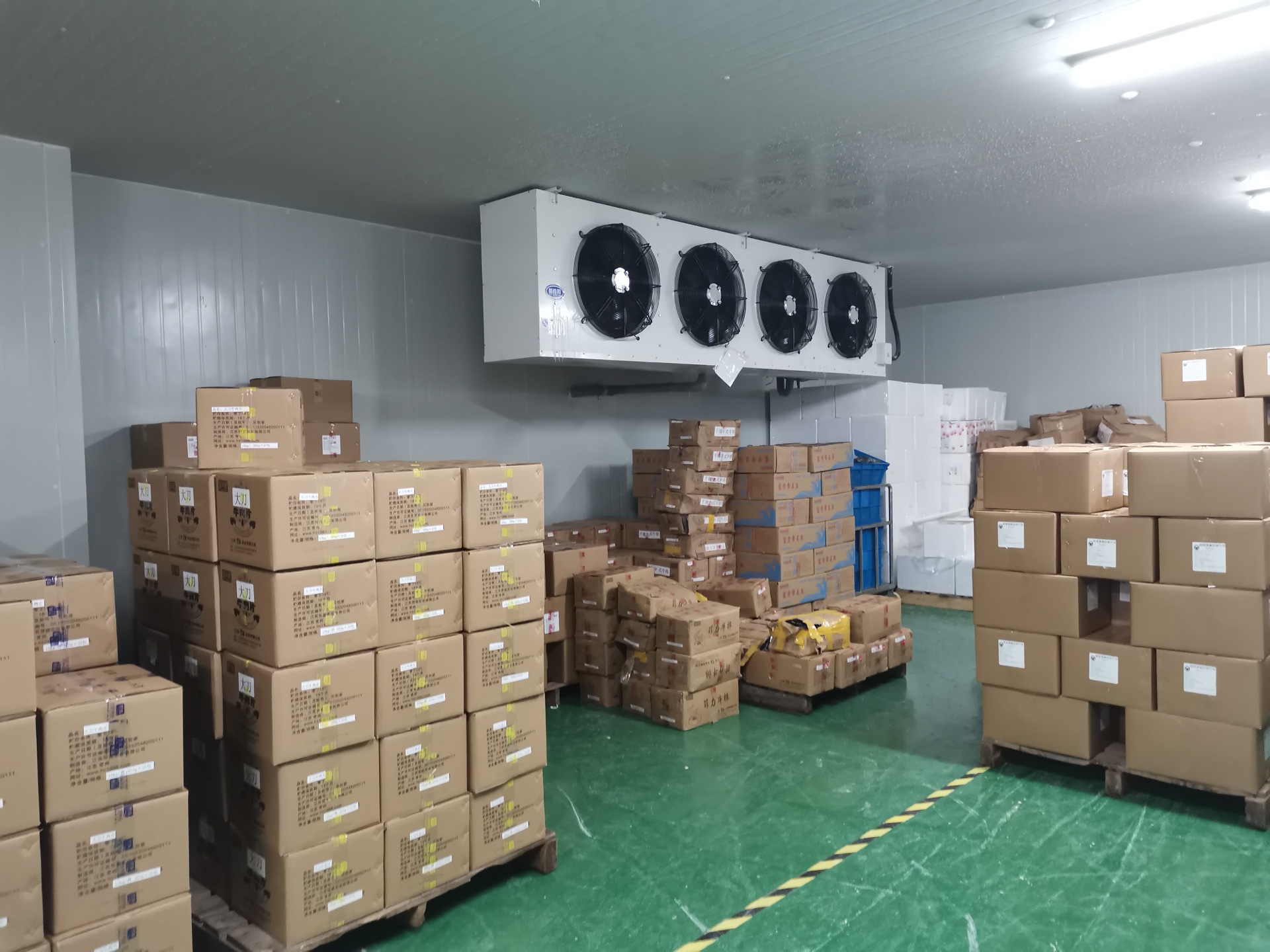
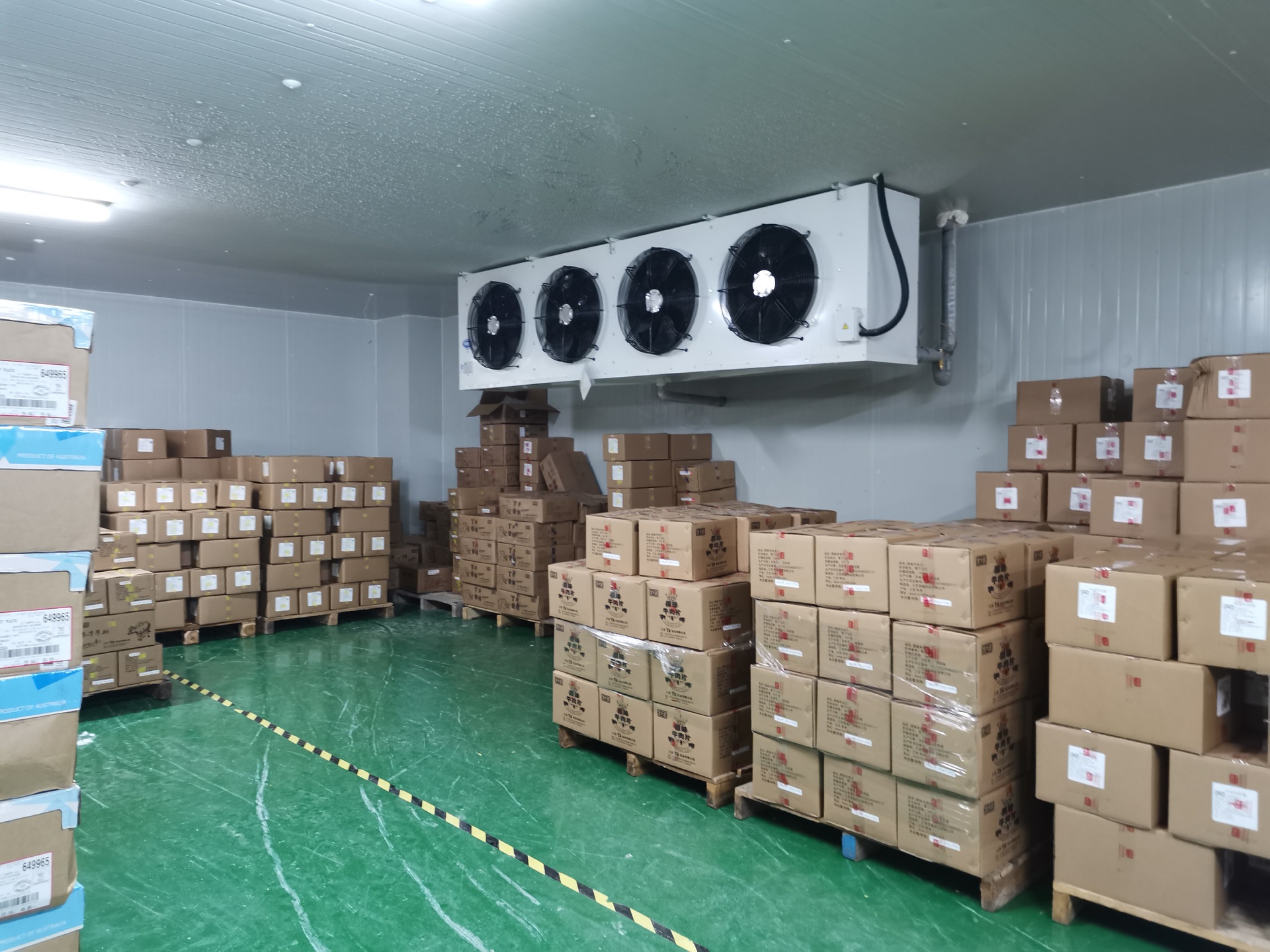
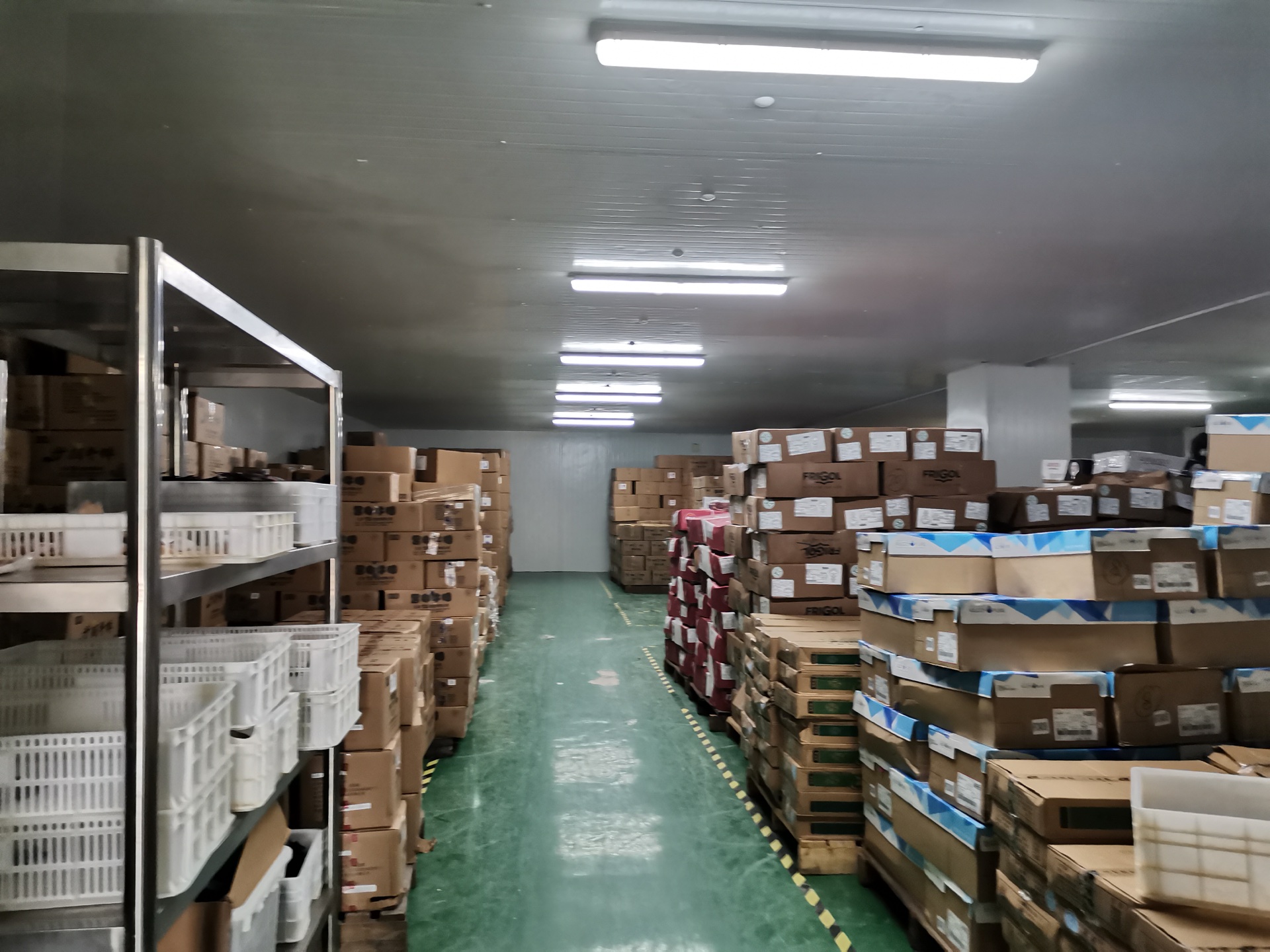
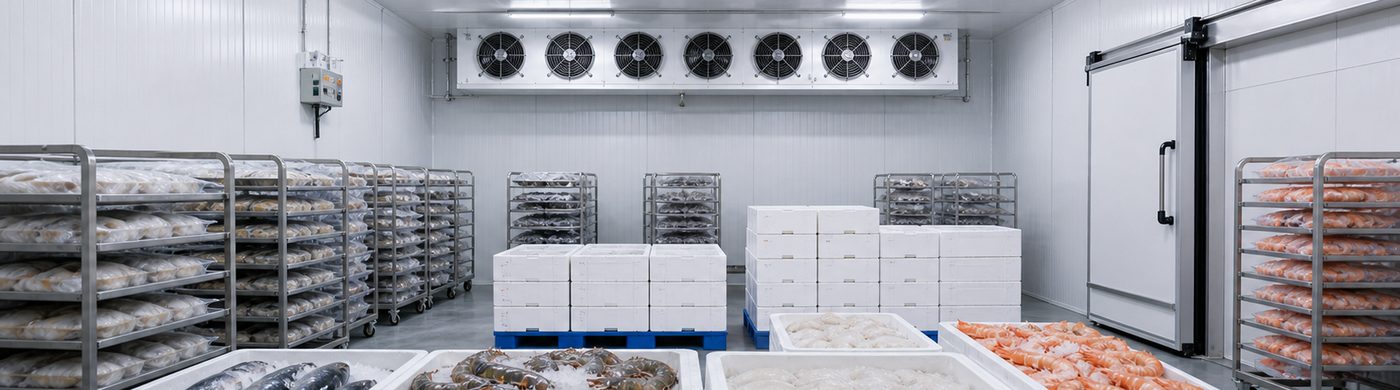
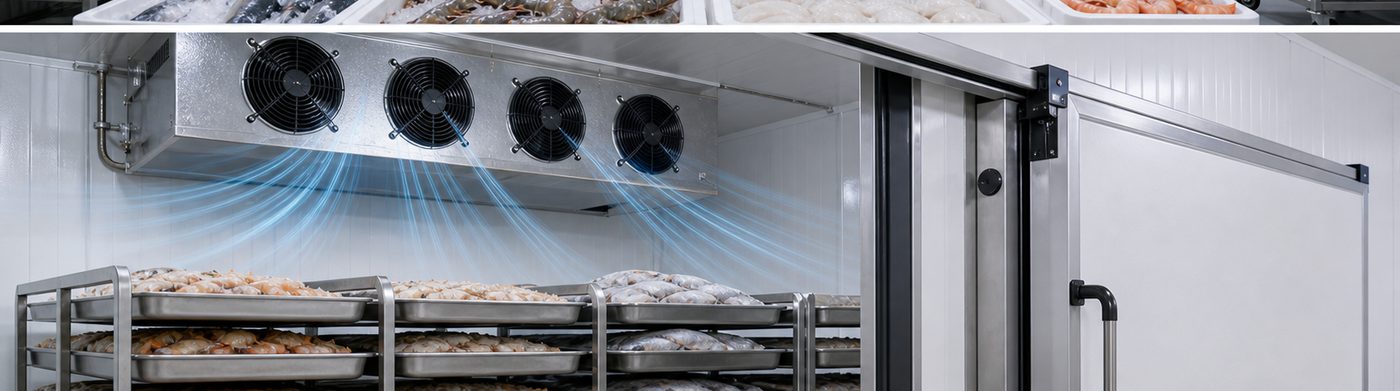
A layout should show trolley or pallet positions, operator access, door movement and the intended air path. Ask what loading pattern the equipment selection assumes and which spaces must remain clear. Equipment capacity and usable loading space should be reviewed together; filling every visible gap is not a reliable capacity calculation.
Check the next step in the factory as well. If a batch leaves the freezer faster than the packing line can handle it, the bottleneck moves outside the room. Buyers should discuss staging, packaging and frozen storage with the people who will operate them, rather than treating the freezer as an isolated purchase.
Define the enclosure and equipment boundaries
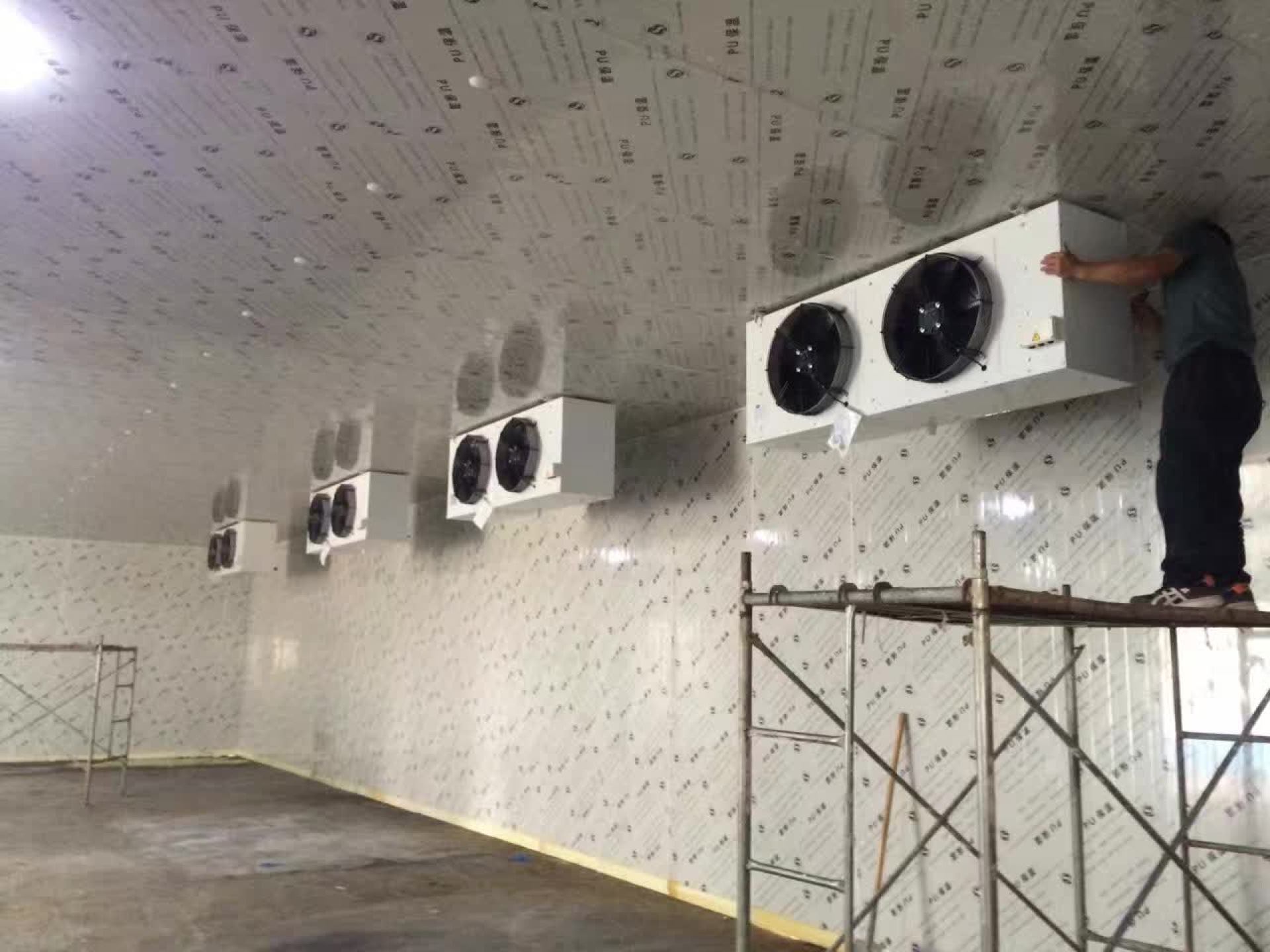
A blast freezer proposal may include the insulated enclosure, door, evaporator arrangement, refrigeration package and controls, or only selected items. Ask for an inclusion list identifying who provides structural supports, floor construction, electrical supply, refrigeration connections, drainage and installation. Where several contractors are involved, assign one party to coordinate the interfaces.
Review cold room panel options and sliding door configurations as parts of that enclosure. Their suitability still depends on the approved project specification. A generic product page does not establish the freezing capacity of a complete installation.
Agree on a representative acceptance run
Before placing the order, describe the product, batch loading, ambient conditions and measurement method for commissioning. Ask how deviations will be recorded and who decides whether the result meets the agreed duty. Retain the room temperature record alongside product measurements, because they answer different questions.
Include operating instructions for loading and cleaning in the handover list. Operators need to know the approved arrangement and what to do when the product, packaging or production schedule changes. A later process change should prompt a review rather than an assumption that the original test still applies.
Buyer questions
Can a frozen storage room replace a blast freezer?
Do not assume interchangeability. Ask the engineer to assess the actual freezing duty, product loading and required cycle. A room purchased to hold already frozen stock has a different purchasing specification.
What should I send with an enquiry?
Send the duty sheet, product and packaging photographs, a loading sketch and your site information. Use the quotation form to identify which enclosure components and refrigeration equipment you want included.