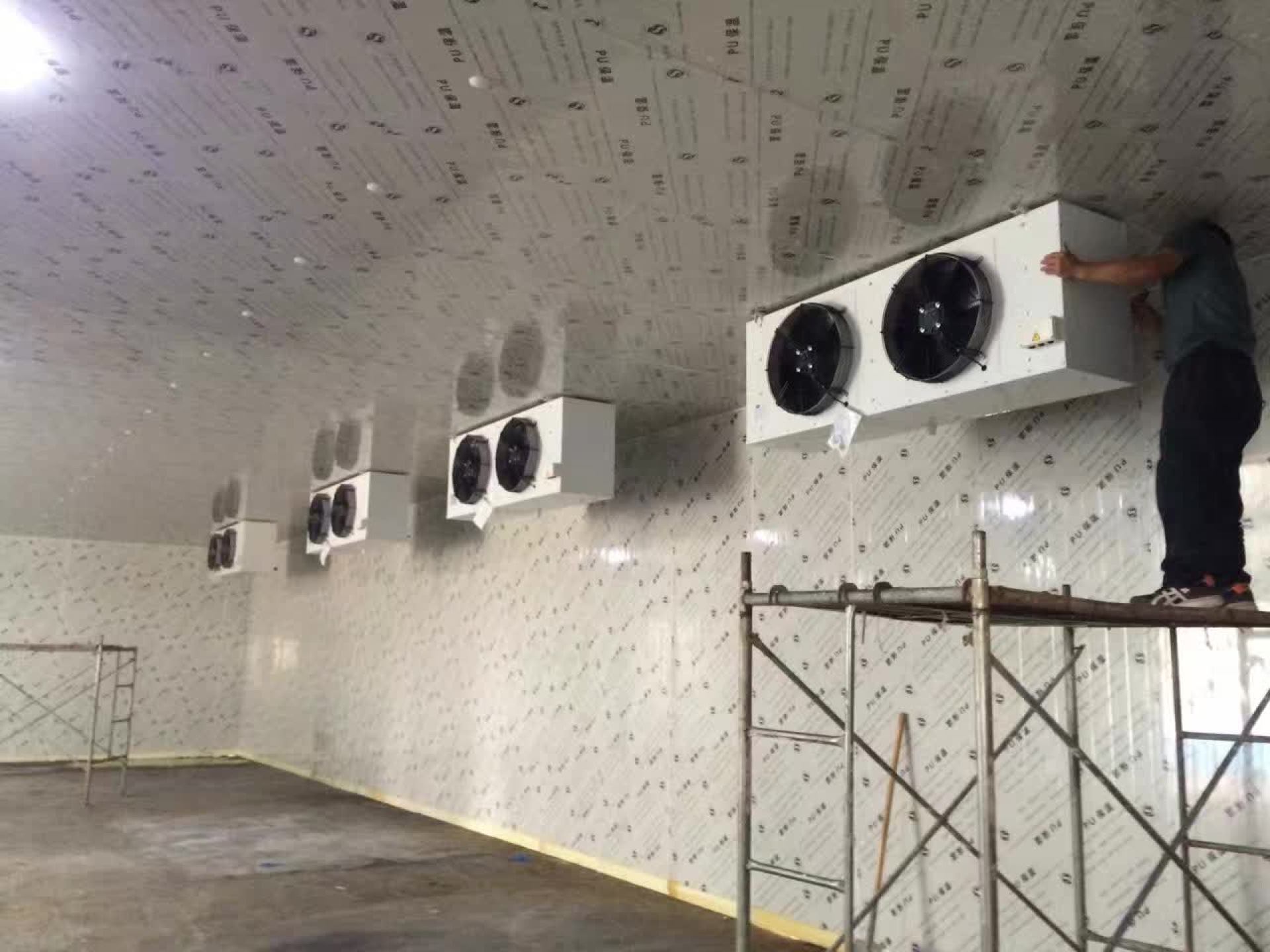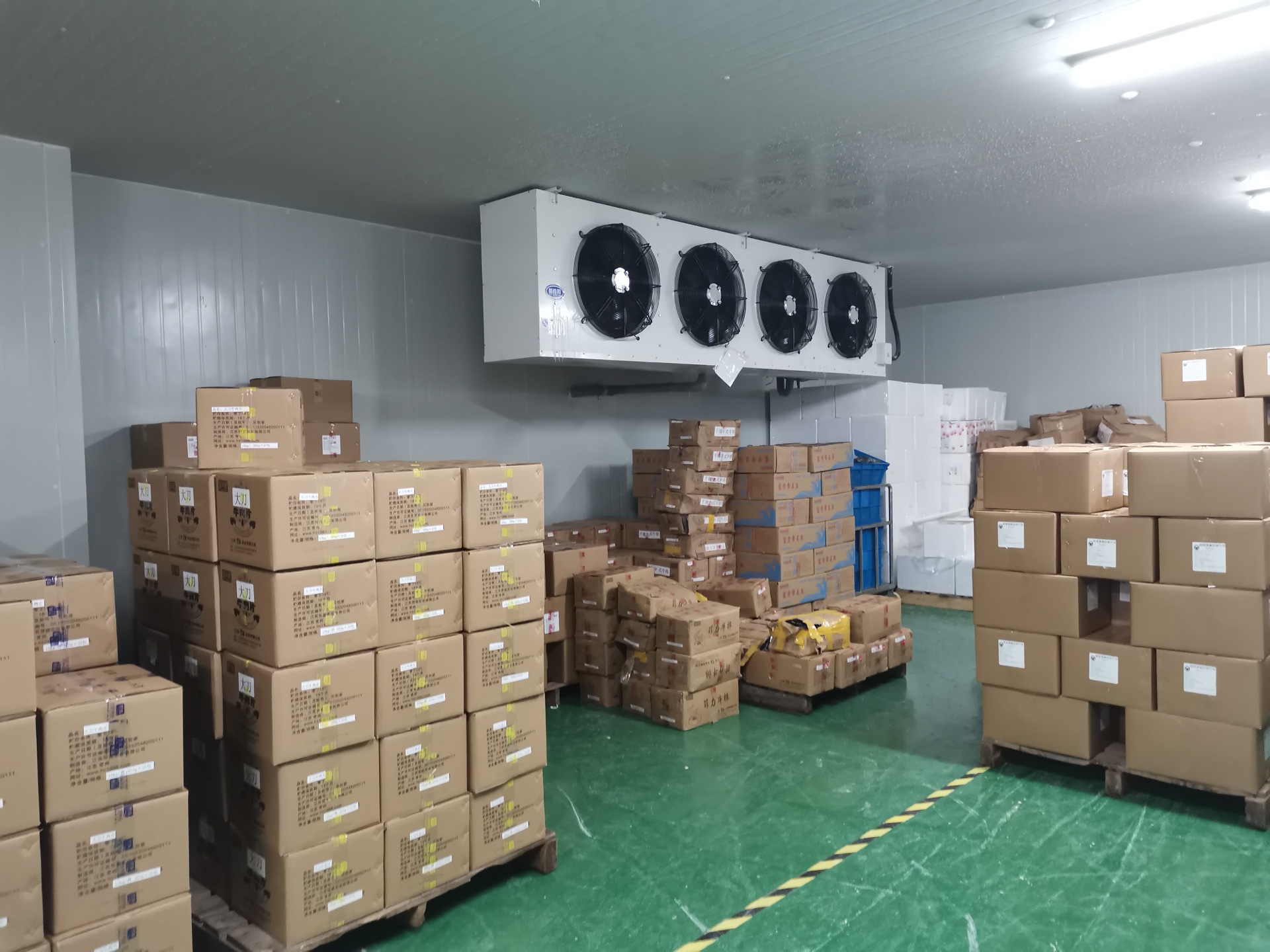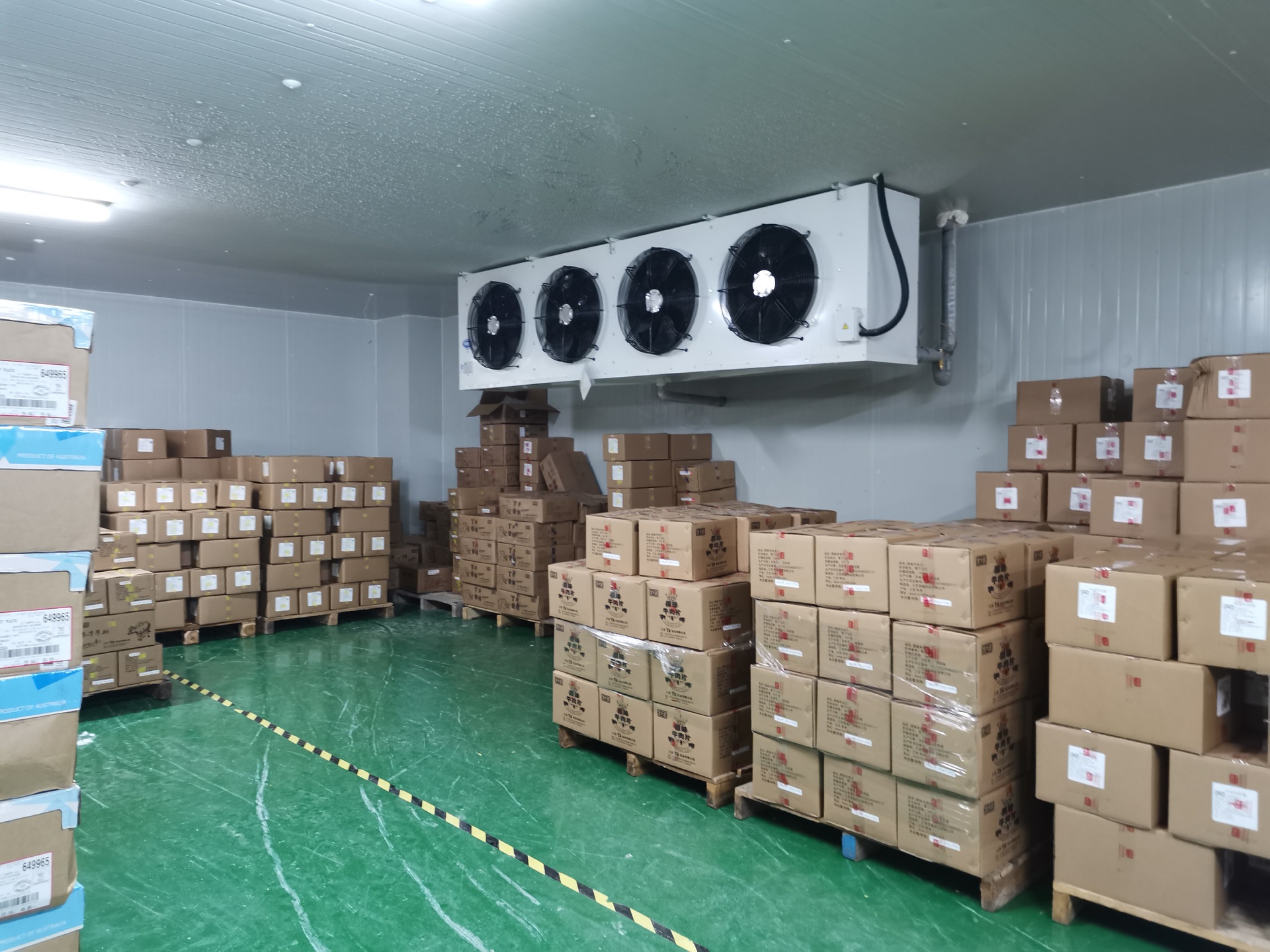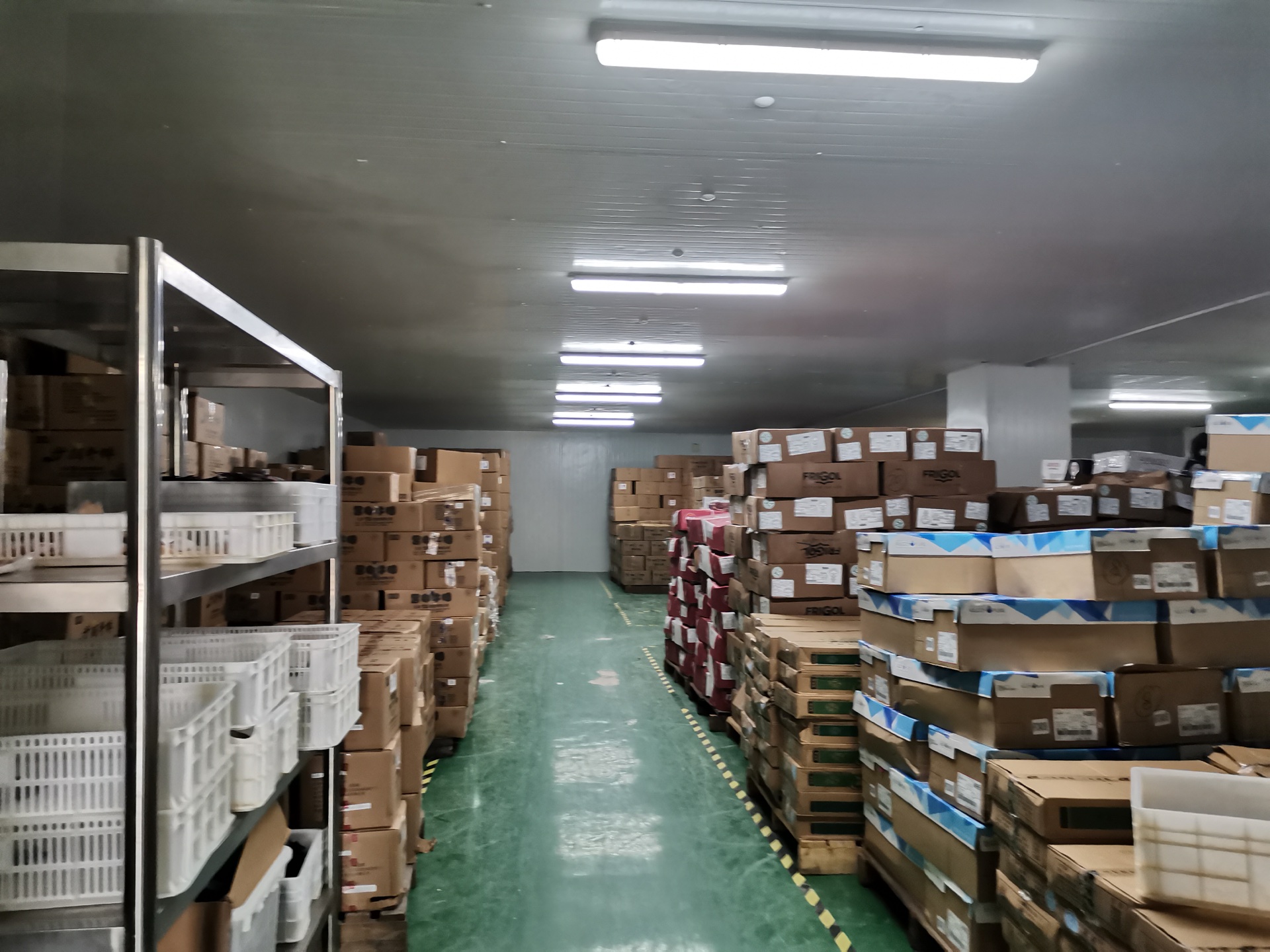
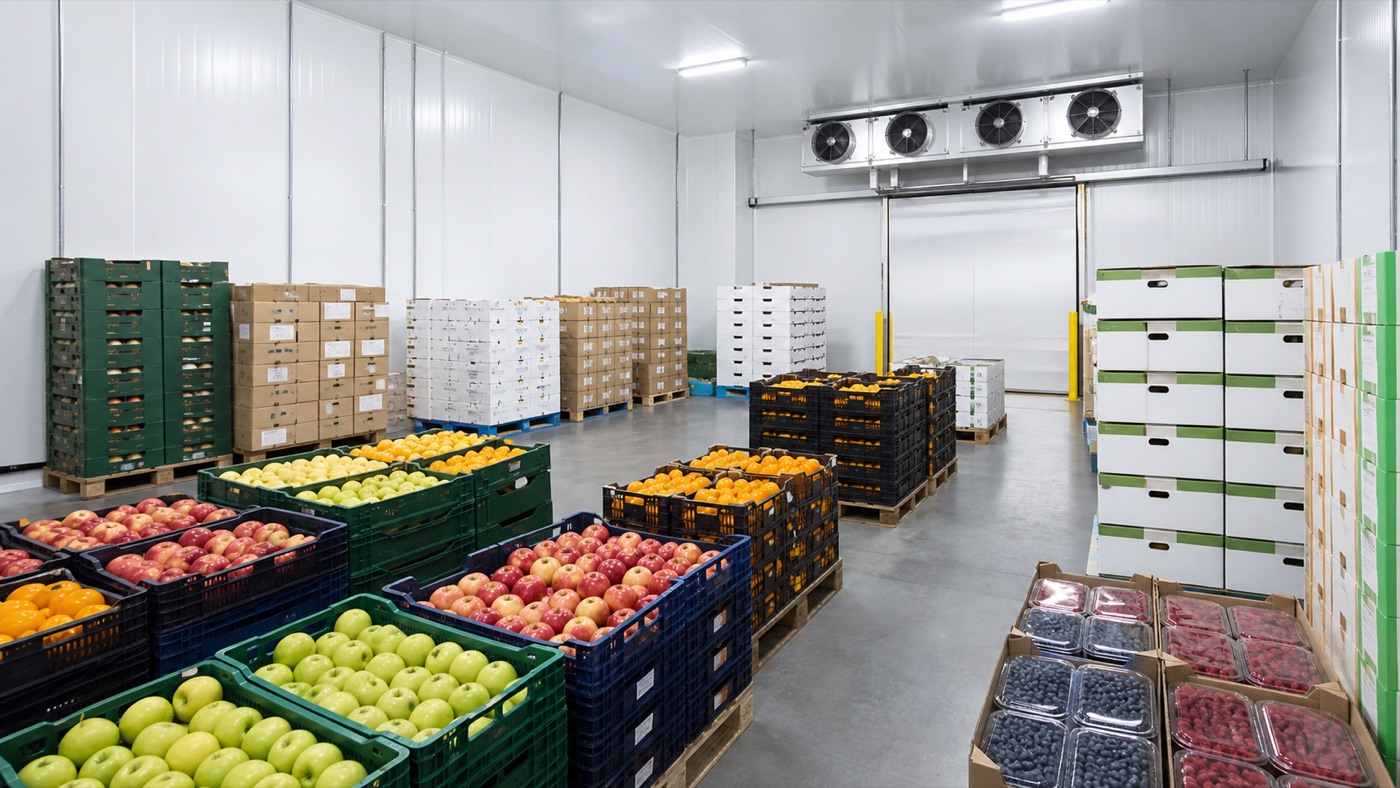
Citrus cold storage room design needs careful control of temperature, humidity, airflow, and product handling. Citrus is a living product, so the cold room must slow respiration while avoiding dehydration, chilling injury, condensation, mold risk, and uneven storage condition. A room that is technically cold but has poor airflow or unstable humidity can still damage fruit quality during long holding.
JiangNan designs citrus cold storage rooms as engineered produce rooms. The work includes insulated room sizing, door arrangement, air cooler selection, airflow layout, humidity control, refrigeration matching, drainage, commissioning, and high ambient project review. The room should be planned around actual receiving temperature, packaging, pallet height, loading schedule, and discharge pattern.
Citrus Cold Storage Overview
| Item | Engineering Direction |
|---|---|
| Topic | Citrus cold storage room design |
| Application | Orange, mandarin, lemon, pomelo, and other citrus holding rooms |
| Typical condition | Chilled storage with high relative humidity according to fruit variety |
| Main design point | Stable temperature and humidity with gentle, uniform airflow |
| Main risk | Product drying, local warm zones, condensation, excessive air velocity, door heat load |
| JiangNan scope | Room envelope, evaporator coordination, refrigeration system, door control, installation support |
Engineering Scope
- Confirm citrus variety, target storage temperature, humidity range, storage period, and packaging.
- Size room volume according to pallet dimensions, aisle clearance, airflow paths, and loading density.
- Select air coolers for uniform air distribution and controlled product drying.
- Review refrigeration load from product cooling, respiration, envelope heat gain, lighting, fans, operators, and door opening.
- Coordinate door protection, drainage, defrost, and condensate management.
- Review high ambient operation for hot climates and export projects.
Storage Temperature and Humidity
Citrus storage is usually a chilled application, but the exact condition depends on fruit variety, maturity, storage period, and market requirement. Some citrus products are sensitive to temperatures that are too low. Others require tighter control to slow deterioration. JiangNan asks for product variety and storage goal before confirming the design condition.
Humidity is equally important. If humidity is too low, fruit can lose moisture and surface quality. If humidity is too high with poor airflow or condensation, mold and packaging wetting can become problems. The room should hold humidity in a stable range, with coil selection and air movement coordinated to avoid excessive drying.
Airflow and Stacking
Citrus cartons and crates must be arranged so cold air can pass through the storage zone and return to the air cooler. Blocking the return air path creates warm pockets. Stacking product tight against walls or directly under evaporator discharge can create uneven condition. A good design leaves air clearance near walls, under ceilings, and along return paths.
Air velocity should be controlled. Strong airflow can dry exposed fruit or create carton edge damage over long storage. Weak airflow cannot remove product heat or respiration heat. JiangNan reviews room length, evaporator throw, pallet row direction, and aisle layout together.
Product Loading and Pull-Down
The incoming product temperature strongly affects refrigeration load. Citrus arriving from a warm field, packing house, or loading dock can introduce a large pull-down load. A holding room that receives warm product every day should not be treated the same as a room that stores already cooled fruit.
If daily loading is heavy, JiangNan may recommend separating receiving, pre-cooling, and long holding functions. This avoids disturbing stable stored product with warm incoming fruit. The operator should also avoid overloading the room beyond the airflow design, especially during harvest peaks.
Refrigeration Load Components
Citrus room load includes heat transfer through panels, product cooling, respiration heat, fan heat, lighting heat, operator activity, door infiltration, and defrost recovery. In hot climates, door infiltration and envelope heat gain become more important. The final refrigeration selection should reflect real operation rather than only empty room volume.
Air coolers should be selected for produce storage. Fin spacing, temperature difference, fan speed, drain pan, defrost method, and service access all affect long-term operation. A low coil temperature may provide fast cooling but can dry the product and increase frost formation.
Door and Loading Area Design
The door is a major source of heat and moisture entry. For citrus storage, door discipline is part of product protection. Sliding doors, air curtains, strip curtains, ante-rooms, or loading corridors may be considered according to traffic. The best solution depends on forklift movement, pallet size, loading frequency, and ambient condition.
Door openings should not face direct hot outdoor air when avoidable. If the project is in a high ambient region, a shaded loading area and controlled corridor can reduce room disturbance. JiangNan reviews the complete material flow from receiving to storage, not only the cold room box.
Drainage, Defrost, and Cleaning
Air coolers remove moisture, and defrost cycles produce water. Drainage must be reliable and protected from freezing where necessary. Drains should not create warm air leakage paths into the room. The room floor should support cleaning without damaging panel bases, door frames, or seals.
Cleaning chemicals, floor slope, wall protection, and impact guards should be planned if the room handles frequent pallet movement. Produce storage rooms often look simple, but small details at the floor and door area decide whether the room remains stable during daily use.
High Ambient Temperature Notes
In Saudi Arabia and similar markets, citrus storage requires stronger attention to ambient temperature, condenser placement, loading door protection, and panel insulation. Product may enter the room warm, and outdoor air can be hot and humid. The refrigeration system must be checked for the hottest operating period.
JiangNan coordinates room envelope, condenser selection, air cooler duty, and door control for high ambient projects. The goal is not only reaching setpoint once, but maintaining stable citrus storage during normal loading and unloading.
Related Resources
- Modular Cold Room – related JiangNan product and project information.
- Cold chain – external reference for basic technical background.
FAQ
Is citrus storage the same as general fruit storage?
No. Citrus variety, maturity, storage period, and sensitivity to low temperature should be checked before confirming room condition.
Why is humidity important?
Low humidity can dry fruit, while uncontrolled high humidity and condensation can create surface and packaging problems.
Can warm citrus be loaded directly into a holding room?
It can be done only if the refrigeration and airflow are designed for that load. Heavy warm loading may require a separate pre-cooling strategy.
What airflow arrangement is best?
The best arrangement depends on room length, pallet layout, carton style, stacking height, and evaporator throw. Uniform gentle airflow is the goal.
What does JiangNan need?
Citrus type, storage temperature, humidity target, room capacity, pallet size, loading temperature, loading schedule, and site ambient condition are needed.
Request a Project Review
Send JiangNan your citrus storage requirement, pallet layout, loading schedule, and site condition. We will review the cold room envelope, airflow, and refrigeration system for stable produce storage.