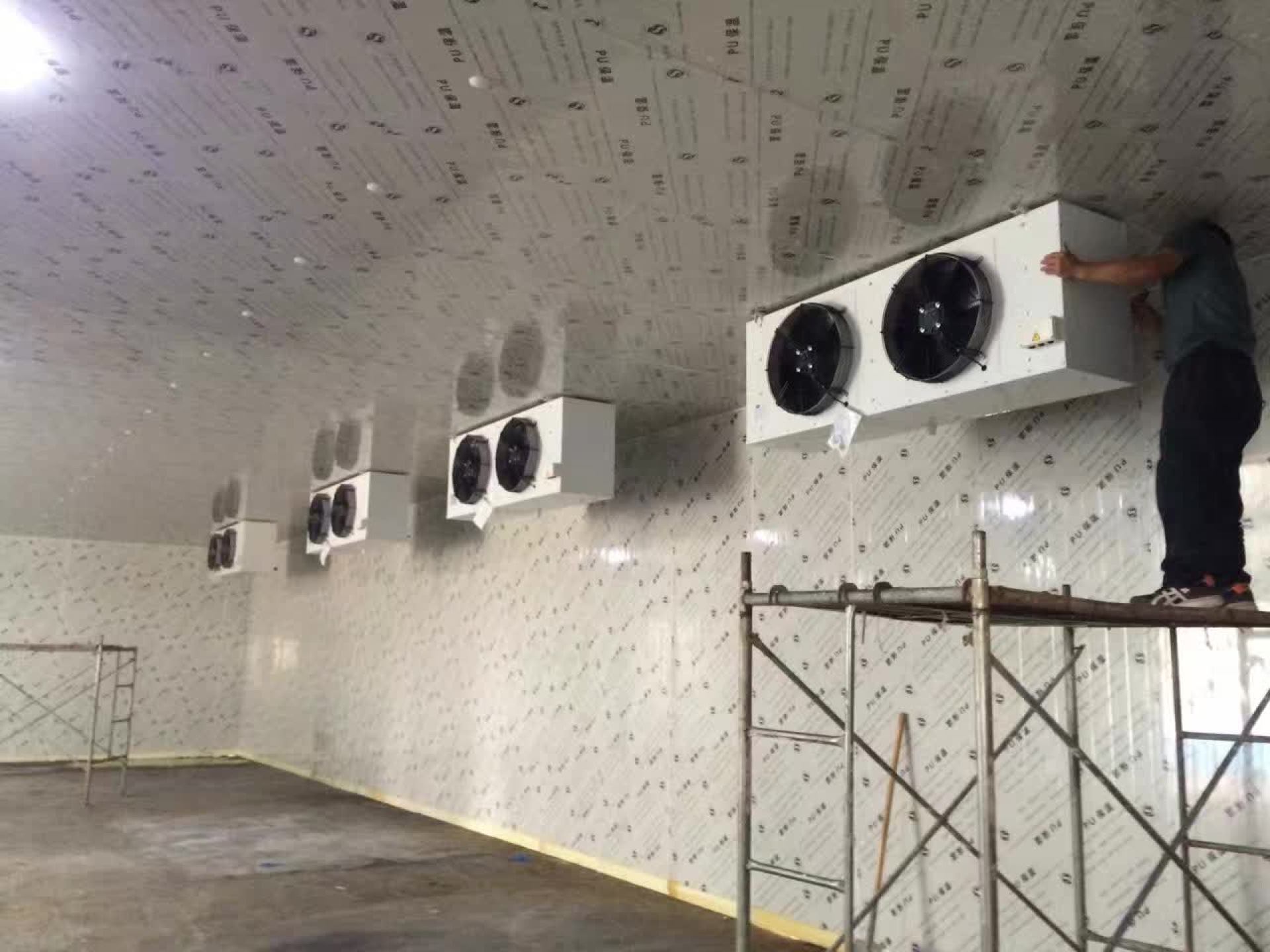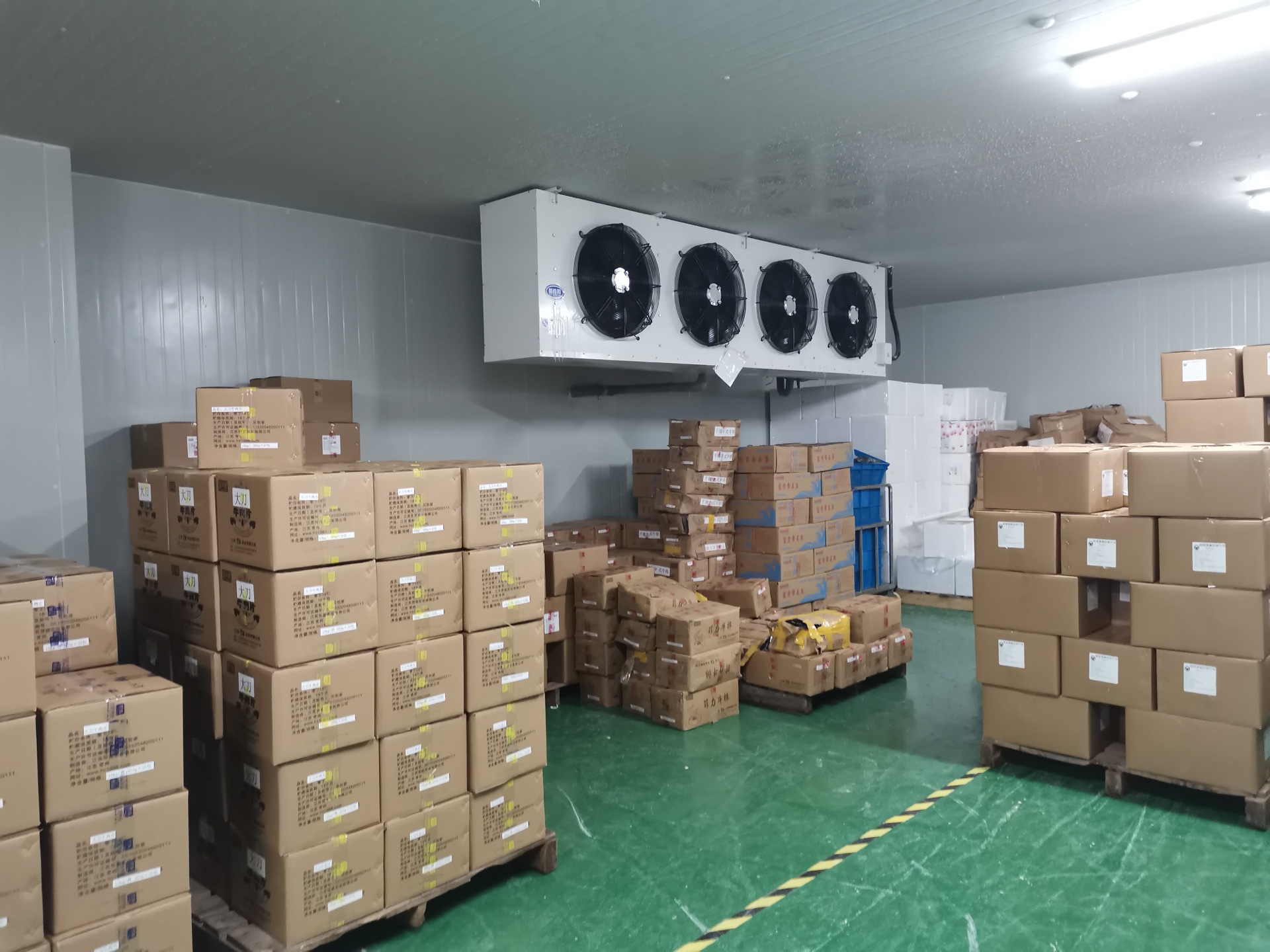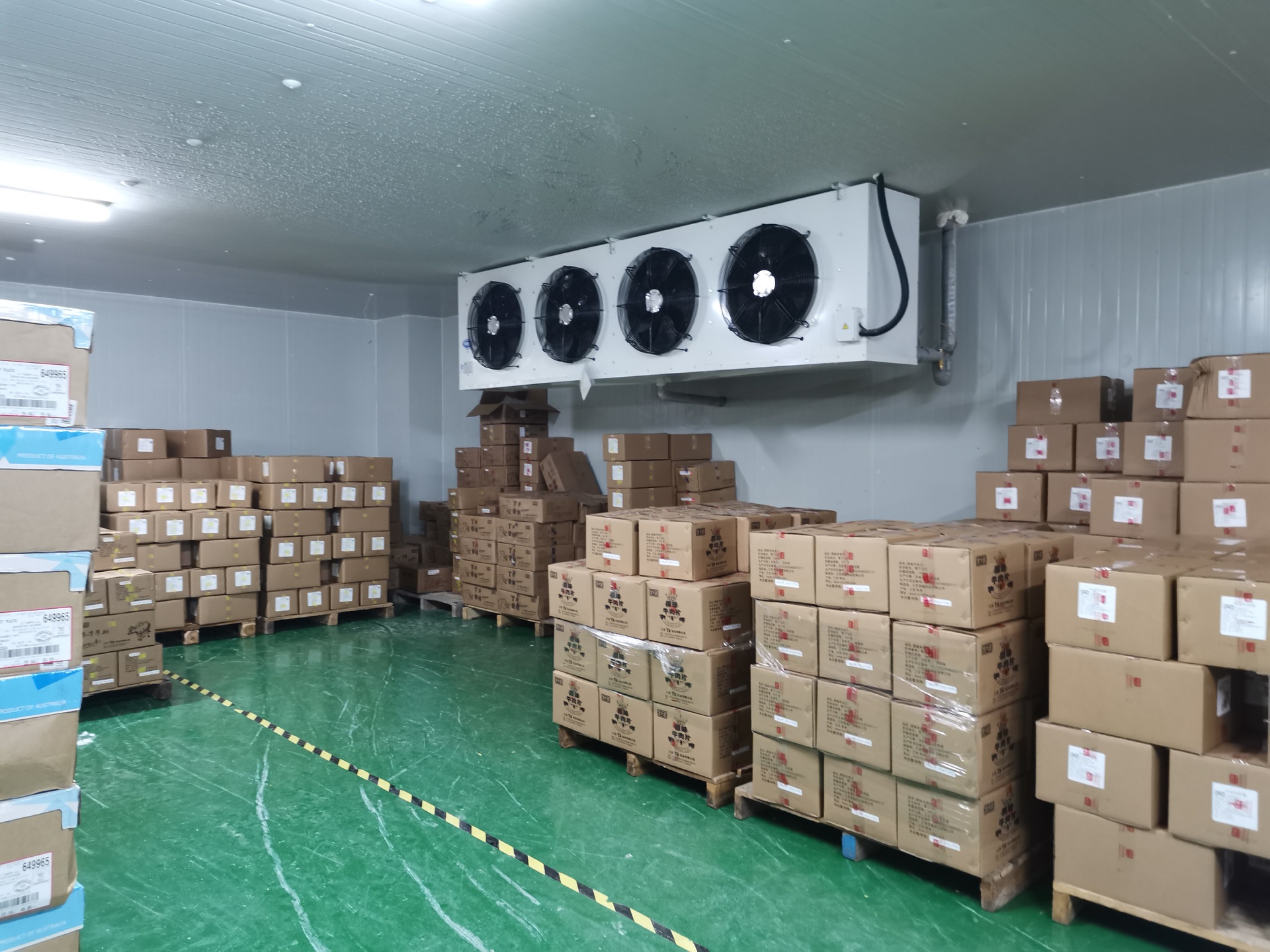
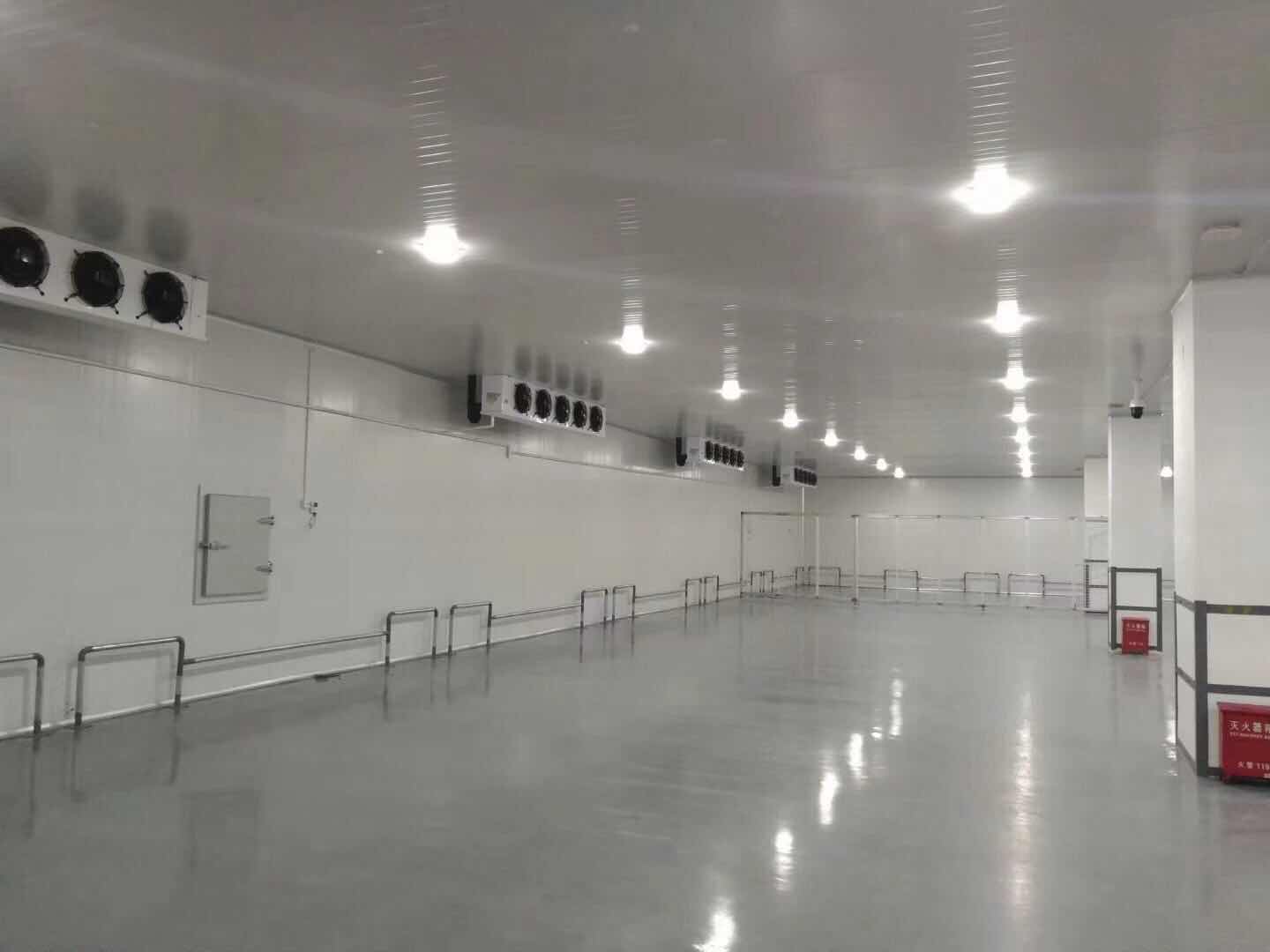
Cold room ceiling panel installation is one of the most important parts of the room envelope. The ceiling carries its own weight, connects to wall panels, supports service penetrations, and must maintain insulation, vapor barrier, and airtightness. A ceiling that is not straight, not properly suspended, or not sealed at joints can create air leakage, cold loss, condensation, frost, and long-term panel movement.
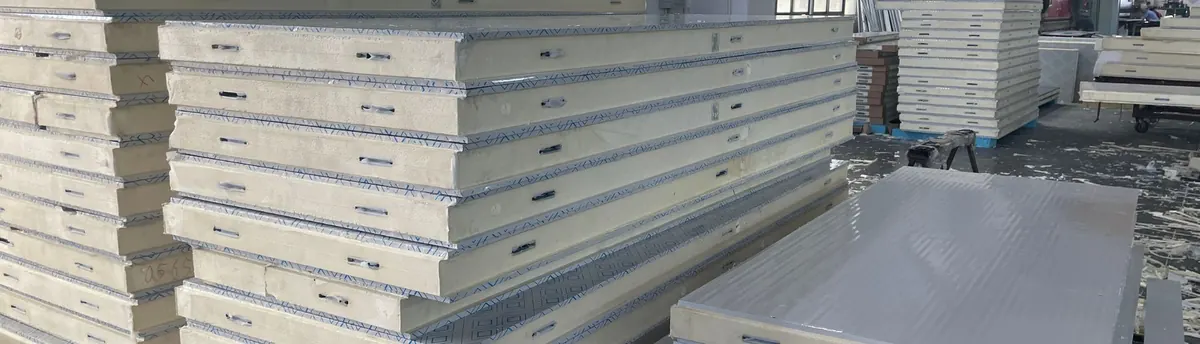
JiangNan treats ceiling panel installation as an engineering detail, not only a site craft task. The installation sequence should start from a stable reference line, keep panel joints within controlled tolerance, use proper temporary support, fix hangers before removing support, and seal joints carefully. This is especially important for freezer rooms, high humidity rooms, and controlled atmosphere rooms.
Cold Room Ceiling Panel Overview
| Item | Engineering Direction |
|---|---|
| Topic | Cold room ceiling panel suspension and joint sealing |
| Application | Modular cold rooms, freezer rooms, processing rooms, controlled atmosphere rooms |
| Main purpose | Keep ceiling panels aligned, supported, insulated, and sealed |
| Key points | Reference line, first panel alignment, hanger fixing, joint gap control, polyurethane sealing |
| Main risk | Panel movement, air leakage, frost, condensation, weak vapor barrier, ceiling deflection |
| JiangNan scope | Panel layout review, installation guidance, joint sealing details, site support |
Engineering Scope
- Confirm steel structure level, wall panel position, and ceiling panel layout before installation.
- Use the first wall and ceiling panel as reference elements for alignment.
- Control panel joint gap and straightness during each installation step.
- Install hangers or suspension parts before removing temporary lower support.
- Seal ceiling joints, wall-ceiling corners, and penetrations with suitable insulation and sealant method.
- Inspect ceiling alignment, joint continuity, and vapor barrier after installation.
Reference Line and First Panel
Ceiling installation should not begin randomly. The installer should establish a level reference and layout line on the structure or wall position. The first wall panel and first ceiling panel become the reference for the rest of the room. If the first panel is not square, later panels may gradually drift, creating a fan-shaped layout or uneven joint gaps.
JiangNan recommends checking alignment after each panel rather than waiting until the end. Small errors are easier to correct early. Once several ceiling panels are fixed and sealed, adjustment becomes difficult.
Temporary Support and Hanger Sequence
Ceiling panels often need temporary lower support while they are positioned and connected. The support should not be removed until the suspension points or hangers are fixed. Removing support too early can create panel deflection, joint opening, or unsafe working conditions.
Installation workers on the ceiling should be distributed rather than concentrated in one area. Concentrated loads can deform panels or stress joints. The hanger holes and suspension locations should be prepared according to the panel layout, not drilled randomly after the panel is in place.
Joint Gap Control
Panel joints should be tight and consistent. Large or uneven gaps are difficult to seal and can become air leakage paths. The installer should use suitable tightening tools and check the joint line during installation. If adjustment is needed, small corrections should be made gradually across several panels rather than forcing one joint.
For freezer rooms, joint quality is critical. Warm humid air leaking into a ceiling joint can freeze inside the panel connection or on the inner surface. The result may appear later as frost marks, dripping during defrost, or local panel discoloration.
Ceiling and Wall Intersection
The ceiling-to-wall corner is a common weak point. The joint must provide insulation continuity, vapor resistance, and mechanical closure. Internal and external trims should not be used as a substitute for proper sealing behind the trim. If the corner has a void, the trim only hides the problem.
JiangNan reviews wall-ceiling details with panel thickness, room temperature, humidity, and ceiling span. In controlled atmosphere rooms, this corner must also support airtight performance.
Polyurethane Joint Sealing
Some ceiling joints and wall-ceiling joints may require site-applied polyurethane foam or other approved insulation sealing. The material should be applied in a controlled way so it fills the void without leaving gaps. The installer should not mix too much material at once if the working time is short. Poor timing can cause the material to cure before it reaches the joint.
Sealing should be performed after alignment is correct. It should not be used to compensate for a poorly installed panel. JiangNan expects joint sealing to complete the envelope, not hide installation defects.
Penetrations Through Ceiling Panels
Ceiling panels often carry penetrations for evaporator hangers, pipes, drain lines, cables, lighting, sensors, or sprinkler systems where applicable. Each penetration must be sealed. A hanger rod passing through a ceiling panel can create a thermal bridge if not treated properly.
Penetrations should be planned before installation. Random field cutting can damage the panel skin, weaken sealing, or create misalignment with equipment. JiangNan prefers coordinated opening positions and clear sealing details.
Inspection After Installation
After ceiling panel installation, the team should inspect straightness, joint width, hanger condition, corner sealing, penetrations, trims, and visible gaps. The inspection should happen before the room is fully loaded with equipment or product. For freezer rooms, a pull-down test may reveal leakage through frost patterns, but it is better to catch sealing issues earlier.
High Ambient Temperature Notes
In Saudi Arabia and other high ambient markets, the ceiling envelope may face high roof temperature and large temperature difference. Any leakage or weak insulation at the ceiling can bring heat and moisture into the room. Ceiling panel sealing should be treated as a high-priority installation quality item.
Related Resources
- Cold Room Panel – related JiangNan product and project information.
- Sandwich panel – external reference for basic technical background.
FAQ
Why is the first ceiling panel important?
It sets the alignment reference. If it is not square, later panels can drift and create uneven joints.
Can trim solve a poorly sealed ceiling joint?
No. Trim improves finish, but insulation and vapor sealing must be continuous behind it.
When should temporary support be removed?
Only after the ceiling panel is correctly positioned and its suspension or hanger points are fixed.
Why do ceiling joints leak more easily?
They are harder to inspect, often contain hangers or penetrations, and can be exposed to strong temperature difference.
What does JiangNan need?
Room size, panel thickness, ceiling span, support structure, evaporator locations, penetration list, and room temperature are needed.
Request a Project Review
Send JiangNan your cold room panel layout, ceiling span, and equipment hanging points. We will review ceiling panel suspension and joint sealing before installation.