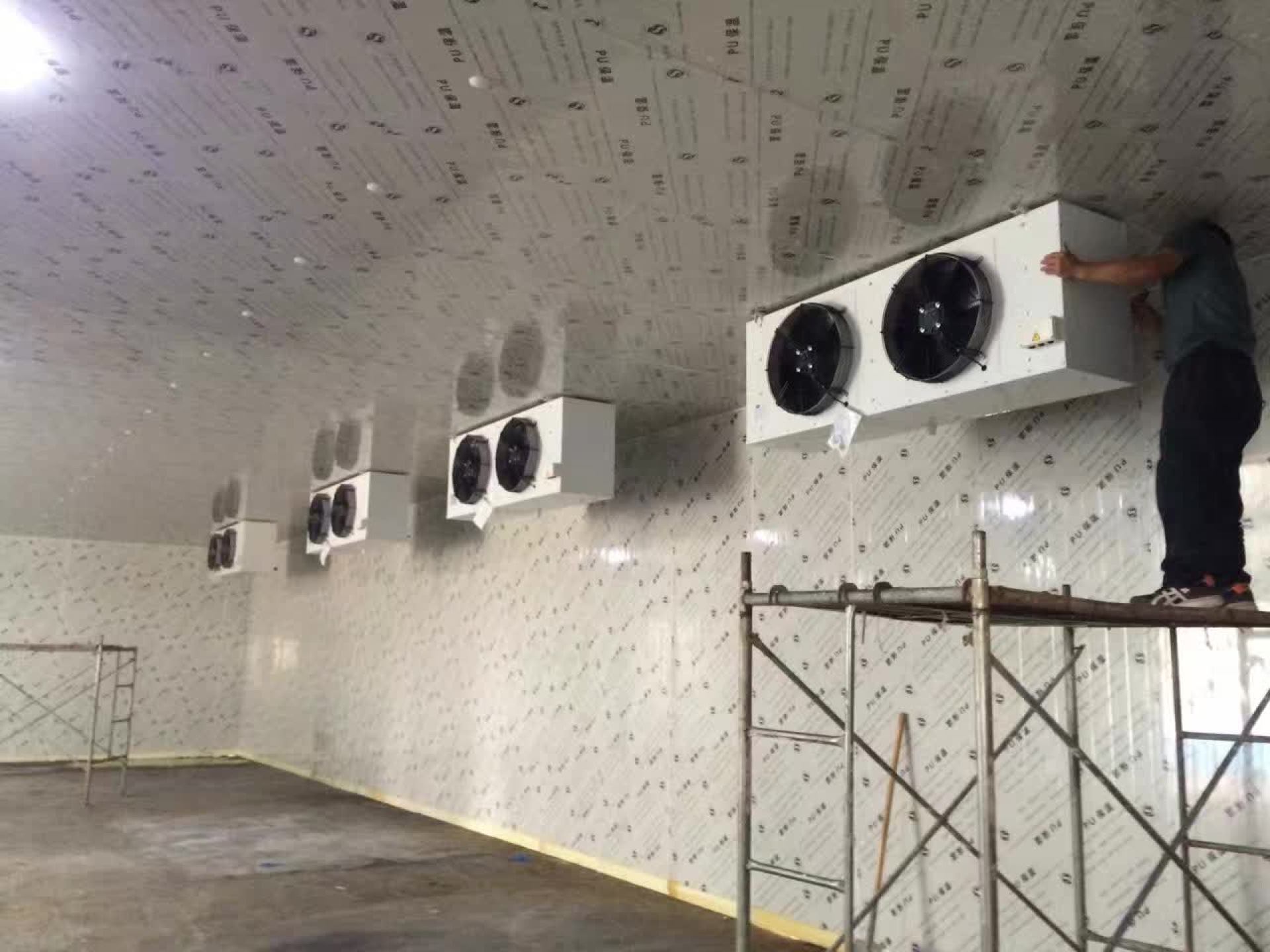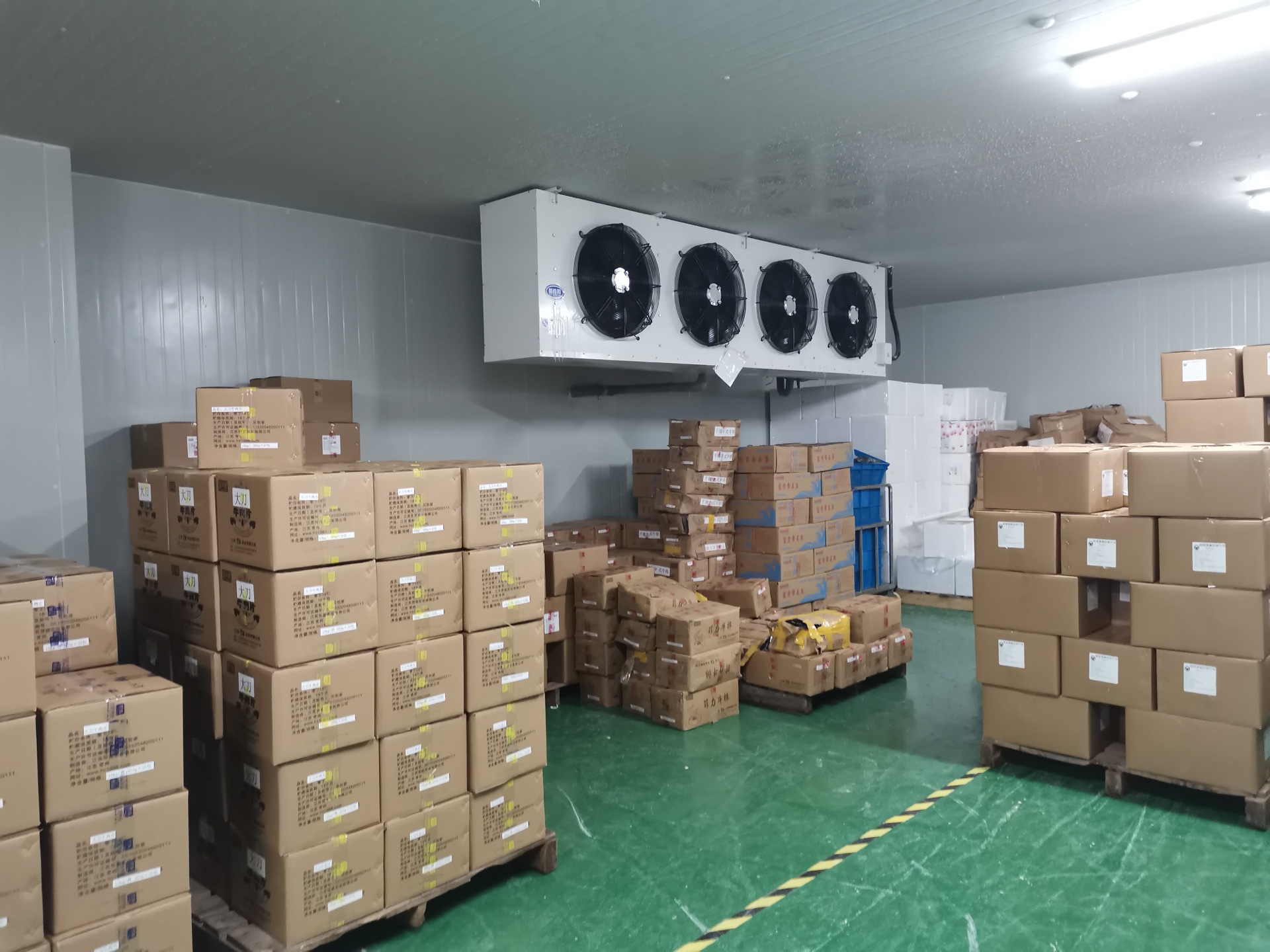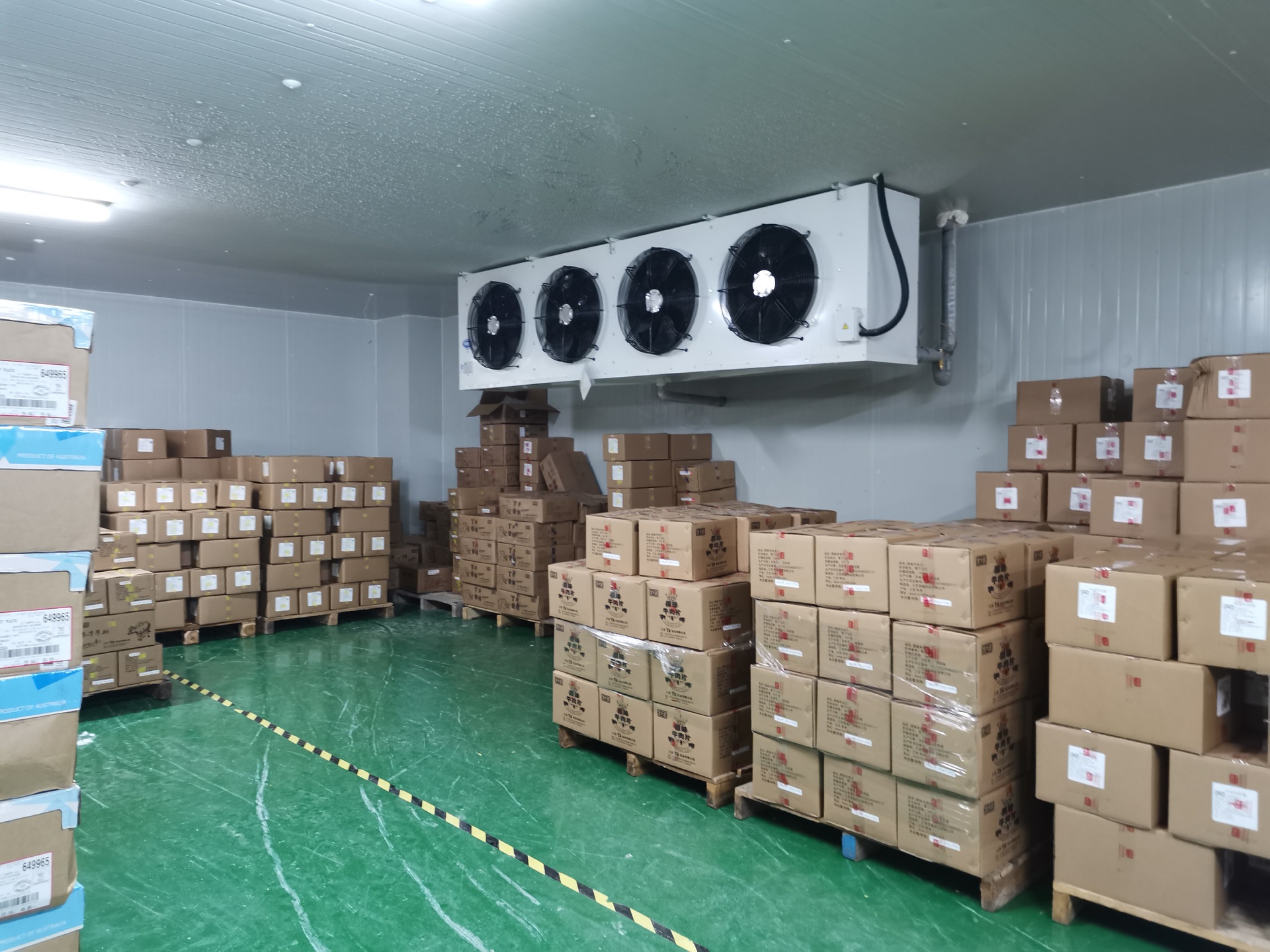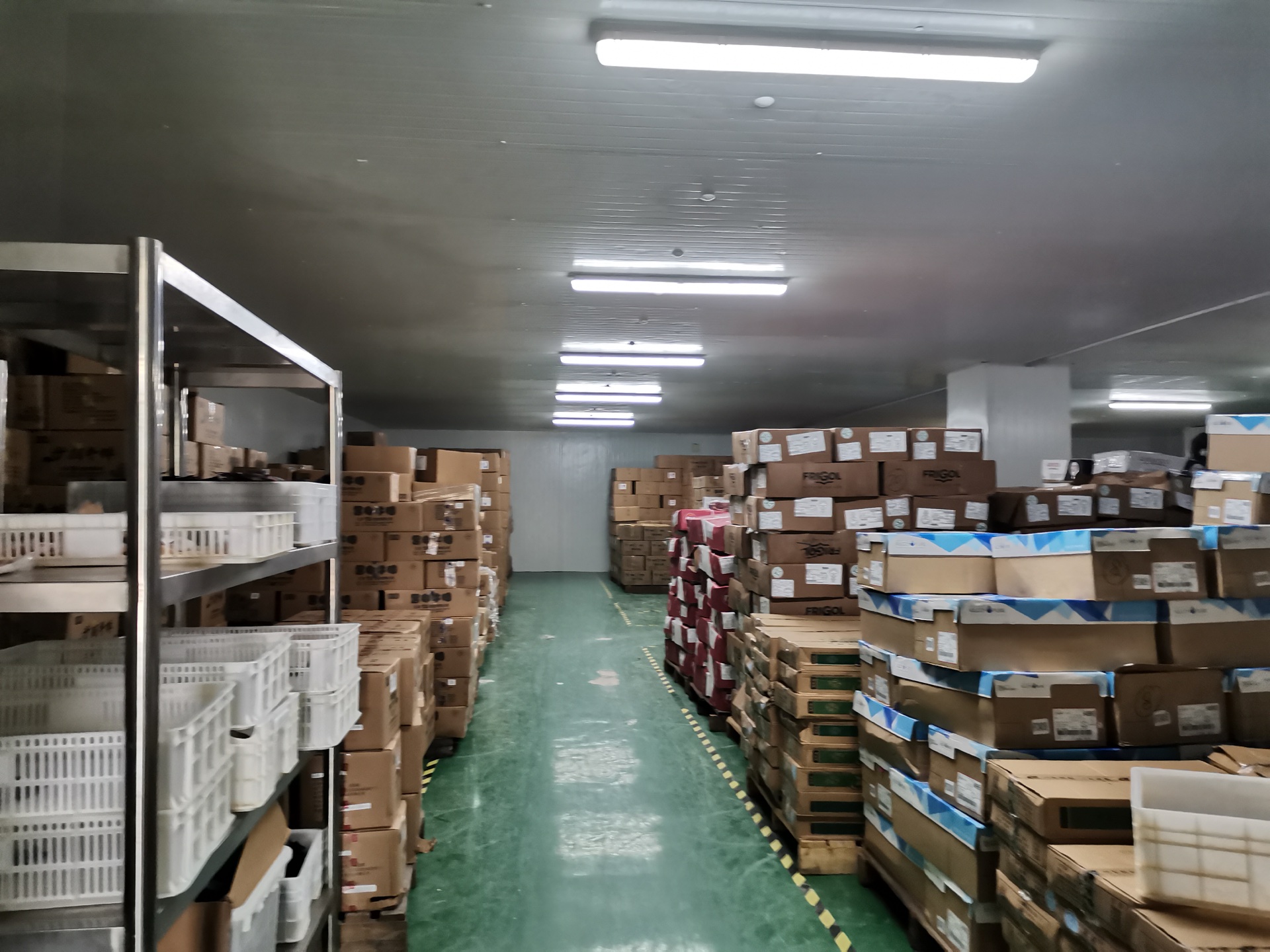
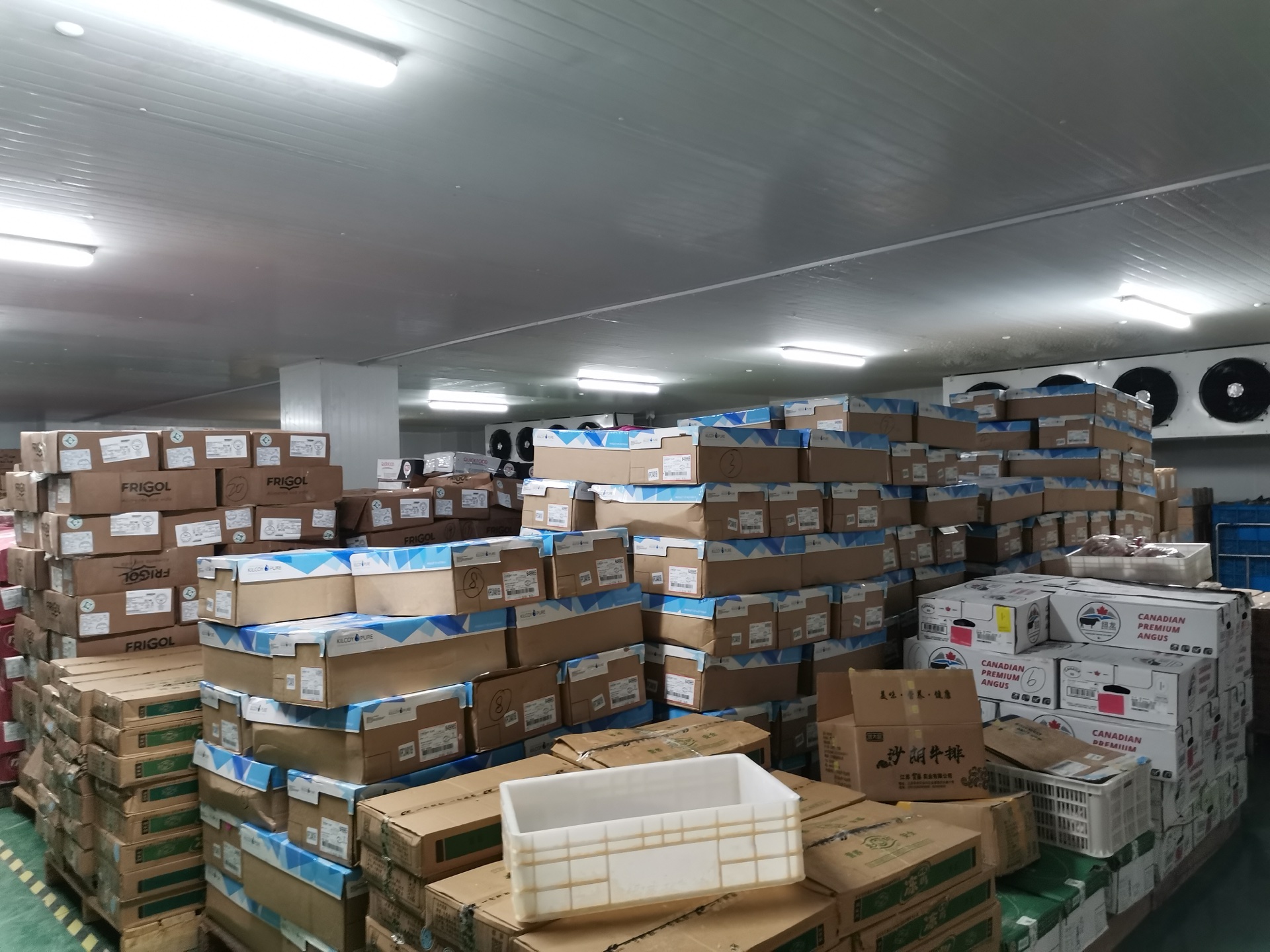
Ambient design data is the starting point for a reliable cold room load calculation. The cold room does not operate in a vacuum. Outdoor temperature, humidity, surrounding room temperature, door exposure, sun load, loading dock condition, and condenser environment all influence the final refrigeration duty. If the ambient data is too mild, the equipment may look suitable on paper but struggle during the hottest operating period.
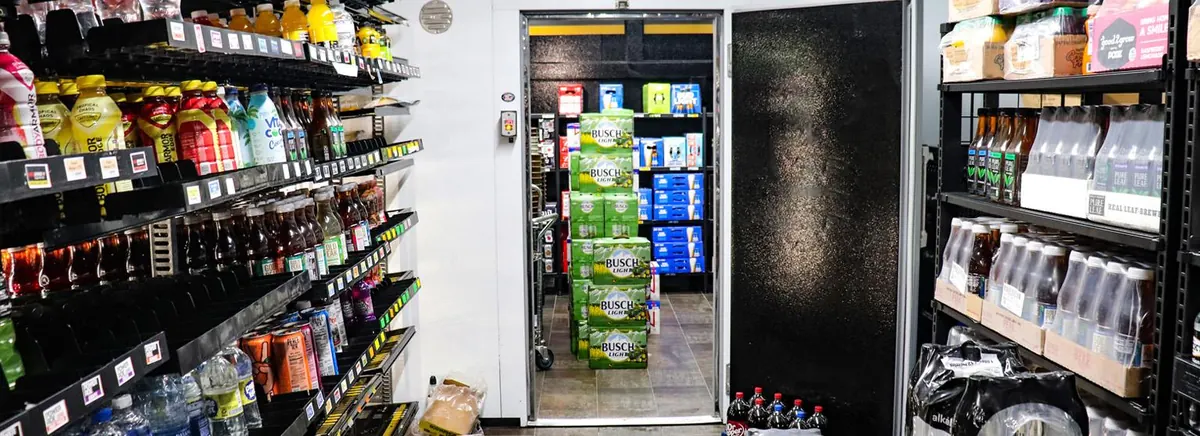
JiangNan asks for site climate and installation environment before confirming cold room design. This is especially important for Saudi Arabia and other high ambient markets, where door infiltration, condenser pressure, panel heat gain, and machine room ventilation can become the limiting factors. Good engineering begins by defining the outside condition honestly.
Cold Room Load Calculation Overview
| Item | Engineering Direction |
|---|---|
| Topic | Ambient design data for cold room load calculation |
| Application | Cold rooms, freezer rooms, processing rooms, blast freezer rooms, export projects |
| Main purpose | Define the external condition used for refrigeration and envelope design |
| Key data | Outdoor dry bulb, relative humidity, wet bulb, dew point, adjacent room temperature, door exposure |
| Main risk | Undersized condenser, condensation, slow pull-down, excessive frost, unstable room operation |
| JiangNan scope | Site data review, heat load basis, high ambient design coordination, commissioning guidance |
Engineering Scope
- Confirm outdoor design temperature and relative humidity for the project location.
- Review whether the room is indoor, outdoor, shaded, roofed, or connected to a loading dock.
- Identify adjacent rooms and their temperatures for internal wall heat transfer.
- Check door opening temperature and humidity, not only general outdoor weather.
- Coordinate condenser selection and machine room ventilation with the design ambient condition.
- Review dew point and condensation risk at panels, doors, pipes, and exposed metal parts.
Outdoor Temperature
Outdoor temperature affects heat transfer through walls, roof, and floor, and it affects refrigeration equipment that rejects heat outdoors. A high outdoor temperature increases the temperature difference across the cold room envelope. It can also raise condensing temperature, which reduces compressor performance and increases stress on the system.
The design should use a realistic hot-period condition, not a comfortable average. A cold room that handles product during the afternoon should be checked against the afternoon condition. JiangNan reviews climate data together with equipment location so the design matches the actual site.
Relative Humidity and Dew Point
Humidity matters because moisture entering the cold room becomes condensation, frost, or ice. High relative humidity combined with warm air can create heavy frost on evaporators and wet surfaces near doors. Dew point also helps identify condensation risk on pipe insulation, panel joints, door frames, and machine room surfaces.
For chilled rooms, condensation can damage packaging and create hygiene problems. For freezer rooms, moisture becomes ice on floors, coils, doors, and drains. The load calculation and entrance design should include humidity, not only temperature.
Adjacent Room Temperature
Not every cold room wall faces outdoor air. Some walls face processing rooms, corridors, freezers, chilled rooms, or machine rooms. The heat transfer calculation should use the temperature on the other side of each surface. A wall between a 0C room and a -20C room behaves differently from an external wall exposed to hot ambient air.
Adjacent room data also matters for condensation. If a cold surface faces a humid processing area, the outer surface may sweat unless insulation and vapor barrier are properly detailed. JiangNan asks for building layout before confirming panel and vapor barrier details.
Door Infiltration Condition
Door heat load should use the air condition outside the door. If the door opens to a chilled corridor, the load is lower. If it opens to a hot loading dock, the load is higher. If it opens directly outdoors, wind, sun, and humidity may add more disturbance.
Door opening frequency, door size, air curtain, strip curtain, fast door, ante-room, and forklift traffic all affect infiltration. In high ambient projects, door design often has as much practical impact as panel thickness.
Condenser and Heat Rejection
The refrigeration system must reject heat to the surrounding environment. Air-cooled condensers depend on outdoor air temperature and airflow. Water-cooled or evaporative systems depend on water and wet bulb condition. Machine room ventilation affects equipment that is installed indoors.
If the condenser is installed in a tight yard, under a low roof, or near another heat source, the local ambient around the condenser may be hotter than published climate data. JiangNan reviews condenser placement to avoid hot air recirculation and poor service access.
Floor and Ground Condition
Floor heat gain depends on what is below the cold room. A floor over soil, a ventilated void, another room, or an elevated structure will behave differently. For freezer rooms, frost heave prevention and underfloor condition should be reviewed. Ground temperature and moisture can affect the floor design.
The ambient data form should record whether the floor has ventilation, heating, insulation, vapor barrier, or existing slab constraints. This helps JiangNan coordinate panel and floor insulation details.
High Ambient Temperature Notes
Saudi Arabia and similar markets need special attention. Outdoor design temperature, door exposure, condenser selection, shade, airflow clearance, and control panel protection should be checked together. A project may need larger heat rejection equipment, better loading corridor design, thicker insulation, or improved door control depending on operation.
High ambient design should not be treated as a single number. The full site arrangement decides how the cold room behaves.
Related Resources
- Modular Cold Room – related JiangNan product and project information.
- Heat transfer – external reference for basic technical background.
FAQ
Is outdoor temperature enough for load calculation?
No. Humidity, adjacent room temperature, door exposure, floor condition, and condenser environment are also important.
Why does humidity affect a freezer room?
Warm humid air brings moisture that freezes on coils, doors, drains, floors, and product surfaces.
Should door load use outdoor air condition?
Only if the door opens to outdoor air. If it opens to a corridor or loading dock, that zone condition should be used.
What is the risk of mild ambient data?
The system may recover slowly, trip on high pressure, form excess frost, or fail to hold temperature during hot operation.
What does JiangNan need?
Project location, outdoor design temperature, humidity, door exposure, adjacent room temperatures, floor condition, and condenser location are needed.
Request a Project Review
Send JiangNan your site location, room layout, door locations, adjacent room conditions, and condenser position. We will review the ambient design data before load calculation and equipment selection.