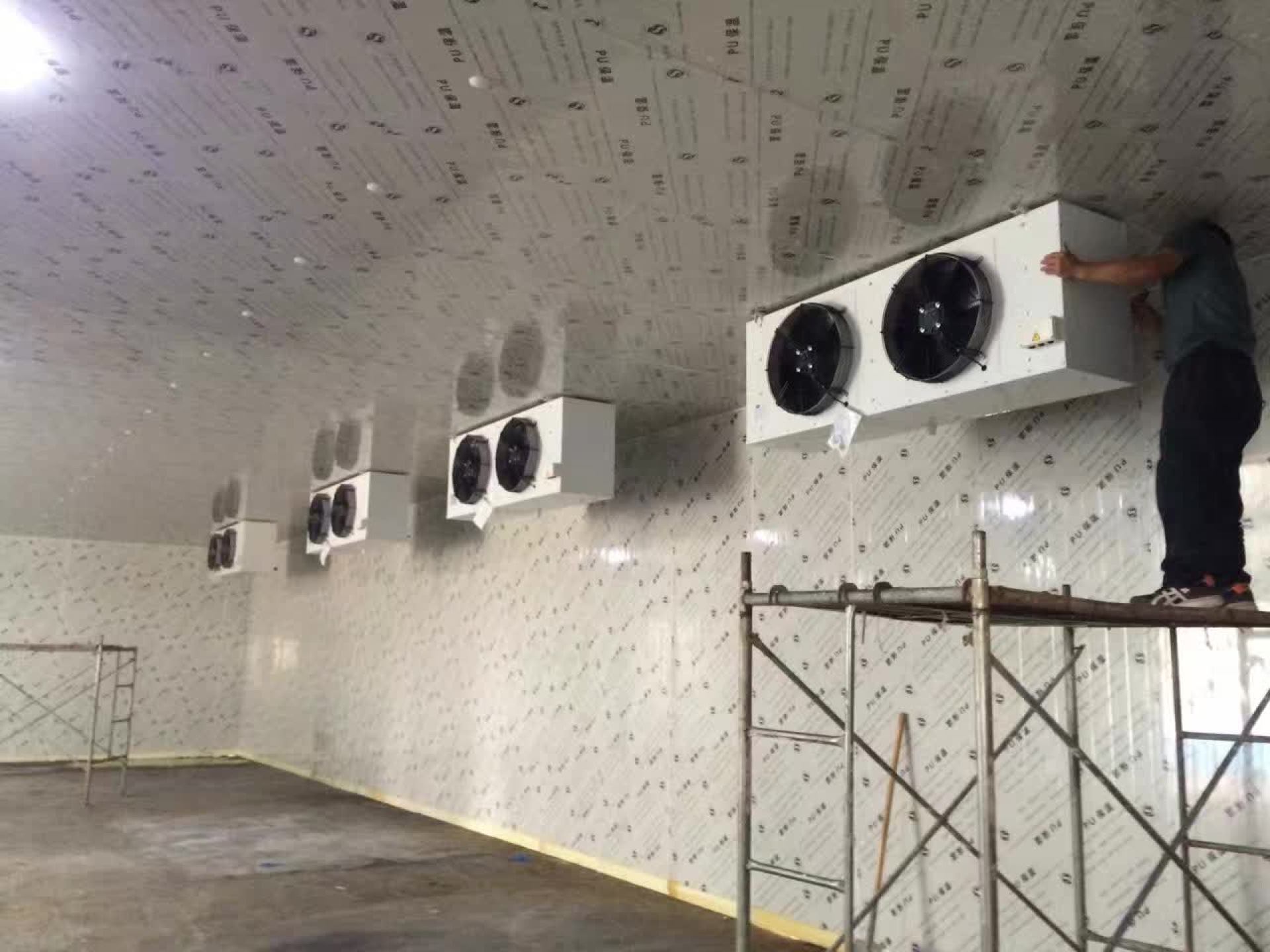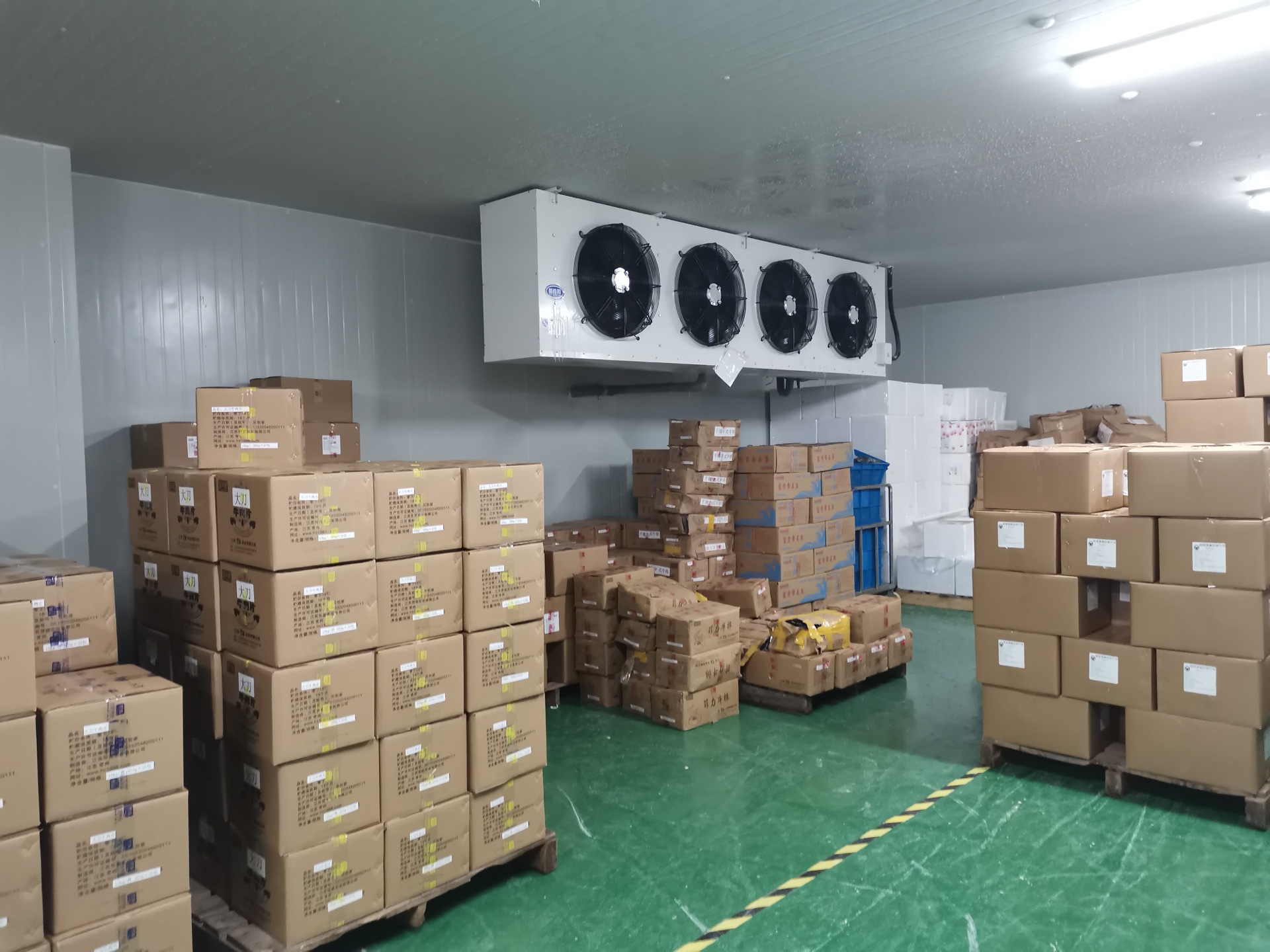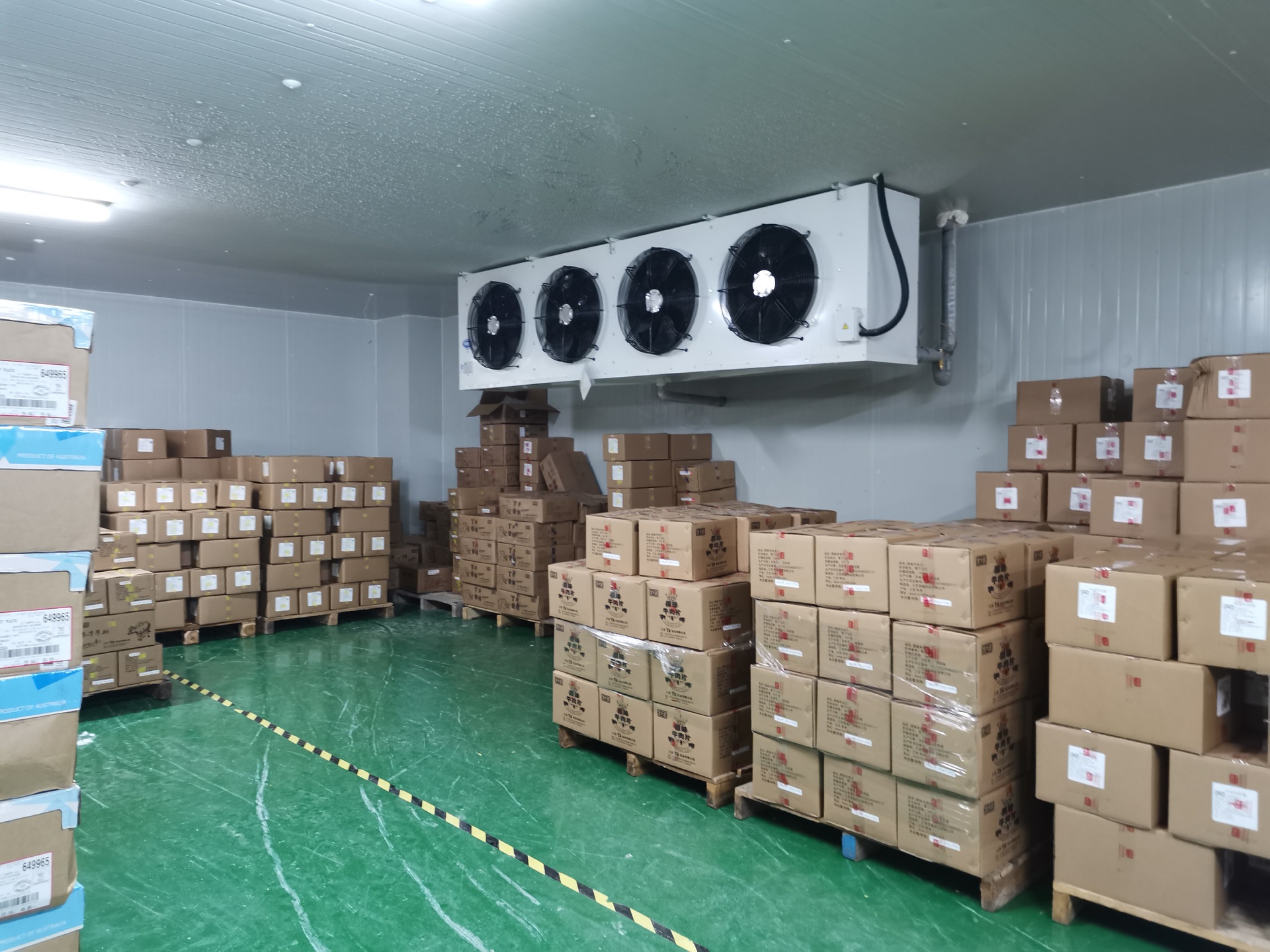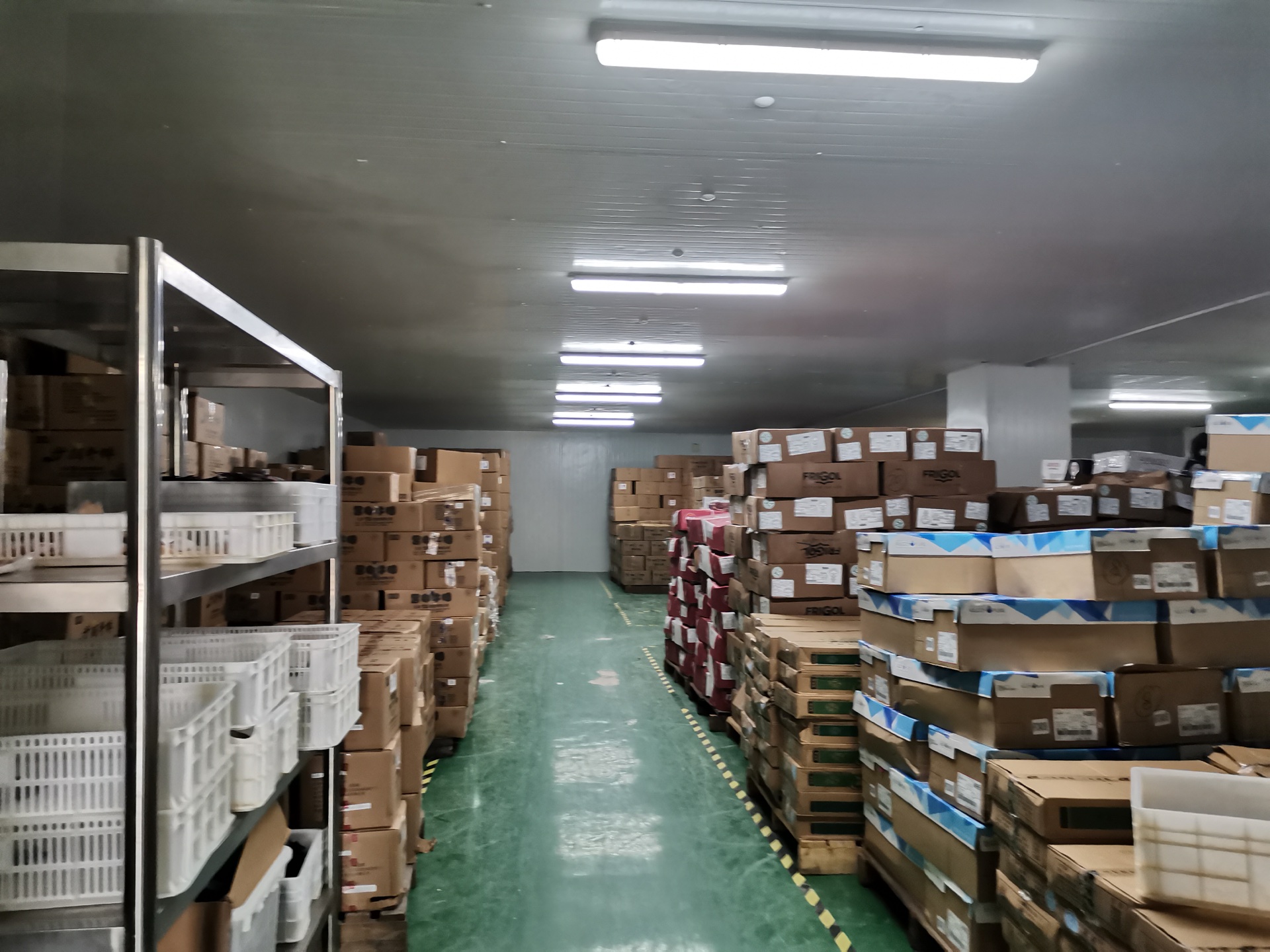
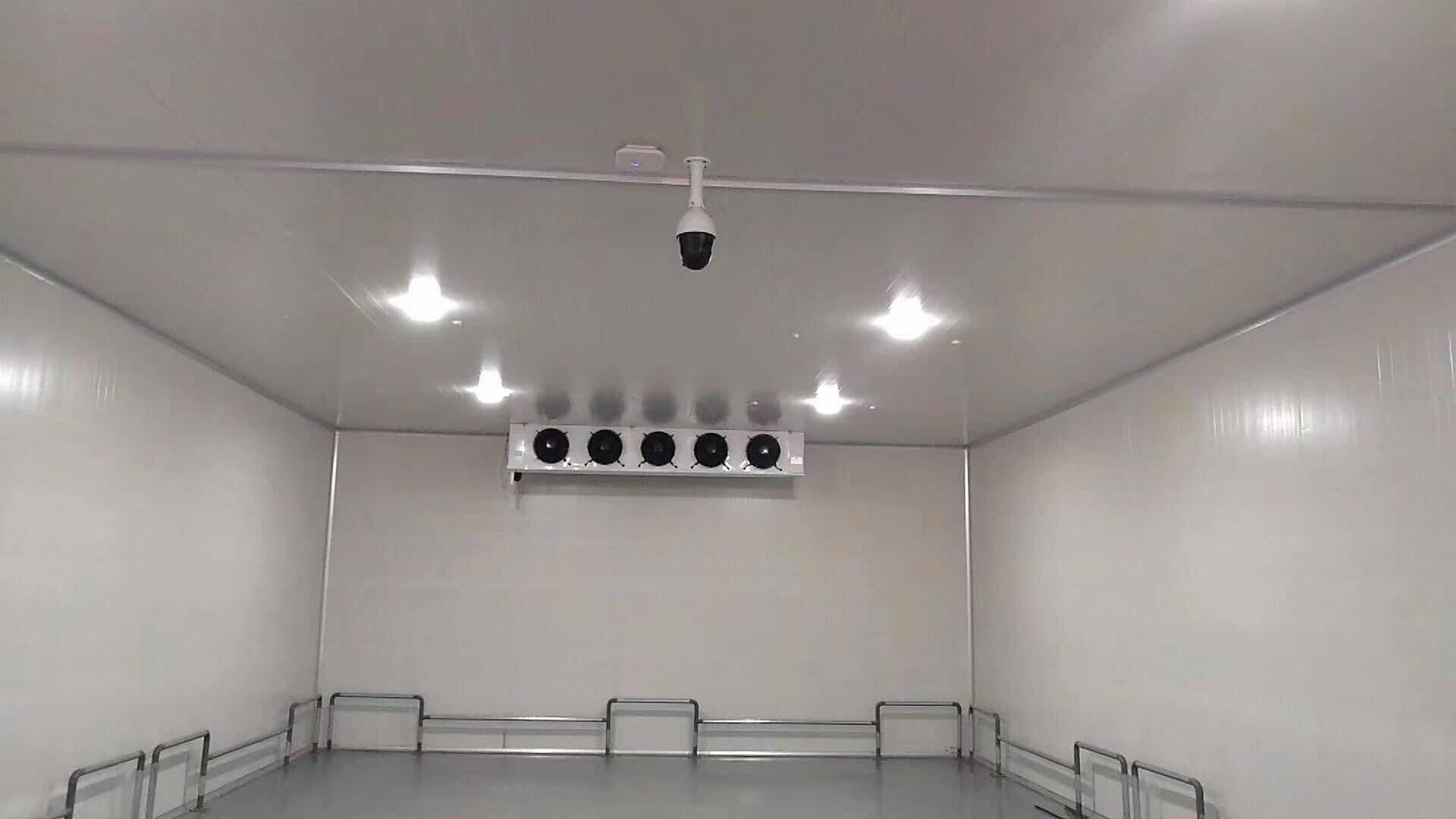
For Cold Room Panel Penetrations, JiangNan reviews insulation, refrigeration, doors, installation conditions, and project details before recommending a cold room solution. Every pipe, drain, cable, hanger, or sensor that passes through a cold room panel creates a potential weakness in the envelope. The panel may be well insulated, but a poorly sealed penetration can allow warm humid air to enter, create condensation, form ice, damage insulation, or break gas tightness. For freezer rooms and high humidity rooms, small openings can become large service problems.
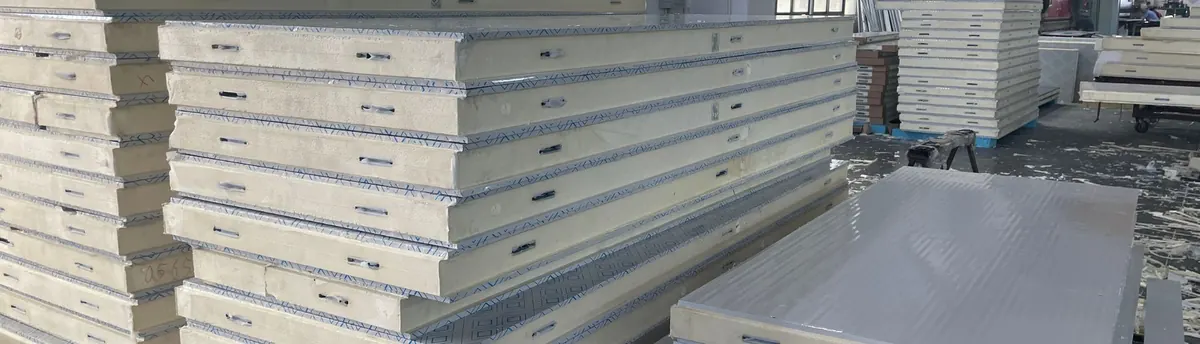
JiangNan plans panel penetrations as part of the cold room engineering package. The opening should be located correctly, sized for the pipe and insulation, protected with a sleeve where required, sealed on both sides, and inspected before operation. A penetration is not only a hole through a panel; it is a thermal, moisture, and installation interface.
Cold Room Panel Penetrations Overview
| Item | Engineering Direction |
|---|---|
| Topic | Cold room panel penetrations for pipes and drains |
| Application | Refrigerant lines, drain lines, electrical cables, sensors, gas lines, hangers |
| Main purpose | Maintain insulation and vapor barrier where services pass through panels |
| Key details | Planned hole location, sleeve, insulation clearance, sealant, foam filling, cold bridge control |
| Main risk | Air leakage, condensation, ice, crushed insulation, pipe stress, damaged panel skin |
| JiangNan scope | Opening coordination, laser cutting support, sealing detail, installation guidance |
Engineering Scope
- Confirm all pipe, drain, cable, and sensor penetration locations before panel production where possible.
- Size openings for the pipe plus insulation, not only the bare pipe.
- Use sleeves or protective collars where wall or floor conditions require them.
- Seal gaps with suitable insulation and vapor barrier treatment.
- Avoid placing welded or brazed joints inside sleeves or hidden panel thickness.
- Inspect penetrations after pressure testing, insulation, and final sealing.
Why Penetration Planning Matters
Unplanned site holes are common sources of leakage. Installers may cut openings after panels are installed because the pipe route was not coordinated earlier. If the opening is too small, insulation is crushed. If it is too large, sealing becomes difficult. If it is in the wrong location, the pipe may be forced into position and create stress.
JiangNan prefers to review equipment layout, pipe route, drain route, control cable route, and sensor locations before panel production. When openings are planned, they can be cut more accurately and sealed more consistently.
Pipe Openings
Refrigerant pipe openings should allow space for insulation and vapor barrier. The pipe itself should not touch the panel skin directly in low temperature service. Direct contact can create a cold bridge and condensation on the warm side. Pipe movement and vibration should also be considered.
The pipe joint should not be hidden inside the panel penetration. Brazed joints, flare joints, valves, and service fittings should remain accessible for inspection and leak checking. The penetration should be sealed only after pressure testing confirms tightness.
Drain Line Openings
Drain lines need slope, insulation, and freeze protection where required. The panel opening should not force the drain pipe to lose slope. In freezer rooms, drain lines may need heaters or routing through warmer spaces. The penetration should also prevent warm air from traveling along the pipe path into the cold room.
A drain opening can become an air leakage path if it is not sealed. This is especially problematic in controlled atmosphere rooms and freezer rooms. JiangNan coordinates drain details with evaporator location and floor drainage design.
Electrical and Sensor Penetrations
Electrical cables and sensors should pass through sealed conduits or sleeves. Conduits can carry air if not sealed internally, so sealing only the outside may not be enough. Sensor cables should be protected from mechanical damage and should not be routed with high power cables where interference is possible.
For temperature-sensitive rooms, sensor position matters as much as cable sealing. A sensor penetration should not force the sensor into a poor location near doors, fan discharge, heaters, or lights.
Sleeve and Sealant Detail
Sleeves protect the panel edge and provide a stable sealing surface. The sleeve should not become a structural support for the pipe unless designed for that purpose. The gap between sleeve and pipe insulation should be filled with suitable insulating material and sealed to maintain vapor barrier.
Sealant should be compatible with panel facing, insulation, temperature, and cleaning condition. In food rooms, the finish should also be cleanable. JiangNan reviews sealant and trim details according to application.
Cold Bridge Control
A cold bridge occurs when a conductive path allows heat to bypass insulation. Metal pipe supports, sleeves, hangers, and collars can create cold bridges if installed poorly. This may show as condensation, frost, or dripping on the warm side of the panel.
Cold bridge control requires insulation continuity. Pipe supports should not crush insulation, and metal parts should be isolated where necessary. For high ambient and humid locations, cold bridge prevention becomes more important.
Inspection and Commissioning
Panel penetrations should be inspected before the room is pulled down. The inspection should check hole size, sealing, insulation continuity, pipe support, drain slope, cable sealing, and any visible gaps. During pull-down, frost or condensation around a penetration indicates a problem that should be corrected.
Related Resources
- Cold Room Panel – related JiangNan product and project information.
- Sandwich panel – external reference for basic technical background.
FAQ
Should openings be sized for bare pipe or insulated pipe?
They should be sized for the pipe with insulation and sealing allowance where insulation passes through the panel.
Can a pipe joint be inside the panel?
It should be avoided. Joints should remain accessible for leak checking and future service.
Why seal conduits internally?
A conduit can carry warm humid air through the panel if the inside path is open.
What is the main risk of poor drain penetration?
Loss of slope, air leakage, ice formation, and condensation around the opening are common risks.
What does JiangNan need?
Pipe route, drain route, cable route, sensor list, panel thickness, room temperature, and installation drawings are needed.
Request a Project Review
Send JiangNan your service penetration list and cold room panel layout. We will review pipe, drain, and cable openings before production and installation.