Cold Room Setup: Practical Steps for Commercial Cold Storage Projects
A cold room can be mechanically complete while the business is still unprepared to use it. Shelving may be undecided, the first delivery may be larger than expected, or nobody may know who receives an alarm after closing time. Setting up the operation closes that gap between installed equipment and controlled daily use.
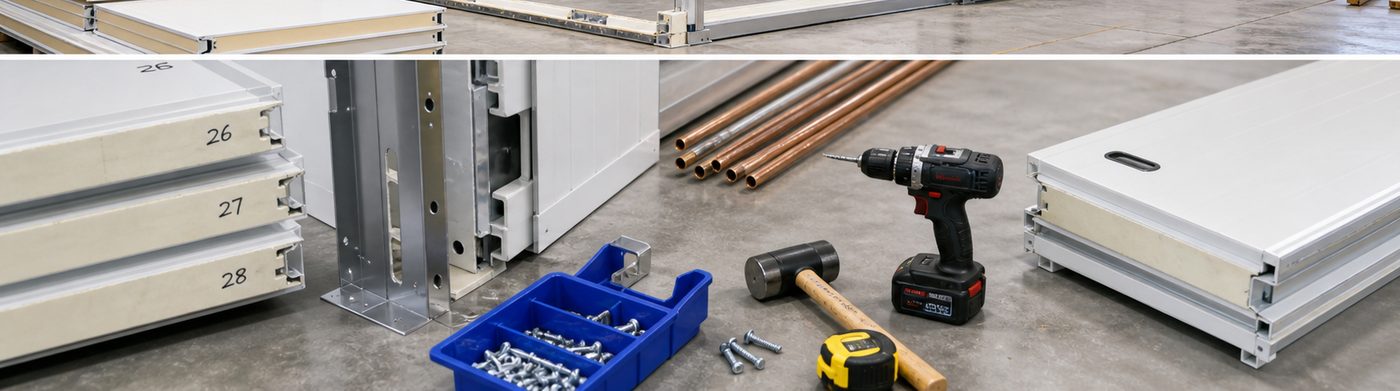
Assign an operations owner before the planned opening date. This person should coordinate the warehouse or kitchen team, the responsible quality staff and the installation team so that the room is introduced with a clear routine.
Define what the room is authorised to hold
Create a product list stating the approved storage conditions, packaging, stock status and expected turnover. Decide how incoming goods, accepted stock, returns and items awaiting a decision will be identified. Do not leave these categories to whatever space is available on delivery day.
If the business plans several uses, document them separately. A room intended for holding prepared stock may have a different operating brief from one expected to receive warm product. Ask the responsible designer to review any duty that differs from the approved equipment specification.
Turn the drawing into a working storage plan
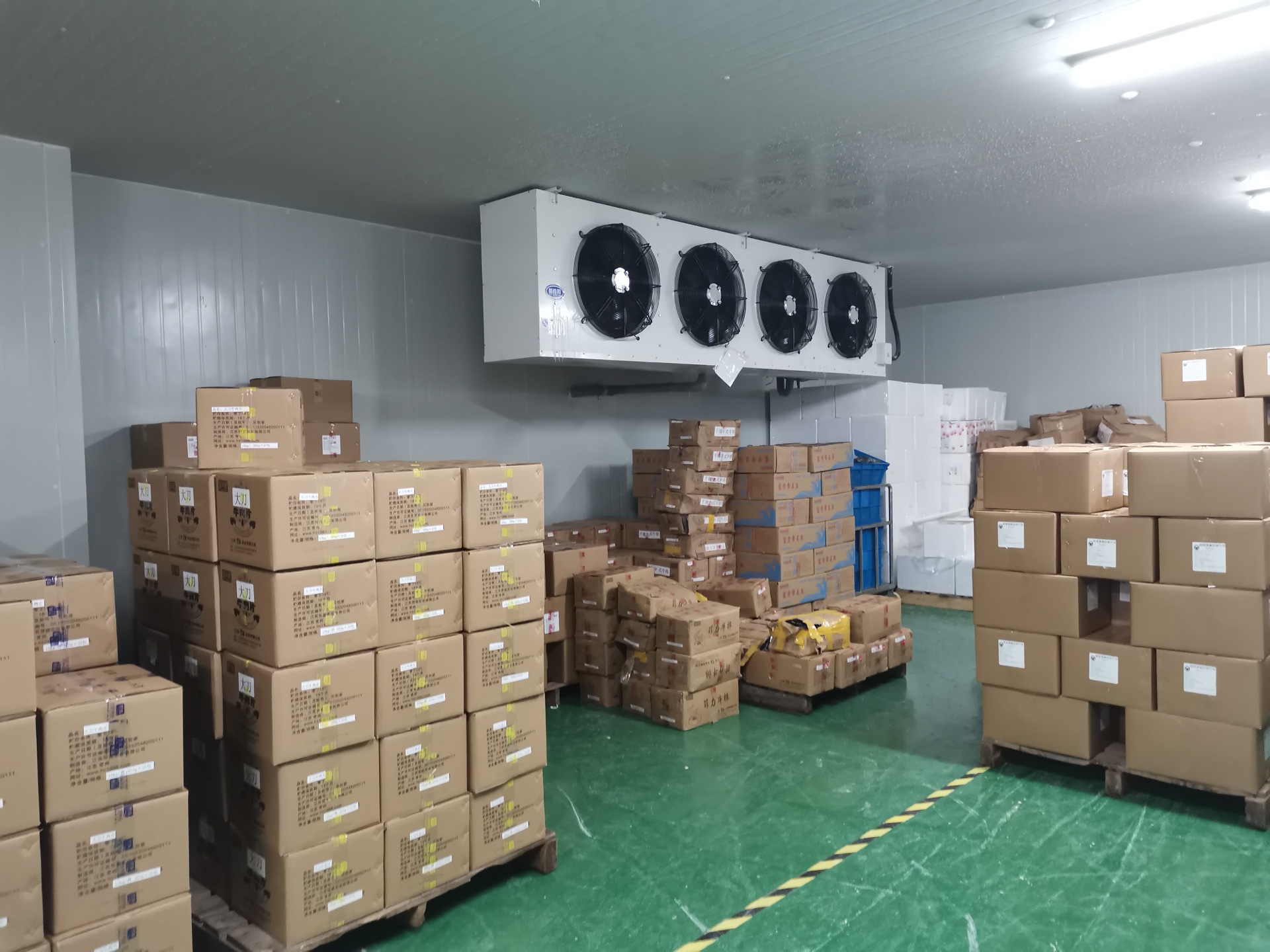
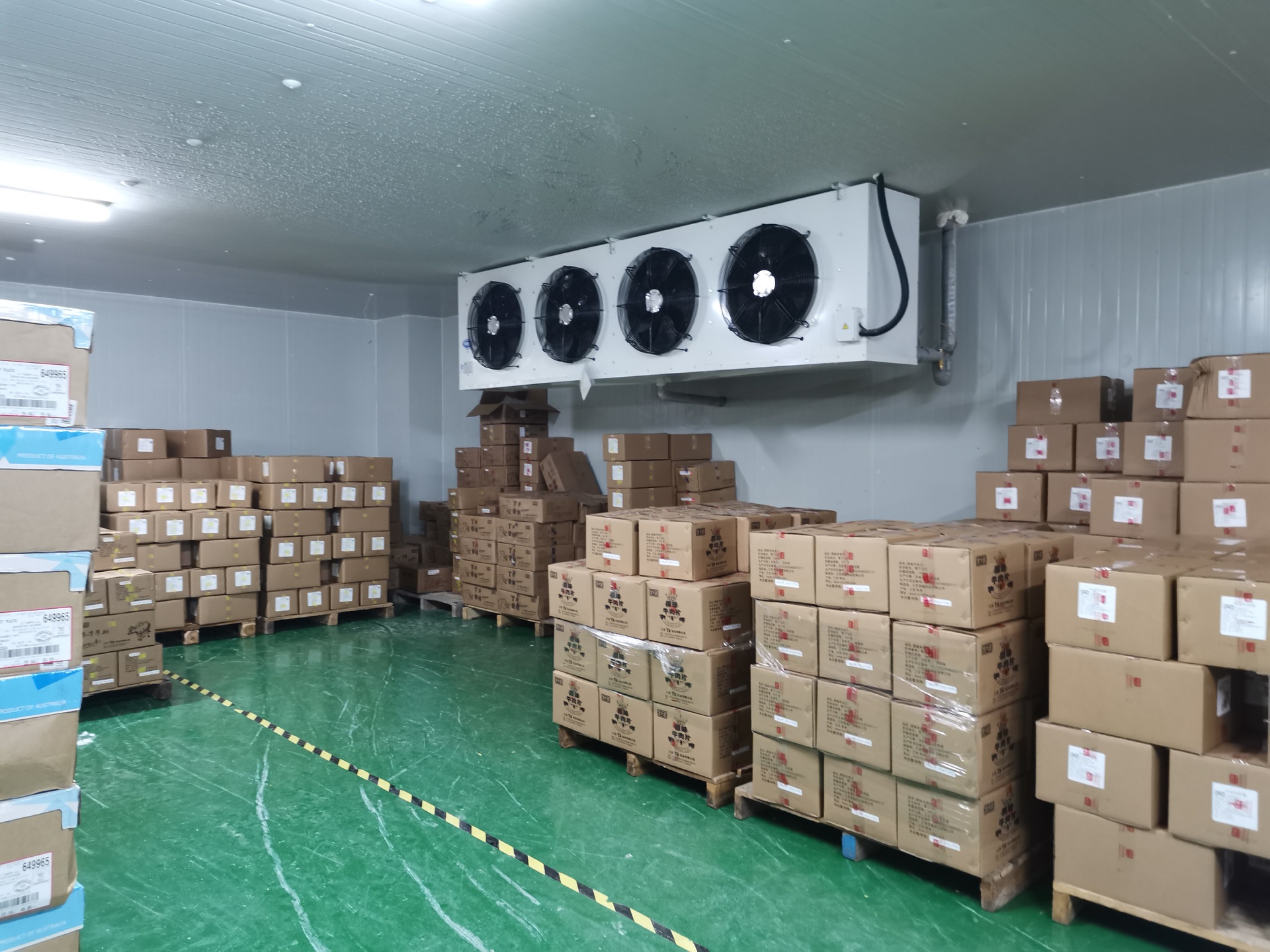
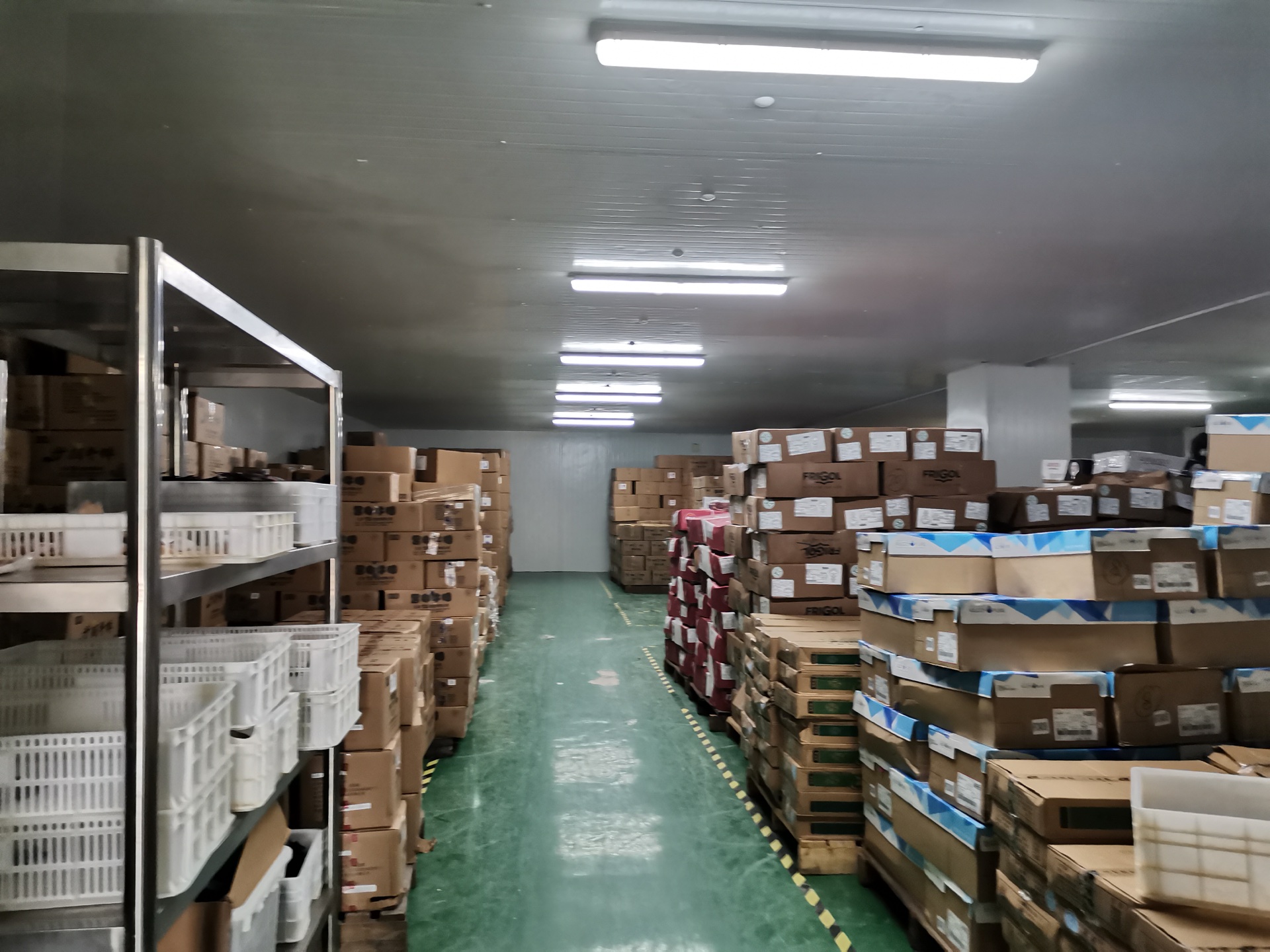
Mark shelves, pallet positions, aisles and equipment clearances on a plan that staff can understand. Allocate frequently used stock where it can be reached without disrupting unrelated goods. Identify locations that must remain clear for access, operation or maintenance.
Use the dimensions of actual crates and handling equipment when arranging storage. Label positions consistently so that a new operator can follow the same put-away and picking method. Stock rotation becomes easier when the location system supports it rather than relying on individual memory.
Write short operating instructions
Prepare instructions for receiving, put-away, picking, cleaning and end-of-shift checks. Keep each instruction tied to an observable action and a responsible role. The aim is a routine that staff can apply during a busy period, not a manual that remains in an office.
- Receiving: required checks and the route for questionable deliveries.
- Storage: permitted locations and the agreed loading arrangement.
- Door use: normal operation and the provided internal release functions.
- Cleaning: approved method, access and return-to-use decision.
- Shift handover: information the next operator needs to know.
Equipment instructions should remain available alongside these local procedures. Operators need to recognise which actions they may perform and which issues should be referred to service personnel.
Assign alarm and exception ownership
Determine who observes the room during operating hours and who responds outside them. Check that contact details are current and that responsibilities continue during leave or shift changes. An alarm notification is only useful when someone knows what to do with it.
Agree on the process for power interruption, equipment unavailability, blocked access or a product-condition concern. Identify where stock can be moved if the responsible team decides that relocation is necessary. The alternative must be approved for the goods; an empty room is not automatically an acceptable backup.
Review readiness before the first commercial load
Confirm that installation and agreed commissioning records have been accepted. Check access to controls, manuals and component identification. Verify that the planned shelving and storage positions correspond to the approved layout, and that staff have received the relevant operating instruction.
Coordinate the first delivery with the operations owner. Record what was received and how it was arranged, along with the observations required by the approved procedures. A staged introduction can help the team identify handling problems before the room is used at the busiest planned level.
Use early operating feedback
After the initial operating period, ask staff which movements are difficult and which instructions are unclear. Review unnecessary waiting, misplaced stock, obstructed service access and repeated door-use problems. Record proposed changes and check whether they affect the equipment’s approved loading or operating assumptions.
A shelf movement may seem minor but can alter access or the intended arrangement around equipment. Keep the storage plan current and make changes through the person responsible for the room. When the product mix or delivery pattern changes significantly, request a design review.
What should be requested before handover?
Ask for the agreed operating documents, commissioning records, equipment references and support contacts. Use the installation coordination guide to define that handover earlier in the project.
What if the room is still at the planning stage?
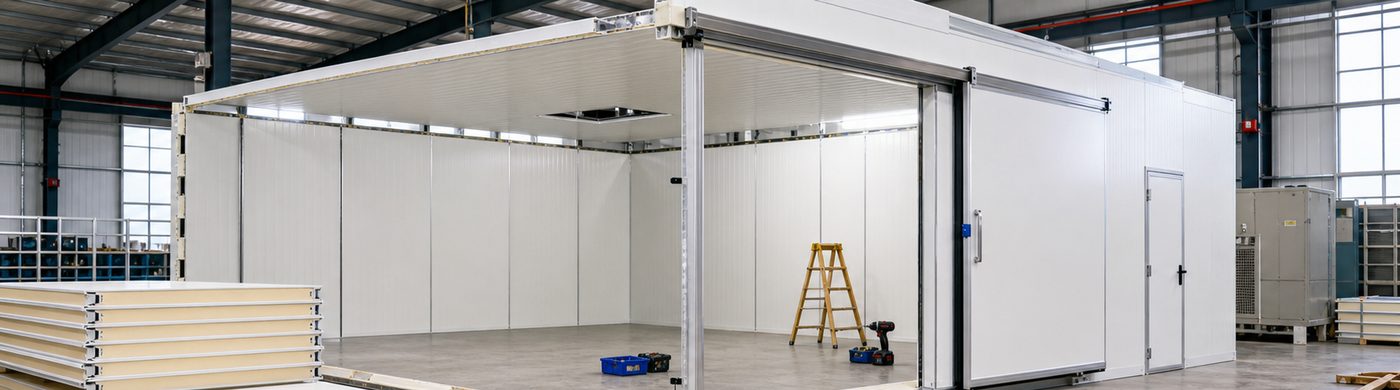
Begin with the intended operation and choose the enclosure around it. Compare walk-in cold rooms or modular configurations, then send your storage plan and duty for a quotation with clear supply boundaries.