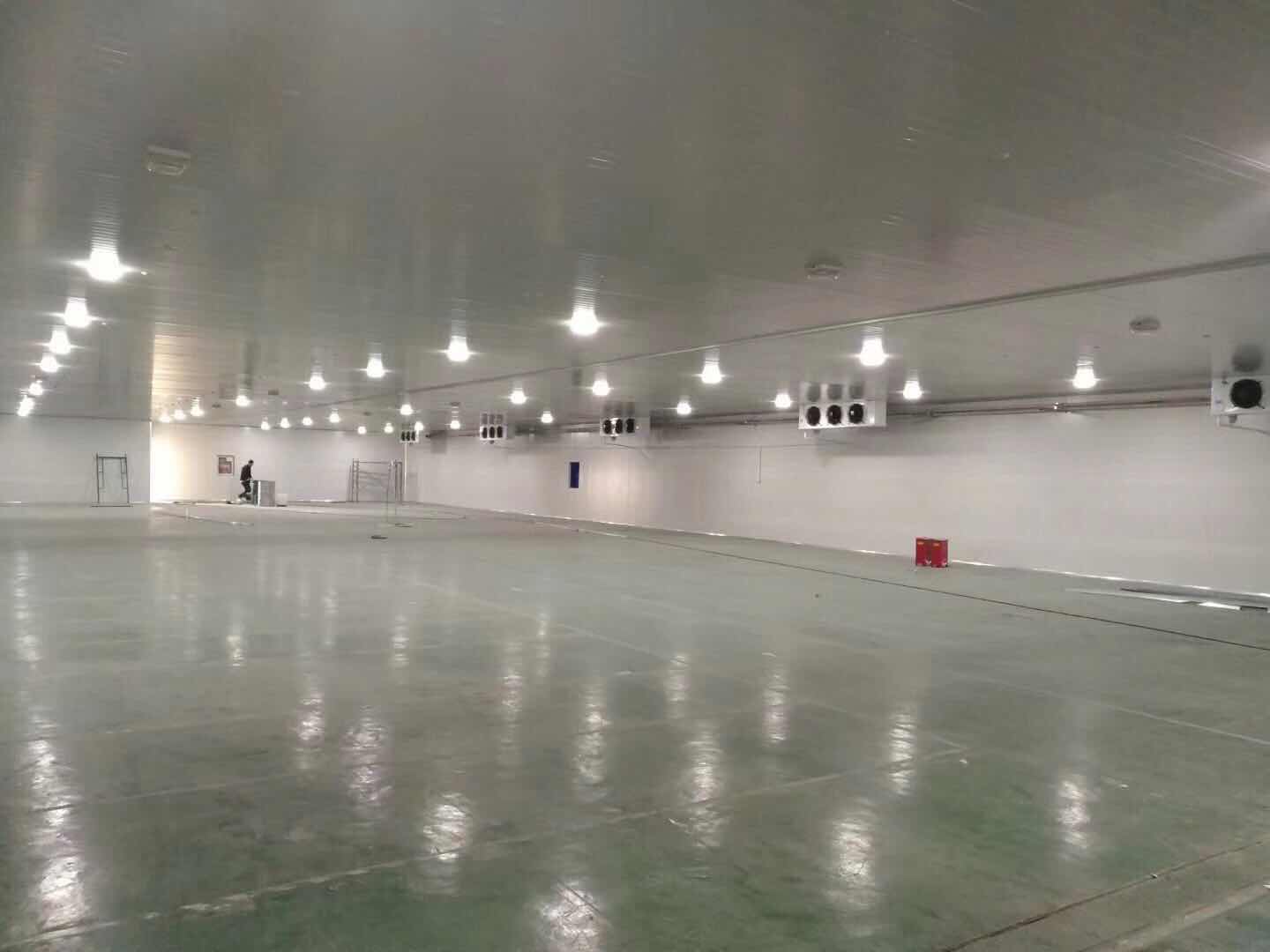
This guide explains how to select a cold room sliding door, define the clear opening size, and prepare the site before installation. It is for buyers and installers checking pallet or trolley access, panel thickness, track support, sealing and heater requirements before issuing a door schedule.
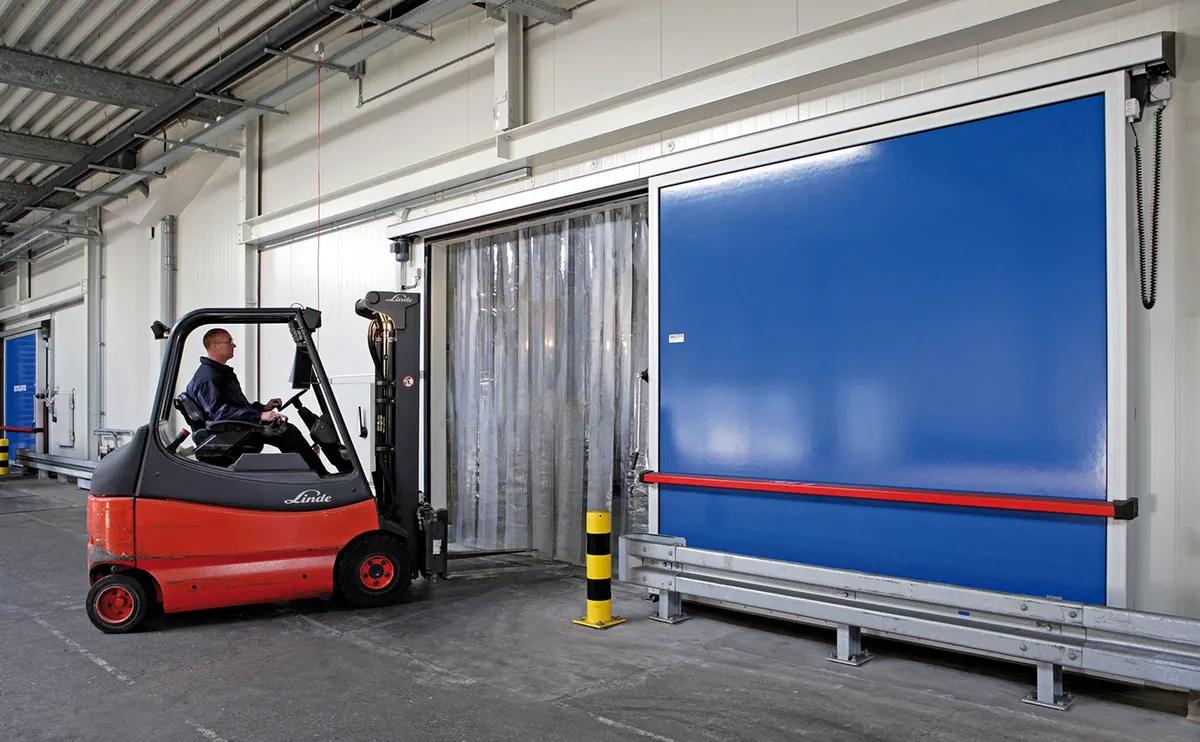
Use the checks below to prepare your enquiry. For available configurations and a quotation, see the sliding cold room door product page. Final door, frame and track dimensions should follow the approved project drawing.
Selection Checklist at a Glance
| Item | Engineering Direction |
|---|---|
| Product | Cold room sliding door |
| Application | Chiller rooms, freezer rooms, blast freezer rooms, warehouses |
| Traffic type | Pallets, trolleys, forklifts, wide product movement |
| Key concern | Sealing, frame heating, hardware strength, easy operation |
| Temperature use | Chilled and frozen applications by project |
| Supply support | Door, frame, hardware, heater, packing, installation guidance |
Components to Confirm in the Door Schedule
- Insulated sliding door leaf selected by temperature and opening size.
- Door frame and track system matched to panel wall construction.
- Low-temperature gasket and sealing detail for freezer applications.
- Frame heater or heating wire where anti-freezing is required.
- Emergency release and safety hardware for low-temperature rooms.
- Export packing with hardware and installation accessories.
When to Use a Sliding Door
Cold room sliding doors are suitable for rooms where product movement is frequent or the door opening needs to stay clear. They are common in frozen warehouses, seafood freezer rooms, meat processing rooms, blast freezer rooms, and logistics cold storage.
Compared with hinged doors, sliding doors reduce swing space and are easier for wider openings. The track, rollers, handle, gasket, and frame must be selected for the door weight and operating temperature.
Engineering Review Method
JiangNan reviews sliding door selection from the opening and traffic method first. The key information includes clear opening width and height, panel thickness, room temperature, traffic type, forklift or trolley size, operation frequency, floor condition, voltage for heaters, and whether the door is installed in a wet or high ambient area.
A sliding door should not be selected only by opening size. Door weight, track support, gasket compression, frame sealing, heater routing, emergency release, and impact protection all affect performance. For freezer rooms, small installation errors can become visible quickly as frost, hard movement, or air leakage.
Door Leaf, Frame, and Track Structure
The door leaf should match the room temperature and opening size. Larger openings need stronger structure and hardware because the door weight increases. The frame must connect cleanly with the insulated panel wall so the opening remains sealed and mechanically stable.
Track alignment is especially important. If the track is not level, the door may not close smoothly or may lose sealing pressure over time. JiangNan reviews door structure, track support, roller selection, and frame connection as one assembly rather than separate parts.
Ambient Temperature Consideration
In high ambient markets such as Saudi Arabia, warm air entering through the door can create condensation, frost, and temperature fluctuation. Door sealing, opening time, air curtain or strip curtain selection, and traffic discipline all affect cold room performance.
The refrigeration system should also account for door opening frequency. A good door helps reduce heat gain, but it does not remove the need for proper refrigeration calculation.
Sealing and Anti-Frost Details
Door sealing is one of the main reasons to use a proper cold room sliding door instead of a general industrial door. The gasket should make reliable contact when the door is closed. The frame, threshold, and side sealing areas must be aligned so warm air does not enter through small gaps.
For freezer applications, frame heating or heating wire may be required to reduce freezing around the door frame. Heater routing, voltage, cable protection, and connection position should be confirmed before installation. Poor heater installation can lead to icing, hard opening, and gasket damage.
How to Specify the Clear Opening Size
Record the required unobstructed width and height from the finished floor level. Clear opening size, structural wall opening and door leaf size are different dimensions; confirm each on the supplier’s drawing. Include panel thickness, threshold detail and the supporting structure.
Check the largest loaded pallet, trolley or forklift passing through, including its turning route and the clearance required by the site. Measure side space for the door travel and headroom for the track. Do not assume a standard allowance without checking the selected door assembly.
Door Recommendation
For chiller rooms, a standard insulated sliding door may be suitable depending on temperature. For freezer rooms, JiangNan recommends low-temperature gaskets, frame heating, reliable closing pressure, and emergency inside release.
For heavy traffic, stronger track hardware and impact protection around the door opening should be considered.
Traffic, Impact, and Safety
Cold room doors in warehouses and processing plants are often exposed to forklifts, pallets, carts, and frequent operation. Impact protection around the opening can reduce damage to the frame and panel wall. The traffic route should be reviewed so the door does not become a narrow or dangerous point in the workflow.
Emergency release is important for low-temperature rooms. Hardware should allow personnel to open the door from inside if needed. JiangNan reviews safety hardware according to project scope and room type, especially for freezer rooms and large storage rooms.
Refrigeration System Notes
Door opening frequency is a key refrigeration load factor. Rooms with frequent pallet loading may need higher refrigeration allowance than rooms opened only a few times per day. Final refrigeration selection depends on room size, ambient temperature, product loading, door size, and opening frequency.
Installation Preparation Before the Door Arrives
Sliding doors require accurate frame alignment, level track installation, smooth roller movement, gasket contact, and correct heater wiring. Poor installation can cause air leakage, icing, hard movement, or door frame condensation.
JiangNan provides installation drawings and technical support for local installation teams. Door accessories are packed and labeled for export projects.
Installation Quality Control
Installation quality decides whether the door performs as designed. The wall opening should be square, the frame should be fixed correctly, the track should be level, and the door leaf should move smoothly without forcing. After adjustment, the gasket contact should be checked along the full sealing line.
For freezer rooms, heater wiring should be tested before operation. The installer should also check threshold detail, floor level, emergency release, handle operation, and closing pressure. JiangNan provides drawings and accessory lists so the local team can install the door in the correct sequence.
Factory Review Checklist
Before production, JiangNan reviews clear opening size, panel thickness, room temperature, door leaf thickness, frame design, track length, roller hardware, gasket, heater requirement, handle, emergency release, packing method, and installation accessories. For export projects, hardware should be packed and marked clearly because missing small parts can delay installation.
If the door is part of a complete cold room package, the panel opening and door frame are coordinated before production. This reduces site cutting and helps the installation team keep the insulated wall and door opening aligned.
Common Mistakes to Avoid
Common mistakes include oversized door openings, weak frame support, track misalignment, no heater planning for freezer doors, poor gasket contact, and lack of impact protection in forklift areas. Another mistake is choosing a sliding door without confirming panel thickness and wall opening detail.
JiangNan avoids these issues by reviewing the door as part of the cold room envelope. A good sliding door should reduce heat gain, support traffic, remain serviceable, and work with the refrigeration system rather than only closing an opening.
Export Packing Support
Sliding door leaf, frame, track, hardware, heater parts, handles, and accessories are packed for container shipping. For full cold room projects, the door is coordinated with panel openings and packing lists.
Related Resources
- Cold chain – external reference for basic technical background.
FAQ
When should I choose a sliding cold room door?
Choose a sliding door when the opening is wide, pallet movement is frequent, or a hinged door would block traffic. It is common for freezer rooms, warehouses, and processing plants.
Can sliding doors be used for freezer rooms?
Yes. For freezer rooms, the door should use low-temperature gasket, suitable insulation, frame heating, and reliable closing hardware.
How do I decide the door size?
Door size should be based on pallet size, forklift or trolley clearance, traffic route, and operation frequency. Oversized doors increase heat gain and should be avoided.
Does door opening affect refrigeration capacity?
Yes. Door opening frequency and opening size are important load factors. Refrigeration selection should include door traffic, ambient temperature, room size, and product loading.
Can the door be supplied with panels?
Yes. JiangNan can supply sliding doors as part of a full cold room package, or as a door-only order if panel thickness and opening dimensions are confirmed.
Do you support installation overseas?
JiangNan provides drawings, packing labels, accessory lists, and remote technical support for local installation teams. On-site guidance can be discussed for larger projects.
Request a Project Review
Send JiangNan your door opening size, panel thickness, room temperature, traffic method, voltage, and installation country. We will prepare a sliding cold room door proposal with hardware, heater, packing, and installation details.