By Jiangnan Chengxin Refrigeration
Cold Room Solutions for Food, Seafood, Dairy and Pharmaceutical Projects
Cold room solutions are not only about buying insulated panels or a refrigeration unit. For most B2B projects, the buyer needs a complete cold storage system that matches the product, building, temperature range, loading method, local climate, and future operation plan. A seafood processor, a dairy factory, and a pharmaceutical distributor may all use cold rooms, but the design priorities are very different.
JiangNan works with customers who need cold room panels, insulated doors, and refrigeration equipment for export projects. In real project discussions, the first question is rarely the price of one panel. The useful question is what the room must do every day: how much product enters, how often the door opens, what temperature must be maintained, whether the product is packed or exposed, and whether the site has enough power and drainage.
This guide explains how complete cold room solutions are planned for commercial and industrial users, and what buyers should confirm before ordering a turnkey cold storage system.
What Is Included in a Cold Room Solution?
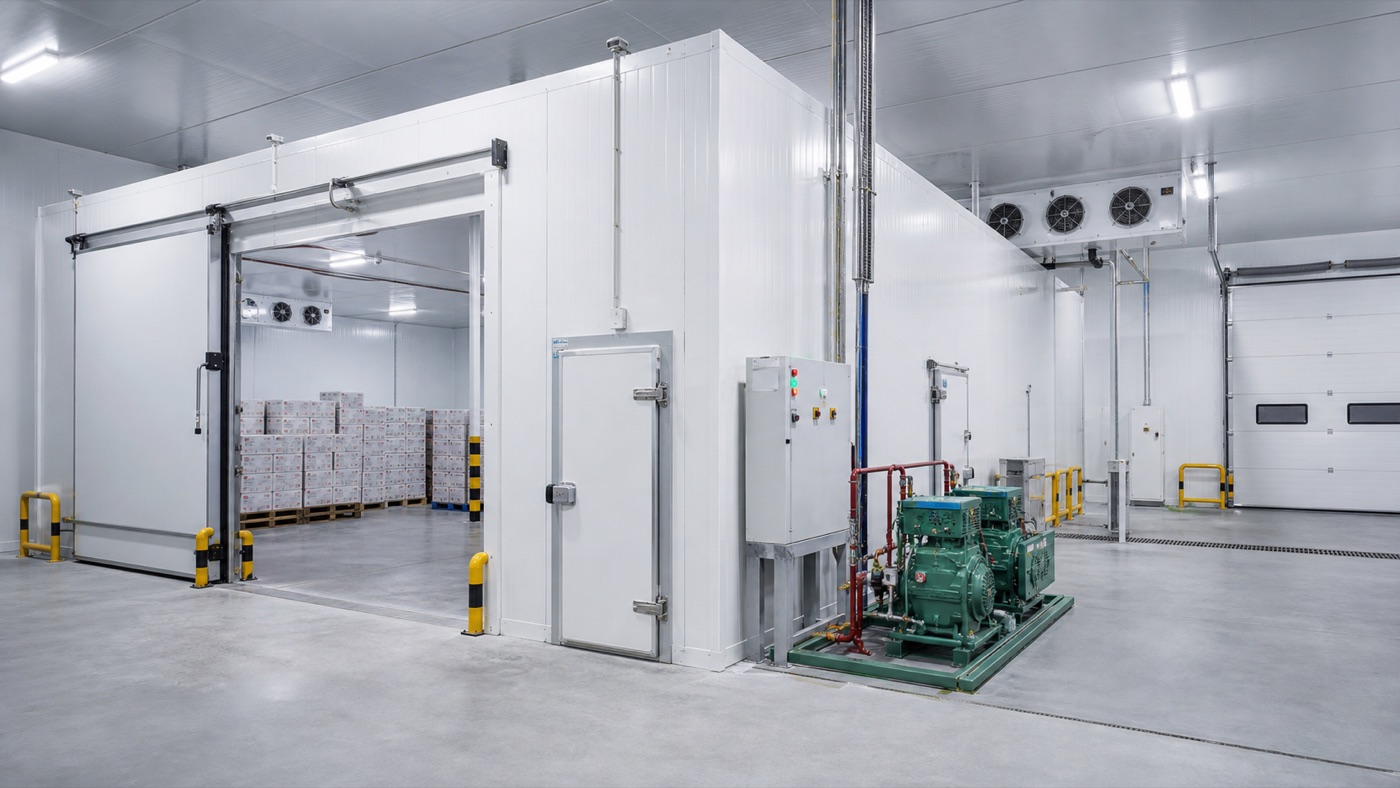
A practical cold room solution normally includes the insulated room structure, the door system, the refrigeration system, control components, installation accessories, and project documentation. Depending on the scope, it may also include floor insulation, shelving, lighting, PVC strip curtains, air curtains, remote monitoring, and installation guidance.
The basic room structure is usually made from insulated sandwich panels. For a general explanation of sandwich panel construction, see sandwich panel. In cold storage, panel thickness and joint design are selected according to the temperature and operating environment.
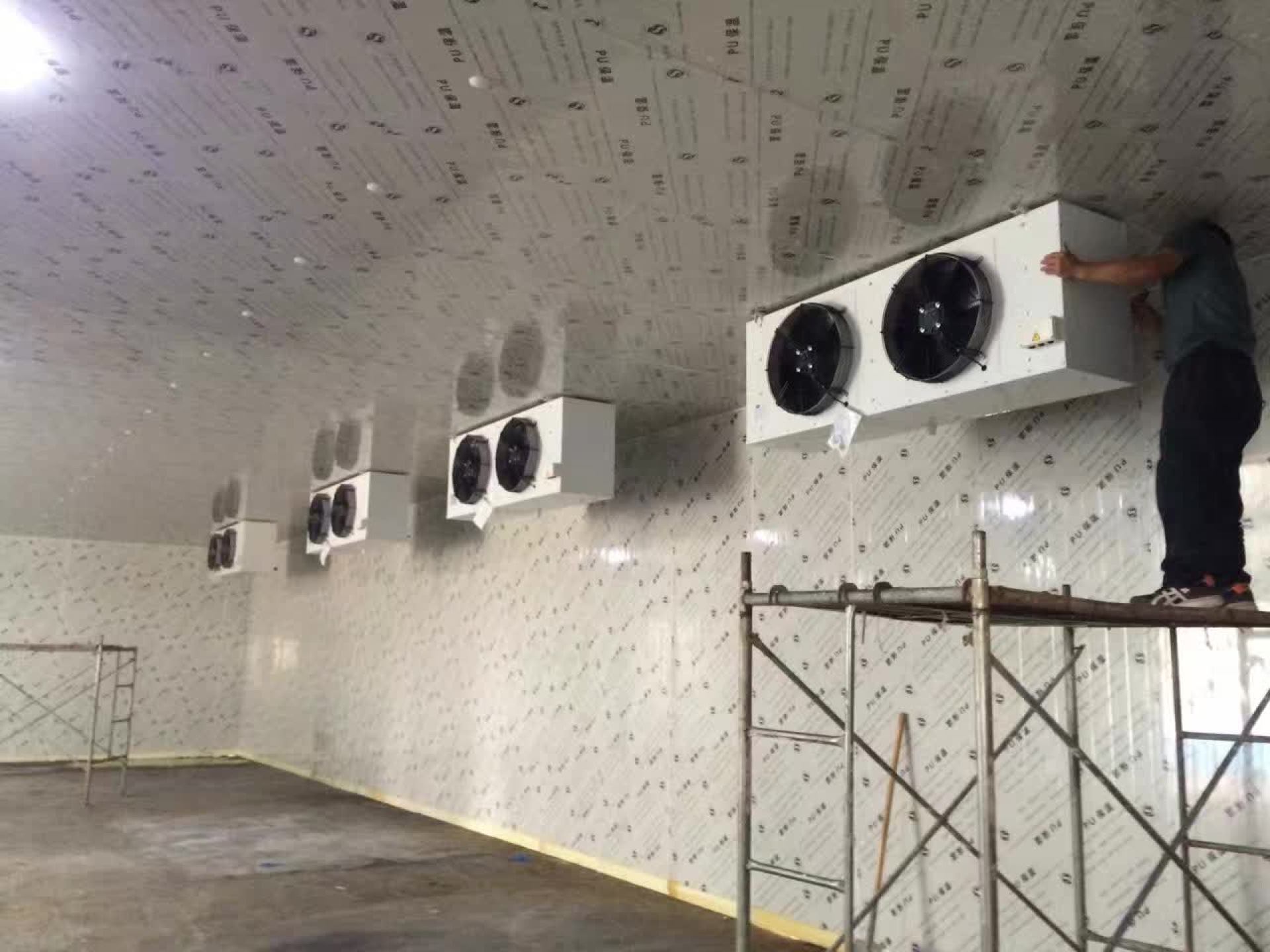
The refrigeration system must be sized after the room dimensions, target temperature, product load, and ambient temperature are known. A room for chilled beverages is not calculated the same way as a freezer for seafood. Refrigeration also includes airflow, defrost, drainage, electrical control, and service access. You can read a broad overview of the principle at refrigeration.
Why Turnkey Cold Storage Systems Need Careful Planning
A turnkey cold storage system sounds simple, but the details determine whether the room works well after installation. If the panel thickness is too low, the room may consume more electricity. If the door is too small, forklift traffic becomes slow. If the refrigeration unit is selected without daily loading data, the room may struggle during peak hours. If container loading is not planned, panels may arrive scratched or accessories may be difficult to locate on site.
For export projects, documentation also matters. Buyers need packing lists, installation drawings, panel numbering, electrical information, and clear photos before shipment. This reduces delays when local installers begin work. In remote projects, a missing gasket, heater wire, or profile can stop progress for days.
Cold Room Solutions by Industry
Food Processing and Distribution
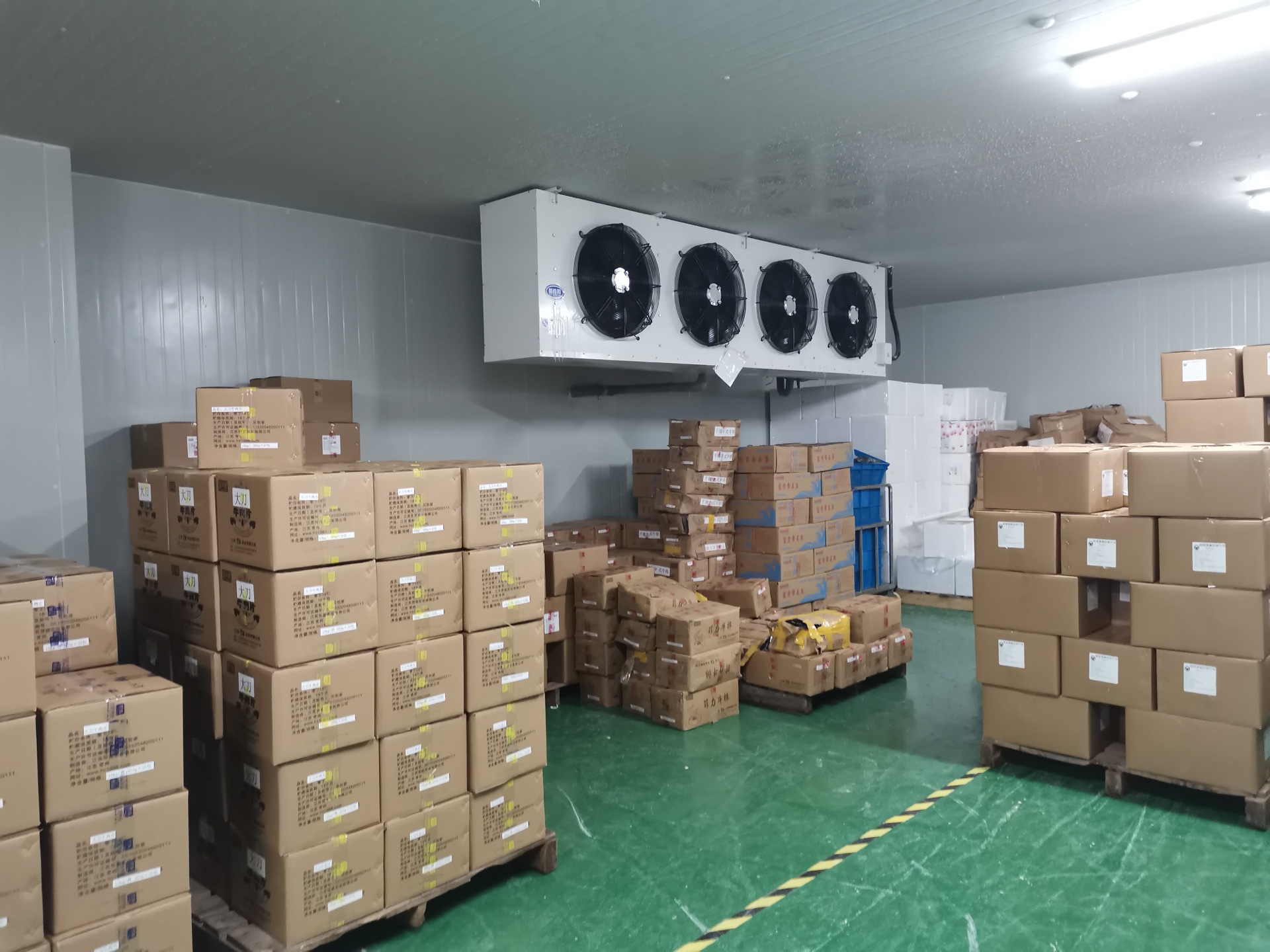
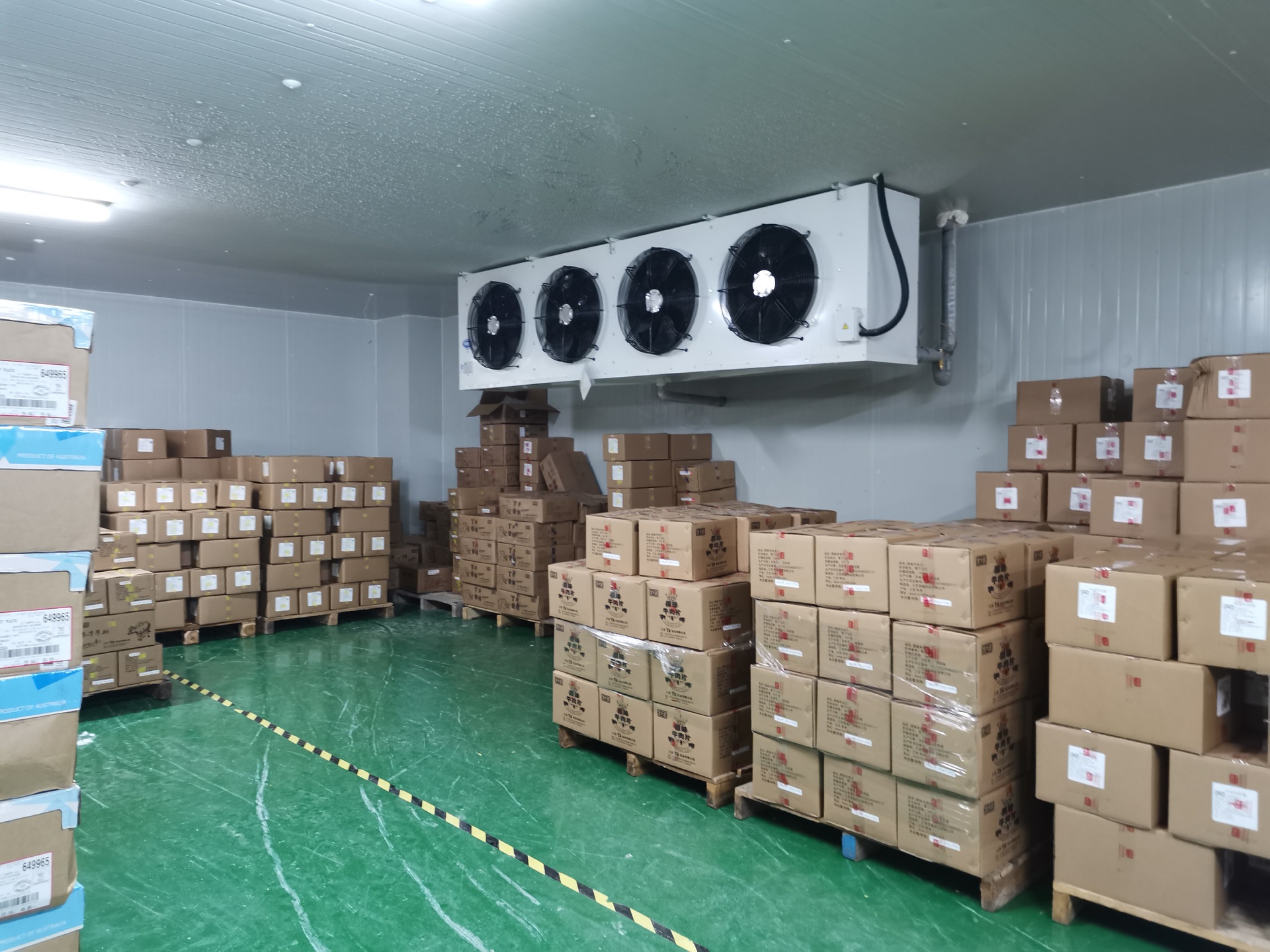
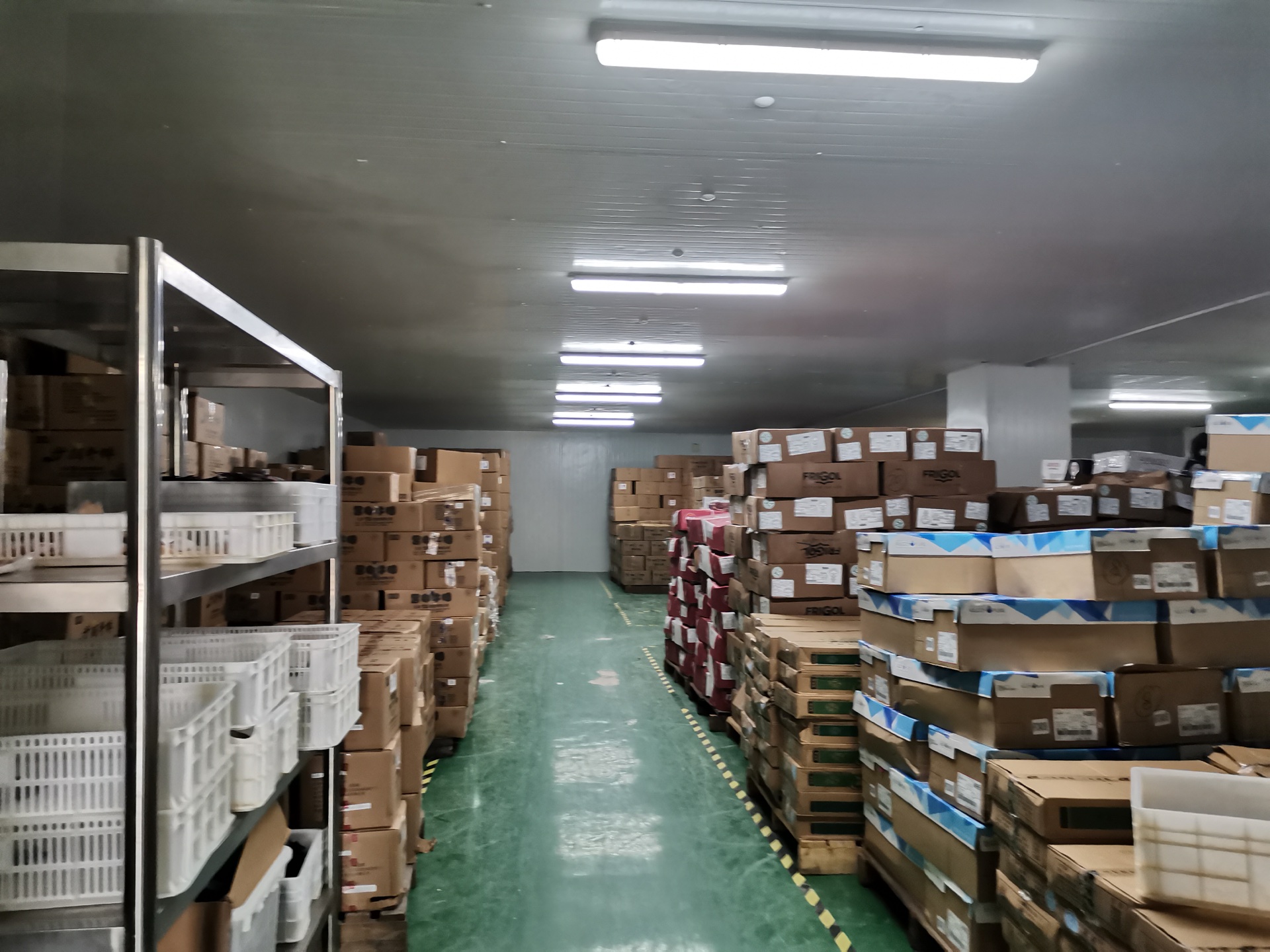
Food factories and distributors usually need rooms for raw material storage, finished goods, temporary holding, and dispatch. The main concerns are hygiene, traffic flow, temperature stability, and cleaning. Doors may open many times per hour, so the door type and air infiltration control should be reviewed early.
For cooked food or ready-to-eat products, the inside finish must be easy to clean. Wall protection, floor connection, drainage slope, and corner detailing become important. In these projects, the cheapest panel quotation is not always the best choice. A clean installation can reduce maintenance and improve daily operation.
Seafood Cold Storage
Seafood projects often involve frozen storage, blast freezing preparation areas, or chilled handling rooms. The product may be wet, heavy, and moved quickly between receiving, processing, freezing, and packing. For freezer rooms, thicker panels, strong door sealing, and reliable defrost are important.
In coastal regions or high-humidity sites, corrosion resistance should also be discussed. Door hardware, panel skins, aluminum profiles, and evaporator placement can affect service life. A seafood freezer room that works in a mild indoor warehouse may need a different approach in a tropical port city.
Dairy Cold Rooms
Dairy products require stable chilled storage and clean room conditions. Milk, yogurt, cheese, and cream have different handling needs, but all benefit from reliable temperature control and organized airflow. For dairy factories, cold rooms often connect to production or packing areas, so door position and traffic flow should be planned with the factory layout.
Frequent door opening is a common issue. PVC curtains, fast-closing doors, or better logistics planning may reduce warm air entry. The refrigeration system should recover temperature quickly after loading without creating excessive air movement that affects product quality.
Pharmaceutical and Medical Storage
Pharmaceutical cold rooms require tighter control and better documentation than many food projects. The buyer may need temperature records, alarm systems, backup planning, and careful airflow design. The room must also be easy to inspect and maintain.
JiangNan can provide insulated room structures and refrigeration solutions, but pharmaceutical buyers should also confirm local compliance requirements, validation procedures, and monitoring standards with their own regulatory team. For this type of project, it is better to define the required temperature range and monitoring method before asking for equipment selection.
Custom Cold Room Projects
Many commercial projects do not fit a standard room size. A customer may need one chiller room and one freezer room in the same warehouse, or several rooms connected to a loading dock. Another buyer may need a cold room inside a food processing plant where the ceiling height, columns, and drainage points already exist.
Custom cold room solutions can include special panel lengths, non-standard door openings, thicker panels for hot climates, and refrigeration units arranged for limited outdoor space. For modular projects, panel numbering and factory prefabrication help simplify site assembly. See our related cold room panel and cold room sliding door pages for product examples.
Planning Checklist for Buyers
| Project Detail | Why It Matters | Example Question |
|---|---|---|
| Room size | Determines panel quantity and refrigeration load | What are the inner length, width, and height? |
| Target temperature | Controls panel thickness and equipment selection | Chiller, freezer, or low-temperature room? |
| Product type | Affects airflow, humidity, and loading method | Meat, seafood, dairy, fruit, medicine, or mixed goods? |
| Daily loading | Changes refrigeration capacity | How much product enters the room per day? |
| Ambient temperature | Important for hot-climate projects | Is the room indoors, outdoors, or in a tropical region? |
| Door traffic | Affects door type and energy loss | Manual access, trolley, or forklift traffic? |
Common Mistakes in Cold Room Projects
- Buying panels and refrigeration equipment separately without checking compatibility.
- Choosing panel thickness based only on the lowest price.
- Ignoring high ambient temperature in tropical or Middle East projects.
- Forgetting the space needed for service access around refrigeration equipment.
- Using a hinged door when a sliding door is better for pallet or trolley traffic.
- Not confirming container loading and installation accessories before shipment.
Export Packing and Site Coordination
For overseas cold room solutions, packing and site coordination should be treated as part of the project, not an afterthought. Long panels need edge protection, door frames should be packed so the gasket is not compressed, and small accessories should be grouped by room number. Before shipment, the buyer should confirm container unloading conditions and temporary storage space. If panels are left outdoors in rain or direct sun for too long, protective film and edges may be affected before installation starts.
Another practical point is communication with the local installer. Even when the cold room is prefabricated, the site team still needs clear panel drawings, floor level checks, power preparation, and refrigeration drainage planning. These details are not glamorous, but they often decide whether the first start-up goes smoothly.
Image Suggestions
| Image File Name | Alt Text | Where to Insert |
|---|---|---|
| turnkey-cold-room-solutions-food-factory.jpg | turnkey cold room solutions for food processing factory | After introduction |
| seafood-freezer-room-insulated-panels.jpg | seafood freezer room with insulated cold room panels | Seafood section |
| cold-room-refrigeration-unit-installation.jpg | cold room refrigeration unit installation for commercial storage | Refrigeration section |
FAQ: Cold Room Solutions
What information is needed to design a cold room solution?
The main information includes room size, target temperature, product type, daily loading volume, ambient temperature, door opening frequency, site voltage, and project location. Drawings or site photos are helpful when the cold room must fit inside an existing building.
Can one supplier provide panels, doors, and refrigeration equipment?
Yes. A complete supplier can coordinate insulated panels, doors, refrigeration equipment, accessories, and export packing. This helps reduce compatibility problems and makes communication easier for overseas buyers.
Are cold room solutions different for hot climates?
Yes. High ambient temperature increases heat gain and may require thicker panels, stronger refrigeration capacity, better sealing, and careful condenser placement. Projects in Southeast Asia, the Middle East, and other hot regions should not be designed using only mild-climate assumptions.
Is a turnkey cold storage system always the best option?
It is often convenient for B2B buyers, especially export customers, but the scope should be clear. Some customers only need panels and doors, while others need a complete system with refrigeration, accessories, and installation guidance.
Need Cold Room Solutions for Your Project?
JiangNan provides custom cold room panels, insulated doors, and refrigeration systems for food processing, seafood, dairy, pharmaceutical, fruit, and industrial cold storage projects.
Send us your room size, temperature requirement, product type, and project location. We can recommend a practical cold room solution and export packing plan.