Cold Storage Container vs Modular Cold Room: What B2B Buyers Should Know
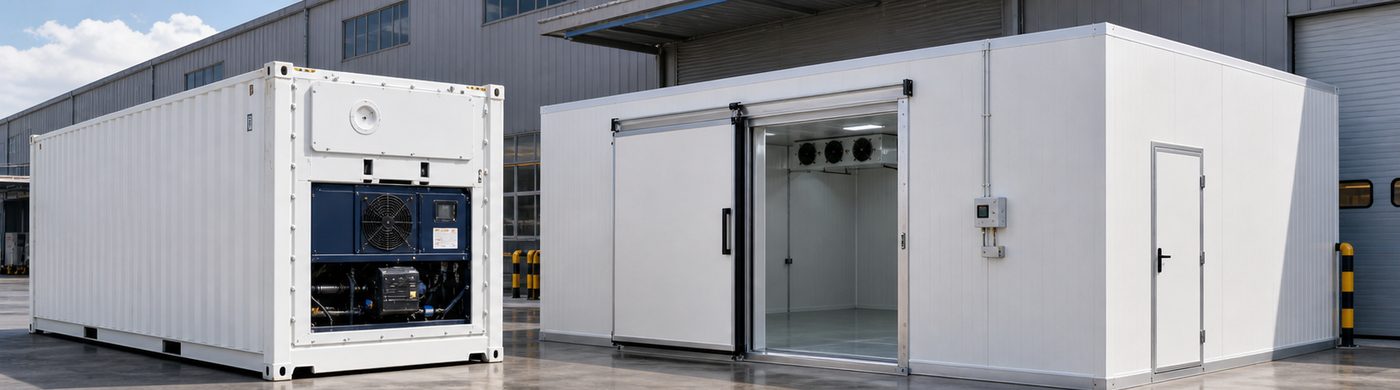
The phrase cold storage container can describe different purchases. A buyer may mean a refrigerated shipping container, an insulated room delivered as a complete unit, or a modular cold room intended to move later. These options should be compared against the site and operating requirement before requesting prices.
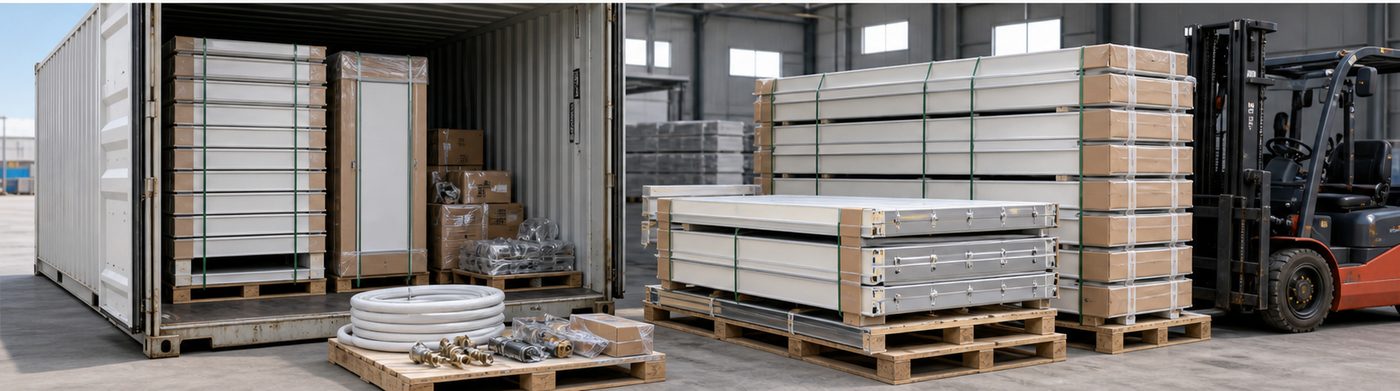
Start by describing the job: temporary stock storage, a permanent warehouse installation, seasonal capacity or transport of goods. State whether the equipment must operate during transport or only after installation. A photograph of a container does not answer those questions.
Identify the type of solution being offered
Marine refrigerated containers use equipment designed for container applications. Carrier’s container refrigeration range, for example, is presented for transportation and storage of perishable cargo. That category should not be confused with a stationary insulated enclosure merely built to a container-like shape.
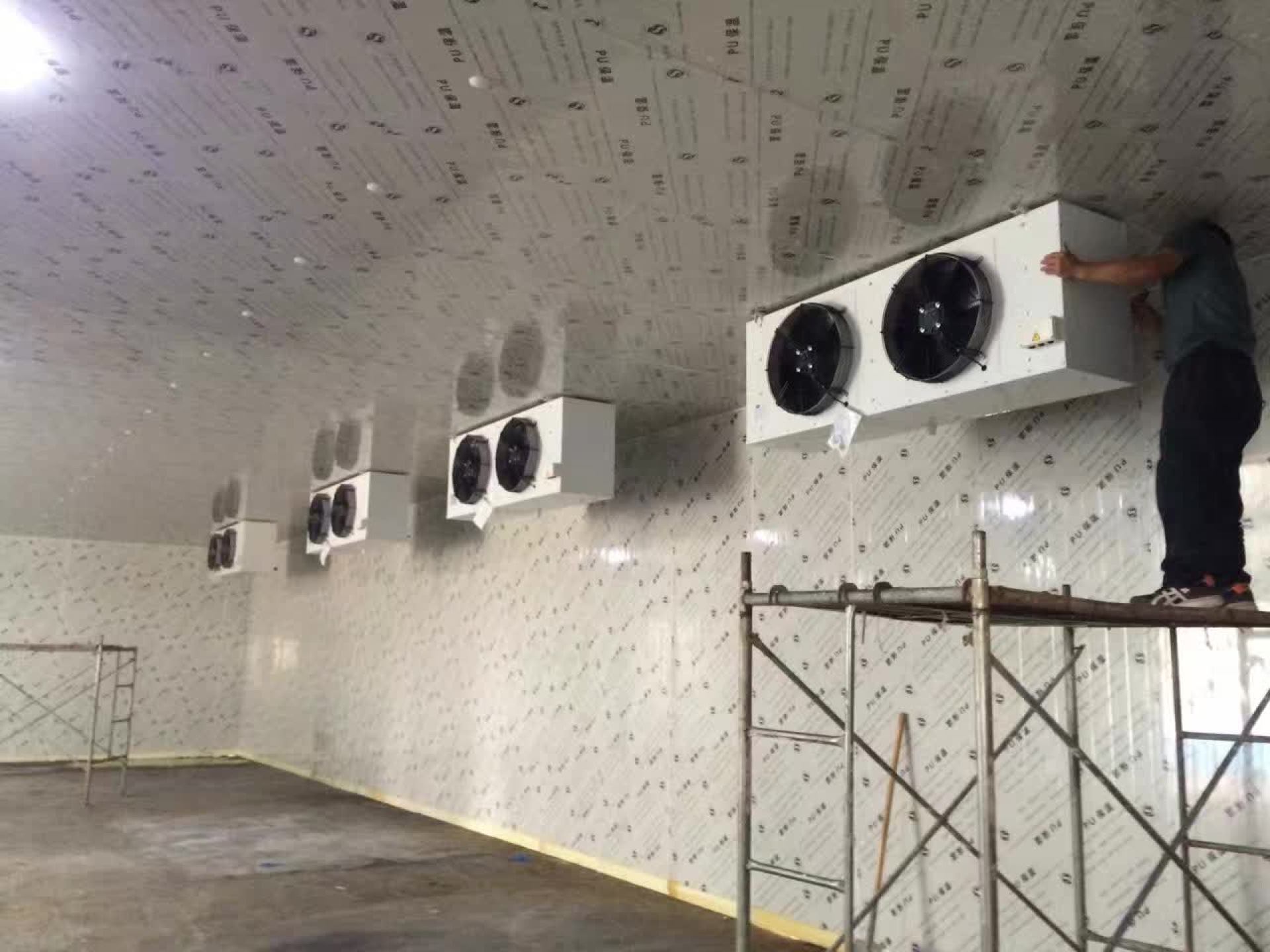
A modular cold room is a separate configuration to assess when the main requirement is an enclosure assembled at the destination. A mobile small cold room also needs its specific movement and installation limits confirmed. Product names do not establish transport approval, lifting capability or suitability for operation while moving.
Compare usable space and access
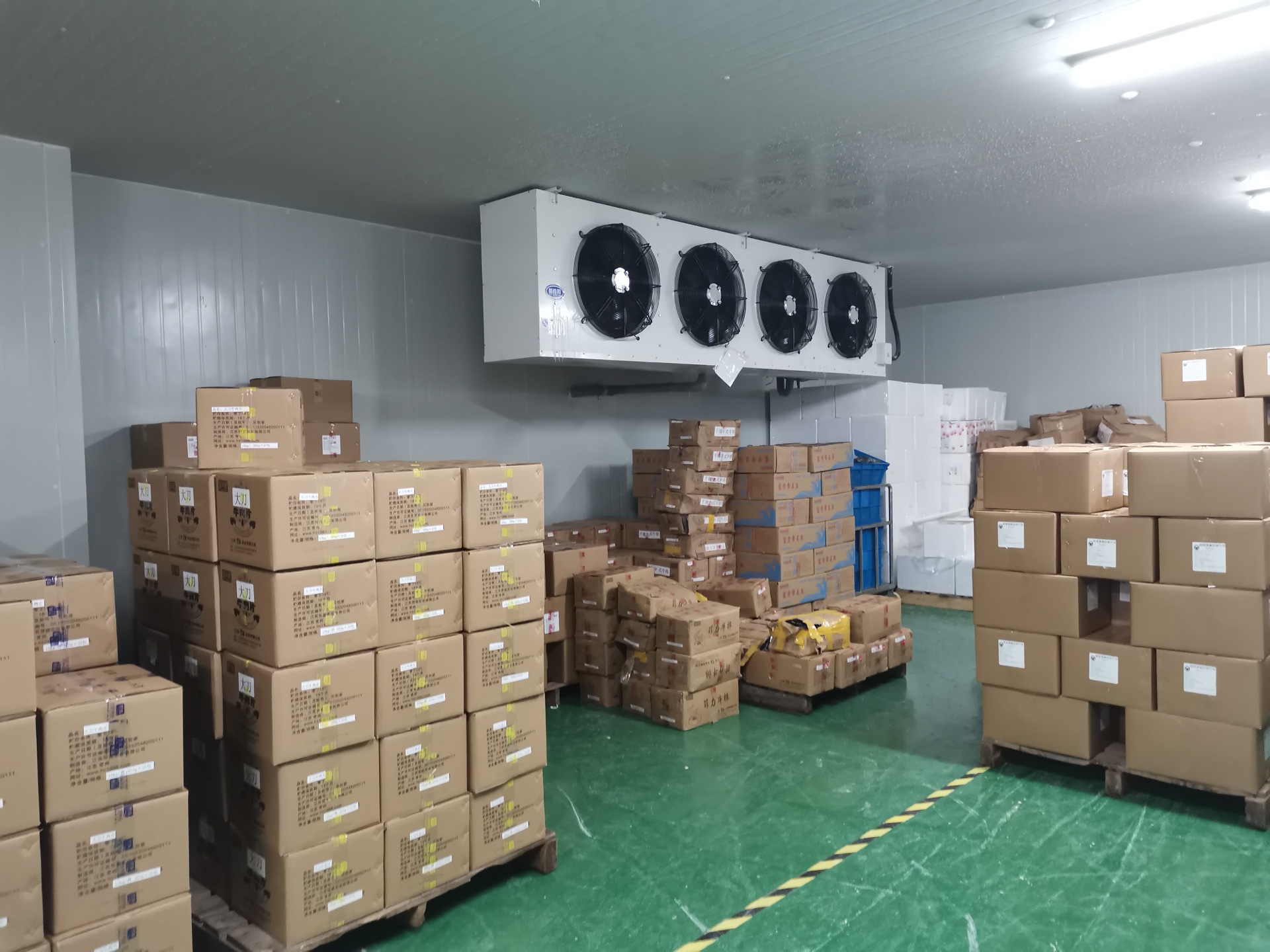
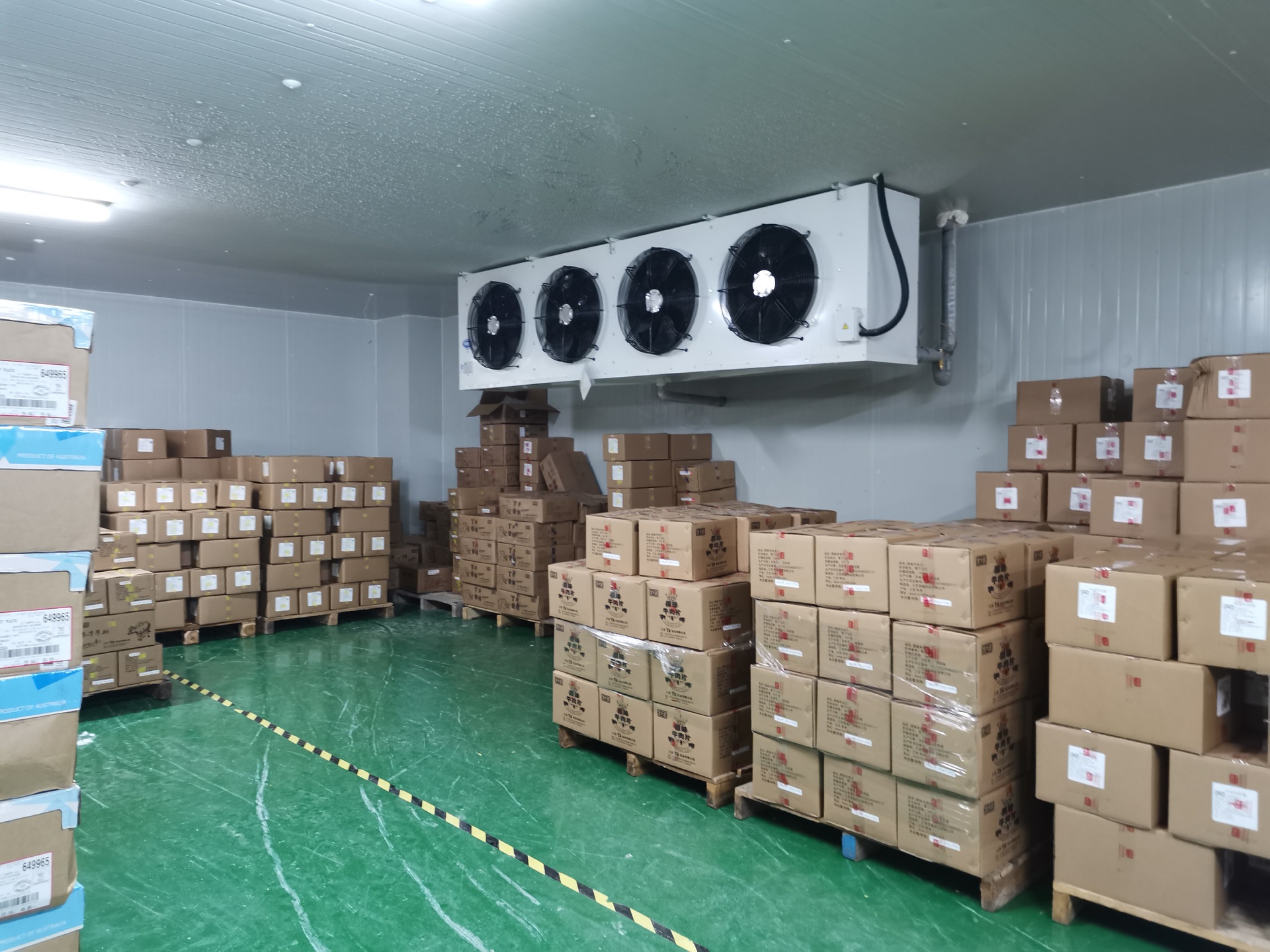
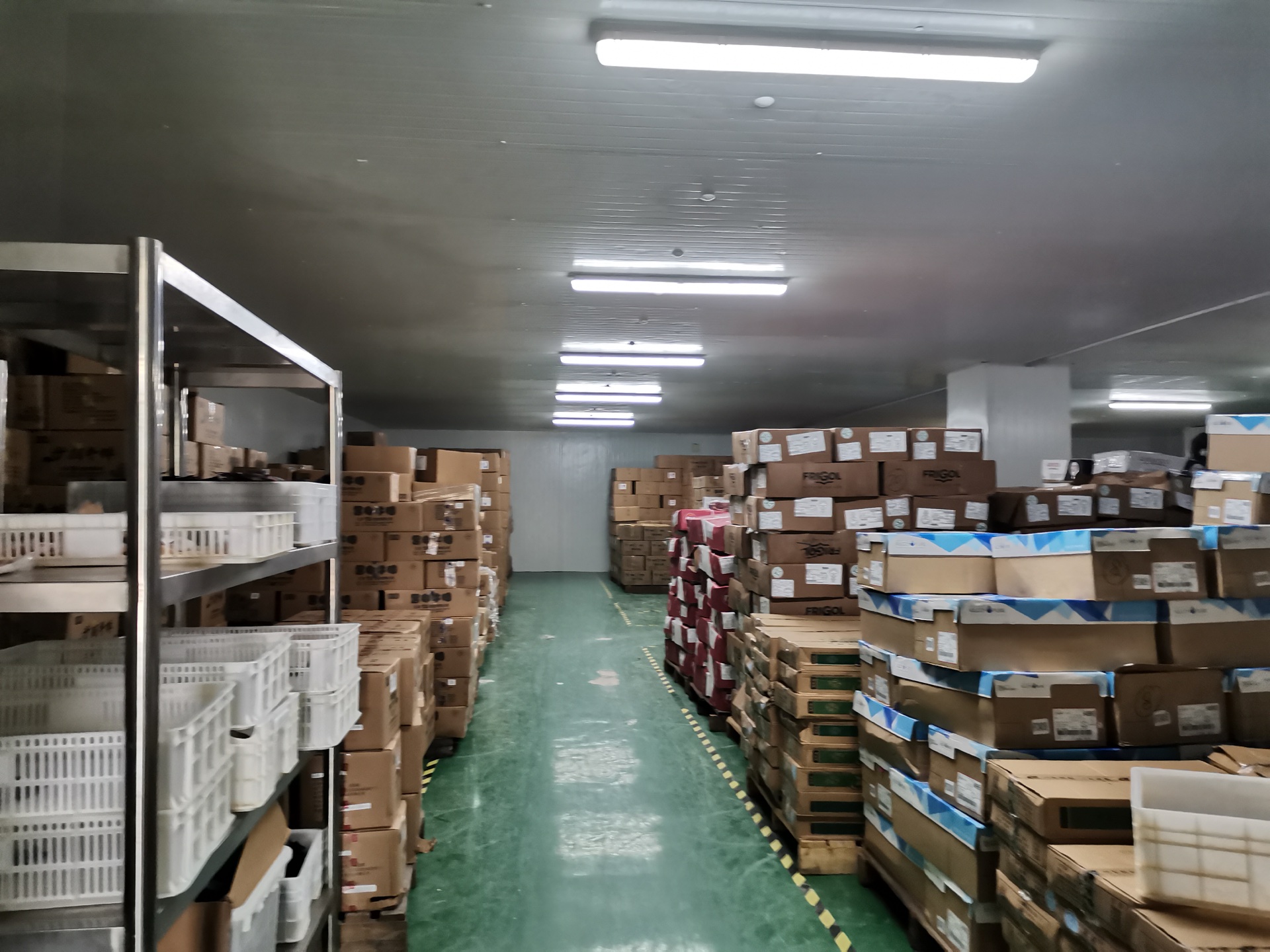
Request drawings showing internal usable dimensions, equipment positions and the clear doorway. Compare them with the actual pallets, trolleys or shelves to be used. External dimensions alone do not show how much accessible stock fits inside.
Trace a normal loading movement on each drawing. Check where a trolley turns, where an operator stands and how stock at the far end will be reached. A long narrow arrangement may suit one loading method but create unnecessary handling for another. Judge it against your working routine rather than a nominal capacity claim.
Inspect the intended site
Provide the location, access route and photographs of the placement area. Ask the supplier and site contractor to confirm support requirements, unloading arrangements, service space and any necessary building work. Identify whether the unit will stand indoors, under shelter or exposed to weather.
Confirm utility compatibility before arranging delivery. Obtain the electrical requirements of the actual equipment and have the site electrician check the available supply. Discuss where rejected heat, condensate and service activities will be accommodated in the proposed location.
| Decision | Information needed |
|---|---|
| Placement | Access route, approved support area and unloading method. |
| Working space | Internal layout, clear entrance and handling equipment. |
| Utilities | Confirmed electrical and other connection requirements. |
| Servicing | Equipment identification, access and local support arrangements. |
| Future movement | Approved movement method and work required to return to service. |
Ask what relocation actually involves
If the room may move later, describe the expected frequency and destination conditions. Ask whether it is designed to move as one assembly or requires disassembly. Confirm who handles isolation, unloading, lifting, reassembly and recommissioning as applicable to the chosen product.
Request the supplier’s handling instructions and retain them with the purchase record. Do not assume that an enclosure can be lifted safely because it resembles a shipping container. Any lifting points, transport supports or movement limitations should be documented for the actual supplied assembly.
Evaluate condition and maintainability
When considering used equipment, request identification details, service history and a documented inspection of the offered unit. Photographs should show the actual equipment for sale. Ask which components and documentation are supplied and which work is required before the unit can serve the intended duty.
For either new or used equipment, identify the service route and required spare-part references. A purchase should not depend on an undefined assumption that any local technician will have the necessary information or parts. Confirm the support arrangement with the parties expected to provide it.
Prepare a comparable enquiry
Give each supplier the same operating duty, site plan, usable-space requirement and relocation expectation. Ask for separate identification of equipment, delivery, unloading, connections and commissioning. This allows you to compare the complete proposal without assuming that a low equipment price covers every site activity.
Does JiangNan’s modular range mean a shipping reefer is included?
No assumption should be made from the term cold room. Describe the precise container or modular requirement and request confirmation of the available supply scope before treating the options as interchangeable.