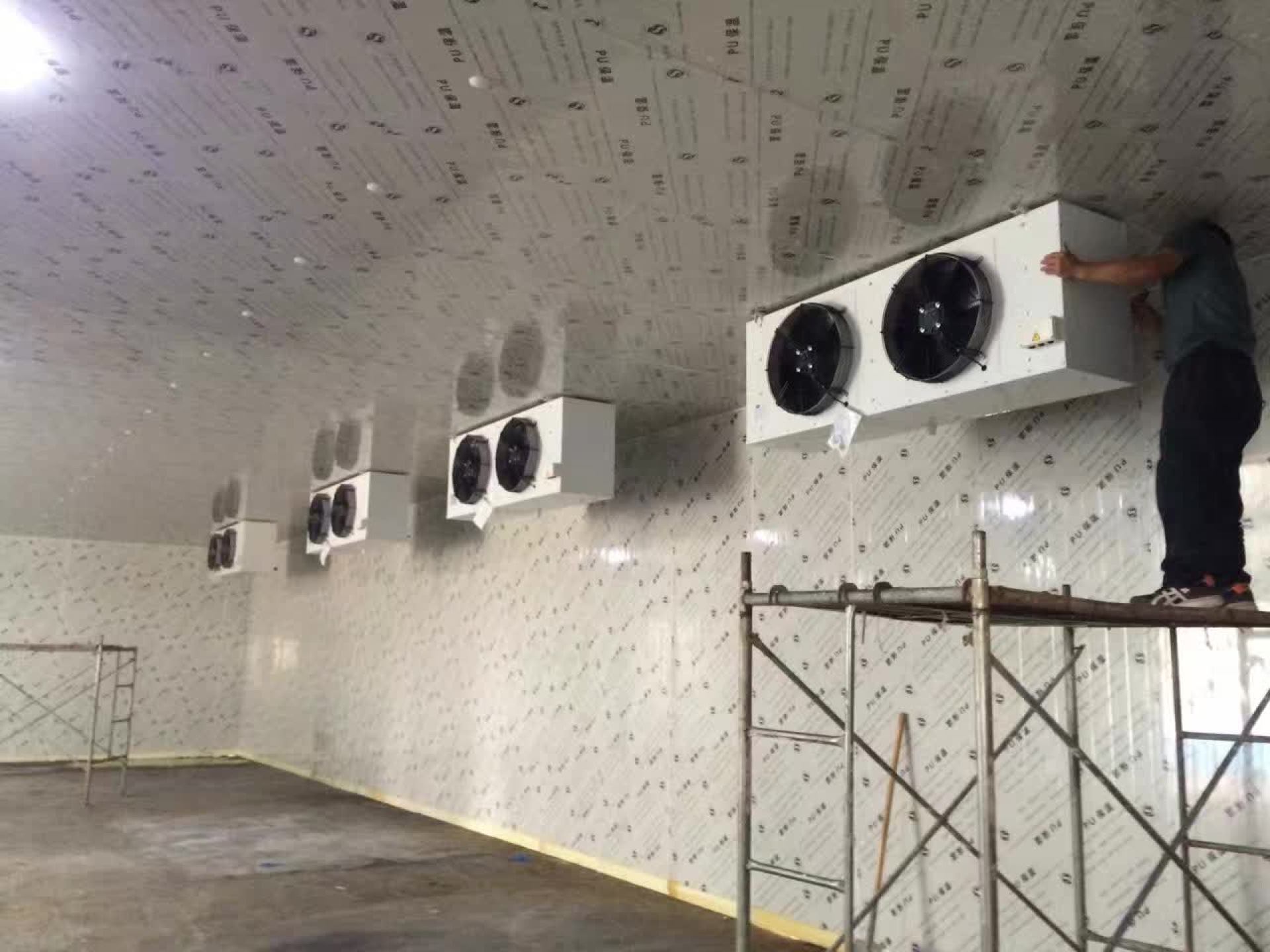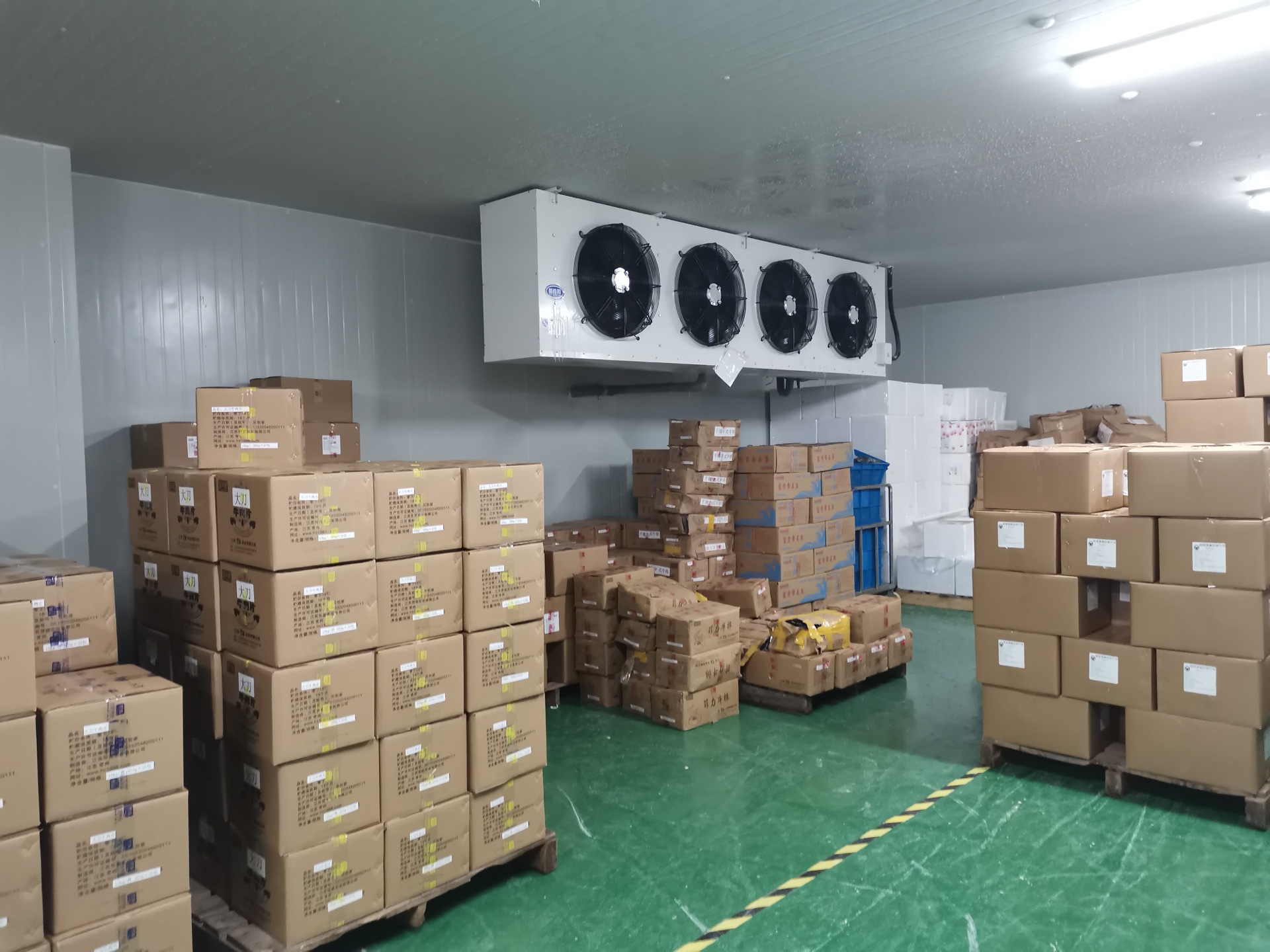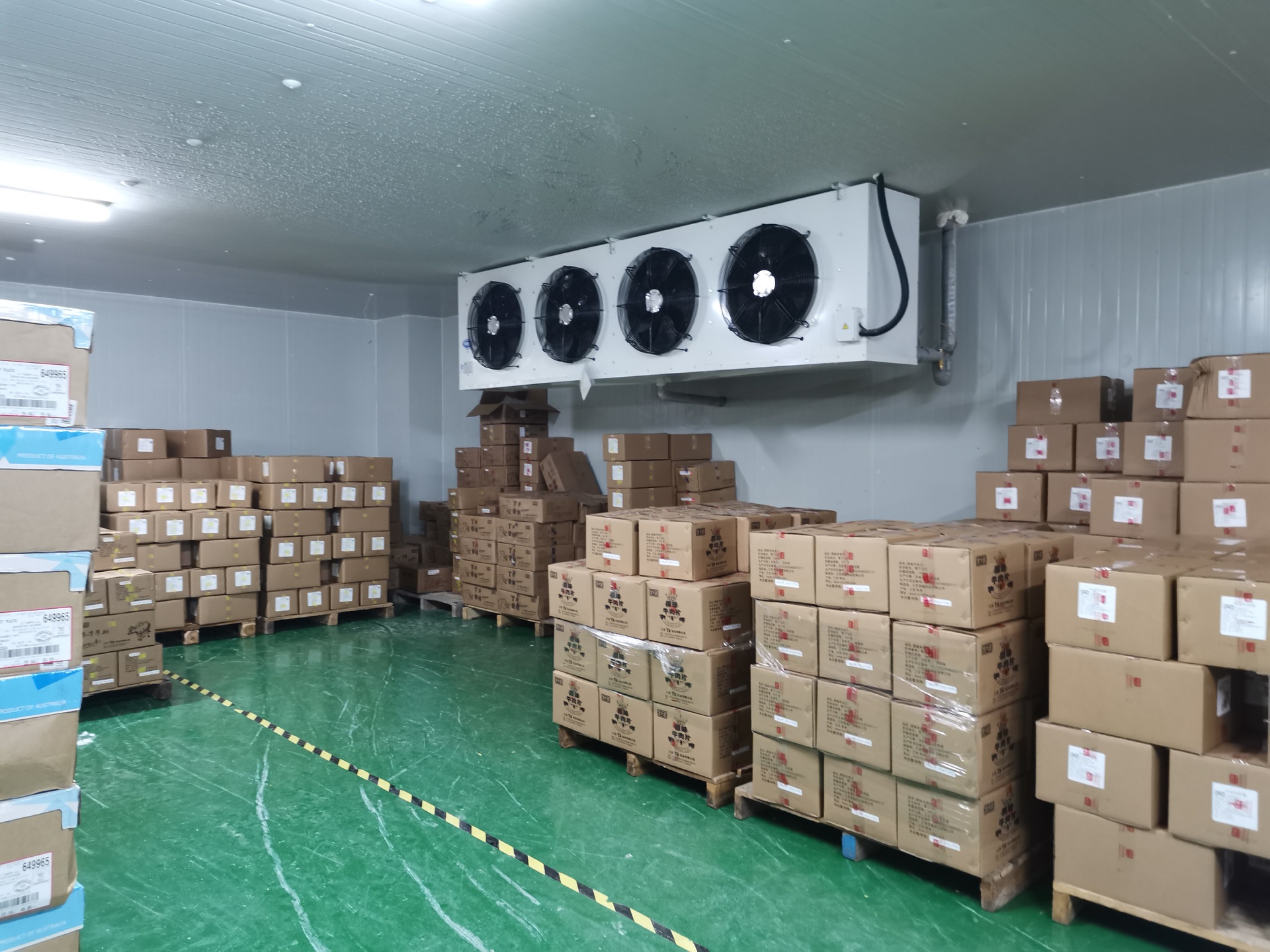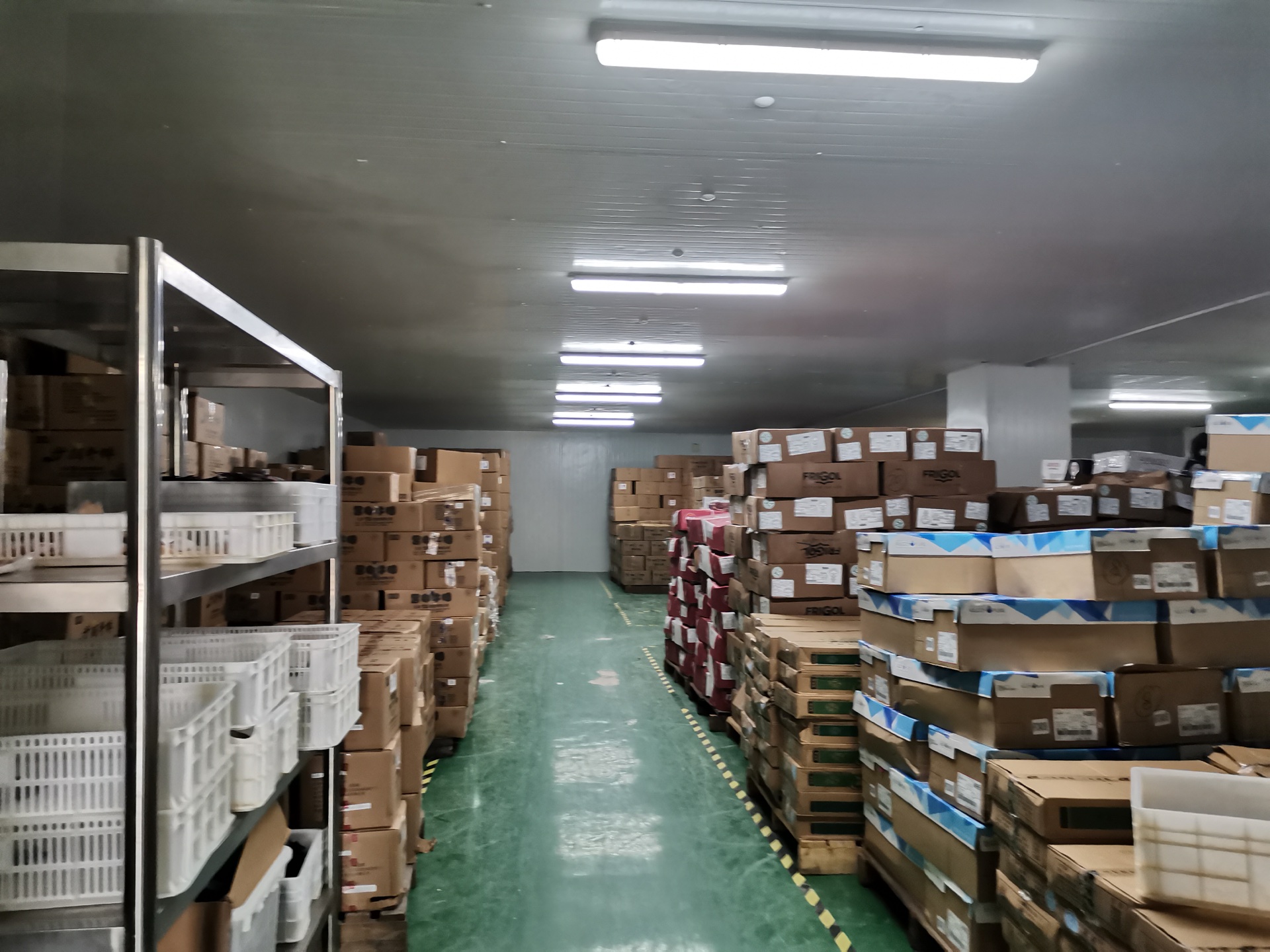
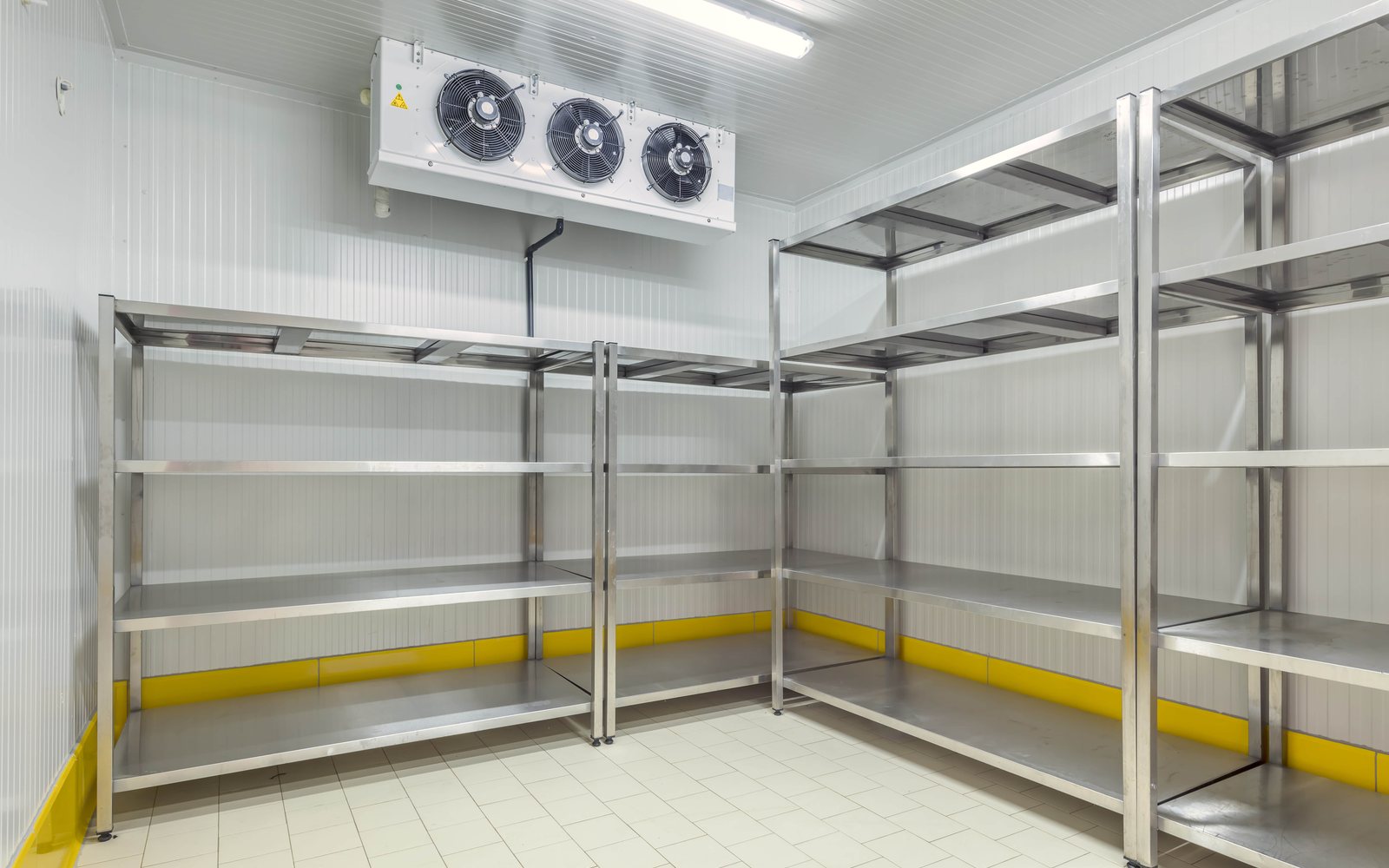
Fish Tray Rack Freezing Room Layout
Fish Tray Freezing Room Overview
For Fish Tray Freezing Room, JiangNan reviews insulation, refrigeration, doors, installation conditions, and project details before recommending a cold room solution. A fish tray rack freezing room is designed for batch freezing of fish or seafood arranged in trays on racks. The room may use forced air cooling or a rack arrangement matched to the refrigeration equipment. The goal is to freeze product within the required batch time while keeping loading, unloading, cleaning, and defrost practical for daily operation.
JiangNan reviews tray rack freezing rooms from product geometry. Fish size, tray dimensions, product thickness, tray loading weight, number of layers, rack spacing, aisle width, and batch time all affect the room layout. A freezing room cannot be sized only from tonnage. Five tons of thin fillets in shallow trays and five tons of whole fish in deeper containers require different airflow and time.
This type of room is used in seafood plants, small processing workshops, and distribution projects that need controlled batch freezing but do not require a tunnel freezer. It can be a practical solution when product batches are moderate and the operator needs flexible loading by rack or trolley.
Engineering Scope
The first design input is tray and rack data. Tray length, width, depth, product weight per tray, number of trays per layer, number of layers per rack, and number of racks per batch should be confirmed. Rack spacing should allow air to reach product surfaces. If trays are packed too tightly, air moves around the rack instead of through the load.
Room dimensions should follow rack movement and service access. The room needs space for loaded racks, aisle clearance, door opening, evaporator airflow, drain access, and operator movement. A room that fits the racks exactly on a drawing may be impossible to load safely. JiangNan checks turning radius, rack handle clearance, and the direction of loading.
Airflow should be arranged so cold air passes across the product uniformly. In forced air freezing, fan direction, air throw, return path, and rack position are critical. The evaporator should not short-circuit air directly back to its return. Product near the fan should not freeze much faster than product at the far end. Baffles or rack orientation may be required depending on the layout.
The freezing load depends on product temperature, product mass, water content, freezing point range, tray material, air temperature, air velocity, and target freezing time. JiangNan does not state final refrigeration duty without project details. Instead, we ask for product and batch information, then review the equipment selection with the required operating condition.
Panel thickness and floor design should support low temperature operation. A fish tray freezing room may operate at a low room temperature, so thicker insulated panels, an insulated floor, vapor barrier, sealed joints, and freezer-grade doors are usually required. Door frames, pipe penetrations, and drain penetrations must be sealed against moisture migration.
Door size should match rack movement. The opening should allow loaded racks to pass without impact, but it should not be unnecessarily oversized. Freezer doors require reliable gaskets and frame heating where needed. If loading is frequent, a staging area outside the freezing room can reduce warm air entry and keep the door open for a shorter time.
Defrost planning is important because fish products and wet handling can introduce moisture. Frost on evaporators reduces airflow and freezing performance. Defrost timing should fit the batch cycle. Drain pan heating and drain line freeze protection should be reviewed. Defrost water must leave the room safely and should not create ice near the door.
Cleaning and hygiene influence layout. Racks should be removable or accessible. The room should allow floor cleaning without leaving water trapped in corners. Electrical components should be protected from washing. Panel lower areas may need protection from rack impact. A good freezing room is not only cold; it is also practical to clean and operate.
High ambient temperature affects the refrigeration system. When the condenser works in hot outdoor air, condensing pressure rises. If warm product is loaded from a hot preparation area, the freezing load also increases. JiangNan checks condenser location, product entry temperature, room door traffic, and loading procedure for hot climate projects.
Commissioning should include empty room pull-down, fan direction check, defrost test, drain test, door heater check, and a controlled batch freezing observation when possible. Product temperature should be measured at representative positions in the rack, not only near the evaporator. This helps confirm whether airflow is balanced.
Rack construction should be reviewed with sanitation and airflow in mind. Smooth surfaces, accessible corners, and consistent tray guides make cleaning easier and reduce handling mistakes. Rack wheels or bases should be suitable for low temperature operation and should not damage the insulated floor. If racks are heavy when loaded, the floor finish and threshold plate need enough strength for repeated movement.
The loading procedure should be written in simple terms for operators. Tray spacing, rack orientation, maximum product depth, door closing practice, and defrost timing should be consistent from batch to batch. Without this discipline, freezing results may vary even when the refrigeration equipment is working correctly.
Related Resources
- Freezer Room – related JiangNan product and project information.
- Food freezing – external reference for basic technical background.
FAQ
What information is needed for a fish tray rack freezing room?
JiangNan needs tray size, product weight per tray, rack layout, batch quantity, entering product temperature, target outlet temperature, and freezing time.
Is rack freezing the same as frozen storage?
No. Rack freezing removes heat from product during a batch. Frozen storage holds already frozen product at stable temperature.
Why is airflow so important?
Air must reach product surfaces. If racks are packed too tightly or the return path is blocked, freezing time becomes uneven.
What door type should be used?
A freezer sliding door is often suitable for rack movement. The opening should match rack size while limiting warm air entry.
How does high ambient temperature affect freezing?
High ambient temperature can increase condenser duty and product entry temperature. Both can extend freezing time if not considered.
Talk to JiangNan
Send JiangNan your fish tray dimensions, rack drawing, batch load, target freezing time, and room location. We will review the layout, panel envelope, door, evaporator airflow, defrost, and refrigeration package for the freezing room.