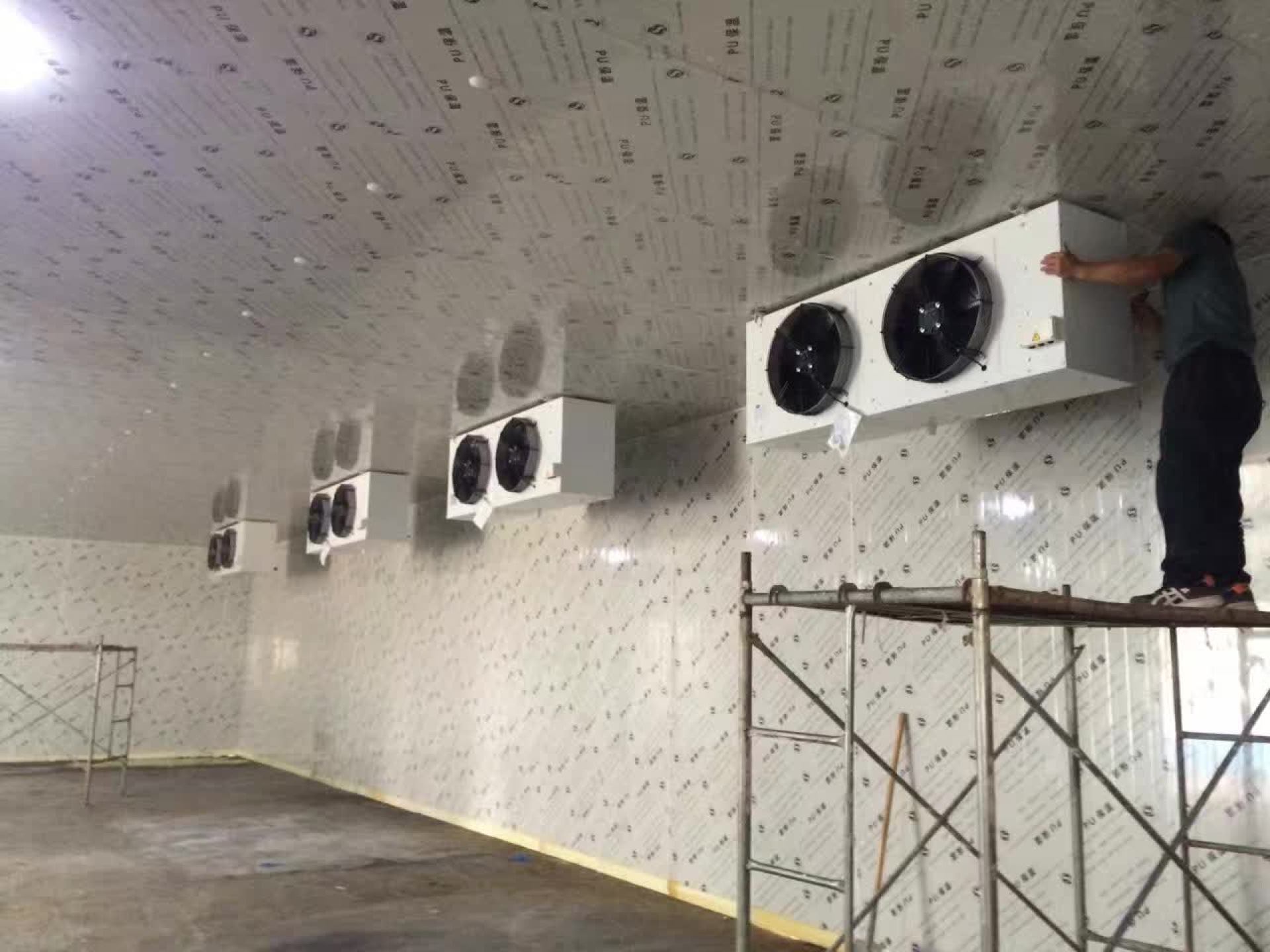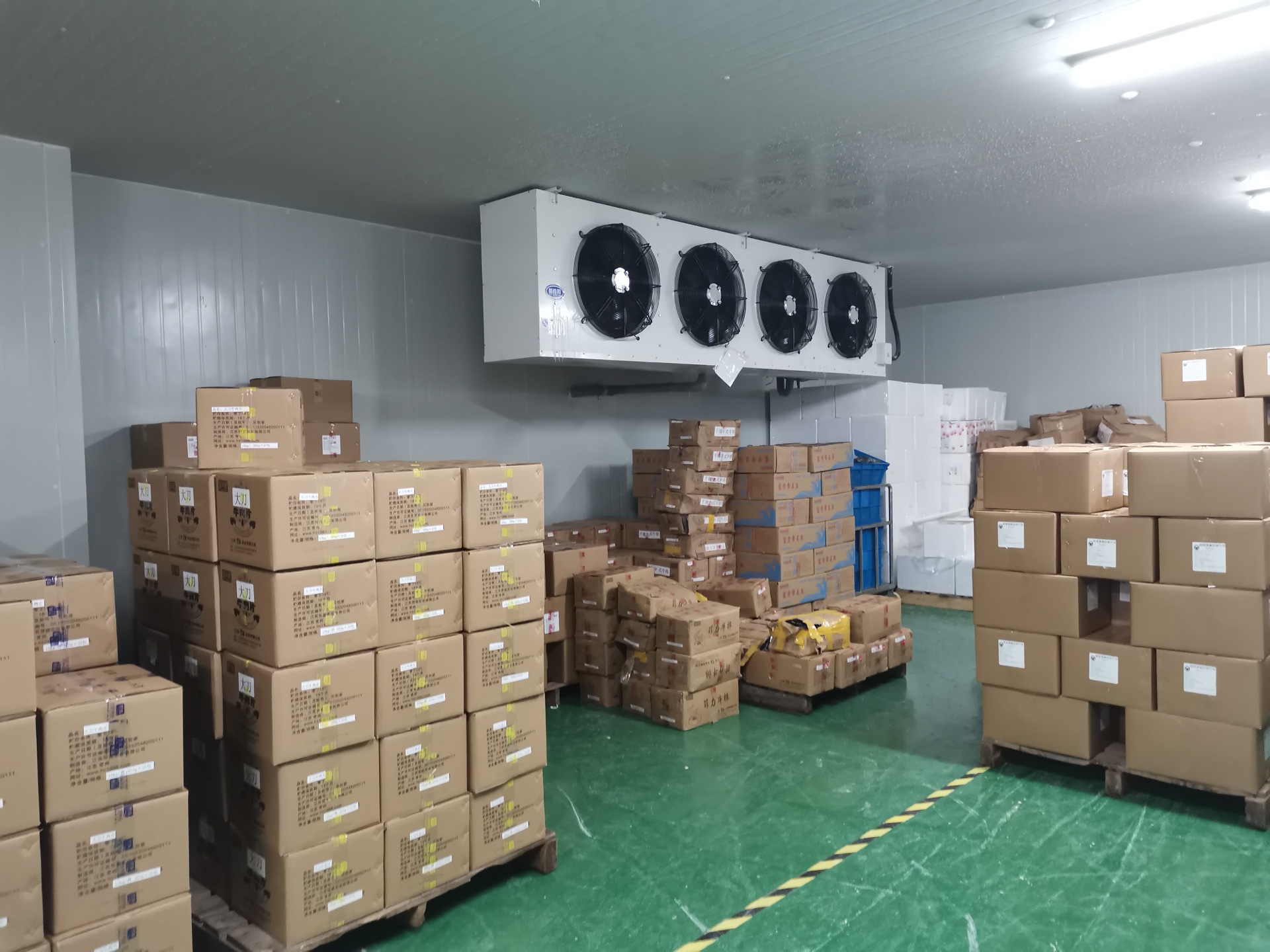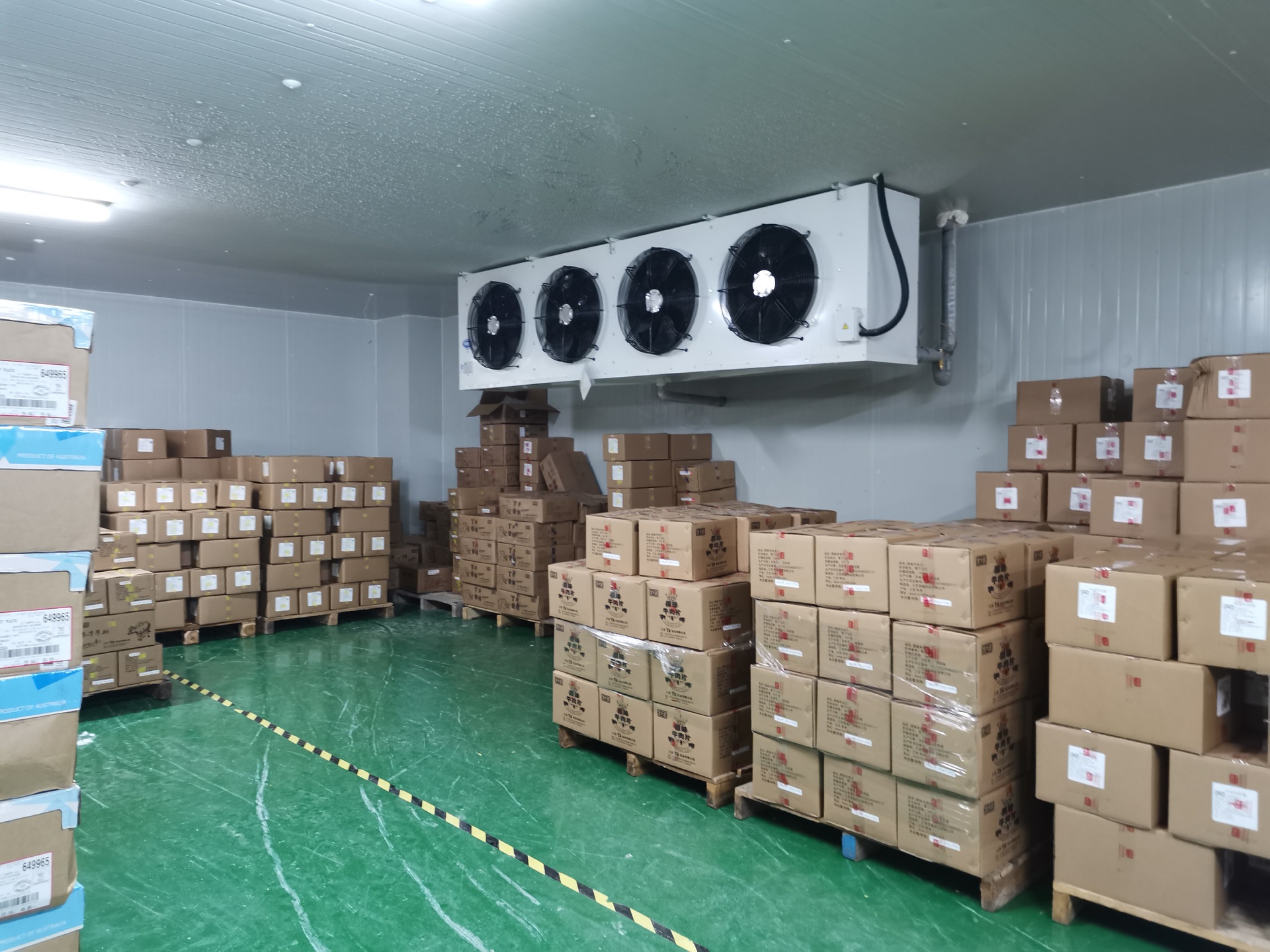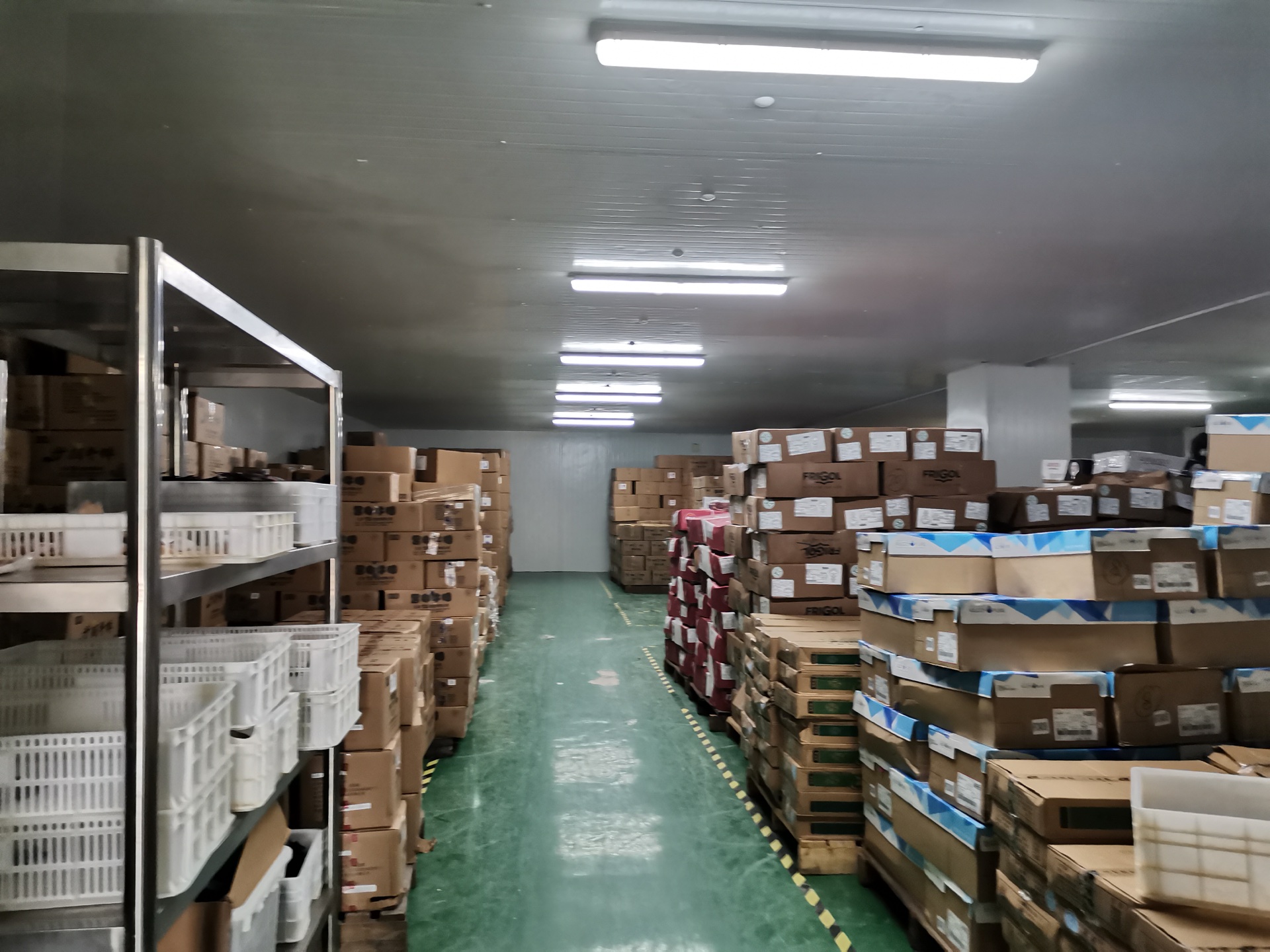
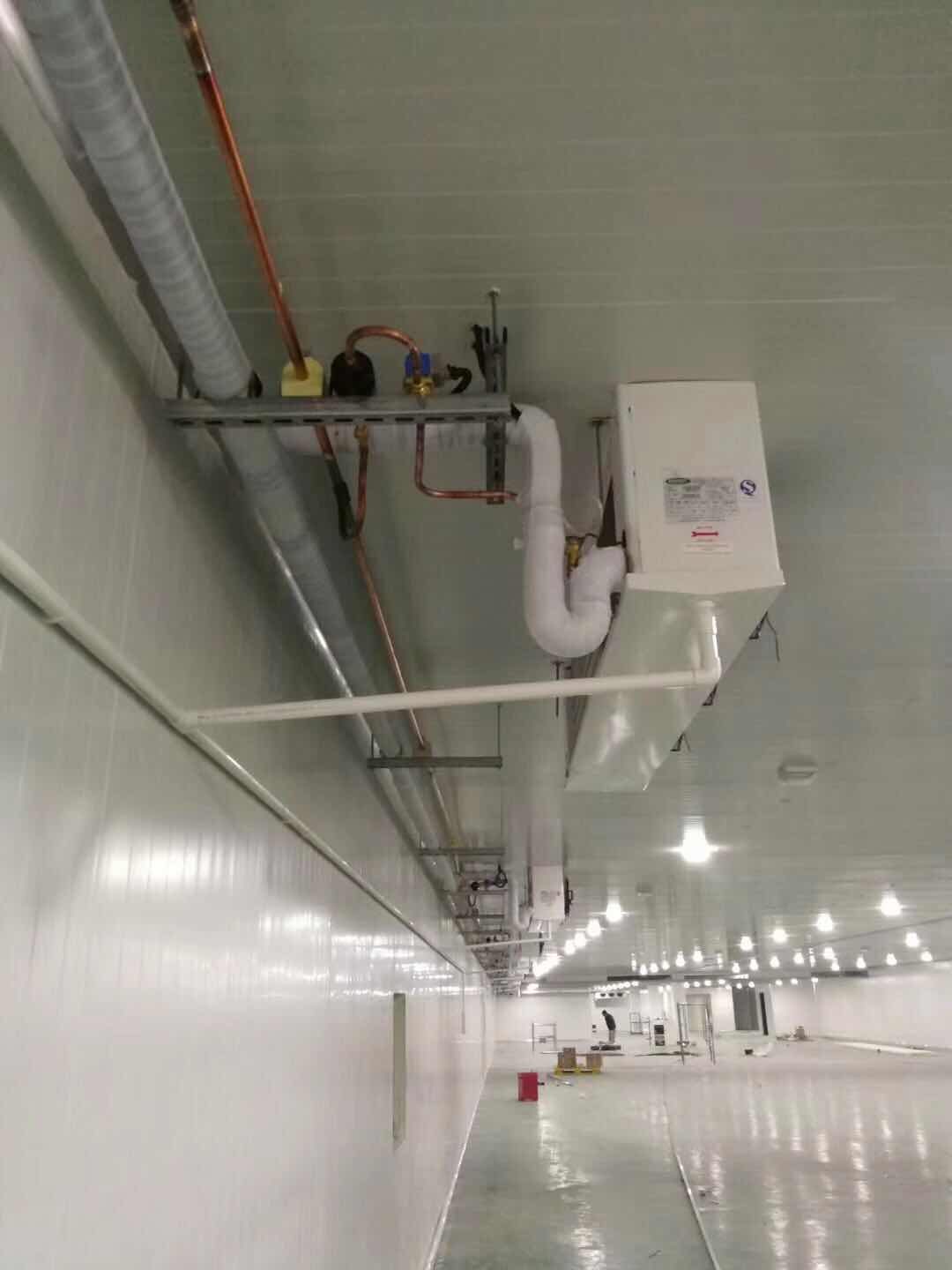
A shelf freezing room is used when products are frozen in trays, pans, racks, or trolleys instead of being passed through a continuous freezing tunnel. It is common for seafood, vegetables, prepared foods, and small batch products where the plant needs flexible loading rather than one fixed production line. The design must coordinate rack spacing, air circulation, freezing time, product loading, door traffic, and defrost.
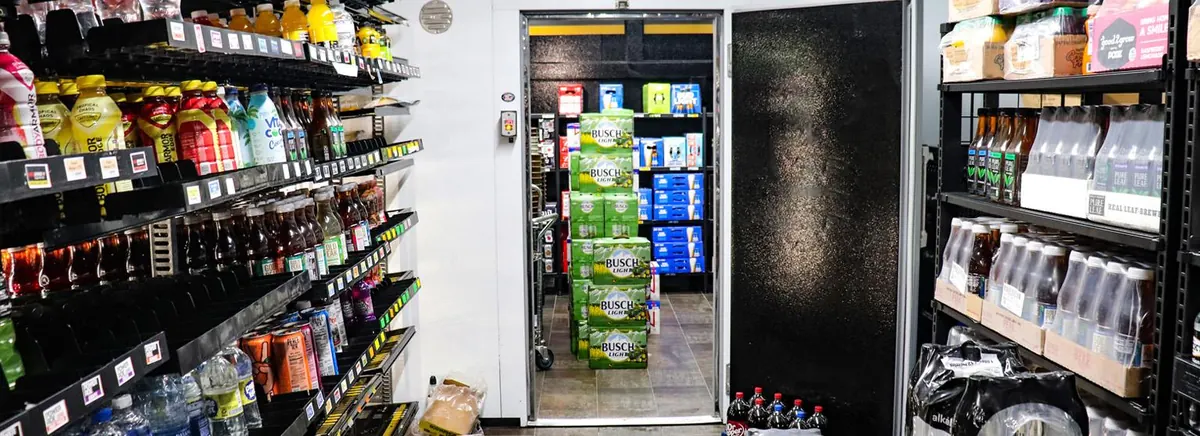
JiangNan reviews shelf freezing rooms as process rooms. The room should freeze product within the required period while remaining practical for workers to load, unload, clean, and inspect. A shelf freezing room is not only a cold room with shelves.
Product Overview
| Item | Engineering Direction |
|---|---|
| Topic | Shelf freezing room layout |
| Application | Seafood trays, vegetable pans, prepared food trays, small batch freezing |
| Main purpose | Freeze batch products on shelves or racks with controlled airflow |
| Key inputs | Tray size, product weight, batch quantity, freezing time, rack spacing, loading method |
| Main risk | Uneven freezing, blocked airflow, slow product core cooling, frost buildup |
| JiangNan scope | Freezing room layout review, refrigeration selection support, panel and door coordination |
Engineering Scope
- Confirm product type, tray or pan size, and product loading per tray.
- Review rack or shelf spacing for air circulation.
- Check loading and unloading route for workers or trolleys.
- Coordinate evaporator air direction with shelf arrangement.
- Review freezing time, product inlet temperature, and target product temperature.
- Plan defrost, drainage, and cleaning access.
Shelf and Tray Arrangement
Shelf layout starts with the product and tray. Tray size, product thickness, tray material, and product loading weight affect freezing time. If trays are stacked too closely, air cannot reach product surfaces. If rack aisles are too narrow, workers may load slowly and keep doors open longer.
JiangNan asks for tray dimensions and batch quantity before room sizing. The rack should fit the process, not only the room footprint. A smaller number of well-arranged shelves can freeze more reliably than a crowded room with poor airflow.
Airflow Through Shelves
Airflow must pass across or through the product surfaces. If the evaporator discharge hits only the first shelf row, the front product may freeze faster while rear product remains warmer. Return air paths must stay open.
The evaporator location, fan throw, rack height, and aisle position should be reviewed together. Air baffles or guided airflow may be used where needed. JiangNan avoids layouts where product blocks the evaporator return side.
Freezing Time and Product Temperature
Freezing time depends on product thickness, inlet temperature, air temperature, air velocity, tray loading, and refrigeration duty. A shelf freezing room can be flexible, but it still needs a defined batch target. If the plant changes product thickness or loading weight, freezing time can change.
Room air temperature alone does not prove the product is frozen. Product core temperature should be checked during commissioning or trial production. JiangNan recommends testing with actual product load where possible.
Door and Loading Operation
Shelf freezing rooms often use manual loading, carts, or trolleys. Door size should match the loading method. Large doors make loading easier but increase heat and moisture entry. The room should be loaded quickly and then closed for the freezing cycle.
If product arrives from a wet processing area, a chilled staging zone can reduce door load and frost. JiangNan reviews the relationship between processing, staging, freezing, and frozen storage.
Defrost and Drainage
High moisture products create frost. The evaporator should have a defrost method suitable for the room temperature and production schedule. Defrost should be arranged so it does not interrupt a freezing batch unnecessarily.
Drain pans and drain lines must remove water after defrost. In freezer rooms, drain heating or insulation may be required. Cleaning access should also be provided around racks and floor drains.
Rack Material and Cleaning Access
Racks and shelves should be suitable for the product environment and cleaning method. Seafood and vegetable freezing rooms often have moisture, salt exposure, or product residue. Shelf surfaces, tray supports, and rack bases should be accessible for washing and inspection. A rack layout that cannot be cleaned properly will create hygiene and maintenance problems.
The rack base should also work with the floor. If racks trap water or ice at the bottom, workers may face slipping hazards and the room may become harder to clean. JiangNan reviews rack clearance, drain positions, and floor slope together with the freezing layout.
Trial Freezing Before Full Production
Shelf freezing performance should be verified with real product. During trial operation, the team should record product inlet temperature, tray loading weight, room temperature, air temperature near several shelves, freezing time, and product core temperature. If the top, middle, and bottom shelves freeze at different speeds, airflow or rack spacing may need adjustment.
JiangNan recommends using trial data to finalize operating practice instead of relying only on room air temperature.
High Ambient Temperature Notes
In high ambient regions such as Saudi Arabia, shelf freezing rooms need careful entrance control and condenser design. Warm air entering during loading can increase frost and delay freezing. Product may also arrive warmer if upstream handling is exposed to heat.
JiangNan reviews panel thickness, condenser selection, door sealing, and staging layout together with freezing duty.
Related Resources
- Freezer Room – related JiangNan product and project information.
- Food freezing – external reference for basic technical background.
FAQ
What products suit a shelf freezing room?
Tray-packed seafood, vegetables, prepared foods, and small batch products can use shelf freezing when flexible batch operation is needed.
Why does tray spacing matter?
Air must reach product surfaces. Tight spacing slows freezing and creates uneven product temperature.
Is a shelf freezing room the same as a blast freezer?
It can be a type of batch freezer, but the layout and airflow are based on shelves or racks rather than open pallet freezing.
How is freezing time confirmed?
By checking product core temperature during trial operation with actual product loading.
What does JiangNan need?
Product type, tray size, product weight per tray, batch quantity, target freezing time, and loading method are needed.
Request a Project Review
Send JiangNan your product data, tray size, batch quantity, freezing time target, and loading method. We will review shelf freezing room layout and refrigeration requirements.