By Jiangnan Chengxin Refrigeration
Maintaining optimal temperature conditions is crucial for industries like pharmaceuticals, food storage, and various industrial applications. Cold room panels play a pivotal role in ensuring these environments meet strict temperature and hygiene requirements. These specialized panels, designed for energy efficiency and durability, are the backbone of cold storage facilities worldwide.
Whether you’re storing vaccines, preserving fresh produce, or managing chemical storage, cold room panels provide the insulation, hygiene, and flexibility needed for a controlled environment. Below, we’ll explore what makes these panels indispensable, their key features, and their applications across industries.
What Are Cold Room Panels?
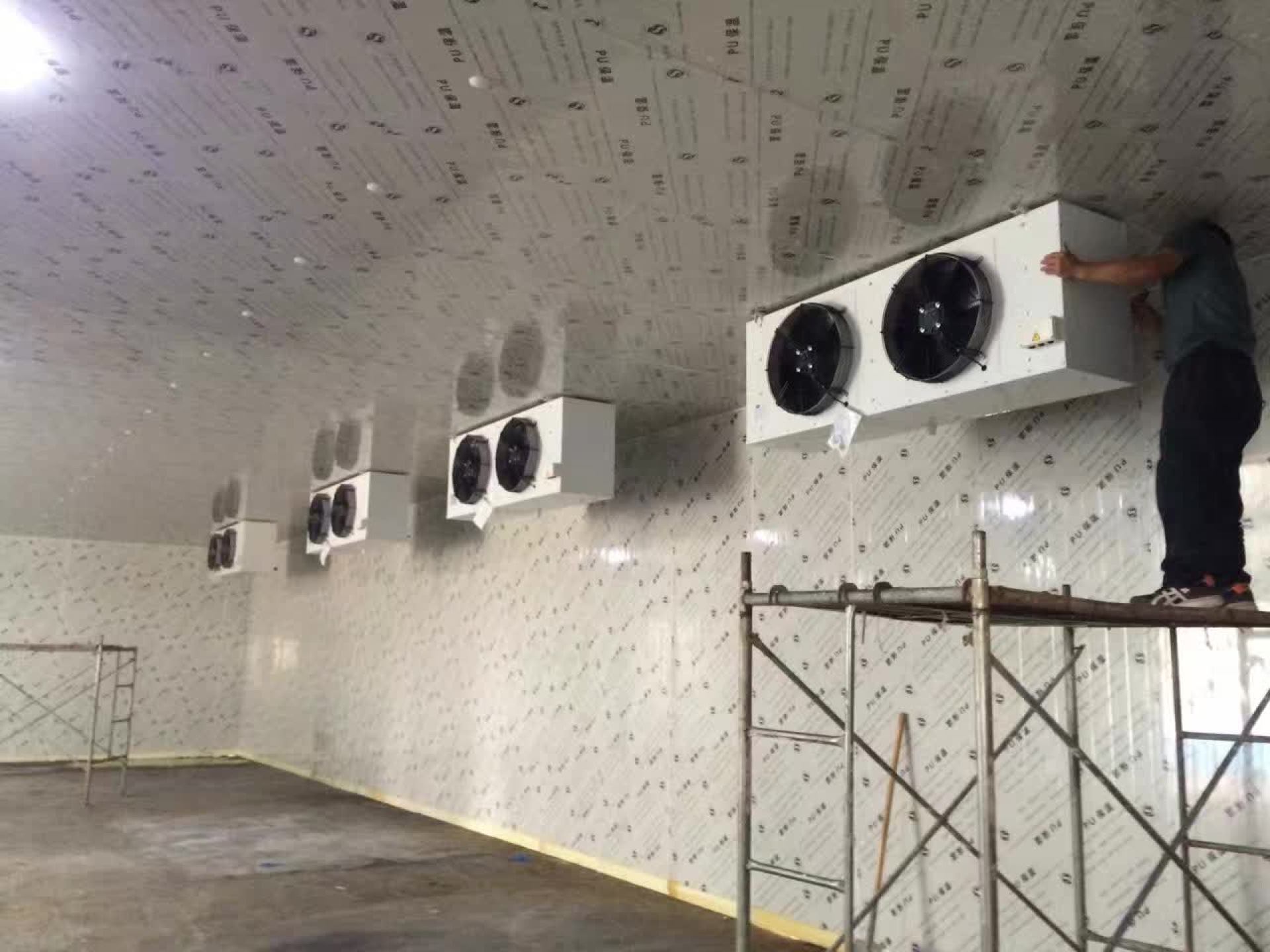
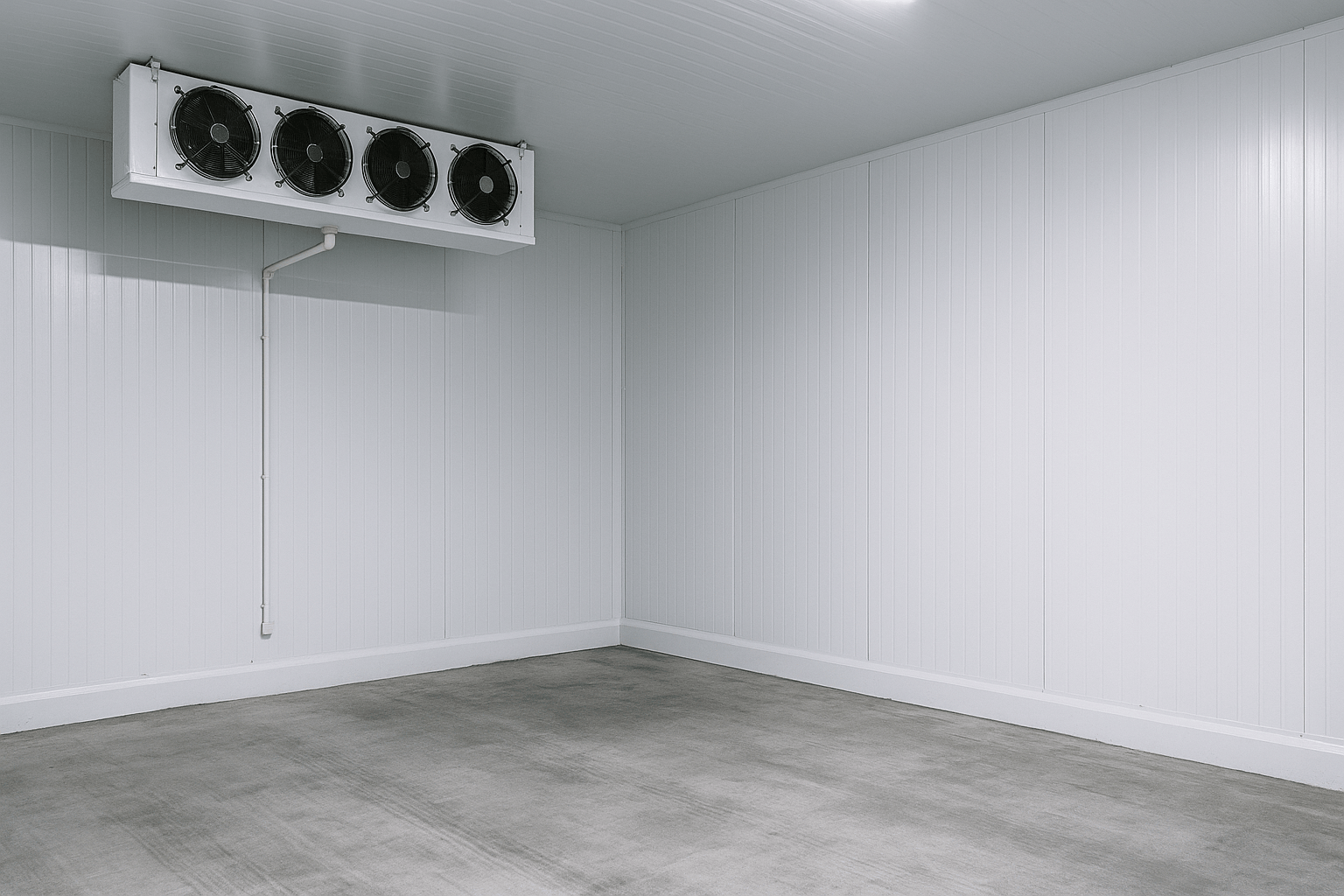
Cold room panels are prefabricated, insulated panels used in constructing cold storage rooms and temperature-controlled environments. Their primary function is to ensure minimal thermal transfer, helping maintain a consistent internal temperature regardless of outside conditions.
These panels are typically constructed using high-performance insulation materials sandwiched between durable outer layers like galvanized steel or aluminum. This multi-layer structure not only improves thermal efficiency but also enhances the overall strength and longevity of the panels.
Key Features of Cold Room Panels
1. Superior Insulation Materials
The core of a cold room panel is its insulation material, which determines how well it maintains a specific temperature. Common options include:
- Polyurethane (PU): Known for its excellent thermal conductivity, PU is lightweight yet highly effective in preventing heat transfer.
- Polyisocyanurate (PIR): PIR offers superior fire resistance alongside exceptional insulation properties, making it a preferred choice for high-risk applications.
- Expanded Polystyrene (EPS): This cost-effective material is lightweight, versatile, and boasts reliable insulation. EPS is particularly well-suited for projects with tight budgets.
The choice of insulation material depends on the specific requirements of the industry, including temperature range, fire safety standards, and budget.
2. Durability and Longevity
Cold room panels are engineered to withstand harsh conditions without compromising performance. The outer layers, often made of galvanized steel, stainless steel, or coated aluminum, offer excellent resistance to corrosion, wear, and tear. This durability reduces maintenance costs and ensures the panels remain functional for years, even in demanding environments.
3. Modular Design
A standout feature of cold room panels is their modular design. They are easy to assemble and disassemble, making them ideal for facilities that need frequent modifications or expansions. This flexibility allows businesses to scale their operations efficiently without incurring excessive construction costs.
4. Hygienic, Non-Porous Surfaces
Food and pharmaceutical facilities need surfaces and joints that can be cleaned effectively. Specify suitable panel facings, joint details and cleaning procedures for the application; the presence of insulated panels alone does not establish regulatory compliance.
5. Fire Resistance
Fire performance must be checked against the test report for the complete panel assembly and the requirements of the project. A PIR core alone does not establish a fire rating or suitability for storing flammable materials. Confirm the specification with the project designer and insurer.
For building construction and safety background, see NFPA 5000 (2024). Confirm the tested fire classification of the proposed panel system against the project’s applicable requirements.
6. Energy Efficiency
High-quality insulation materials significantly reduce energy consumption by minimizing heat exchange between the internal and external environments. This leads to lower operational costs and a reduced carbon footprint, making cold room panels an environmentally friendly choice.
Further reading: IIR — Improving the energy performance of cold stores.
Applications of Cold Room Panels
1. Pharmaceutical Cold Rooms
The pharmaceutical industry relies heavily on temperature-controlled storage to maintain the efficacy of temperature-sensitive products like vaccines, medicines, and biological samples. For example:
- Many vaccines are stored within a +2°C to +8°C cold chain; always follow the storage conditions specified for the individual vaccine. See WHO’s guidance on vaccine temperature conditions.
- Some biopharmaceuticals require frozen or ultra-low-temperature storage. Follow the manufacturer’s specified range for the individual product.
Cold room panels form the insulated enclosure. Product storage also depends on a suitable refrigeration system, temperature monitoring, cleaning and the handling requirements specified for each product.
👉 Learn more: FDA Guidance for Industry – Stability Testing
2. Food Storage and Preservation
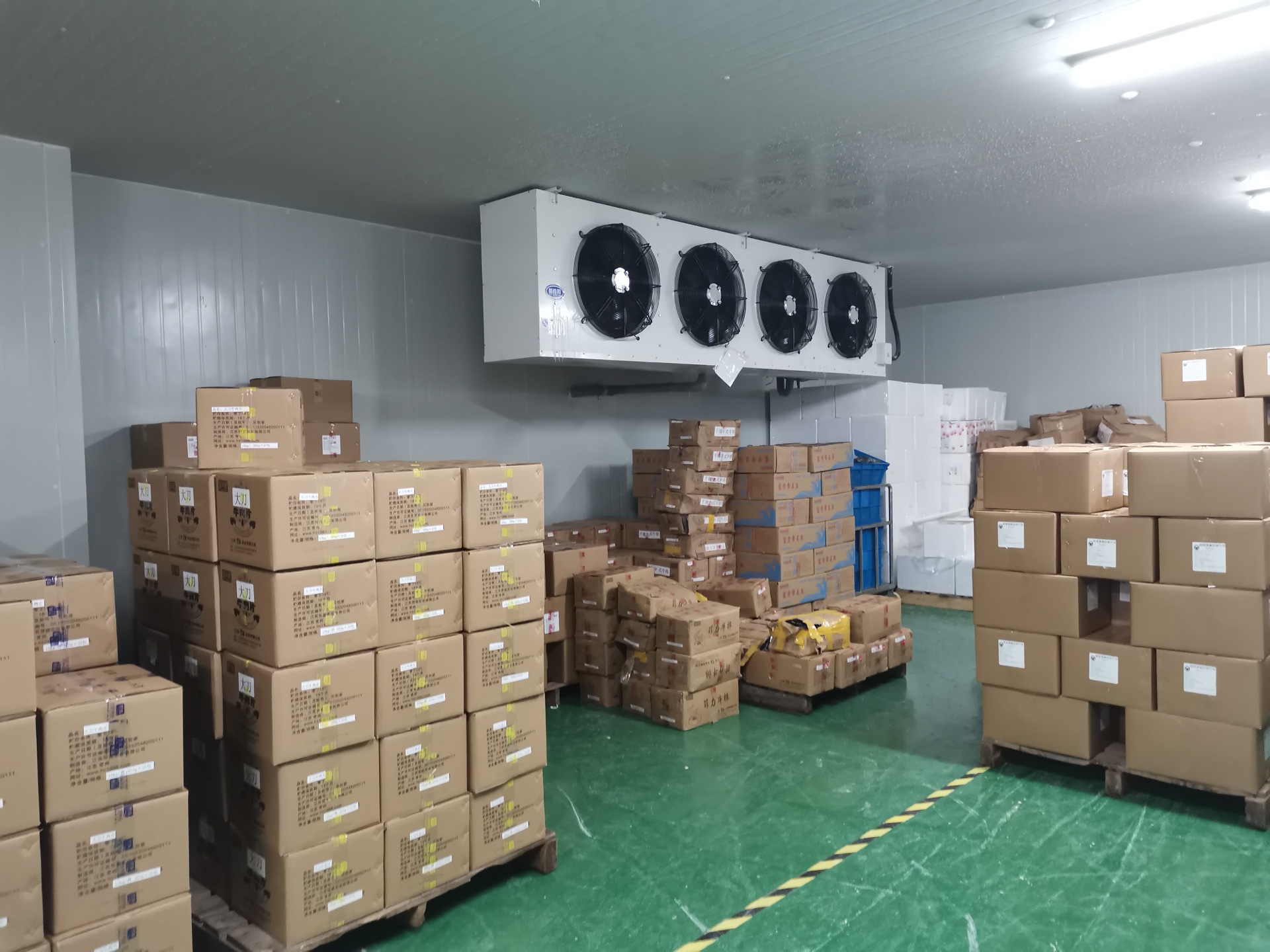
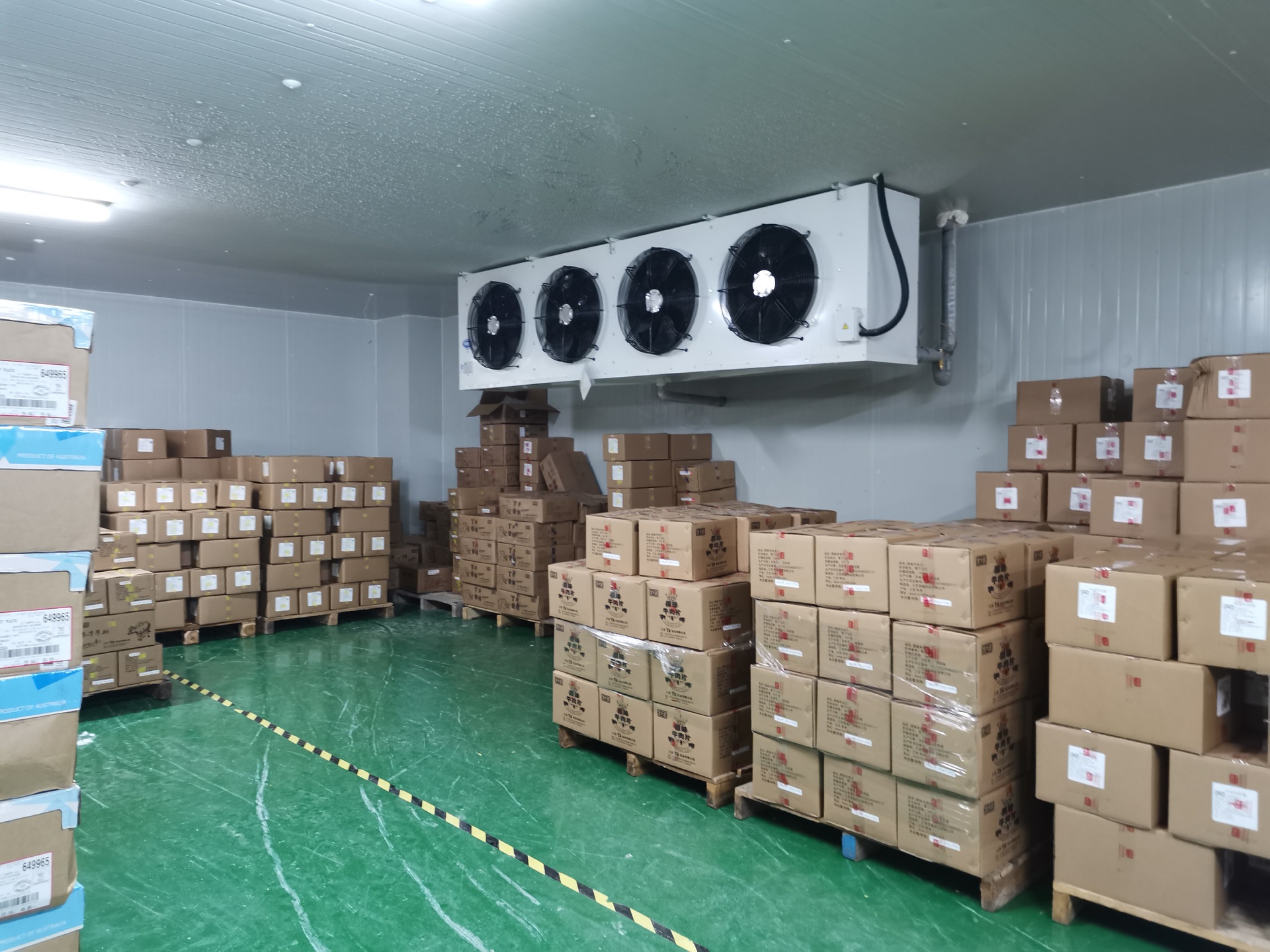
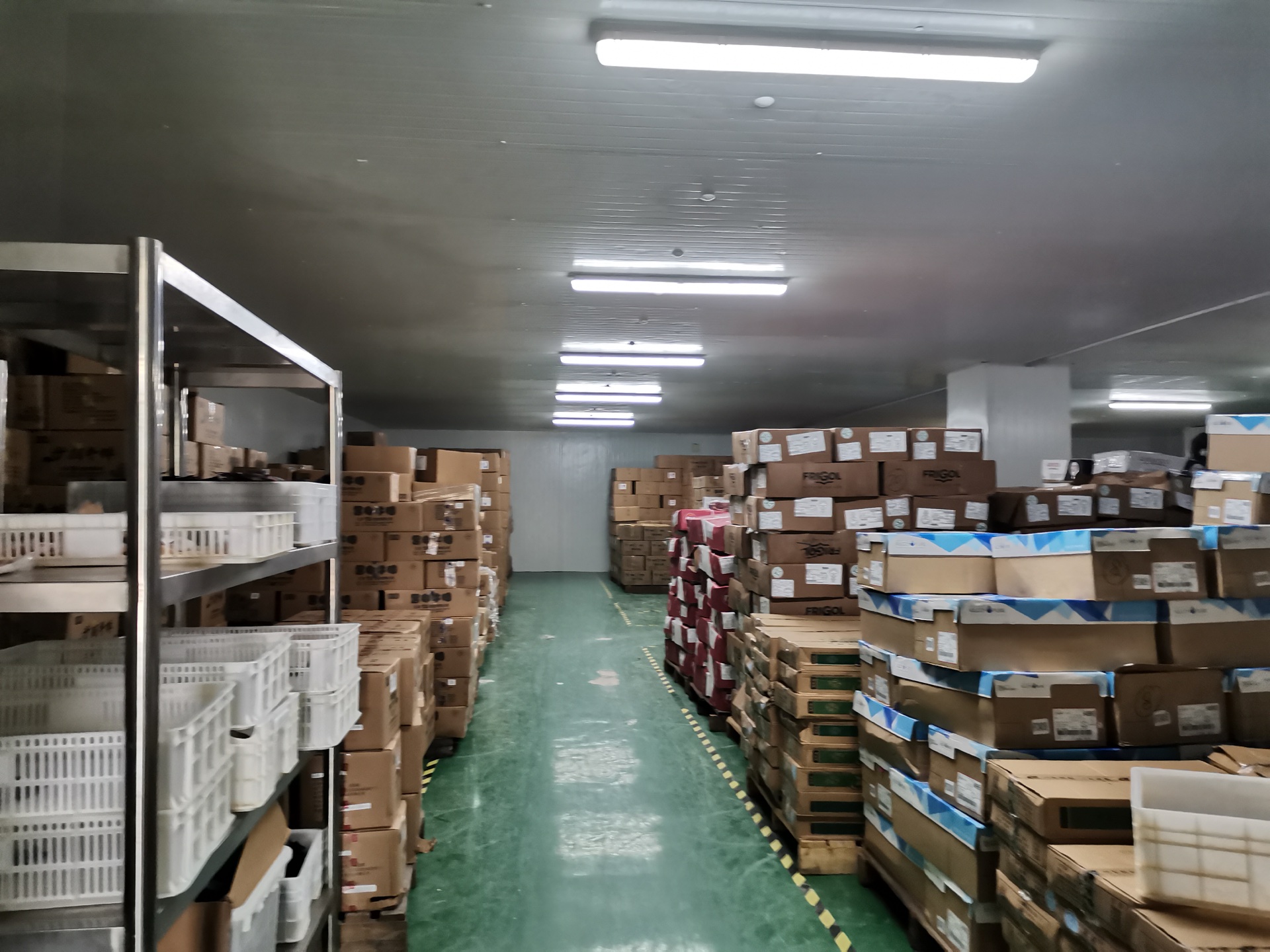
Maintaining an unbroken cold chain is vital for preserving food quality, reducing waste, and ensuring food safety. Cold room panels are widely used in:
- Meat Processing Plants: To store raw or processed meat at optimal temperatures.
- Dairy Facilities: Ensuring milk, cheese, and other dairy products stay fresh.
- Produce Storage: Preventing spoilage of fruits and vegetables by maintaining precise humidity and temperature levels.
Frozen and perishable foods benefit greatly from the insulating properties of these panels, which keep storage environments consistently cold and energy-efficient.
Reference: EFSA guidance on proper food handling and storage.
3. Chemical and Industrial Applications
Certain industrial processes and chemical products require controlled storage conditions. Cold room panels help maintain the necessary temperature for volatile chemicals, adhesives, and other temperature-sensitive industrial goods. Any chemical-storage application requires a separate assessment of material compatibility, fire protection and the applicable storage requirements.
4. Logistical and Retail Solutions
Supermarkets and logistics companies use cold rooms to store and transport goods. Modular cold rooms equipped with these panels allow for on-demand temperature-controlled storage, ensuring seamless supply chain operations.
The Long-Term Benefits of Investing in High-Quality Panels
Choosing high-quality cold room panels may represent a higher initial investment, but the long-term benefits far outweigh the upfront costs. Here’s why:
- Energy Savings: Superior insulation leads to lower energy bills, reducing operating costs significantly over time.
- Operational Efficiency: Reliable, durable panels minimize repair and maintenance needs, allowing businesses to focus on their core operations.
- Flexibility: Modular designs enable businesses to adapt quickly to changes in operational demands, ensuring scalability and cost-effectiveness.
- Product Integrity: Maintaining consistent temperatures ensures that sensitive products—be it vaccines or fresh produce—retain their quality and safety.
For businesses in pharmaceuticals, food production, or industrial sectors, investing in premium cold room panels is an investment in operational excellence and long-term cost savings.
Final Thoughts
Cold room panels are integral to the efficient functioning of numerous industries, providing the insulation, durability, and flexibility needed for diverse applications. From preserving valuable vaccines to ensuring fresh produce reaches consumers in peak condition, these panels enable businesses to thrive in today’s demanding environment.
By choosing the right cold room panels, companies can not only meet industry standards but also achieve greater energy efficiency, operational flexibility, and long-term savings. If you’re planning to upgrade or build a temperature-controlled facility, investing in high-quality cold room panels is a decision you won’t regret.
Save energy, maintain quality, and secure your operations with the right cold room panel solutions.