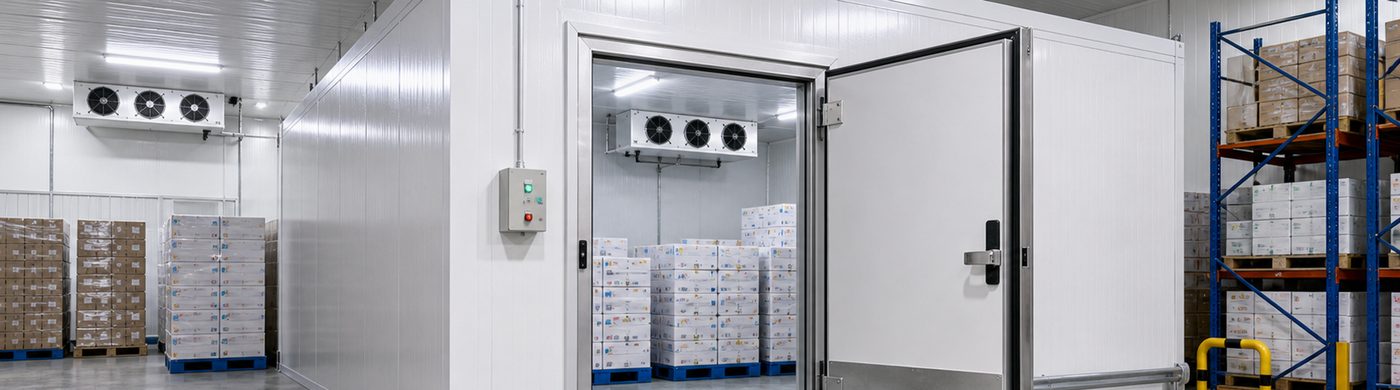
Commercial Walk In Freezer System for Frozen Storage Projects
A walk in freezer is an insulated room system, not only a box with refrigeration equipment. Reliable frozen storage depends on freezer panel thickness, vapor sealing, freezer door design, refrigeration capacity, airflow, floor insulation, drainage, electrical control and daily loading practice. JiangNan supports export walk in freezer projects with panels, doors, refrigeration equipment, accessories and practical installation guidance.
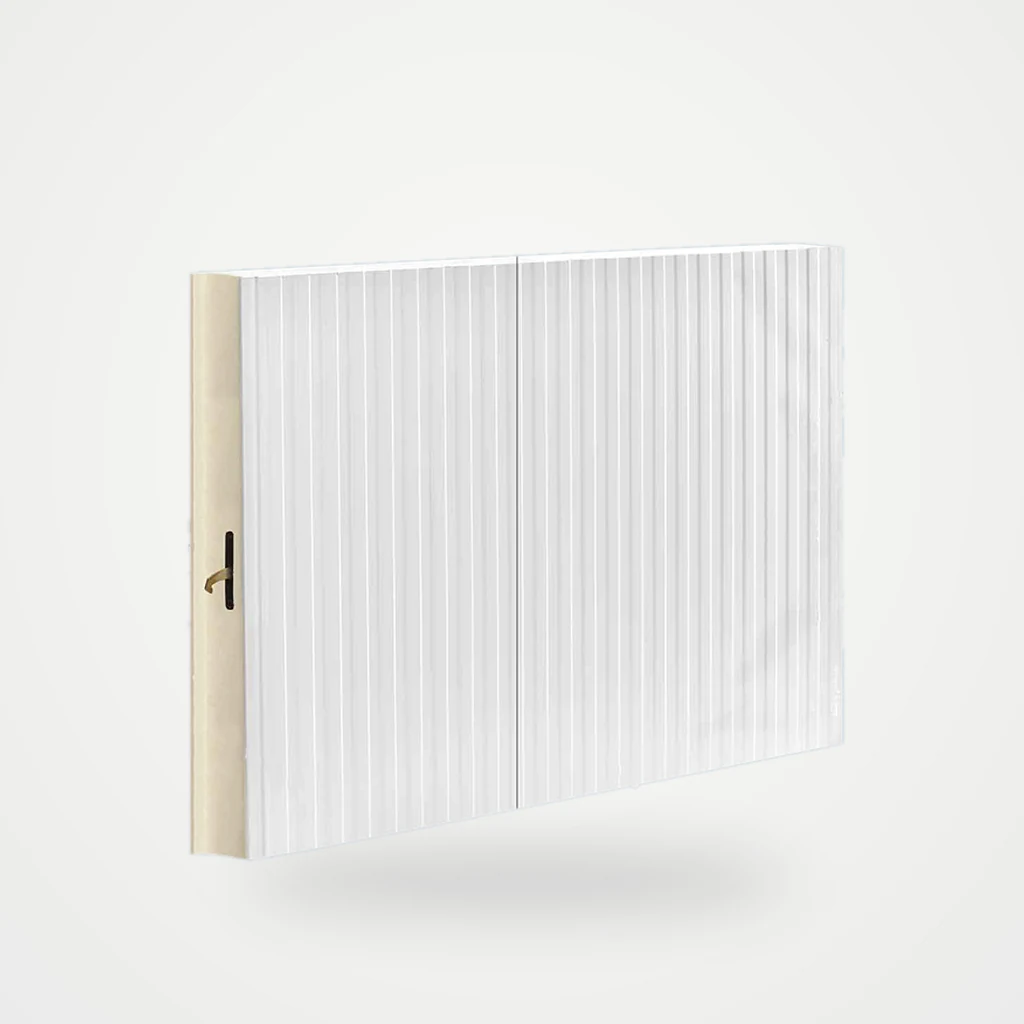
Walk In Freezer Engineering Overview
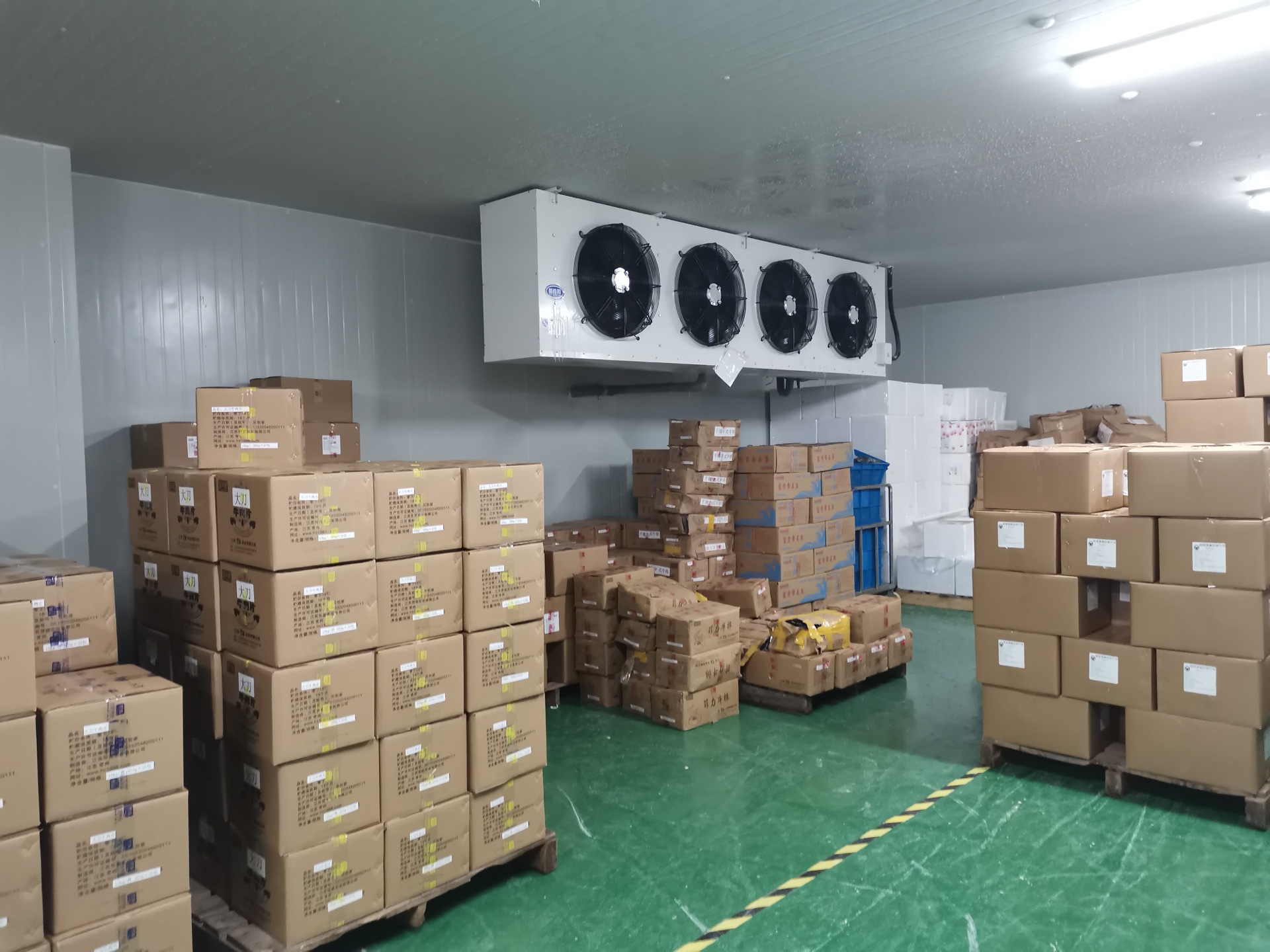
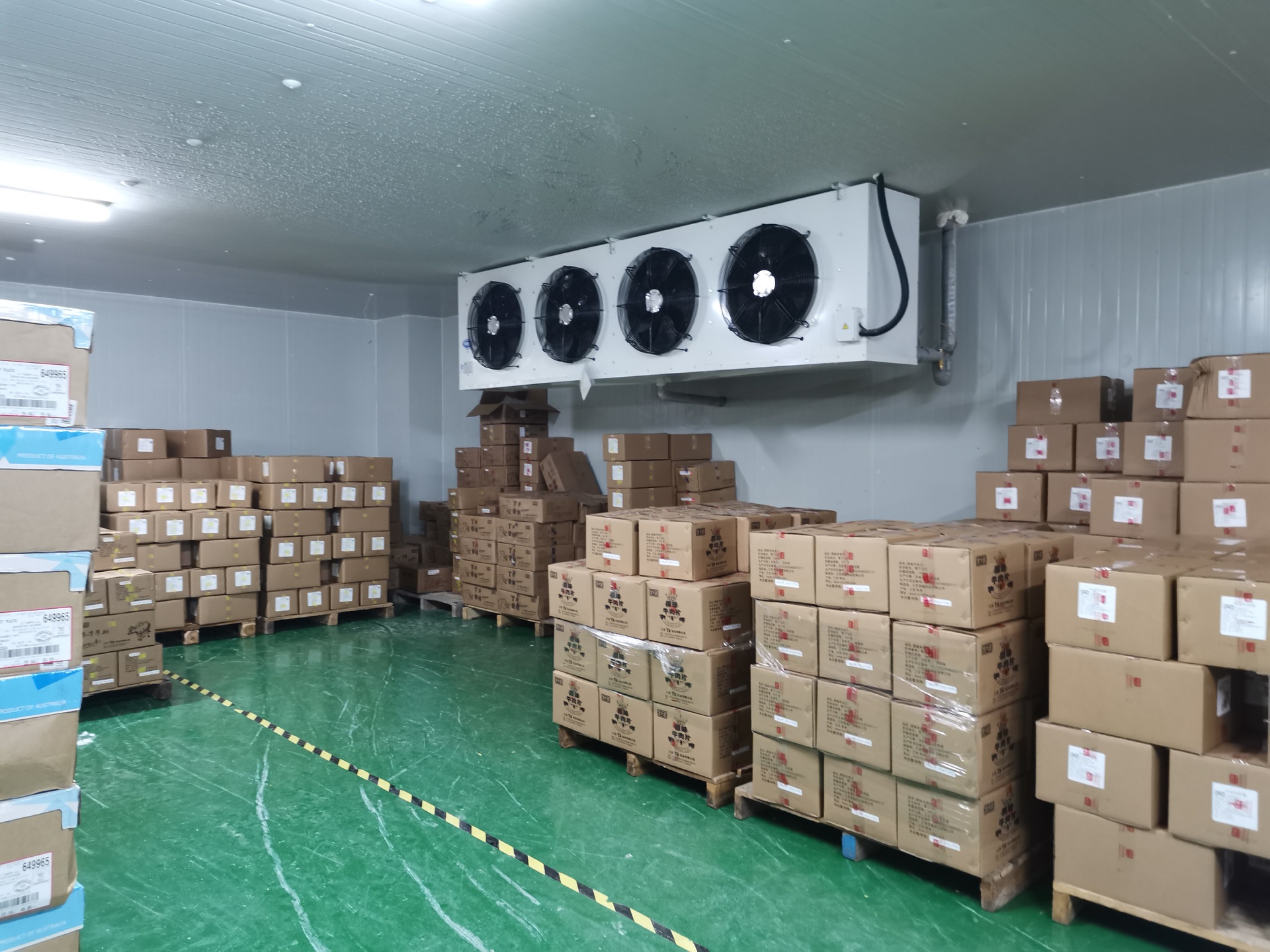
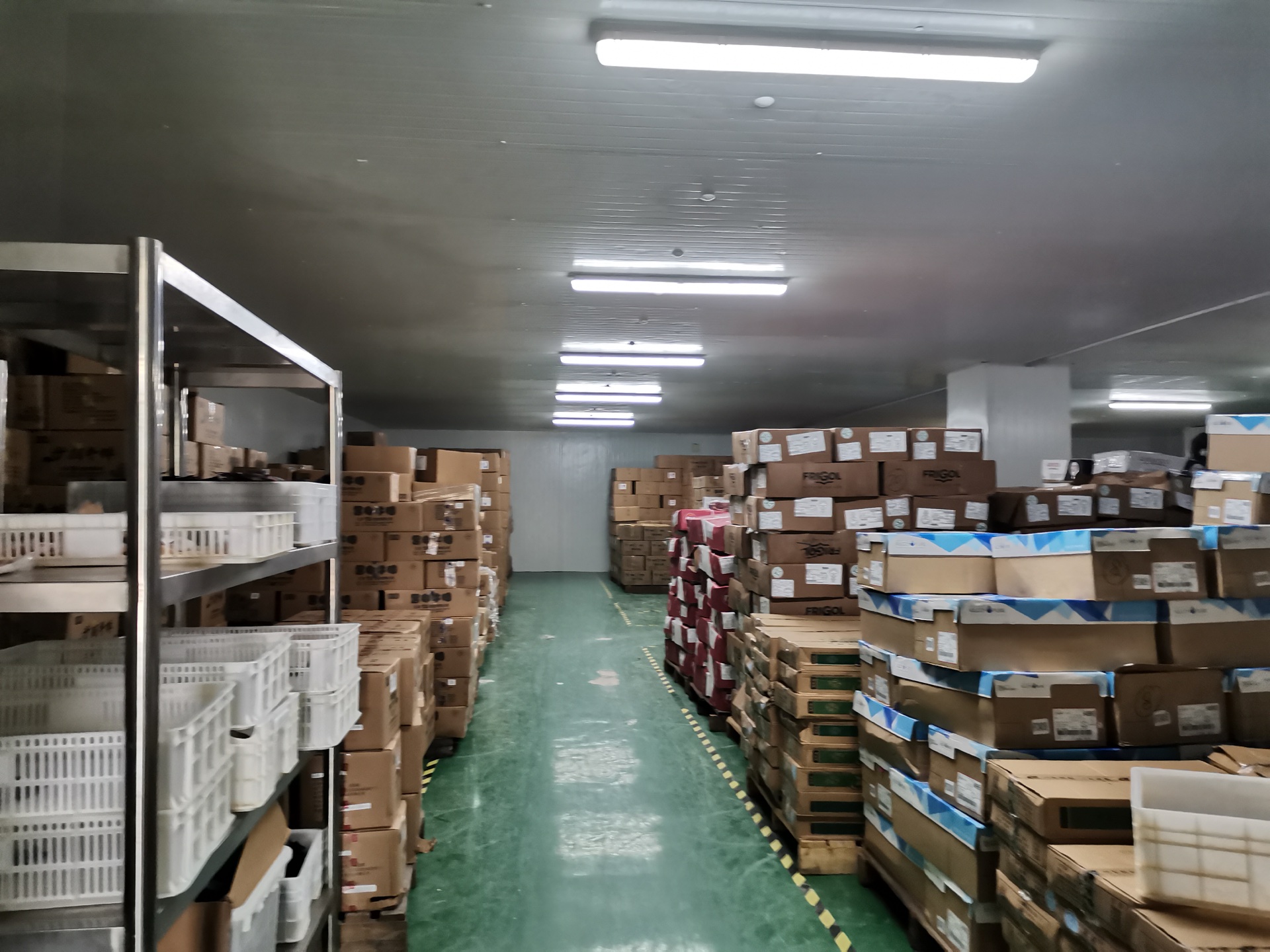
In B2B cold storage projects, a walk in freezer must hold product temperature under real operating conditions. The room may be used for frozen meat, seafood, ice cream, prepared food, supermarket stock or pharmaceutical materials. Each product has different loading temperature, storage density and door opening frequency. These details change the heat load and affect long-term energy cost.
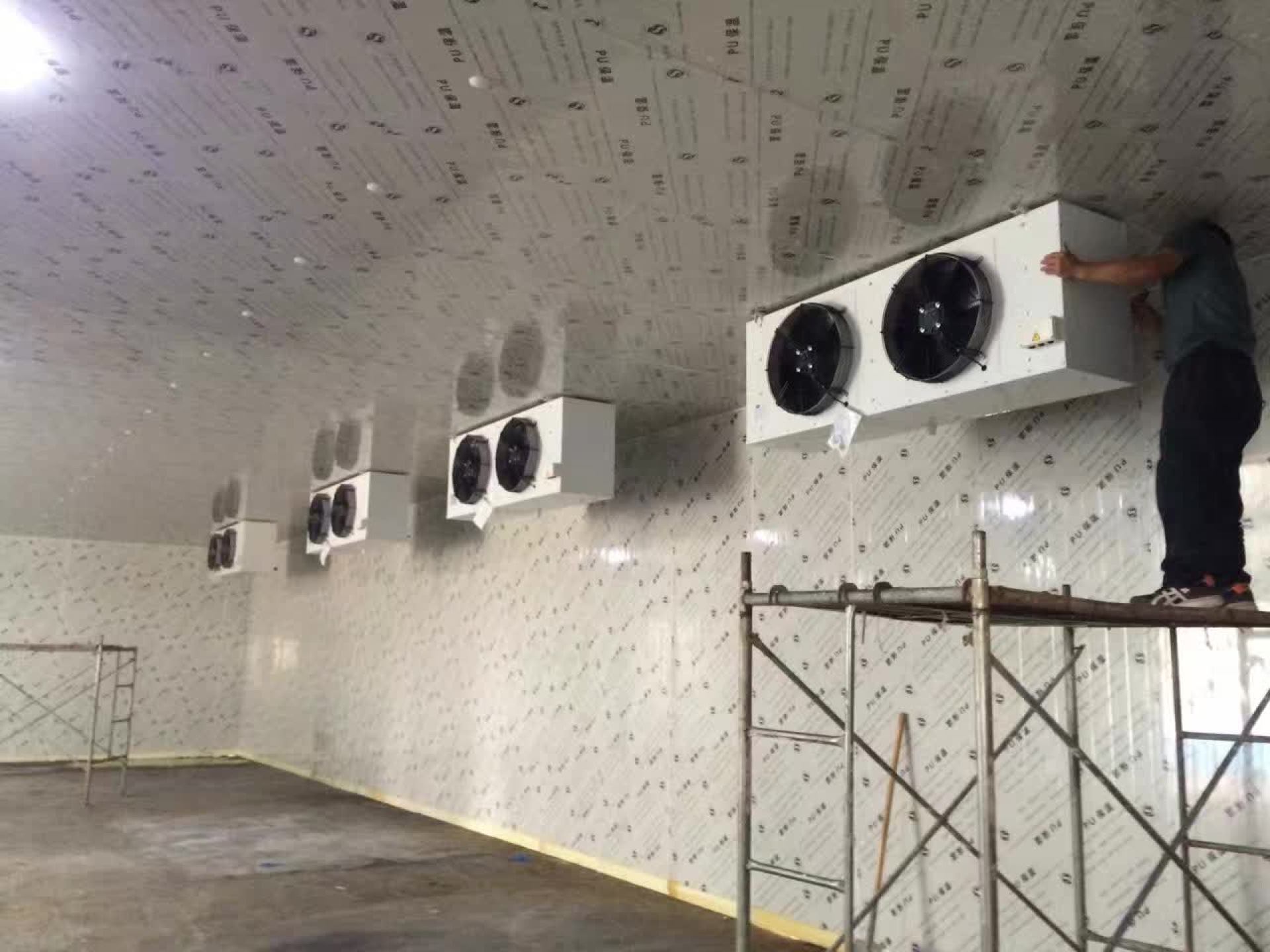
JiangNan treats the walk in freezer as a complete cold room envelope. The freezer panel joint must be tight, the door should seal correctly, floor insulation must reduce heat transfer from the ground, and the refrigeration system should match the room size and product load. A low quotation that ignores these points can lead to high electricity cost, frost around the door, slow pull-down or uneven product temperature.
Insulated Freezer Envelope
PU or PIR cam-lock panels, floor insulation and careful vapor sealing help reduce heat gain and stabilize freezer operation.
Freezer Door Selection
Hinged or sliding freezer doors can be selected according to opening size, traffic pattern, temperature and available aisle space.
Matched Refrigeration System
Air cooler, condensing unit, defrost method and control box should be selected after confirming room load and ambient condition.
Export Installation Support
Panel numbering, packing list, accessory checking and container loading support help reduce installation mistakes at site.
Technical Specifications
Final specifications depend on product temperature, ambient temperature, loading quantity, room size, door traffic and local electrical standard. The table below gives a practical reference for commercial walk in freezer design and quotation.
| Panel Thickness | 100 mm, 120 mm, 150 mm or 200 mm according to freezer temperature and ambient condition |
|---|---|
| Steel Thickness | Commonly 0.4 mm to 0.6 mm steel skin; stainless steel option for hygienic or wet areas |
| PU Density | Typically 40-45 kg/m³ for cold room insulated panels, confirmed by project requirement |
| Thermal Conductivity | Low thermal conductivity PU/PIR insulation, normally around 0.022 W/(m·K) depending on panel type |
| Fire Rating | PU or PIR selection according to project specification, local requirement and documentation needs |
| Joint Type | Cam-lock joint or tongue-and-groove type joint with sealant and vapor barrier details |
| Available Width | Common modular panel width around 960 mm to 1200 mm depending on production specification |
| Maximum Length | Project-based panel length; container loading and site handling should be checked before production |
| Surface Materials | Color coated steel, stainless steel, embossed aluminum or project-specific metal surface |
| Operating Temperature | Common frozen storage at -18 °C to -25 °C; lower temperature rooms require engineering review |
| Door System | Hinged freezer door or sliding freezer door with gasket, heater and inside safety release by design |
| Refrigeration System | Condensing unit, air cooler, control box, defrost system and piping selected by heat load calculation |
Related Walk In Freezer Projects
The project references below link to existing JiangNan pages. Exact dimensions and equipment configuration should be confirmed by drawing; the table shows typical freezer selection points used during quotation.
| Project Reference | Temperature | Room Size | Panel Thickness | Short Description | Internal Link |
|---|---|---|---|---|---|
| JiangNan Cold Room Project Gallery | 0 °C to -25 °C project range | Confirmed by layout drawing | 100 mm / 150 mm by design | Reference for freezer room envelope, door matching and site installation conditions. | View Projects |
| Freezer Room Storage | -18 °C to -25 °C common range | Project dependent | 100 mm / 150 mm | Freezer panel thickness, heated door and defrost method should be reviewed together. | Freezer Room |
| Supermarket Frozen Back Room | -18 °C freezer zone | Back-room storage | 100 mm / 150 mm | Designed for frequent goods movement between storage and sales or preparation areas. | Supermarket Cold Room |
| Cold Room Panel System | 0 °C to -35 °C by insulation design | Confirmed by panel layout | 100 mm / 150 mm / 200 mm | Panel selection controls heat gain, energy cost and installation quality. | Cold Room Panel |
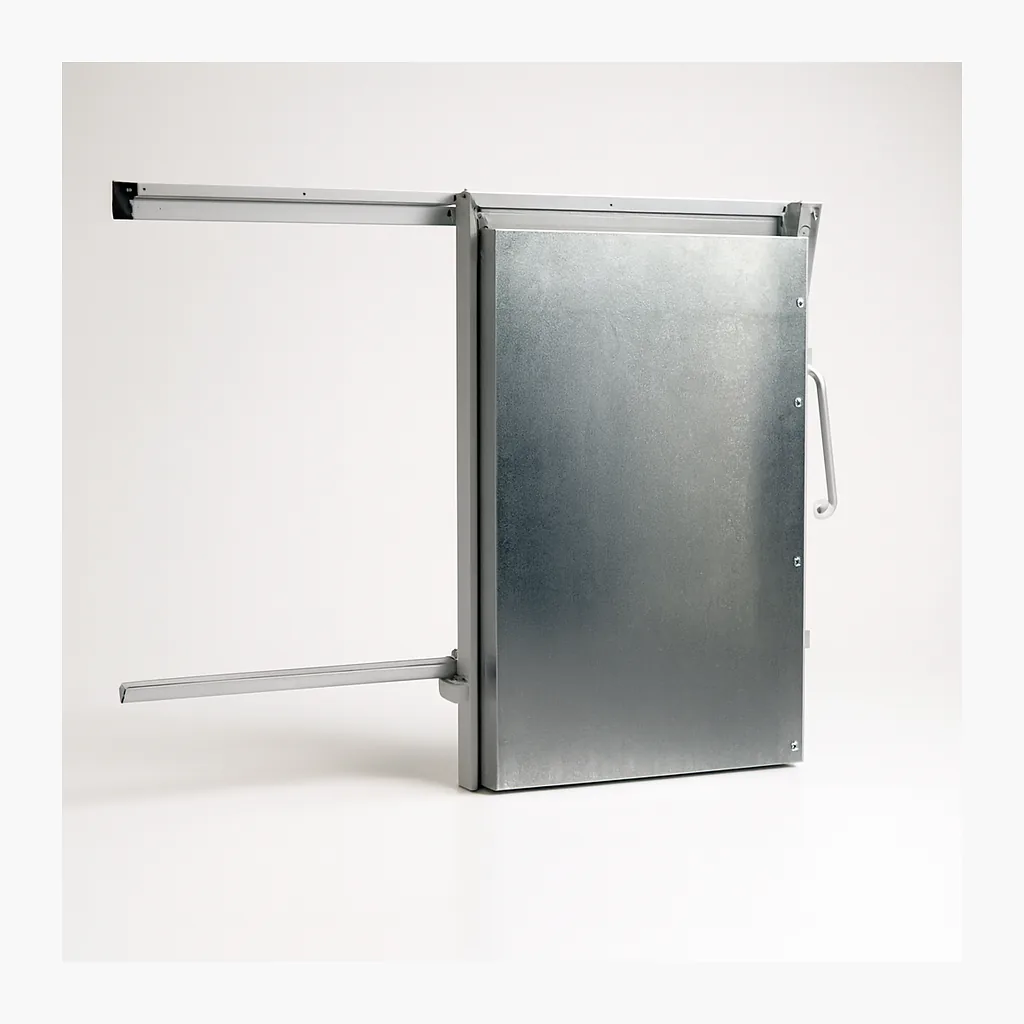
| Sliding Door for Freezer Access | -18 °C to -25 °C | Large opening or trolley traffic | Door thickness by design | Sliding freezer doors help improve access when a hinged door blocks the aisle. | Cold Room Sliding Door |
Request a Walk In Freezer Quotation
Send your room size and temperature requirement. JiangNan will provide a freezer panel, door, refrigeration and quotation suggestion within 24 hours.
Walk In Freezer Factory and Component Photos
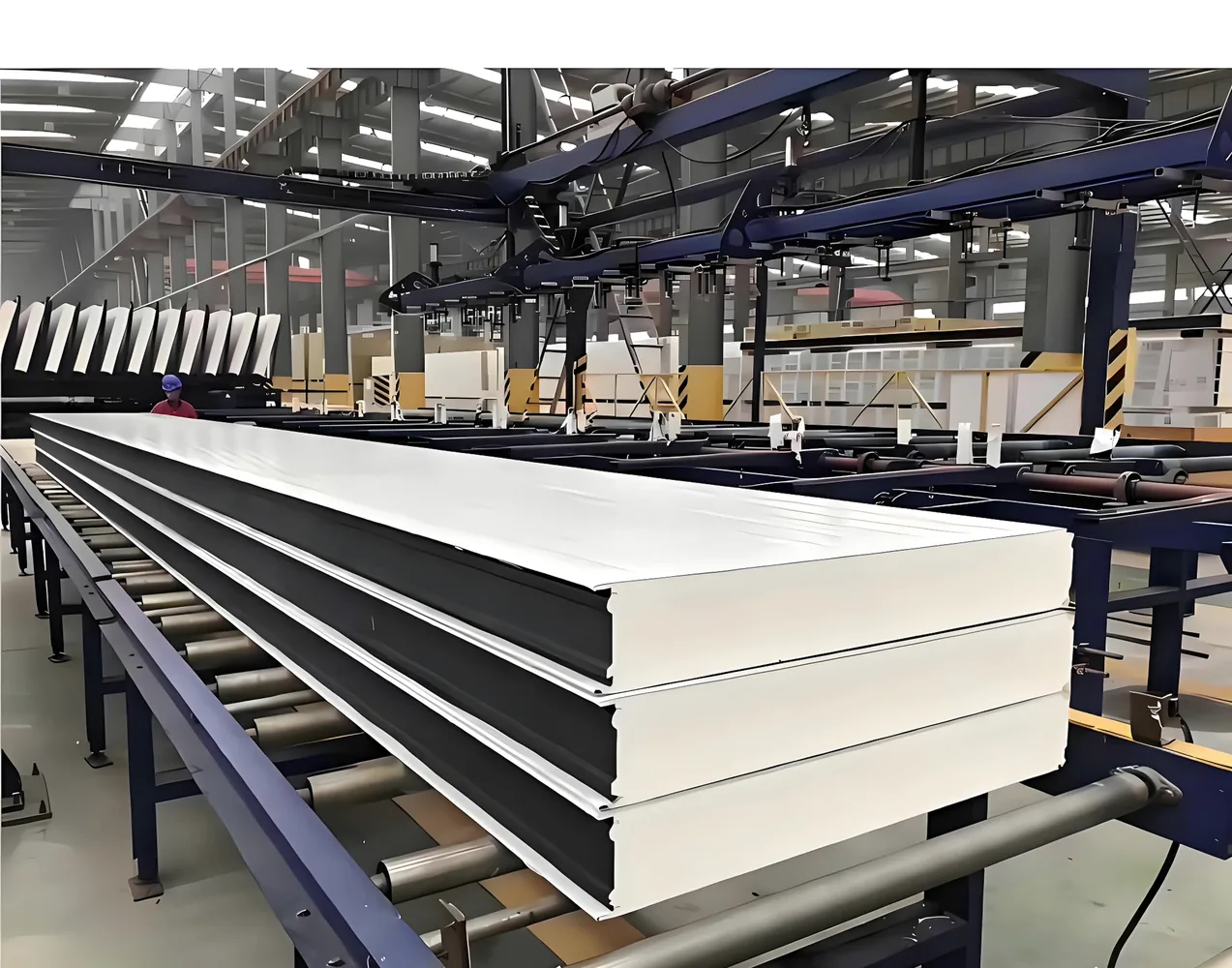
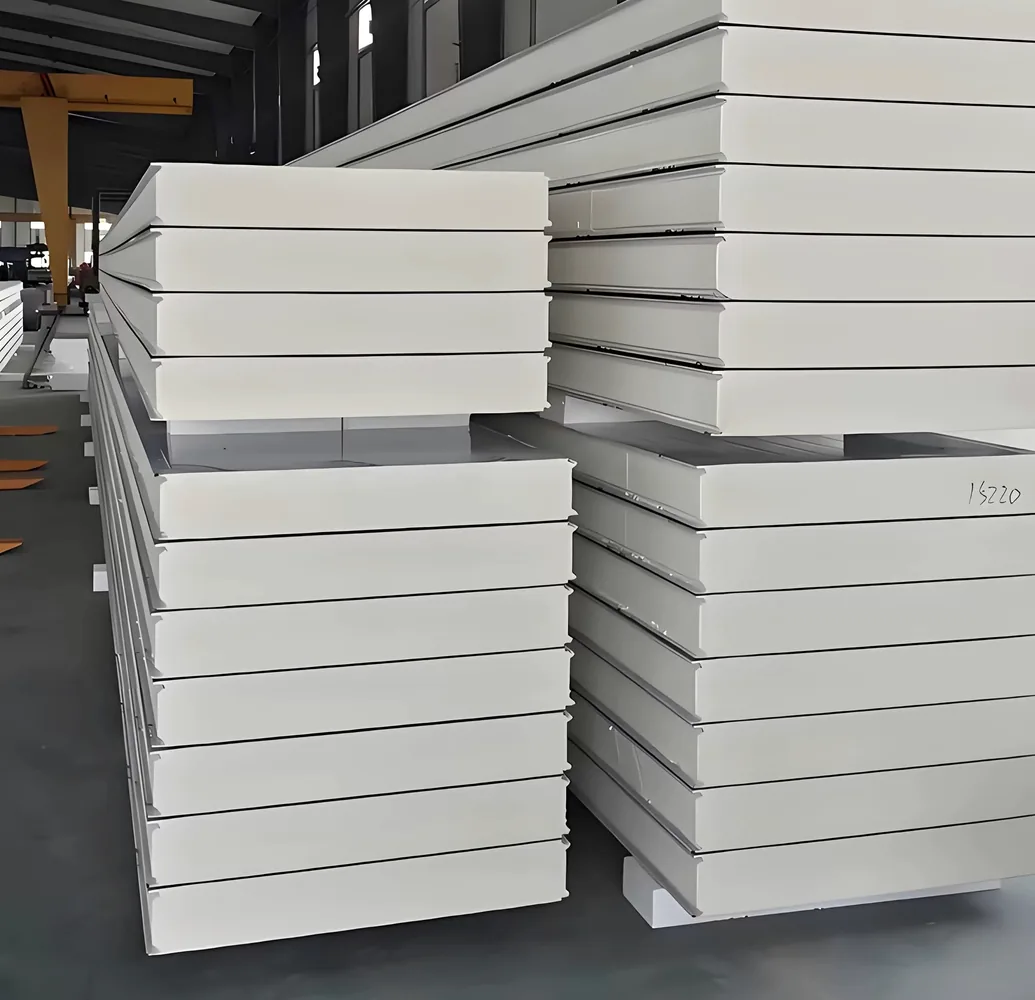
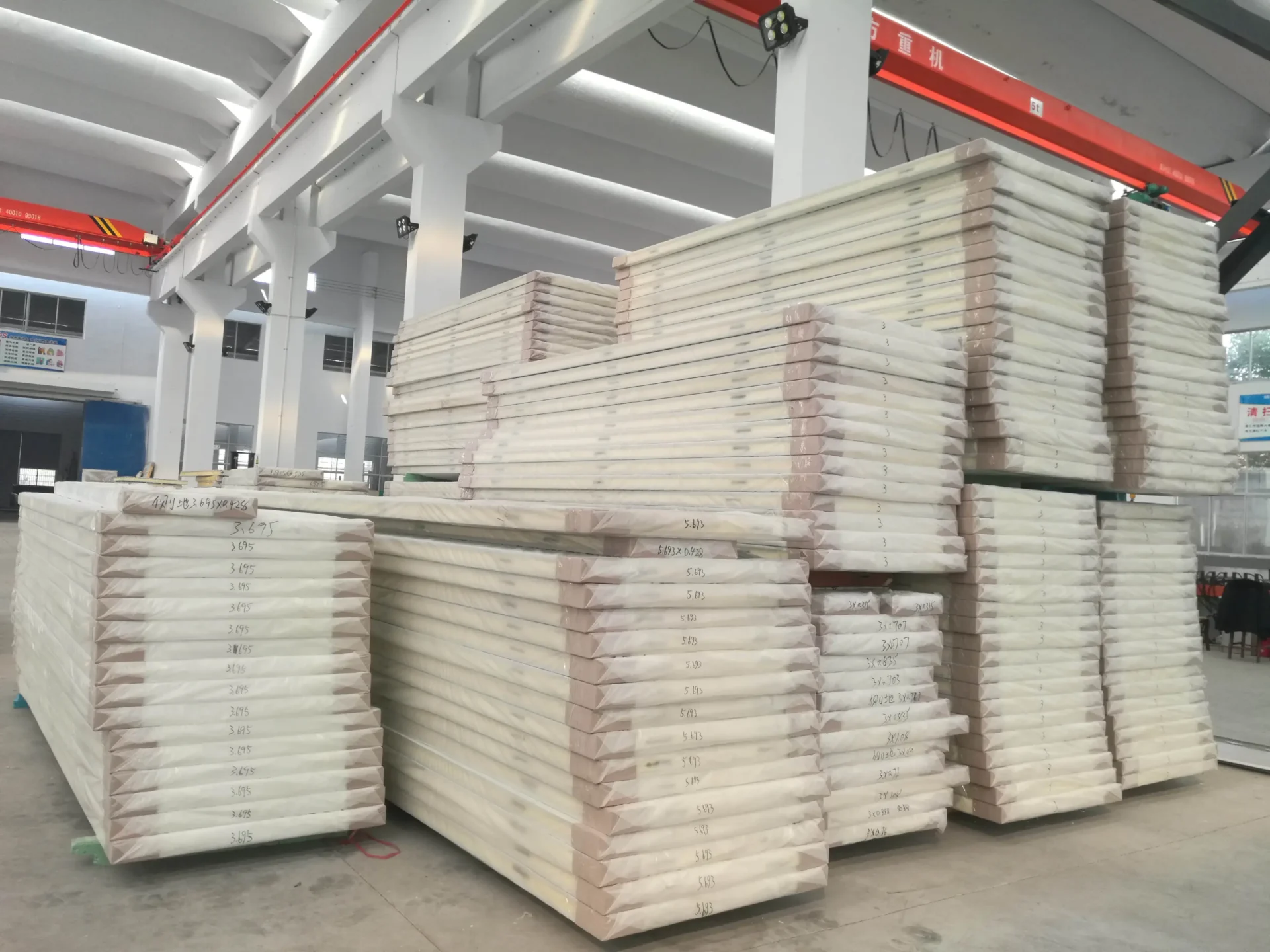
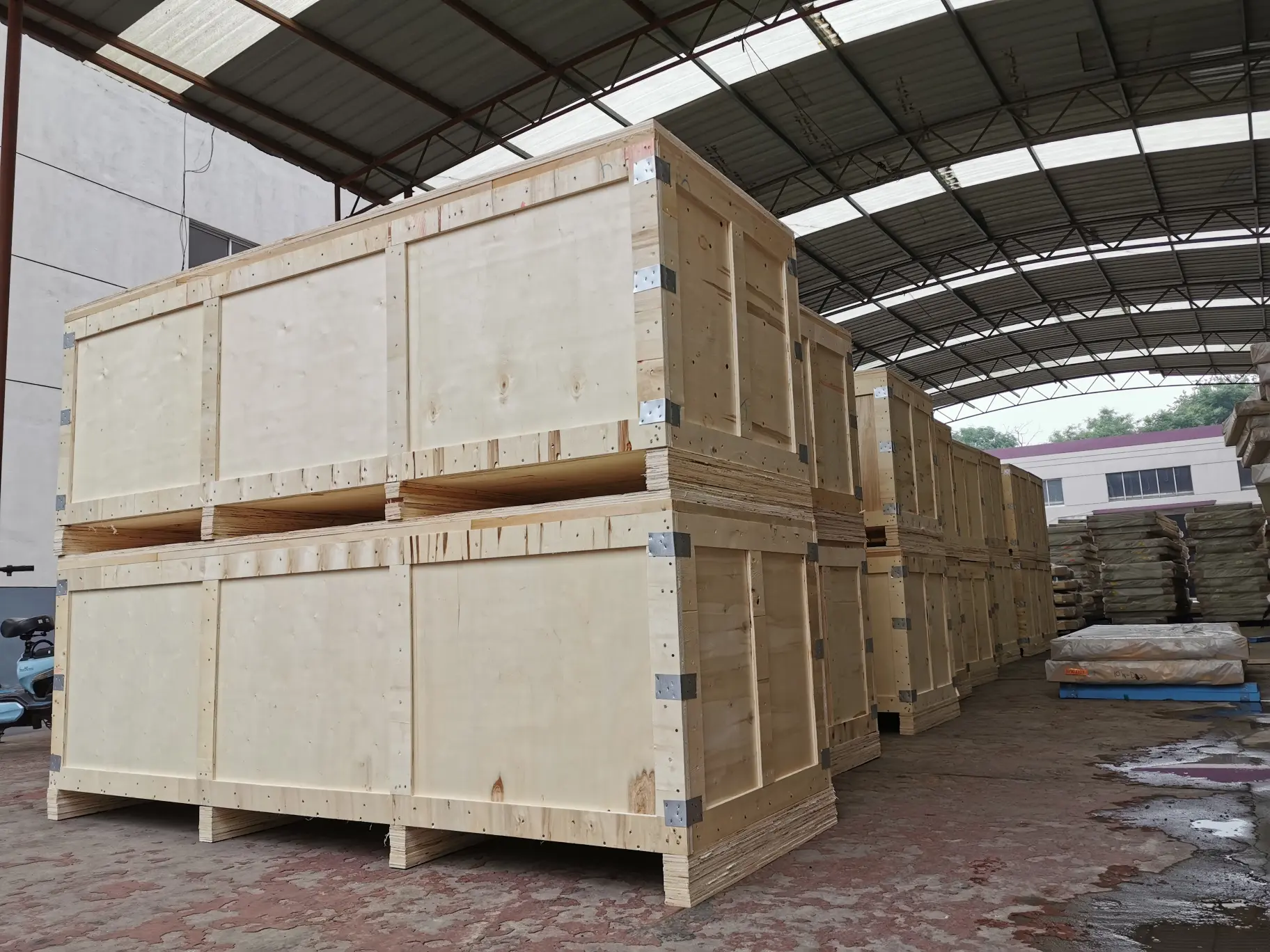
The current walk in freezer article photos are JPG, so this upgraded section uses existing WebP media from the JiangNan library. The images focus on real freezer components: insulated panels, factory production, panel stacking, loading preparation and door matching.
How to Choose a Walk In Freezer System
The correct freezer system is selected from temperature and operation data first, then from panels and refrigeration equipment. A small bakery freezer, a seafood warehouse and a frozen food distribution room may all use the same product name, but they need different insulation, door and refrigeration decisions.
1. Confirm Product and Storage Temperature
Most frozen food storage projects use -18 °C to -25 °C. Seafood, ice cream or special industrial products may require lower temperature. The product loading temperature is important: storing already frozen products is different from pulling warm products down to frozen condition. If the freezer is expected to freeze product quickly, a blast freezer system may be more suitable than a normal walk in freezer.
| Panel Thickness | Temperature Range | Typical Use |
|---|---|---|
| 50 mm | +10 °C to +15 °C | High temperature storage or preparation rooms, not recommended for freezer storage. |
| 75 mm | 0 °C to +10 °C | Chiller rooms for vegetables, fruit, dairy or beverage storage. |
| 100 mm | -18 °C to 0 °C | Light freezer rooms or short-term frozen storage in mild conditions. |
| 150 mm | -35 °C to -18 °C | Common choice for commercial freezer rooms and frozen food storage. |
| 200 mm | Below -35 °C | Low temperature freezer rooms requiring project-specific engineering review. |
2. Check Room Size, Floor and Door Traffic
Room length, width and height decide panel quantity and refrigeration load. The floor should be designed for insulation, vapor barrier and loading weight. Door traffic affects heat gain strongly, especially when workers move goods by trolley or forklift. A sliding door may be more suitable for larger openings, while a hinged freezer door may be enough for small rooms.
3. Match Refrigeration Capacity and Airflow
The air cooler should provide stable airflow without blocking by pallets. The condensing unit should match ambient temperature and local voltage. Defrost method, drainage heating, controller setting and service access should be checked before shipment. Oversized equipment can waste energy; undersized equipment may never reach the target temperature under real loading conditions.
4. Plan Export Packing and Installation
For export projects, the freezer is easier to install when panels are numbered and accessories are packed by room. Door frame parts, heater cables, screws, sealant, control parts and refrigeration accessories should be checked against the packing list. Container loading should protect panel edges and long parts.
Applications
Walk in freezer systems are used in food, pharmaceutical and logistics projects where frozen product quality and stable storage temperature matter. JiangNan can adjust panel thickness, door type, surface material and refrigeration configuration by application.
- Seafood Cold Storage
- Meat Processing Freezer Room
- Frozen Dairy and Ice Cream Storage
- Vegetable and Fruit Frozen Storage
- Pharmaceutical Cold Room
- Cold Chain Logistics Warehouse
- Supermarket Frozen Back Room
- Frozen Food Distribution Center
Manufacturing, Installation and Commissioning Notes
Before production, JiangNan checks panel thickness, surface material, door type, refrigeration equipment, voltage, packing method and installation sequence. During installation, the floor level, panel alignment, corner sealing, ceiling support, door frame position, drainage and electrical routing should be checked carefully. A small air gap in a freezer room can become condensation, frost and long-term maintenance trouble.
Commissioning should include temperature pull-down, defrost check, door seal inspection, drainage test, controller setting and user handover. Operators should understand how long the door can stay open, how to stack products for airflow, when to clean condensers and how to respond to alarms.
Why JiangNan
Established in 1997
Long-term experience in cold room panels, cold room doors and complete refrigerated storage systems.
20,000 m² Manufacturing Facility
Factory production supports insulated panels, door preparation, component matching and export packing.
150+ Employees
Technical, production, sales and export teams coordinate drawings, material lists, packing and shipment details.
OEM and ODM Available
Panel thickness, surface material, door type, refrigeration configuration and packing marks can be adjusted by project.
Export Experience
Products are prepared for international transport with panel numbering, packing lists and container loading consideration.
Complete Cold Room Solutions
JiangNan can supply panels, doors, refrigeration units, air coolers, controls and installation accessories together.
Related Products
Related Articles
FAQ
What information is needed to quote a walk in freezer?
Please send country, room length, width and height, target temperature, stored product, product loading temperature, daily loading quantity, door opening frequency, voltage and installation site photos or drawings.
What panel thickness is recommended for a freezer room?
For common frozen storage around -18 °C, 100 mm or 150 mm panels are usually considered. For lower temperature or hot ambient sites, thicker panels and stronger vapor sealing should be reviewed.
Do I need insulated floor panels?
Most walk in freezer rooms need floor insulation and vapor barrier. Without proper floor insulation, heat can enter from the ground and create energy loss or frost problems.
Can a walk in freezer be used to freeze fresh product?
A normal walk in freezer is mainly for frozen storage. If the customer needs to freeze fresh product quickly, a blast freezer system should be reviewed separately.
Which door type should I choose?
Small freezer rooms often use hinged freezer doors. Large openings, trolley traffic or forklift access may require sliding freezer doors or electric sliding doors.
How is refrigeration capacity selected?
Capacity should be selected from room size, panel insulation, product load, ambient temperature, door opening frequency and target temperature. Room size alone is not enough.
Can JiangNan supply a complete walk in freezer set?
Yes. JiangNan can supply panels, doors, refrigeration unit, air cooler, control box, lighting, accessories and packing list for export projects.
How can energy cost be reduced?
Use proper panel thickness, reduce air leakage, choose suitable doors, keep condensers ventilated, manage door opening time and maintain clear airflow around stored products.
How are modular freezer panels packed for export?
Panels should be protected by size and room number. Door parts, screws, sealants, heaters and accessories should be packed clearly so local installers can identify them quickly.
Can the surface material be stainless steel?
Yes. Stainless steel can be selected for wet, hygienic or food processing areas. Color coated steel is common for standard storage rooms when budget control is important.