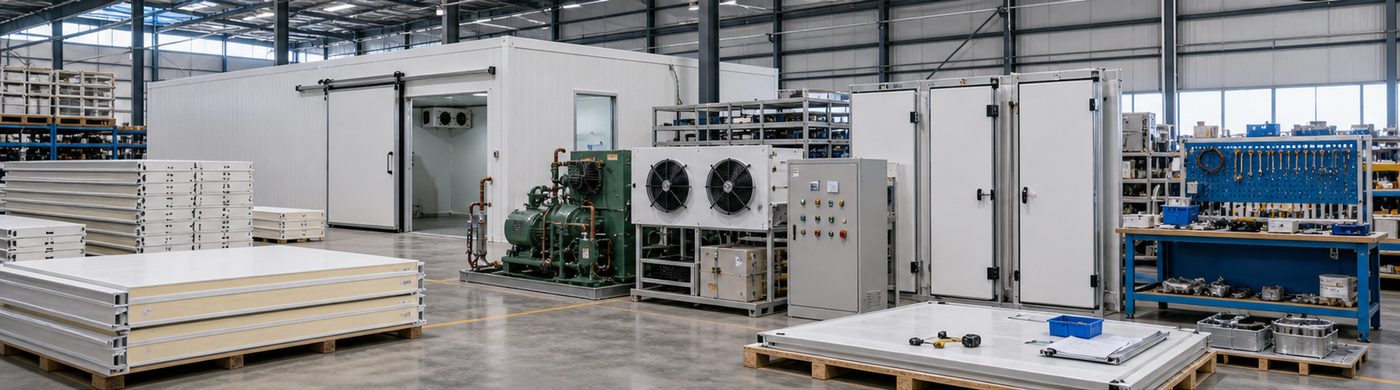
Cold Room Company Guide: Choosing a Reliable Partner for B2B Projects
Choosing a cold room company is also choosing how a project will be coordinated. A buyer may deal with a manufacturer, an equipment supplier, an installation contractor or a business combining several roles. The important question is which responsibilities the named company accepts for your particular order.
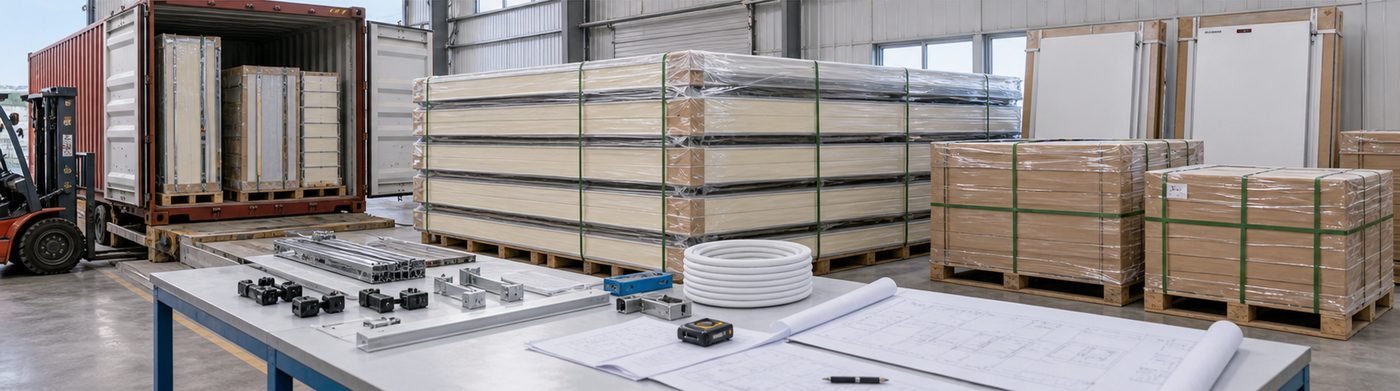
This guide helps a purchasing team evaluate that relationship before work begins. It focuses on decision ownership and project coordination. For factory capability checks, use the separate cold room manufacturer guide; for comparing commercial offers, use the supplier quotation guide.
Identify the role behind the proposal
Ask who will design the enclosure, select refrigeration equipment, prepare drawings, supply components and perform installation. A company may supply a complete material package while a local contractor remains responsible for connections and commissioning. Those roles should be stated clearly rather than inferred from a phrase such as complete solution.
For each major deliverable, record the responsible organisation and the person authorised to approve it. Check which subcontracted or third-party items are included, and how questions about those items will be handled. The buyer needs a working contact route, not merely a list of brand names.
Build a responsibility schedule
Use a short schedule covering design inputs, drawing approval, site preparation, equipment supply, installation and acceptance. Each row should name the party providing information, the party performing the work and the person accepting the result. Keep this schedule with the quotation so that it remains visible during purchasing.
- Room dimensions and operating requirements: who supplies and confirms them?
- Building and floor preparation: who checks readiness before delivery?
- Electrical and refrigeration connections: who completes and tests them?
- Unloading and site handling: who provides people and equipment?
- Commissioning and training: what is included, and who records completion?
Do not allow the same activity to disappear between two contracts. If the enclosure supplier excludes structural supports and the installer also excludes them, the gap needs an owner before procurement proceeds.
Check how technical questions are resolved
A useful project partner can explain which questions are still open and what evidence is needed to answer them. During your evaluation, submit one real interface question: for example, how a door opening will meet the finished floor or how an equipment support will connect to the building.
Judge the response by its clarity. Does it refer to a drawing or approved requirement? Does it identify the person responsible for confirmation? A prompt but unsupported answer may be less useful than a documented response that separates confirmed facts from pending design decisions.
Agree on document and change control
Select one approved location for current drawings and specifications. Every revision should carry an identifier and a clear explanation of what changed. Ask how the company ensures that purchasing, manufacturing, packing and installation teams use the same revision.
Changes after approval should identify affected components, cost implications and schedule implications before work continues. This applies to a moved doorway as much as to a different room layout. A record of decisions reduces the risk that an informal message becomes an unpriced or unmanufacturable instruction.
Discuss support in practical terms
Ask what support is included before dispatch, during installation and after handover. Define the communication channel, available documents and process for reporting a problem. If overseas site attendance is requested, have its scope and commercial terms confirmed separately; do not assume it is included in a material quotation.
For replacement parts, ask which identifying information is needed. Product references, drawings, photographs and equipment nameplates can make later communication more precise. Review how responsibility is divided when the issue concerns a component supplied by another manufacturer.
Use a comparable evaluation record
Review shortlisted companies against the same project brief. Record evidence for each decision, such as a returned scope schedule, sample drawing register or proposed handover list. Avoid scoring a business highly simply because its brochure promises everything the buyer might want.
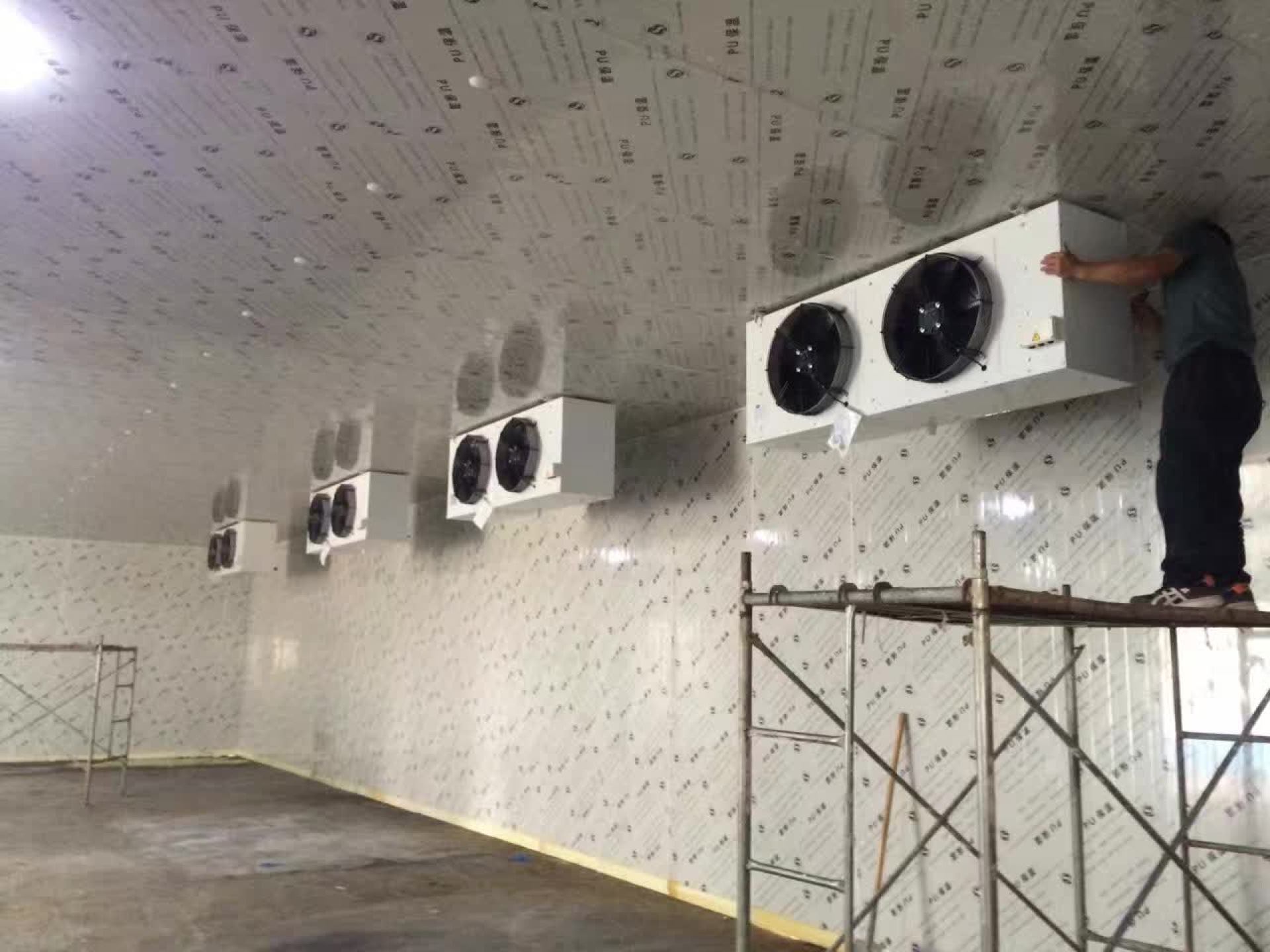
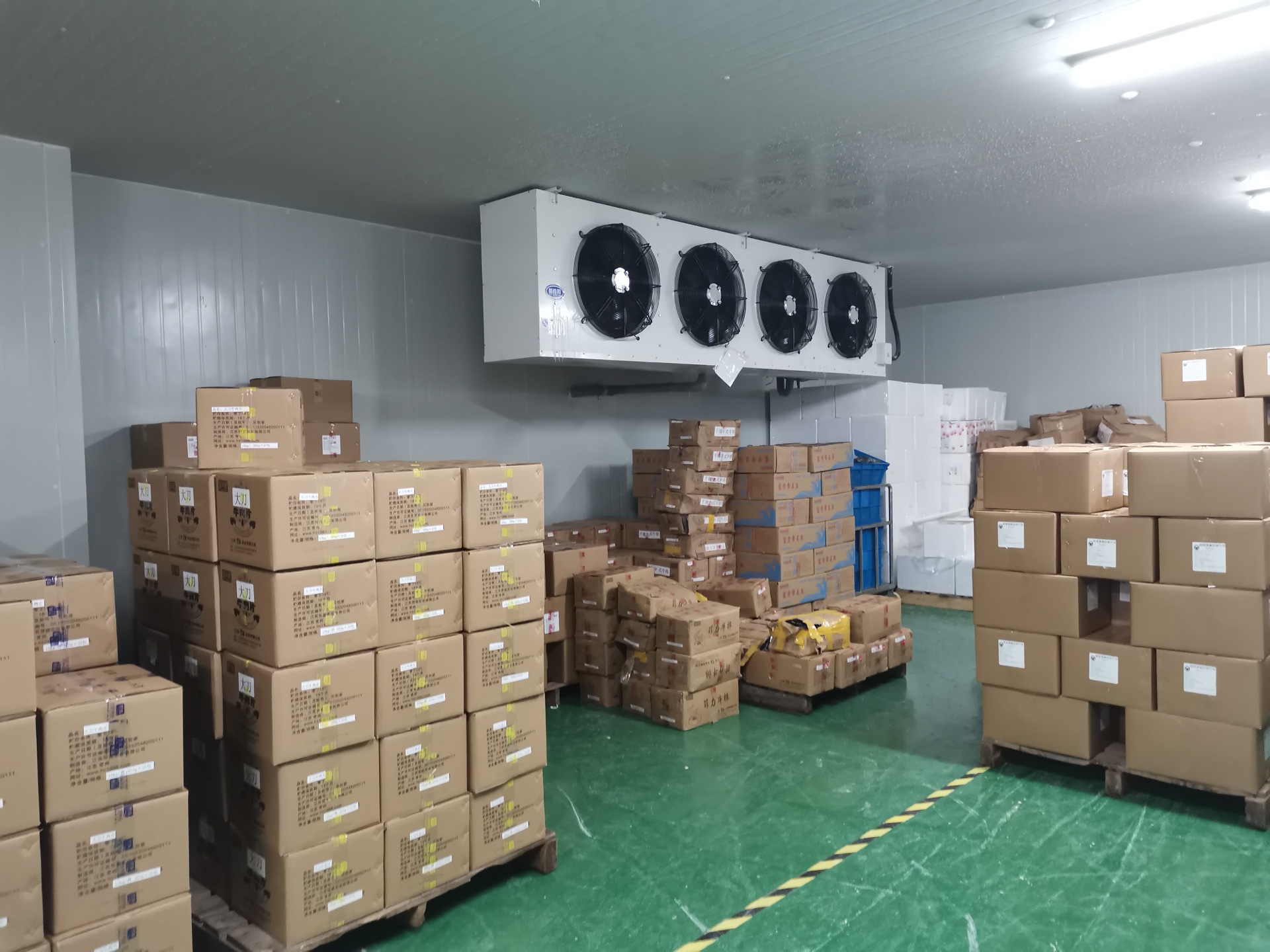
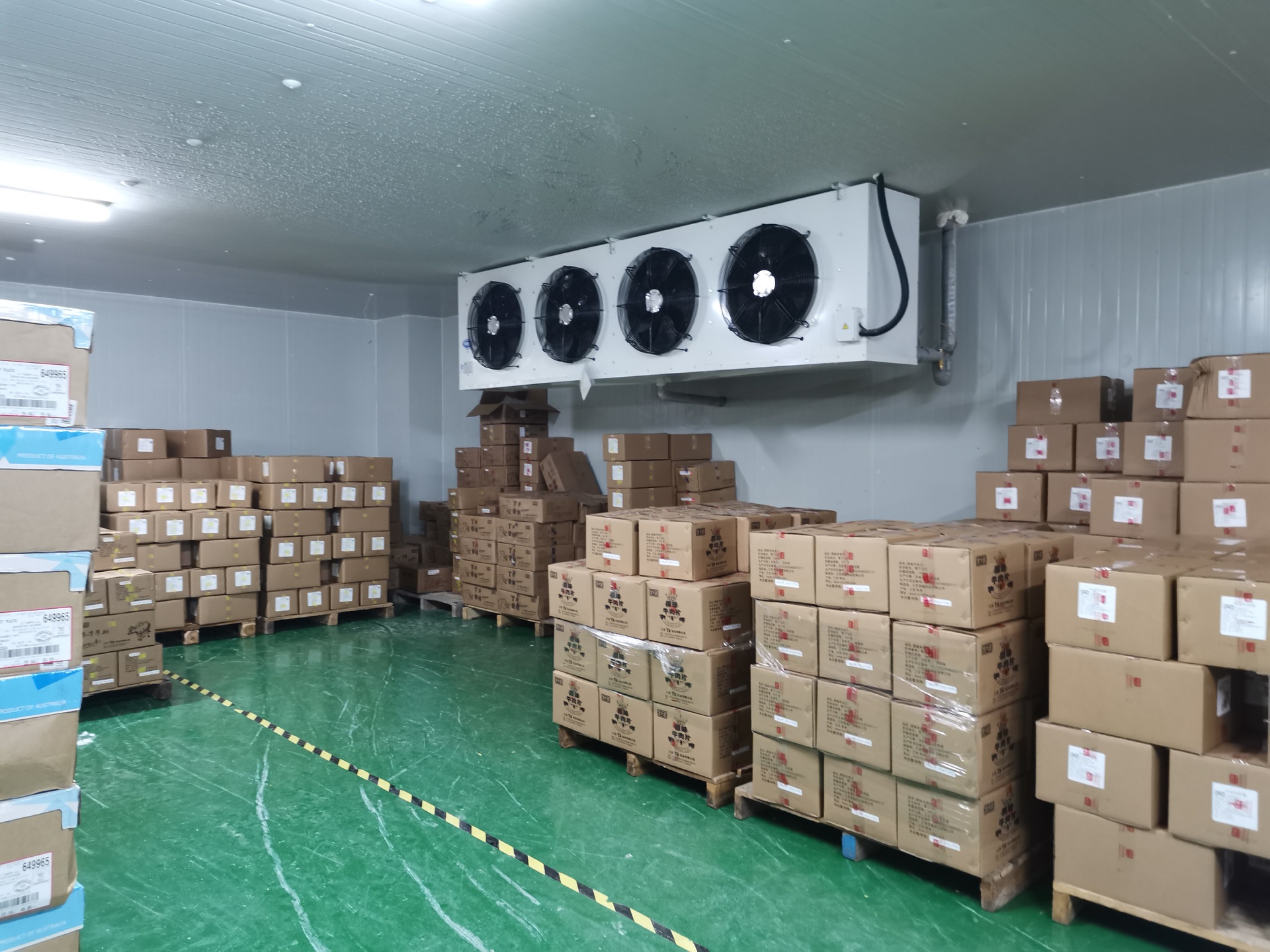
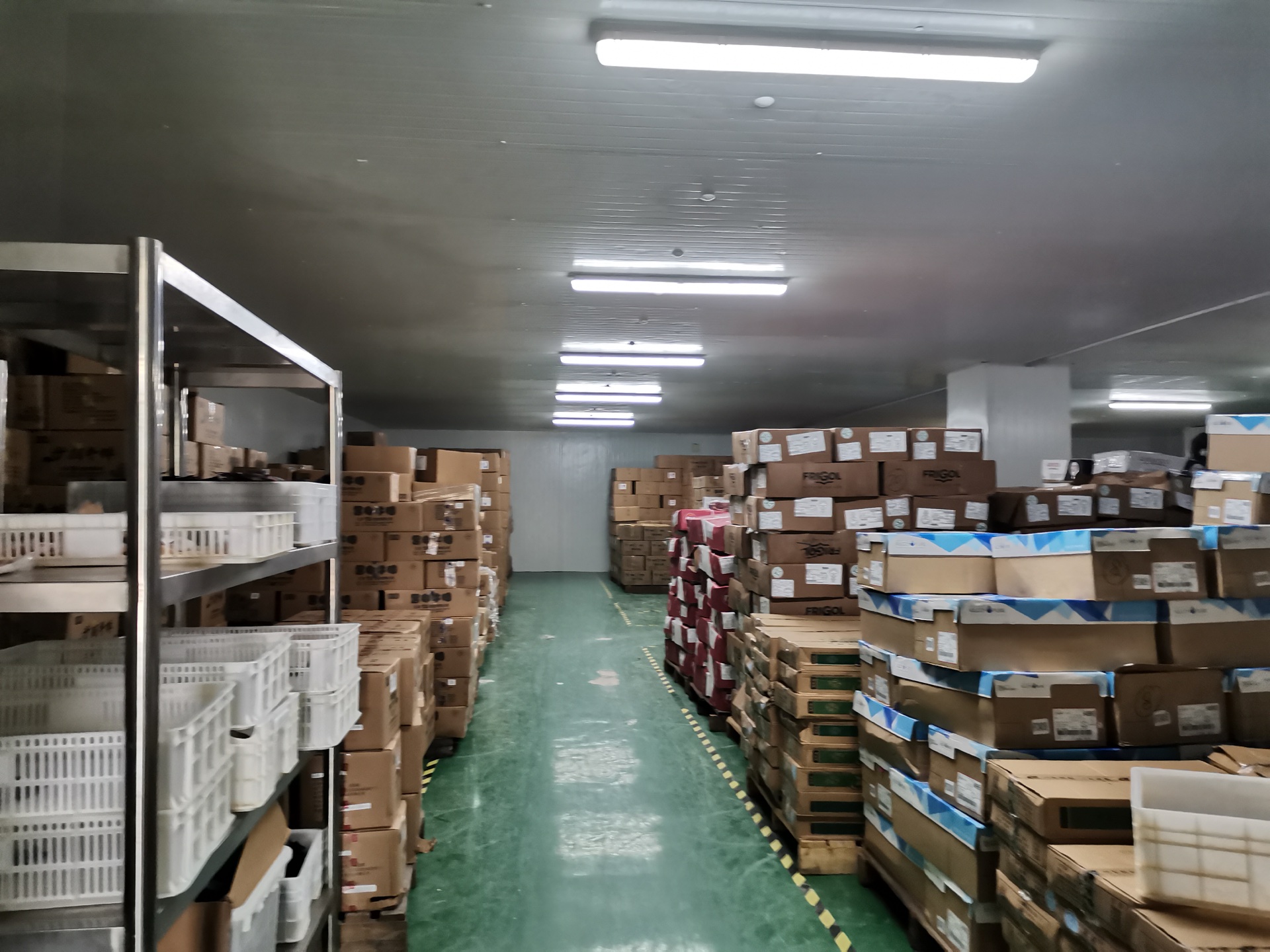
Existing project references can help you discuss comparable construction features, but request confirmation before treating an image as proof of an undisclosed temperature, location or operating result.
How should the first conversation with JiangNan begin?
State whether you need panels, doors or a wider cold-room package, and identify the work your local team will handle. Send the project scope for review together with your current drawing. The resulting proposal should make responsibilities and remaining questions clear before either party commits to a production specification.